Table of Contents
- The Unique Landscape of Bali’s Construction Sector
- Foundational Principles of Construction Management for Balinese Projects
- Strategic Planning and Pre-Construction in a Tropical Paradise
- Executing Smarter Builds On-Site: Operational Excellence in Bali
- Navigating Local Regulations and Cultural Sensitivities in Construction
- Sustainable Practices and Future Trends in Bali’s Construction Sector
- Conclusions
The idyllic landscapes and vibrant culture of Bali have long attracted investment, fueling a dynamic construction sector. As development accelerates, the demand for sophisticated construction management in Bali becomes paramount. This article explores how strategic planning, meticulous execution, and a deep understanding of local nuances are essential for realizing smarter builds that honor Bali’s unique essence while meeting modern demands.
The Unique Landscape of Bali’s Construction Sector
The unique complexities of Bali’s construction environment, as previously explored, underscore the absolute necessity of robust construction management. It’s not merely about overseeing a project; it’s about strategically navigating every variable to deliver excellence. At its core, effective construction management for Balinese projects revolves around the foundational principles of scope, time, cost, quality, and safety, each meticulously adapted to the island’s distinctive context.
Scope management in Bali demands exceptionally precise definition from the outset. With a diverse array of projects, from intricate luxury villas to sprawling resorts and vital commercial spaces, clearly articulated objectives and deliverables prevent costly misunderstandings and scope creep. This is particularly crucial when dealing with design elements that blend international expectations with local Balinese aesthetics and materials. Concurrently, time management becomes a dance between ambitious timelines and the realities of a tropical climate, local holidays, and sometimes, less predictable logistics. An experienced general contractor project management team employs detailed scheduling and proactive risk assessment to mitigate weather-related delays and ensure critical milestones are met, keeping projects on track towards timely completion.
Cost management requires an acute understanding of the local economic landscape. Fluctuations in material availability and pricing, coupled with varying labor rates, necessitate vigilant budgeting and rigorous financial oversight. A professional construction manager in Bali provides transparent cost breakdowns, manages procurement strategically, and identifies potential cost savings without compromising project integrity, contributing significantly to demystifying construction costs in Bali. Quality management in this setting involves upholding global construction standards while embracing and enhancing the island’s rich craftsmanship. This often means specifying materials resilient to the tropical climate, implementing construction techniques that consider seismic activity, and ensuring aesthetic integration that respects Bali’s natural beauty and cultural heritage.
Safety management is paramount, especially given Bali’s geographical features. Strict adherence to international and local safety protocols is non-negotiable, requiring comprehensive site inductions, regular safety audits, and continuous training for all personnel. This diligence safeguards workers and ensures the structural integrity and longevity of the build, creating properties that are not only beautiful but also resilient. Achieving truly smarter builds in Bali hinges heavily on seamless communication and unwavering stakeholder coordination. Owners, architects, engineers, contractors, and local communities must operate as a cohesive unit. A dedicated construction manager acts as the central hub, fostering clear dialogue, resolving conflicts efficiently, and ensuring every party’s vision and concerns are addressed. This collaborative approach significantly mitigates common project risks specific to the region, such as unforeseen ground conditions, regulatory changes, or local resource constraints, ultimately delivering projects of exceptional quality and enduring value. For those looking to embark on projects, understanding the indispensable role of a great general contractor in Bali is the first step towards success.
Foundational Principles of Construction Management for Balinese Projects
Foundational Principles of Construction Management for Balinese Projects
Effective construction management (CM) in Bali hinges on the rigorous application of its core tenets: scope, time, cost, quality, and safety, each uniquely tailored to the island’s distinct environment. Understanding how these principles are critically applied is key to delivering excellence.
Managing project scope in Bali requires exceptional clarity and diligence, given the diverse aspirations of international and local clients, ranging from bespoke luxury villas to intricate commercial developments. A professional CM approach ensures that detailed specifications and clear boundaries are established from the outset, preventing scope creep which can be exacerbated by evolving design trends or client changes in a dynamic market. This upfront precision is vital to prevent later misunderstandings and delays.
The management of time is another crucial element, often influenced by Bali’s tropical climate, particularly the rainy season, which can significantly impact outdoor work and material transport. Expert construction management teams employ sophisticated scheduling techniques that account for these seasonal variations, as well as local customs and holidays that may affect labor availability. Proactive planning for potential delays in material procurement, especially for imported items, is essential to maintain project timelines and avoid costly idle periods. This meticulous approach to scheduling ensures projects remain on track, a cornerstone of any professional construction project management in Bali.
Cost control demands a keen understanding of Bali’s economic landscape, including fluctuating material prices, import duties, and labor rates. A professional CM team provides transparent budgeting and rigorous cost monitoring, crucial for navigating these variables and providing clients with a clear financial roadmap. By leveraging local supplier networks and expert negotiation, they ensure optimal value without compromising quality. This detailed financial oversight is fundamental to avoid unexpected overruns, a common pitfall without skilled construction costs management in Bali.
Maintaining stringent quality standards is paramount, especially when constructing in a tropical, seismic zone. This means selecting materials that resist humidity, salt air, and pests, and employing construction methods that ensure structural integrity against potential seismic activity. Quality control is an ongoing process, from material inspection to continuous on-site supervision, ensuring that both international building codes and the high aesthetic expectations of clients are met. For luxurious residential or demanding commercial projects, this commitment to quality from a premier home contractor in Bali is non-negotiable.
Finally, safety is an overarching principle, requiring the implementation of robust protocols that not only comply with local regulations but often exceed them by integrating international best practices. This includes comprehensive worker training, proper use of personal protective equipment, and meticulous site management to mitigate hazards. A culture of safety is actively fostered, prioritizing the well-being of all personnel and visitors on site.
Achieving smarter builds in Bali critically relies on clear communication and seamless stakeholder coordination. This complex ecosystem involves owners with often global perspectives, creative designers translating visions into reality, skilled contractors managing local labor and resources, and the local communities whose traditions and environment must be respected. A professional CM approach acts as the central hub, ensuring all parties are aligned, informed, and working cohesively. This comprehensive strategy mitigates common project risks specific to the region, such as navigating complex permitting processes (a topic elaborated further in the next chapter), managing diverse workforces, and addressing unforeseen environmental challenges. Effective general contractor expertise in Bali ensures that these foundational principles are not merely understood but expertly executed, leading to projects delivered on time, within budget, and to the highest standards.
Strategic Planning and Pre-Construction in a Tropical Paradise
The success of any endeavor on the Island of Gods hinges on meticulous preparation, and nowhere is this more evident than in the realm of construction management Bali. The pre-construction phase for projects in Bali is not merely a formality but a critical foundation for achieving truly smarter builds. It’s here that vision meets reality, where potential pitfalls are identified and expertly navigated before a single shovel breaks ground. This initial strategic planning sets the trajectory for the entire project, ensuring efficiency, compliance, and ultimately, excellence.
A vital first step involves a detailed site analysis, which in Bali’s diverse topography, is paramount. This includes comprehensive geotechnical surveys to understand soil composition, bearing capacity, and seismic considerations, given the island’s location within the Pacific Ring of Fire. Equally crucial are environmental impact assessments. Bali’s pristine natural beauty and cultural significance demand a sensitive approach, ensuring that construction activities minimize disruption to ecosystems and local communities. Understanding the microclimates, drainage patterns, and potential for landslides or flooding, particularly during the rainy season, informs every subsequent decision.
Feasibility studies extend beyond mere financial projections. They encompass a holistic evaluation of the project’s viability, considering market demand, regulatory landscapes, and logistical challenges. This includes a comprehensive risk assessment that is acutely sensitive to the unique Balinese context. Beyond standard construction risks, this means evaluating potential impacts from fluctuating material costs due to import complexities, navigating local labor availability and skill sets, and accounting for cultural and social considerations that can influence project timelines and acceptance. Early and continuous engagement with local authorities is indispensable. Understanding the intricacies of permitting processes, such as the PBG (Persetujuan Bangunan Gedung) – the building approval permit – and adhering to local customary laws (adat), is not just a regulatory requirement but a cornerstone of respectful and successful development. Navigating the PBG process for building in Bali demands expert knowledge and strong local relationships to ensure smooth approvals and avoid costly delays.
Smart design choices are intrinsically linked to Bali’s tropical conditions. Architects and engineers must prioritize designs that promote natural ventilation, passive cooling, and maximize natural light, reducing the reliance on energy-intensive air conditioning. Material selection is another critical component; choosing materials that withstand high humidity, heavy rainfall, and potential pest infestations is key to the longevity and structural integrity of the build. This often involves a balance between locally sourced, sustainable materials and specialized imported products. A robust procurement strategy, meticulously planned in advance, identifies reliable suppliers – both local and international – and establishes clear logistics for timely delivery, anticipating potential import duties and lead times. This proactive approach to sourcing ensures that quality is maintained, costs are controlled, and the supply chain remains resilient, forming a strong foundation for your Bali villa construction and the successful execution of smarter builds through expert construction project planning in Bali.
Executing Smarter Builds On-Site: Operational Excellence in Bali
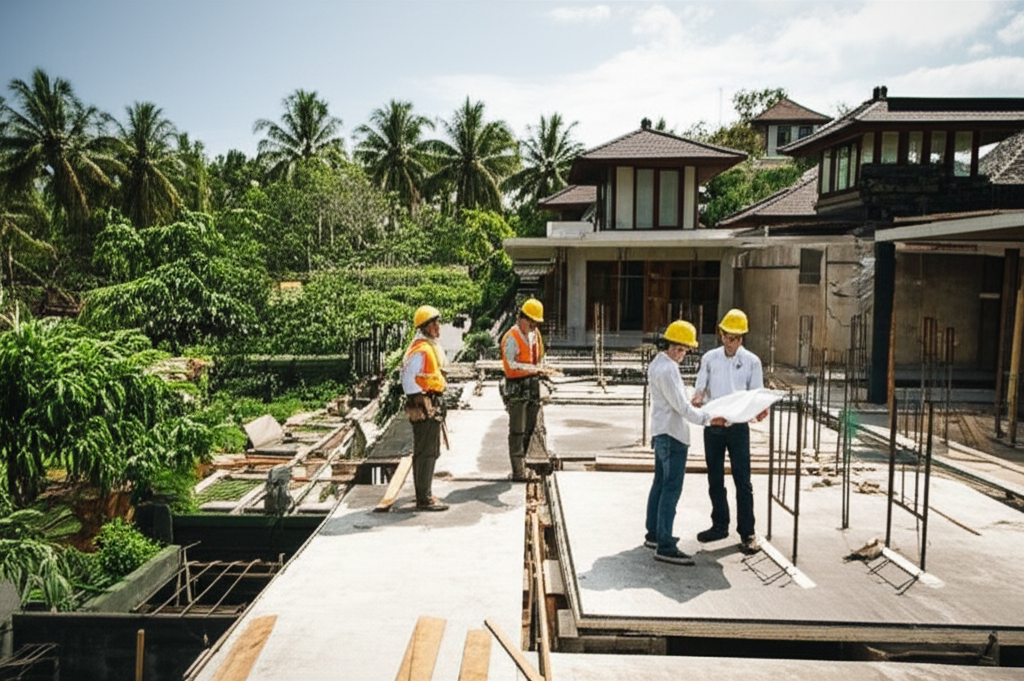
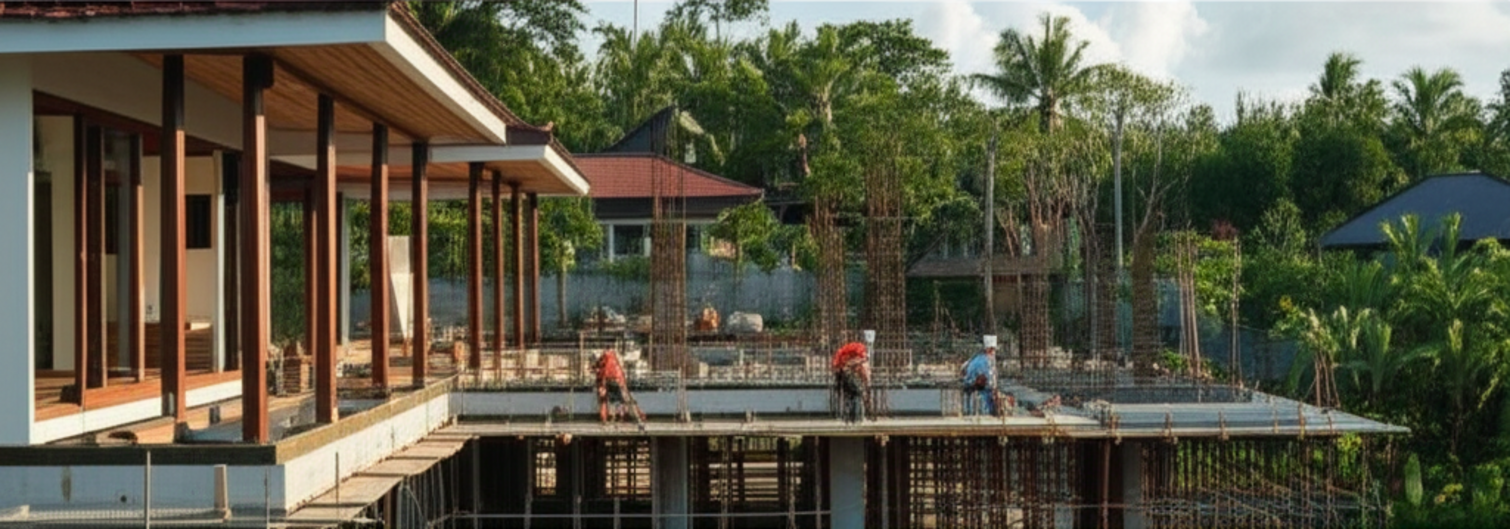
The transition from meticulously laid plans to tangible structures on the ground in Bali is where the true art of construction management is tested. Executing smarter builds on-site demands a highly disciplined approach, transforming blueprints into reality while navigating the unique dynamics of an island environment. Effective on-site construction management in Bali begins with a rigorous scheduling regimen, which is far more than just a timeline. It’s a dynamic roadmap, constantly updated to reflect real-time progress and unforeseen circumstances. Given Bali’s climate and sometimes unpredictable logistical landscape, a flexible yet firm schedule is paramount. This involves breaking down projects into granular tasks, assigning clear responsibilities, and setting realistic, measurable milestones, ensuring that every phase, from foundation pouring to final finishes, moves with calculated precision. This proactive approach to planning ensures professional construction project management in Bali.
Resource allocation is another critical pillar, particularly when balancing local availability with the necessity of imported materials. Bali boasts a wealth of skilled local labor, and integrating this workforce effectively is key to a smooth operation. This includes clear communication, proper training, and fostering a collaborative environment, leveraging local expertise while adhering to international safety and quality standards. For specialized components or high-end finishes, imported materials are often required. Managing their procurement and delivery involves a complex supply chain strategy, accounting for lead times, customs procedures, and transportation from major hubs to the island’s various project sites. Understanding and optimizing this flow is essential for maintaining momentum and preventing costly delays, contributing to seamless execution and contractor project management in Bali.
Quality control measures are implemented from day one, not as an afterthought. This means consistent inspections at every stage, verifying that all work meets the specified standards and design parameters. Given the tropical conditions, material integrity and structural soundness are constantly monitored to ensure long-term durability. This proactive quality assurance minimizes rework, saves costs, and upholds the integrity of the finished project, a hallmark of smarter builds . Logistical challenges are an inherent part of construction in an island setting. Transportation constraints, from navigating narrow roads to coordinating sea freight for heavy equipment, require meticulous planning and contingency strategies. Effective supply chain management mitigates potential bottlenecks, ensuring materials arrive on time and in good condition, even when faced with Bali’s distinct geographical challenges.
Efficient project monitoring is achieved through regular site meetings, daily progress reports, and the use of modern project management software that provides real-time insights into every aspect of the build. This constant oversight allows for rapid identification of issues and adaptive problem-solving. Whether it’s adjusting schedules due to unexpected weather, reallocating resources to address a bottleneck, or finding alternative solutions for material sourcing, the ability to pivot quickly and effectively is what defines operational excellence. By keeping a keen eye on every detail and fostering a culture of continuous improvement, construction management teams in Bali can ensure projects not only adhere to planned specifications but also achieve truly smarter builds that stand as testaments to quality and efficiency. This holistic approach ensures expert general contractor project management and successful delivery.
Navigating Local Regulations and Cultural Sensitivities in Construction
Beyond the meticulous on-site execution, a fundamental layer of complexity in delivering truly smarter builds in Bali lies in masterfully navigating its intricate regulatory landscape and deeply embedded cultural sensitivities. Successful projects in the Island of Gods are not merely about structural integrity or timely completion; they hinge significantly on a profound understanding and integration of local frameworks and community values, a task expertly managed through insightful construction management.
The regulatory environment in Bali is unique, demanding thorough diligence. Adherence to local building codes is paramount, ensuring safety and compliance with structural standards specific to the region’s seismic activity and tropical climate. More critically, environmental protection laws and land use regulations dictate what, where, and how a structure can be built. Developers must meticulously research zoning classifications, particularly concerning “green zones” (zona hijau) which strictly prohibit or severely limit development to preserve agricultural land and natural landscapes. Height restrictions, often inspired by cultural reverence (e.g., no building taller than a coconut tree), are common in many areas, influencing architectural design from the outset. Obtaining the necessary permits, such as the Persetujuan Bangunan Gedung (PBG), formerly known as IMB, requires a nuanced approach and often considerable time, making proactive engagement with local authorities an essential component of strategic construction planning in Bali. Ignoring these mandates can lead to significant delays, hefty fines, or even demolition, undermining the entire investment.
Equally vital, and often more subtle, is the integration of cultural nuances into every stage of a construction project. Bali’s rich spiritual heritage permeates daily life and community structures. Respect for local customs, traditions (adat), and religious sites is not just a courtesy but a prerequisite for fostering positive relationships with the local community. Effective construction management involves engaging with local banjar (village councils) early and transparently, seeking their input and understanding their concerns. This community engagement can smooth the path for a project, gaining local acceptance and invaluable support. Furthermore, integrating Balinese design principles or traditional craftsmanship, where appropriate, can elevate a build from a mere structure to a harmonious addition to the island’s aesthetic. This might involve utilizing local artisans, incorporating elements like aling-aling entrances, or respecting feng shui principles adapted to Balinese cosmology. Such culturally sensitive approaches, seamlessly woven into the project from conceptualization to execution, ensure that smarter builds not only meet international standards but also resonate with the soul of Bali, contributing to their long-term success and acceptance within the vibrant fabric of the island. Partnering with local Bali contractors who possess this intrinsic understanding is often the most effective way to navigate this complex interplay of regulations and traditions, ensuring your vision becomes a respected part of the Balinese landscape.
Sustainable Practices and Future Trends in Bali’s Construction Sector
The increasing imperative of sustainability in Bali’s burgeoning construction sector cannot be overstated. Moving beyond mere compliance with local environmental protection laws, a proactive adoption of green principles is now central to delivering excellence. The island’s delicate ecosystem, a primary draw for its global appeal, demands that new developments contribute positively to its preservation. This means a concerted shift towards utilizing eco-friendly building materials, many of which can be sourced locally, reducing transportation footprints and supporting local economies. Think engineered bamboo, recycled aggregates from construction and demolition waste, and sustainably harvested timbers that minimize deforestation. Integrated into architectural blueprints are sophisticated energy-efficient designs, harnessing Bali’s tropical climate for optimal performance. This includes passive cooling strategies such as strategic building orientation to minimize direct sun exposure, deep overhangs for shading, high ceilings to encourage natural convection, and expansive openings for cross-ventilation. Natural lighting is maximized, significantly reducing the reliance on artificial illumination during daylight hours.
Advanced construction management in Bali now places significant emphasis on holistic resource management, particularly regarding water, a precious commodity on the island. This involves implementing comprehensive water conservation systems, ranging from rainwater harvesting for irrigation and toilet flushing to greywater recycling for non-potable uses. The specification of low-flow fixtures throughout a property further reduces overall consumption. Concurrently, robust waste management strategies are tailored specifically for the island’s unique challenges. This means meticulous on-site waste segregation, enabling greater recycling of materials like plastics, glass, and metals, along with composting organic waste. The goal is to drastically minimize landfill contributions and ensure responsible disposal of any unavoidable hazardous materials, fostering a cleaner construction process from inception to completion.
The integration of green building certifications, such as those aligning with international standards or evolving local initiatives, provides a verifiable framework for sustainable development. These certifications push projects to achieve higher benchmarks in energy efficiency, water use, material selection, and indoor environmental quality. Furthermore, renewable energy solutions are no longer considered optional but essential. Solar photovoltaic panels are increasingly being installed to offset electricity consumption, sometimes paired with battery storage systems to ensure energy independence and resilience. Solar water heaters are standard for reducing the energy demand for hot water, a significant contributor to a building’s operational footprint. This proactive approach ensures that new structures are not just aesthetically pleasing but also function as responsible stewards of Bali’s natural resources, marking a significant evolution in sustainable structures Bali.
Looking ahead, the future of construction in Bali is poised for even greater innovation, leading to genuinely smarter builds. Smart building technologies, integrating the Internet of Things (IoT) for automated climate control, intelligent lighting, and predictive maintenance, will optimize operational efficiency and occupant comfort. Prefabricated construction methods are gaining traction, offering benefits such as faster assembly times, reduced on-site waste, and consistent quality, particularly for repetitive elements or modular designs. This approach can mitigate some of the logistical challenges inherent in island development. Innovative design approaches will continue to evolve, with a strong emphasis on biophilic design that seamlessly integrates natural elements and processes into the built environment, fostering well-being. Furthermore, resilient architecture will become paramount, designing structures to withstand the impacts of climate change, from potential sea-level rise to more intense weather events. These future trends will collectively shape Bali’s architectural landscape, ensuring that developments are not only aesthetically remarkable but also deeply resilient and contribute to a more sustainable ‘Island of Gods’ through increasingly intelligent and responsible construction practices. This progressive vision for future of Bali construction is critical for sustained growth.
Conclusions
Effective construction management in Bali is more than just overseeing projects; it’s about harmonizing global best practices with local realities. By embracing integrated strategies, prioritizing sustainability, and respecting cultural heritage, developers can achieve smarter builds that contribute positively to the island’s future. The art lies in foresight, adaptability, and a commitment to excellence, ensuring Bali’s growth is both prosperous and preserved for generations.