Table of Contents
- Understanding Bali’s Unique Construction Landscape
- The Pillars of Effective Cost Planning and Estimation
- Strategic Sourcing and Procurement for Bali Projects
- Managing Project Risks and Contingencies in Bali
- Leveraging Technology for Enhanced Cost Control
- Integrating Sustainable Practices for Long-Term Value
- Key Strategies for Successful Cost Management in Bali
- Conclusions
Embarking on a construction project in Bali offers exciting opportunities, yet it presents a distinct set of challenges. Effective construction cost management in Bali is paramount for transforming visions into successful realities. This article delves into strategic approaches, local insights, and innovative methods to ensure your development projects on the ‘Island of Gods’ are not only beautiful but also financially sound and sustainable.
Understanding Bali’s Unique Construction Landscape
Understanding Bali’s Unique Construction Landscape
Navigating construction cost management Bali necessitates a deep appreciation for the island’s distinctive operational environment. The economic bedrock of Bali is undeniably tourism, a force that dictates development needs and investment patterns. The continuous influx of international and domestic visitors fuels an insatiable demand for hospitality infrastructure – from luxury resorts and boutique hotels to private villas and burgeoning commercial spaces. This tourism-centric economy, while a robust driver for construction, also introduces unique market dynamics that influence pricing and project feasibility. Investors are keen to capitalize on this demand, leading to rapid development, yet requiring a savvy approach to the Bali construction renaissance.
The local regulatory framework presents a significant layer of complexity. Obtaining necessary permits, particularly the Persetujuan Bangunan Gedung (PBG) – the current building approval replacing the IMB – is a multi-faceted process that demands meticulous adherence to local ordinances. Zoning regulations, known as Rencana Tata Ruang Wilayah (RTRW), classify land usage (e.g., residential, tourism, green zones), directly impacting what can be built and where. Moreover, traditional Balinese spatial planning concepts, such as Asta Kosala Kosali, profoundly influence architectural design and building orientation, often dictating specific layouts and material choices that must harmonize with local spiritual and cultural beliefs. These cultural mandates are not mere suggestions; they are integral to gaining community acceptance and successful project completion, impacting architectural requirements in Bali and the overall planning phase. Prospective developers must master navigating the PBG process for building in Bali to avoid costly delays.
Labor dynamics in Bali are characterized by a blend of local Balinese and migrant workers, primarily from Java. While generally available, specialized skills may be scarce, necessitating thorough vetting and potentially higher wages for qualified personnel. Material sourcing poses another significant challenge. While some local materials like certain stones, timber, and bamboo are available, consistency in quality and supply can vary. Crucially, many essential construction materials such as cement, steel, advanced plumbing, electrical components, and high-quality finishes are imported. This reliance on imports introduces considerable logistical hurdles, including shipping costs, customs duties, and potential delays, all of which contribute to fluctuating material prices and demand a proactive approach to demystifying construction costs in Bali.
Infrastructure limitations are a constant consideration. Access to reliable water and electricity, especially in more remote or rapidly developing areas, can require substantial upfront investment in utility connections. Road access to construction sites can also be an issue, particularly for transporting heavy machinery and large quantities of materials. Lastly, environmental considerations are paramount. Bali’s tropical climate demands specific construction techniques and materials to combat humidity, heavy rainfall, and potential seismic activity, emphasizing the need for robust structural construction in Bali. Strict regulations also protect the island’s natural beauty and cultural heritage, influencing site selection, building heights, and waste management practices. Collectively, these unique elements necessitate a tailored and nuanced approach to construction cost management in Bali, requiring foresight, flexibility, and strong local expertise.
The Pillars of Effective Cost Planning and Estimation
Effective construction cost management Bali hinges on a meticulously planned and estimated budget, a process that begins long before ground is broken. Thorough feasibility studies are the critical initial step, delving into market analysis to understand demand, potential returns, and competitive landscapes specific to Bali’s vibrant economy. For instance, assessing demand for luxury villas versus boutique hotels in a specific area directly influences project scope and financial viability. This stage also sets realistic initial budget allocations, preventing significant cost overruns and unmet financial objectives.
Following feasibility, detailed cost estimation becomes paramount, breaking down every expense into direct and indirect costs. Direct costs encompass materials, labor wages, and equipment rental, directly attributable to construction. Indirect costs, often overlooked, include project management, administrative overheads, permits and licenses, insurance, and site supervision. Crucially, contingency planning (typically 10-15% of total estimated cost) is indispensable for unforeseen expenses, like unexpected material price hikes or logistical delays for imported goods, inherent to island development. A comprehensive cost breakdown structure allows for granular tracking, ensuring no expenditure goes unnoticed.
Accounting for Bali-specific factors in this estimation is not merely an option but a necessity. The island’s unique dynamics directly impact construction cost management Bali. Fluctuating material prices, especially for specialized or imported goods, can significantly alter budget projections. The complex logistics for imported materials – customs duties, shipping costs, and inter-island transportation – add substantial cost and delay. While local labor is often more affordable, accurately estimating labor rates and ensuring consistent skill availability are key. Robust estimation must meticulously factor in these unique variables, often requiring deep local expertise.
Accurate data collection and benchmarking are the bedrock of reliable cost estimates. Leveraging historical data from similar projects in Bali or Indonesia provides invaluable insights for realistic projections and identifying potential cost traps. This necessitates diligent record-keeping and thorough analysis of past expenditures. Finally, creating a comprehensive budget means anticipating every possible scenario. It’s a dynamic document integrating all direct and indirect costs, a carefully calculated contingency, and a clear understanding of Bali’s unique challenges. This proactive approach to navigating your construction budget in Bali minimises surprises, transforming potential risks into manageable challenges. Masterful building project management in Bali begins with this foundational financial foresight, ensuring your Bali development vision becomes a tangible, cost-effective reality.
Strategic Sourcing and Procurement for Bali Projects
Strategic sourcing and procurement form a critical cornerstone of effective construction cost management in Bali. Moving beyond initial estimations, this stage involves the tangible actions of acquiring materials and services, directly impacting the project’s bottom line and timeline. A nuanced approach is essential, weighing the merits of local Balinese materials against those imported, considering a spectrum of factors including cost, quality, availability, and lead times.
Utilizing local Balinese materials often presents compelling advantages. These can include lower transportation costs, shorter lead times due to proximity, and the benefit of supporting the local economy. Materials like local stone, sand, specific types of timber, and basic aggregates are readily available and can imbue a project with a distinct Balinese aesthetic, aligning with sustainable practices. However, potential disadvantages exist; quality control may be less standardized compared to international norms, specialized materials might be limited, and scalability for very large projects could be an issue. Conversely, imported materials typically offer higher, more consistent quality standards, a wider array of specialized products (e.g., advanced insulation systems, high-end finishing materials, specific structural components), and often come with international warranties. The trade-off, however, lies in increased landed costs due to shipping, customs duties, and potential currency fluctuations. Lead times are invariably longer, and the complexity of logistics and customs clearance demands careful planning.
Effective vendor selection is paramount. For local suppliers, due diligence involves site visits to assess production capabilities, checking references from past projects, verifying business licenses, and evaluating their track record for reliability and adherence to specifications. Building strong, personal relationships with these local partners is often key to smooth operations. For international vendors, rigorous background checks on their reputation, scrutinizing payment terms, and confirming compliance with international standards are crucial. Engaging local agents or freight forwarders with expertise in Indonesian import regulations can significantly streamline the process.
Negotiation tactics are central to securing favorable terms. Bulk purchasing, where feasible, can unlock significant discounts. Negotiating staggered payment schedules, early payment incentives, or long-term supply agreements for commonly used materials can help stabilize costs and ensure material flow. Detailed contract management, including clear specifications, quality clauses, delivery schedules, and penalty provisions for non-compliance, protects the project from disputes and unexpected expenses.
Managing supply chain logistics efficiently is vital to minimize delays and associated costs. Navigating Indonesian customs requires a thorough understanding of import regulations, duties, and taxes, often necessitating collaboration with experienced customs brokers. Transportation within Bali, particularly to more remote areas, can pose challenges, requiring careful route planning and reliable local transport partners. Adequate and secure storage facilities are essential to protect materials from the tropical climate and potential theft, while also managing inventory to avoid costly overstocking or disruptive shortages. Ultimately, cultivating strong, trust-based relationships with reliable local suppliers and subcontractors within the Balinese ecosystem is an invaluable asset, offering not only better pricing and service priority but also invaluable local insights and flexibility in addressing unforeseen challenges. For those seeking the perfect contractor in Bali, understanding these procurement nuances is crucial.
Managing Project Risks and Contingencies in Bali
Building in Bali, while immensely rewarding, inherently carries a unique set of challenges that demand proactive and sophisticated risk management. The island’s distinct environment, cultural nuances, and logistical complexities can quickly transform an otherwise straightforward project into a maze of unexpected costs and delays if not meticulously planned for. Effective construction cost management in Bali hinges on identifying, assessing, and mitigating these potential pitfalls from conception to completion.
Financially, projects in Bali are exposed to several critical risks. Currency fluctuations present a significant concern, particularly when dealing with imported materials or international investments. While strategic sourcing, as discussed previously, can favor local materials, high-quality specialized components often require overseas procurement. A sudden depreciation of the local currency against major international currencies can drastically increase the cost of these imported goods, leading to unexpected budget overruns. Similarly, unexpected cost escalations can stem from unforeseen increases in commodity prices, fuel costs, or changes in local regulations impacting material tariffs. Without a robust financial forecasting model and diligent monitoring, these factors can quickly erode profit margins. Understanding your construction budget in Bali is paramount.
Operational risks are equally prevalent. Logistical hurdles are a recurring theme; Bali’s island geography means reliance on limited port facilities and an often-congested transportation network. Port delays, customs clearance issues, and challenging last-mile delivery to remote sites can significantly impact project timelines and incur demurrage charges or additional freight costs. Labor availability and productivity can also fluctuate. While skilled labor exists, ensuring consistent availability, managing diverse workforces, and maintaining optimal productivity levels require careful planning and strong onsite management. Furthermore, local customs and holidays, most notably the annual Balinese Day of Silence, Nyepi, can bring the island to a complete standstill, necessitating careful scheduling to avoid significant project delays. A comprehensive construction project schedule in Bali must account for these cultural factors.
To navigate these complexities, a comprehensive risk management plan is indispensable. This plan should systematically identify all potential risks – both financial and operational – assess their likelihood and potential impact, and outline specific mitigation strategies. This isn’t a one-time exercise; continuous monitoring of risks throughout the project lifecycle allows for dynamic adjustments. Central to this strategy is the establishment of adequate contingency funds. These funds act as a vital buffer against unforeseen expenditures, typically calculated as a percentage of the total project cost and based on a detailed risk assessment. Furthermore, robust insurance policies, including all-risk construction insurance, public liability, and worker’s compensation, are non-negotiable safeguards against significant financial impacts. Engaging a reliable general contractor in Bali who understands these local nuances is crucial for proactive risk identification and mitigation. Proactive measures, such as maintaining strong relationships with multiple suppliers, pre-ordering critical long-lead items, implementing detailed logistical plans, and fostering clear communication with all stakeholders, are key to minimizing disruptions and ensuring projects stay on course and on budget.
Leveraging Technology for Enhanced Cost Control
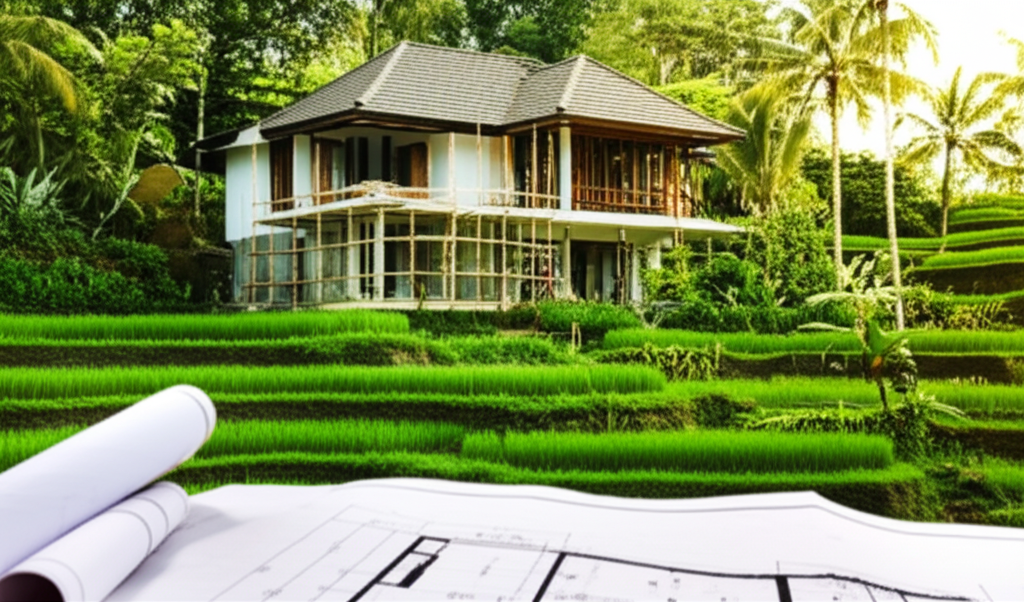
In the dynamic and intricate world of construction in Bali, embracing modern technology is a strategic imperative for effective cost management. Digital tools offer unparalleled advantages in optimizing every project phase, from design to handover, yielding significant long-term savings and enhanced efficiency. One of the most transformative technologies in this regard is Building Information Modeling (BIM). BIM goes beyond traditional 2D blueprints, creating a comprehensive 3D digital representation of a project. This allows for superior visualization, enabling all stakeholders to understand design intricacies and potential challenges before a single shovel hits the ground. Crucially for cost control, BIM facilitates precise quantity take-offs, minimizing material waste and costly over-ordering, especially vital given Bali’s reliance on imported materials and associated logistical expenses. Furthermore, BIM’s inherent clash detection capabilities identify design conflicts early, preventing expensive rework and delays that can easily inflate budgets on a Balinese construction site. Simulating construction sequences also optimizes scheduling and resource allocation, directly impacting labor costs and project timelines.
Beyond design, sophisticated project management software has become indispensable for real-time cost tracking. These platforms provide a centralized hub for managing budgets, expenses, and overall project progress with unparalleled accuracy. For projects in Bali, where local conditions and unforeseen circumstances often impact financial projections, immediate access to expenditure data fosters transparency and accountability. This enables proactive identification of potential cost overruns, facilitating swift corrective action. Integrated financial modules track every invoice, payment, and variation order, providing a clear financial snapshot.
The geographical dispersion of project stakeholders, often a reality for investors building in Bali, makes cloud-based platforms invaluable. These collaborative environments ensure that all relevant documents, progress reports, and financial data are accessible to authorized personnel, irrespective of their physical location. This seamless information exchange accelerates decision-making, reduces communication lags, and ensures everyone works from the latest data, minimizing errors and costly misunderstandings. Such platforms are essential for a general contractor in Bali coordinating diverse teams and suppliers.
The power of data analytics is paramount in modern construction cost management in Bali. By analyzing historical and real-time project data, patterns and trends emerge, offering profound insights into cost performance, material pricing, and labor productivity. This data-driven approach enables more informed financial forecasting and strategic decision-making. Understanding average costs for finishes or local labor productivity rates, for instance, leads to more accurate initial budgeting and effective contingency planning. While initial investment in these technologies seems substantial, long-term cost savings – through waste reduction, minimized rework, improved communication, and optimized resource utilization – far outweigh upfront expenditure, resulting in more efficient and financially sound Balinese projects. This technological adoption paves the way for not just smarter spending but also lays a robust foundation for incorporating sustainable practices, a natural progression discussed in the subsequent chapter.
Integrating Sustainable Practices for Long-Term Value
While the preceding discussions have rightly focused on modern technological advancements for immediate cost control, a truly astute approach to construction cost management in Bali extends beyond initial expenditure to encompass the often-overlooked long-term benefits of integrating sustainable practices. Many developers perceive “green” building as an added cost, yet a holistic view reveals significant operational savings and enhanced asset value over the project’s lifecycle. Embracing sustainable construction in Bali is not merely an ethical choice; it’s a savvy financial strategy for enduring value.
The adoption of ‘green’ building materials, for instance, often translates to superior durability and reduced maintenance requirements. Locally sourced materials like bamboo, recycled timbers, and natural stone minimize transportation costs and carbon footprint while often outperforming conventional options in Bali’s tropical climate. Energy-efficient designs are paramount. This involves strategic site orientation to maximize natural light and ventilation, effective shading solutions, and high-performance insulation. Such designs drastically cut down on electricity consumption for air conditioning and artificial lighting, leading to substantially lower operational utility bills year after year. Waste reduction strategies, including meticulous planning, material optimization, and on-site recycling, reduce disposal costs and contribute to a more efficient use of resources. For deeper insights into crafting eco-friendly homes and resorts, explore sustainable structures Bali.
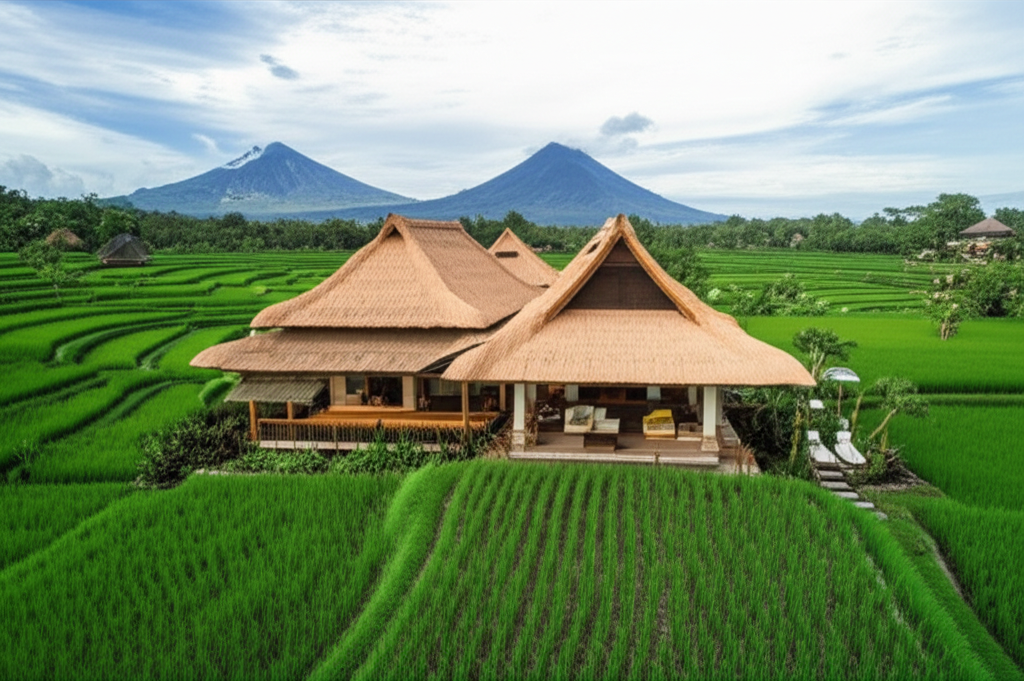
Furthermore, leveraging traditional Balinese building techniques and local, renewable resources offers a dual advantage. Utilizing indigenous knowledge for design principles that naturally ventilate spaces and provide shade, like open-plan layouts and wide eaves, aligns perfectly with the tropical environment. Materials such as *alang-alang* (thatch) for roofing or local hardwoods, when responsibly sourced, can be both aesthetically authentic and cost-effective in the long run due to their natural resilience and availability. These practices contribute to significant operational cost reductions by reducing reliance on artificial climate control, blending seamlessly with the island’s unique aesthetic, and appealing to a growing market of environmentally conscious buyers and tourists. Discover more about the art of Bali building.
While specific government financial incentives for sustainable development in Bali might be evolving, the market advantages are clear and compelling. Properties constructed with a strong emphasis on sustainability are increasingly attractive to discerning buyers and renters, often commanding higher property values and better rental yields. This enhanced marketability aligns perfectly with Bali’s reputation as a pristine natural paradise and a premier tourism destination. A thoughtfully designed eco-villa, for example, is inherently more appealing to tourists seeking an authentic and responsible experience. Therefore, considering lifecycle costing – factoring in not just the initial build cost, but also maintenance, energy consumption, and eventual resale value – is critical. A project that might have a slightly higher upfront investment for sustainable elements can yield substantially greater returns and lower overall ownership costs over a decade or more. Understanding your budget breakdown comprehensively, including these long-term gains, is key; learn more at demystifying construction costs in Bali. This holistic financial perspective is essential for truly smart and savvy construction cost management in Bali, ultimately contributing to your project’s success in paradise.
Key Strategies for Successful Cost Management in Bali
To achieve true mastery in construction cost management in Bali, developers and builders must embrace a multi-faceted approach, consolidating the insights gained into a practical, actionable framework. The foundational strategy begins with *early engagement* with local experts and consultants. This critical step involves more than just selecting a contractor; it mandates the proactive involvement of Balinese architects, structural engineers, and legal advisors right from the project’s inception. Their deep understanding of local regulations, material availability, labor dynamics, and cultural nuances is invaluable in shaping a realistic budget and avoiding costly oversights. Engaging with a premier general contractor in Bali who possesses extensive local experience can provide an indispensable advantage, guiding decisions from land acquisition to final handover.
Following early engagement, the next crucial element is the establishment of *clear, comprehensive contract agreements*. These documents must meticulously detail every aspect of the project: scope of work, material specifications, quality standards, payment schedules, timelines, and clearly defined dispute resolution mechanisms. Given the unique legal and operational landscape of Bali, boilerplate contracts are insufficient. Specific clauses addressing local permits – understanding and navigating the PBG process for building in Bali, for instance – and force majeure events relevant to an island environment are essential to protect all parties and prevent budget overruns due to unforeseen circumstances.
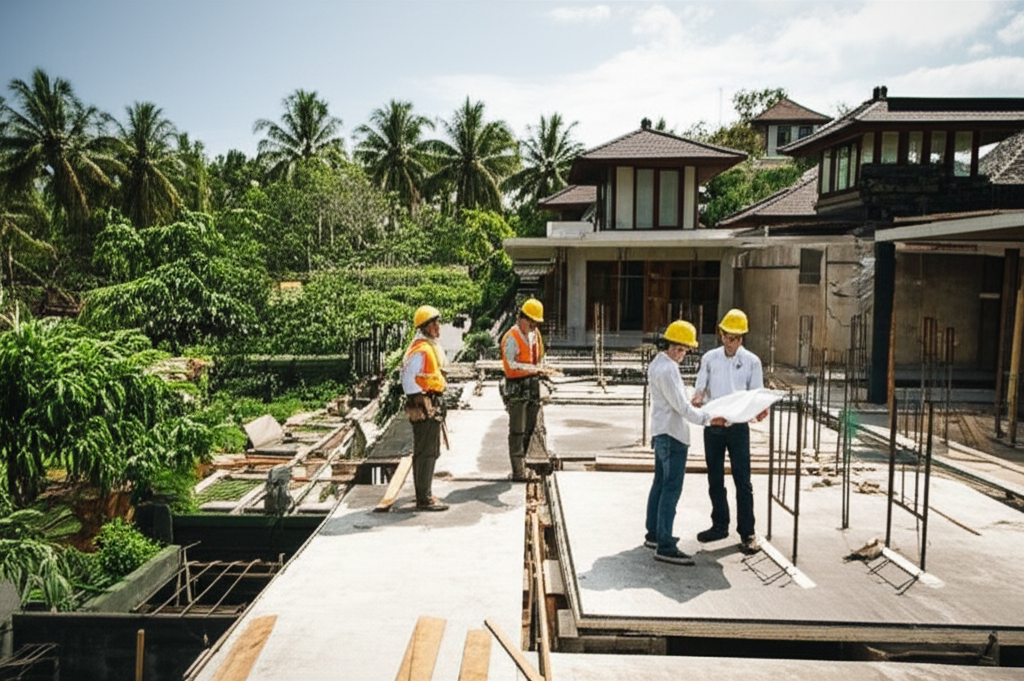
*Continuous monitoring and control* throughout the project lifecycle is non-negotiable for successful construction cost management Bali. This encompasses regular site inspections, meticulous budget tracking against actual expenditures, rigorous quality control checks, and transparent progress reporting. Effective professional construction project management in Bali is instrumental here, providing real-time data that allows for timely adjustments and proactive problem-solving. Issues, whether related to material availability, labor disputes, or design changes, must be addressed swiftly before they escalate into significant financial burdens.
Moreover, *adaptability and flexibility* are paramount. Bali’s dynamic environment, characterized by its tropical climate, sometimes fluctuating material supply chains, and evolving local regulations, demands a resilient approach. Projects must incorporate contingency planning, both in terms of budget (a robust contingency fund) and schedule, to absorb inevitable deviations without derailing financial objectives. Strong communication channels, fostering open dialogue between the client, project manager, and all contractors and suppliers, underpin this adaptability. This collaborative spirit facilitates proactive problem-solving, turning potential crises into manageable challenges.
Ultimately, a steadfast *commitment to quality* should never be sacrificed for short-term cost savings. Inferior materials or rushed workmanship inevitably lead to higher maintenance costs and a diminished property value in the long run. The goal is to optimize expenditures, not merely cut them. This involves strategic value engineering, smart procurement strategies leveraging local resources where appropriate, and diligent negotiation with suppliers to ensure competitive pricing without compromising durability or aesthetic appeal. Mitigating risks also entails comprehensive insurance coverage and a thorough due diligence process before any significant financial commitment. By integrating these strategies, projects in Bali can not only achieve their financial objectives but also honor and respect the unique local context, creating lasting value.
Conclusions
Mastering construction cost management in Bali requires a blend of astute planning, local understanding, and adaptable strategies. By embracing diligent planning, strategic sourcing, risk mitigation, and sustainable practices, developers can navigate Bali’s unique construction environment successfully. Implementing these smart and savvy approaches ensures projects are delivered on budget, upholding quality, and contributing positively to Bali’s vibrant landscape.