Table of Contents
- Understanding the Essence of Quality Control
- Bali’s Unique Construction Dynamics
- Pillars of Effective Quality Management in Bali Projects
- Overcoming Obstacles and Fostering Innovation
- Shaping the Future of Bali’s Built Environment
- Conclusions
As Bali continues to flourish as a global destination, the demand for high-quality construction is more critical than ever. This article delves into the intricate world of construction quality control in Bali, exploring the unique challenges and opportunities that define the island’s building landscape. We will uncover how rigorous quality assurance processes are essential for crafting structures that are not only aesthetically pleasing but also durable and safe, truly built to perfection.
Understanding the Essence of Quality Control
Understanding the Essence of Quality Control
Construction Quality Control (CQC) is the systematic process dedicated to ensuring that construction projects meet or exceed predefined standards, specifications, and client expectations. It involves continuous monitoring, inspection, and testing of materials and workmanship throughout the project lifecycle to prevent defects and guarantee compliance. A robust CQC framework is essential to avert structural failures, control costs, prevent delays, and ensure the long-term safety and durability of any structure, especially in complex environments like construction in Bali.
To fully grasp CQC, it is crucial to distinguish between Quality Assurance (QA) and Quality Control (QC). These are distinct yet complementary components of quality management. Quality Assurance is a proactive, process-oriented discipline focused on preventing defects by establishing comprehensive systems, procedures, and standards before work commences. It involves developing quality management plans, training personnel, and vetting suppliers, essentially “building the right way.” In contrast, Quality Control is a reactive, product-oriented function. It involves inspecting, testing, and monitoring actual work and materials during and after construction to identify and correct any deviations from established standards – effectively, “building it right.” Both are indispensable: QA sets the framework for quality, while QC verifies its execution, ensuring the final output meets required standards.
The fundamental principles of CQC include ‘fit for purpose’ and ‘right first time’. ‘Fit for purpose’ means the finished construction must effectively serve its intended function, meeting client needs and operational demands. For a Balinese villa, this implies design and construction that gracefully withstands the tropical climate while offering comfort and functionality. The ‘right first time’ principle champions precision and correctness from the outset, aiming to avoid errors and costly rework. This proactive approach significantly reduces delays and enhances overall efficiency. Adherence to these principles is paramount for project success, ensuring occupant safety, and guaranteeing the long-term structural integrity and longevity of the investment.
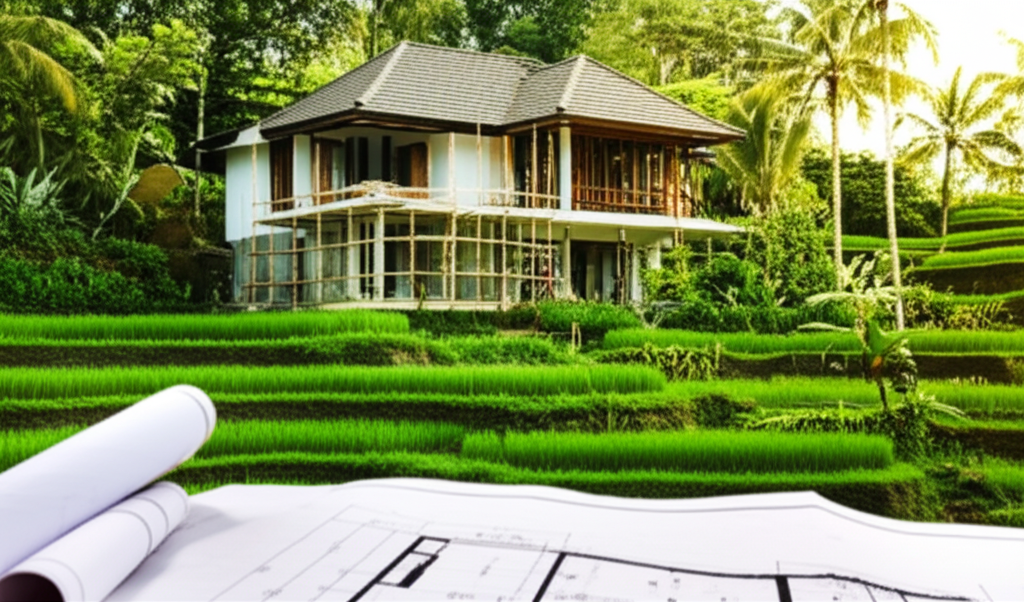
Quality control measures are strategically integrated across all critical phases of the construction lifecycle. It begins during initial planning and design, with rigorous reviews of architectural drawings and specifications for compliance with quality standards and regulatory requirements. In the material procurement stage, CQC verifies that all incoming materials meet stringent quality and certification specifications before use on site, preventing substandard components. Throughout the execution and construction phases, continuous site inspections monitor workmanship, techniques, and adherence to safety and quality protocols, from foundation construction to the intricate details of finishing. Finally, at the final handover, a comprehensive battery of tests and inspections confirms that the completed project aligns meticulously with all contractual obligations and is fully prepared for occupancy, ensuring client satisfaction and operational readiness. This meticulous approach is central to effective construction project management in Bali.
Bali’s Unique Construction Dynamics
Bali’s vibrant allure, a magnet for tourists and investors alike, has fueled an unprecedented construction boom, creating a unique set of challenges and opportunities for construction quality control in Bali. The island’s rapid, tourism-driven development necessitates a constant influx of new accommodations, luxury villas, and commercial ventures. This fast-paced environment often places immense pressure on project timelines and resources, demanding exceptionally rigorous quality oversight to prevent shortcuts and ensure that ambitious projects meet the highest standards. Maintaining quality amidst such high demand requires a keen understanding of both the architectural desires and the practicalities of island building.
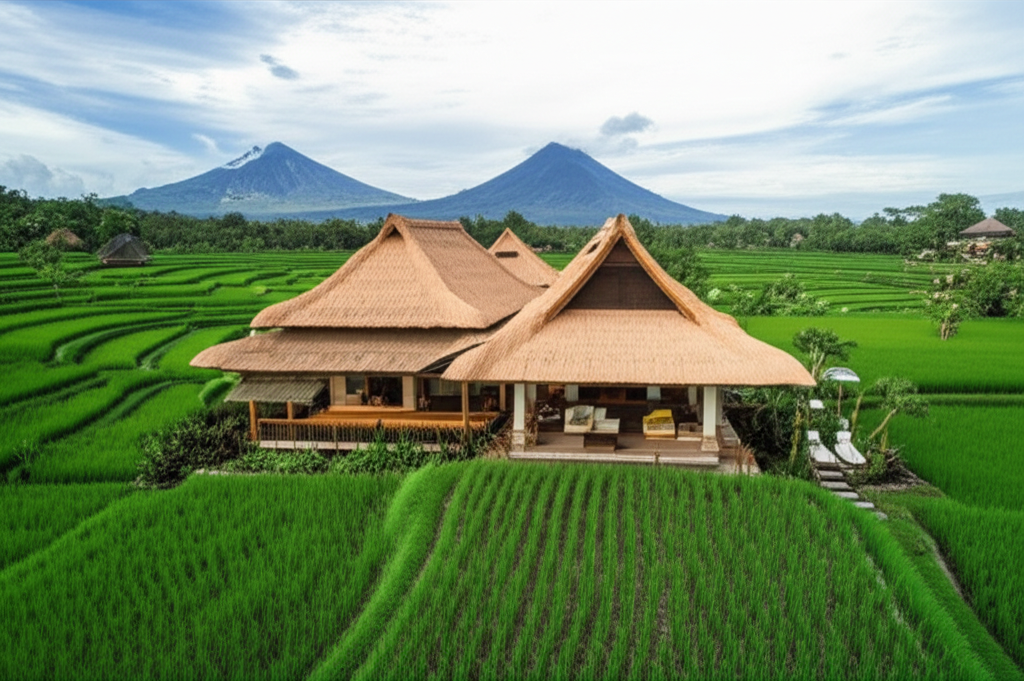
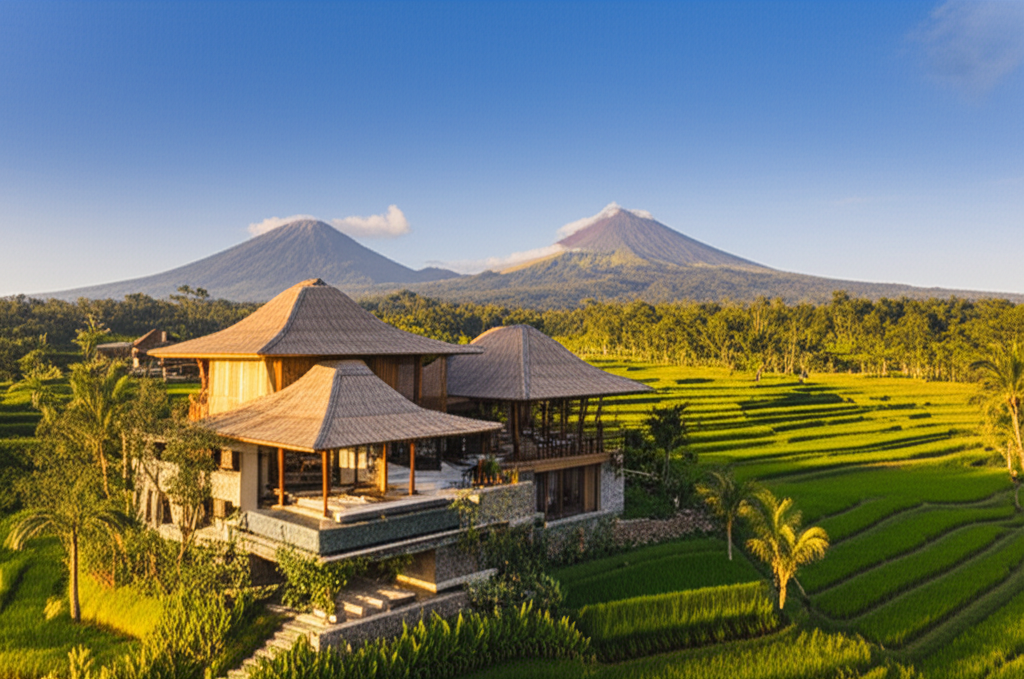
A defining characteristic of construction in Bali is the exquisite blend of traditional Balinese architectural styles with contemporary designs. Projects frequently incorporate elements like intricate wood carvings, natural stone, and open-air pavilions alongside modern structural systems and luxurious finishes. This fusion, while aesthetically stunning, presents particular complexities for quality control. Ensuring that traditional craftsmanship seamlessly integrates with modern construction techniques, without compromising structural integrity or longevity, is paramount. For example, the proper treatment and installation of local hardwoods, used for their beauty, must be meticulously checked to withstand the tropical climate, while contemporary concrete structures demand precise engineering and execution to support the entire edifice. The challenge lies in harmonizing these diverse elements while maintaining both aesthetic authenticity and robust build quality.
Furthermore, Bali’s tropical environment introduces significant considerations for material selection and construction methods. The relentless heat and high humidity accelerate material degradation, making choices like moisture-resistant finishes, treated timbers, and corrosion-proof metal components not merely preferences, but necessities. Heavy seasonal rainfall demands superior waterproofing strategies for roofs, foundations, and facades to prevent leaks and mold. Moreover, as an island located in an active seismic zone, earthquake-resistant design and construction techniques are critical. Quality control must therefore meticulously verify that all materials are suitable for the specific environmental stresses and that construction adheres to stringent structural guidelines to ensure the safety and durability of every build. The availability of local resources also plays a role; while traditional materials are abundant, their quality can vary, requiring stringent vetting and testing processes. This necessitates tailored construction cost management in Bali strategies that factor in both local and imported materials, ensuring their optimal performance in Bali’s unique conditions. These specific dynamics underscore why generic quality control frameworks are insufficient, and why a deeply localized, adaptive approach is essential for any successful construction project in Bali.
Pillars of Effective Quality Management in Bali Projects
Pillars of Effective Quality Management in Bali Projects
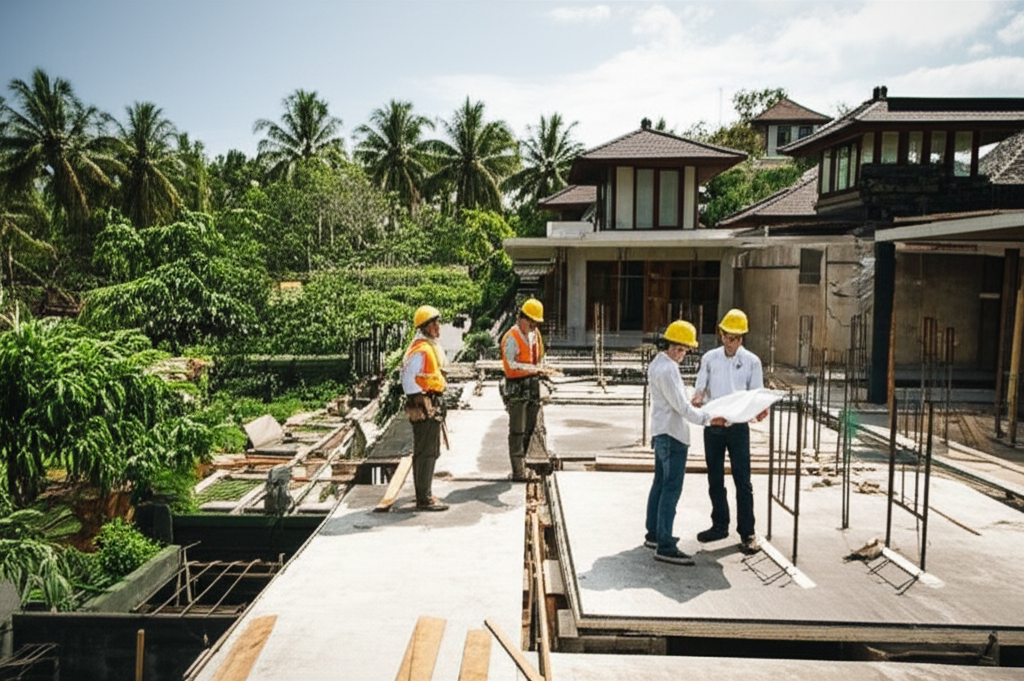
Effective Built to Perfection: Construction Quality Control in Bali fundamentally relies on robust project management and rigorous supervision. In Bali’s unique environment, leadership from skilled, experienced professionals is paramount. Heading a general construction contractor team in Bali, they understand local complexities and logistics. Their role extends beyond schedules and budgets; they are quality guardians, ensuring consistent site inspections, swift issue resolution, and project alignment with stringent quality objectives. Such diligent oversight, central to comprehensive construction and project management in Bali, is indispensable for high standards from inception to completion.
Adherence to rigorous standards forms another essential pillar. While local Indonesian building codes and Balinese regulations provide foundational safety benchmarks, exceptional construction quality control in Bali integrates international standards. Frameworks like ISO or ASTM guide projects, particularly those with intricate designs or specific certifications. These global standards offer comprehensive protocols for material specifications, testing, and construction methodologies, significantly elevating durability and performance. A reputable licensed contractor in Bali actively incorporates these diverse regulations into their quality assurance, ensuring compliance and superior outcomes.
Judicious material selection and exhaustive testing are indispensable for excellence. Given Bali’s unique environmental factors—humidity, tropical heat, seismic considerations—materials must be chosen for proven resilience. This demands a strategic balance: leveraging high-quality locally sourced materials (timbers, natural stones) alongside specialized imported resources (reinforced concrete, steel alloys). Every material undergoes thorough testing for structural integrity, moisture, pests, and long-term durability. Concrete mixes are designed and tested for compressive strength, vital for sound structural construction in Bali. Timber is carefully treated for moisture content to prevent degradation.
Finally, the foundation rests on a skilled labor force, fortified by continuous training and meticulous oversight. Craftsmanship, especially blending traditional Balinese aesthetics with modern functionality, demands a highly proficient workforce. Ongoing training ensures local artisans and construction personnel remain adept in time-honored techniques and contemporary building practices, including new technologies and evolving safety protocols. This commitment to skill enhancement, coupled with uninterrupted on-site supervision, guarantees all work is executed with precision. This dedication, akin to expert general builders in Bali, ensures every element contributes to the enduring quality and visual harmony of the completed project.
Overcoming Obstacles and Fostering Innovation
Overcoming obstacles and fostering innovation in Bali’s construction landscape is paramount to maintaining the high standards encapsulated by “Built to Perfection: Construction Quality Control in Bali”. Several common challenges frequently impede the seamless execution of projects, demanding innovative solutions and best practices to ensure excellence. Firstly, *supply chain logistics* present a significant hurdle. Bali’s island geography often means a reliance on imported materials, leading to extended lead times, increased costs, and potential for quality degradation during transit. Ensuring consistent quality from diverse sources, both local and international, requires rigorous, multi-stage inspection protocols that extend beyond basic receiving checks. Secondly, the *availability of specialized labor* is a critical concern. While local Balinese artisans are celebrated for their traditional skills, expertise in advanced construction techniques, particularly for complex and high-end developments, can be scarce. This often necessitates importing skilled professionals, which introduces complexities related to cultural integration, licensing, and knowledge transfer. For those looking for top-tier assistance, understanding how to get a contractor in Bali who can navigate these labor complexities is crucial for project success.
Thirdly, *regulatory complexities* can significantly impact quality control. Navigating Bali’s evolving landscape of local building codes, environmental regulations, and permitting processes requires deep local knowledge. Misinterpretations or administrative delays can lead to costly reworks and compromise project integrity if not managed meticulously. Finally, persistent *communication gaps* between various stakeholders—foreign investors, local contractors, architects, and numerous subcontractors—can lead to misunderstandings, errors, and inefficiencies, directly affecting both the timeline and overall quality of the build.
To effectively overcome these challenges, innovative solutions and best practices must be adopted. For supply chain resilience, implementing advanced digital platforms for real-time material tracking and quality verification from the point of origin to the construction site can mitigate risks. Developing stronger, transparent partnerships with reputable local suppliers, coupled with strategic material forecasting and limited stockpiling for critical items, can ensure continuity. Addressing specialized labor shortages requires proactive investment in vocational training programs, potentially through collaborations with international training bodies, to upskill local workers in niche trades. Fostering a continuous learning environment and mentorship programs also helps to elevate local craftsmanship and retain talent. Navigating regulatory complexities is best achieved through early and continuous engagement with experienced local legal and permit specialists, leveraging digital submission portals where available, and maintaining transparent, proactive communication with all relevant authorities. A thorough understanding of the PBG process for building in Bali is indispensable. To bridge communication gaps, establishing clear, multilingual communication protocols and deploying collaborative project management software can dramatically improve coordination. Employing project managers with proven cross-cultural communication skills and offering cultural sensitivity training to all team members is invaluable for fostering a cohesive working environment.
The adoption of modern technologies and methodologies further enhances quality control. Building Information Modeling (BIM) stands as a powerful tool, enabling comprehensive visualization, precise clash detection, and seamless coordination across all project phases, thereby minimizing errors before physical construction even commences. Advanced testing techniques, such as non-destructive testing for structural integrity, sophisticated material composition analysis, and drone-based inspections for progress monitoring and early fault detection, ensure that every component meets stringent quality benchmarks. This level of technological integration is essential for those aiming for luxury living expertly built.
Moreover, integrating sustainable building practices with quality objectives is critical, especially given Bali’s unique environmental context. This involves prioritizing locally sourced, eco-friendly materials not only to reduce the carbon footprint associated with transportation but also to ensure they are inherently suited to the tropical climate. Designing for optimal energy efficiency, integrating renewable energy sources, and implementing advanced water harvesting and waste management systems are not merely environmentally responsible but contribute significantly to the long-term durability, performance, and overall quality of a property. For example, selecting materials and construction methods that are resilient to Bali’s tropical weather patterns and seismic activity inherently ensures greater structural integrity and longevity. Thoughtful design that respects the island’s natural beauty and cultural heritage further elevates the overall quality of the built environment, creating structures that are both aesthetically pleasing and enduring. Consequently, prioritizing sustainable structures in Bali aligns perfectly with the goal of achieving built perfection.
Shaping the Future of Bali’s Built Environment
Shaping the Future of Bali’s Built Environment
Looking ahead, the trajectory of construction quality control in Bali is poised to define the island’s architectural landscape and global reputation. A steadfast commitment to excellence is not merely a goal for individual projects but a strategic imperative that will profoundly shape Bali’s development. This dedication ensures that every structure, from private villas to commercial complexes, adheres to the highest international standards, fostering a built environment that is both resilient and aesthetically congruent with Bali’s unique charm. The long-term benefits of robust quality control extend far beyond the immediate completion of a project. Properties built with meticulous attention to detail inevitably command increased market value, attracting discerning investors and residents who recognize the inherent worth of superior craftsmanship and enduring quality. This elevation in property standards contributes significantly to the island’s economic stability and growth.
Furthermore, stringent quality control measures are paramount for enhanced safety. By ensuring structural integrity, adherence to seismic standards, and proper installation of all systems, the risk of structural failures and operational hazards is drastically minimized. This commitment safeguards lives and investments, providing occupants with peace of mind and reinforcing Bali’s image as a reliable destination for development. Environmentally, robust quality control is intrinsically linked to greater sustainability. Beyond the foundational sustainable practices discussed previously, the future will see a deeper integration of formal green building certifications. Standards such as Green Building Council Indonesia (GBCI) Greenship, LEED, or WELL will become increasingly common, serving as verifiable benchmarks for eco-friendly construction. These certifications not only reduce the environmental footprint through efficient resource use, waste management, and renewable energy integration but also foster healthier indoor environments.
The potential for further integration of smart technologies is immense. Imagine IoT sensors embedded within structures providing real-time data on building performance, structural integrity, and energy consumption, allowing for predictive maintenance and proactive issue resolution. AI-driven analytics can optimize material usage, minimize waste, and even predict potential quality deviations before they occur. These advancements will streamline the construction process, improve efficiency, and elevate the overall standard of premier general construction in Bali. This evolution in quality control ensures that new developments not only meet but exceed expectations, contributing to the island’s sustainable future.
Ultimately, the Bali construction renaissance built to perfection contributes not only to the success of individual developments but also to the overall economic prosperity of Bali. High-quality infrastructure and properties attract premium tourism, stimulate local businesses, and create sustainable employment opportunities. Moreover, by upholding exacting standards, the island can protect its cultural heritage and pristine natural environment. Thoughtful, quality-driven construction ensures that new structures harmonize with Bali’s spiritual landscape and traditional aesthetics, preserving the very essence that makes the island a global treasure. This holistic approach ensures that Bali’s built environment continues to be a source of pride, reflecting a future where development and distinction go hand in hand, solidifying the island’s reputation as a destination where excellence is not just aspired to, but consistently delivered.
Conclusions
In conclusion, achieving construction quality control in Bali is a multifaceted endeavor that requires a deep understanding of local dynamics, a commitment to international standards, and continuous innovation. By prioritizing robust quality management from conception to completion, Bali can ensure its built environment mirrors its natural beauty and cultural richness. A steadfast focus on ‘built to perfection’ principles guarantees sustainable development and reinforces Bali’s reputation for excellence, safeguarding its future as a premier global destination.