Table of Contents
- The Foundations of Resilience Bali’s Unique Environmental Blueprint
- Weaving Tradition and Modernity Structural Approaches to Balinese Style
- Navigating the Regulatory Landscape and Best Practices in Bali
- The Indispensable Role of the Residential Structural Engineer in Bali
- Conclusions
Bali, the “Island of Gods,” is renowned for its breathtaking landscapes and unique cultural heritage, attracting those who dream of building exquisite homes. However, constructing residential properties in this tropical paradise comes with distinct challenges. This article delves into the critical role of residential structural engineering in Bali, ensuring that architectural elegance coexists harmoniously with paramount safety and resilience against the island’s dynamic environmental forces.
The Foundations of Resilience Bali’s Unique Environmental Blueprint
The Foundations of Resilience Bali’s Unique Environmental Blueprint
Bali, often envisioned as a paradise island, is simultaneously situated in one of the world’s most dynamic and volatile geological regions. Understanding this unique environmental blueprint is the absolute first step in ensuring the structural integrity and long-term safety of residential buildings across the island. Indonesia’s complex tectonics dictate that Bali lies within a critically active zone, primarily shaped by the relentless subduction of the *Indian Plate* beneath the *Sunda Plate*. This immense geological process is responsible for the formation of the volcanic arc that characterizes many Indonesian islands, including Sumatra, Java, and Bali itself, making it a hotspot for both seismic activity and powerful eruptions.
The consequences of this tectonic setting are profound for residential structural engineering Bali. The region experiences frequent earthquakes, a direct result of the stresses accumulated along these plate boundaries. Off the coasts of Java and Sumatra, the *Sunda Trench*, also known as the *Java Trench*, marks the precise location where the Indo-Australian plate dives beneath the Sunda plate. This megathrust fault segment is capable of generating colossal seismic events and, critically, triggering devastating tsunamis. Historical data, including the profound 2004 earthquake activity in the area, serves as a stark reminder of the potential for catastrophic shifting. Therefore, every residential structure in Bali must be designed with an inherent capacity for resilience, incorporating *robust structural designs* that can absorb and dissipate seismic forces, safeguarding inhabitants and property against the unpredictable power of nature. This necessitates advanced engineering principles that go beyond superficial aesthetics to embrace deep-seated structural stability, often requiring specialized foundation technologies for enduring properties to counteract ground movement.
Beyond the seismic threats, Bali’s alluring tropical climate presents its own set of challenges for construction. The island experiences significant heavy rainfall, particularly during the monsoon seasons, which can lead to rapid soil saturation and increased risk of erosion. This continuous moisture, combined with high humidity, creates an environment where traditional building materials can be susceptible to degradation, such as rot in timber, corrosion in metals, and the proliferation of mold. Such conditions demand careful material selection, favoring durable, weather-resistant options, and innovative construction techniques to ensure longevity. Effective drainage systems and appropriate waterproofing are not mere luxuries but essential components in preserving the structural integrity of a home against the pervasive effects of water. Furthermore, the potential for soil erosion necessitates meticulous site planning and foundation designs that consider the topography and soil composition to prevent instability. Integrating these environmental considerations from the initial design phase is paramount, ensuring that every home built on the Island of Gods is not only beautiful but also a testament to thoughtful engineering and enduring safety. This holistic approach to innovative construction in Bali is what truly builds dreams with integrity.
Weaving Tradition and Modernity Structural Approaches to Balinese Style
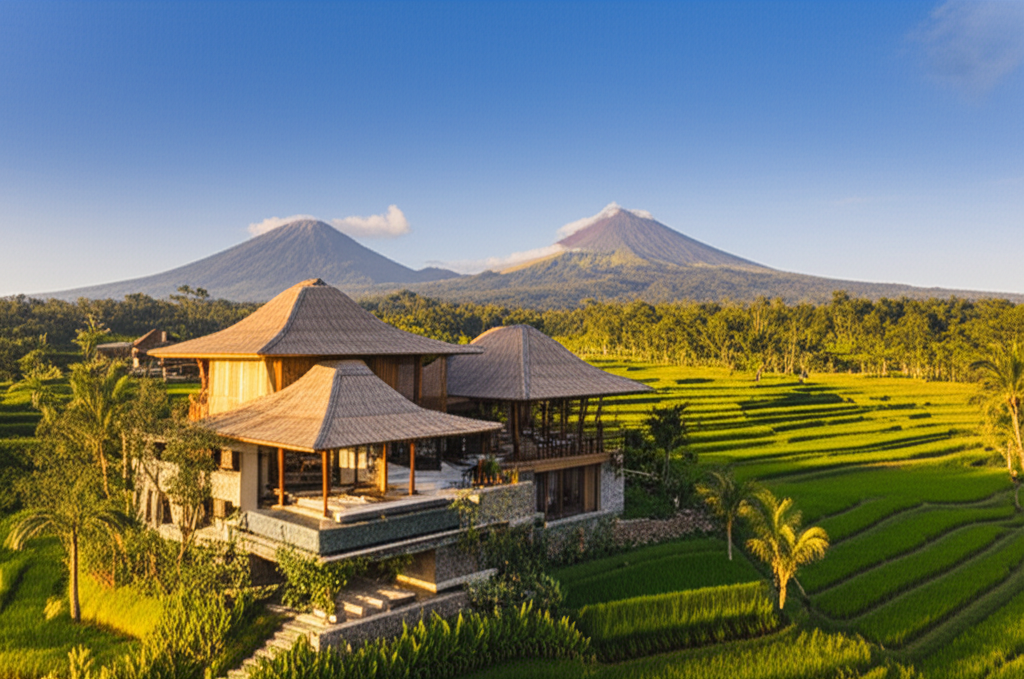
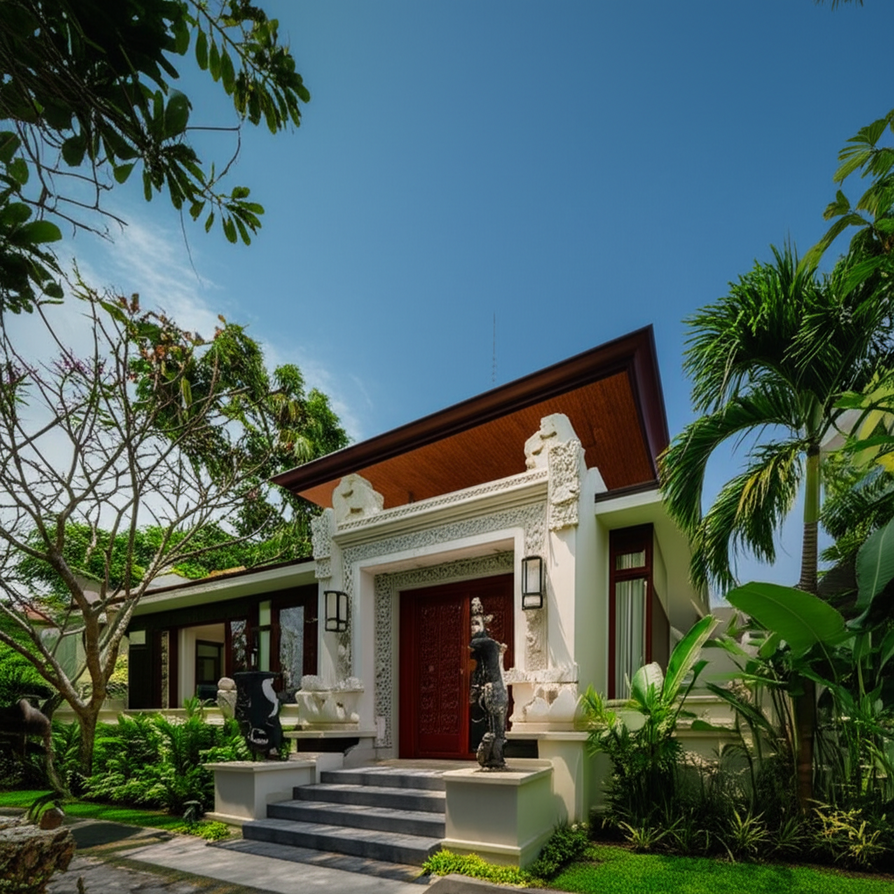
Balinese architecture is a profound expression of the island’s unique culture and spiritual harmony, deeply rooted in its philosophy of *Tri Hita Karana* – the balance between humans, nature, and the divine. This intrinsic connection manifests in design principles that favor open-plan living, natural ventilation, and the seamless integration of indoor and outdoor spaces, often incorporating lush gardens, water features, and expansive views. Traditional elements, such as intricately carved wooden panels, stone statues, and a reverence for natural materials like teak, paras stone, and alang-alang thatch, are not merely decorative but carry significant symbolic meaning. Structural engineers working in Bali face the fascinating challenge of honoring these rich aesthetic and spiritual traditions while simultaneously integrating the demands of modern architectural aspirations and stringent safety standards, particularly concerning seismic activity and tropical weather patterns previously discussed. This often leads to creative construction solutions.
The adaptation of traditional *rumah adat* principles, historically relying on robust post, beam, and lintel systems, for contemporary, multi-story residential buildings, requires ingenious structural approaches. While the visual language often maintains the essence of these traditional forms, the underlying structural framework often utilizes advanced reinforced concrete and steel to provide the necessary strength and flexibility. This allows for the creation of expansive, open spaces and dramatic cantilevers that maximize panoramic views – a highly sought-after feature in Bali’s luxury properties – without compromising the building’s overall structural integrity and resilience against Bali’s active seismic environment. Engineers are tasked with designing frameworks that can effectively transfer loads and withstand lateral forces, ensuring that the aesthetic lightness and openness of Balinese design are paired with unyielding modern building safety.
Innovative structural solutions frequently involve strategic placement of shear walls and moment-resisting frames, carefully concealed within the architectural design to preserve the traditional aesthetic. For instance, load-bearing elements might be clad in local stone or timber, blending seamlessly with the decor. The island’s unique regional regulation, limiting building height to 15 meters – a height inspired by the mature coconut trees that dot the landscape – profoundly influences both design and structural planning. This regulation, which aims to preserve Bali’s natural skyline and traditional village atmosphere, encourages designers to think horizontally or within a broader footprint, rather than vertically. This constraint necessitates creative multi-level layouts and careful distribution of mass, challenging engineers to optimize space and function while adhering strictly to both cultural and regulatory guidelines. Balancing these elements ensures that residential structural engineering in Bali continues to weave tradition and modernity, crafting homes that are not only beautiful and culturally resonant but also inherently safe and durable. Such meticulous island construction is crucial for building dreams on the Island of Gods.
Navigating the Regulatory Landscape and Best Practices in Bali
Navigating the Regulatory Landscape and Best Practices in Bali
Building a dream home in Bali demands deep understanding and strict adherence to the island’s unique regulatory landscape. The framework governing residential structural engineering in Bali is defined by Indonesian regional regulations, *Peraturan Daerah (Perda)*. These *Perdas* are enacted at provincial, regency, and city levels, creating a tiered system impacting all facets of residential construction. Provincial *Perdas* establish broad guidelines, while local *Perdas* detail specific requirements for zoning, land use, and building specifications. This localized approach ensures development respects the cultural, environmental, and aesthetic values of areas like Badung, Gianyar, or Denpasar.
A significant practical implication for residential projects is the widely recognized 15-meter height limit. This regulation, often based on the height of a coconut tree, preserves Bali’s natural skyline and prevents overdevelopment. While its design influence was previously discussed, its absolute regulatory enforcement is paramount here. Structural engineers must ingeniously design within this vertical constraint, ensuring functionality and aesthetic appeal while strictly complying, a factor profoundly shaping foundations and roof structures.
Beyond local *Perdas*, ensuring structural integrity and safety also demands adherence to robust international and national standards. Given Indonesia’s seismically active zone, compliance with rigorous seismic design codes is paramount. This includes factoring in potential earthquake forces and specifying materials and construction methodologies that can withstand such events. Bali’s tropical climate further necessitates material quality to combat humidity, heat, and pests. Selecting durable concrete, steel, and timber, with appropriate treatments, is fundamental for long-term structural resilience, directly contributing to construction quality control in Bali.
The process of legalizing a residential project involves obtaining necessary permits and approvals. The *Izin Mendirikan Bangunan (IMB)* has largely been replaced by the *Persetujuan Bangunan Gedung (PBG)*, or Building Approval, under the Omnibus Law. This streamlines the process but still requires comprehensive documentation, structural drawings, and certifications. Navigating the PBG process for building in Bali is complex and demands meticulous attention. Effective project management for builders in Bali is crucial for ensuring compliance. Compliance is not merely bureaucratic; it is the cornerstone of ensuring building safety and legality. Deviations can lead to severe penalties, including demolition, and critically, compromise occupant safety.
The ethical responsibilities of structural engineers in Bali are immense. They are tasked with technical design and acting as custodians of safety and sustainability. Upholding these standards means integrating sustainable building practices wherever feasible, from utilizing local, responsibly sourced materials to designing for energy efficiency and minimal environmental impact. This commitment ensures immediate safety, legality, and long-term resilience, contributing to harmonious island development. Engineers play a pivotal role in promoting sustainable building in Bali, ensuring each new home stands as a testament to integrity and innovation.
The Indispensable Role of the Residential Structural Engineer in Bali
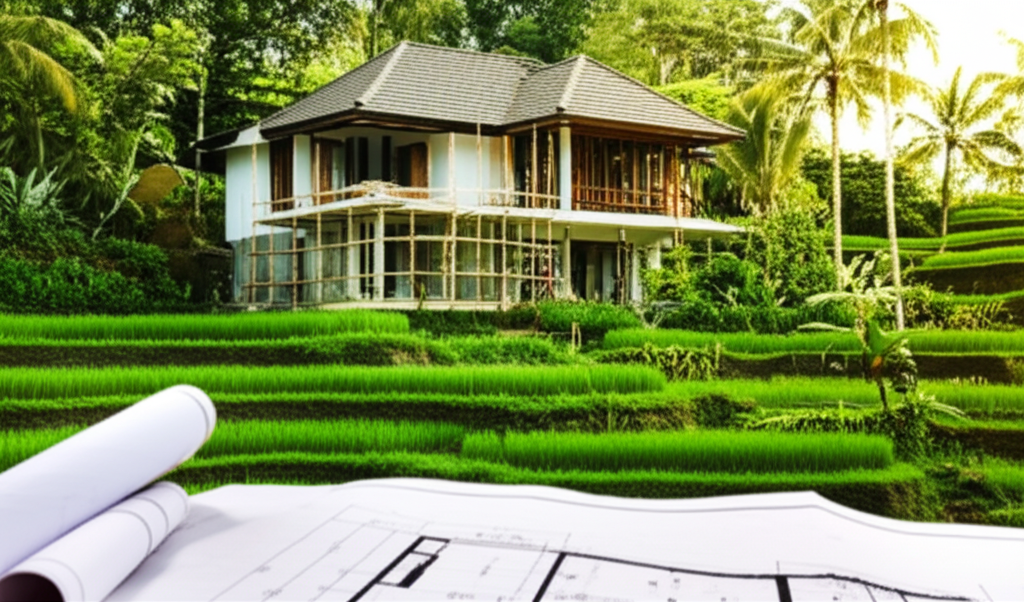
The indispensable role of a residential structural engineer in Bali begins long before the first shovel breaks ground. Their comprehensive scope of work ensures that every dream residence built on the Island of Gods stands resilient against the unique environmental challenges it faces. This foundational involvement starts with rigorous site assessments, delving deep into the geological characteristics of the land. Engineers meticulously analyze soil composition, bearing capacity, and the potential for ground movement, factors critical for a region prone to seismic activity. This crucial initial phase informs the entire foundation technologies for enduring properties, tailoring solutions to specific plot conditions, whether on volcanic soil, coastal sands, or terraced landscapes.
Following the site assessment, detailed structural analysis forms the bedrock of a safe and durable design. Utilizing advanced engineering software and principles, structural engineers perform complex load calculations, considering everything from the weight of the building itself (dead loads) to potential occupancy, furniture, and environmental forces like wind and seismic activity (live and environmental loads). This rigorous analysis dictates the design of critical components, including beams, columns, slabs, and roofs, ensuring they can withstand all anticipated stresses without compromise. The goal is to develop robust frameworks that guarantee not only the stability and longevity of the structure but, most importantly, the safety of its future occupants.
Material specification is another paramount responsibility, especially in Bali’s challenging tropical climate. Engineers carefully select and specify materials that are not only structurally sound but also inherently resistant to seismic forces, corrosive humidity, heavy rainfall, and prevalent pest infestations such as termites. This often involves reinforced concrete, treated timber, and corrosion-resistant steel, all chosen for their proven performance in such demanding conditions. The expertise of a premier engineering contractor in Bali is vital in making these informed decisions.
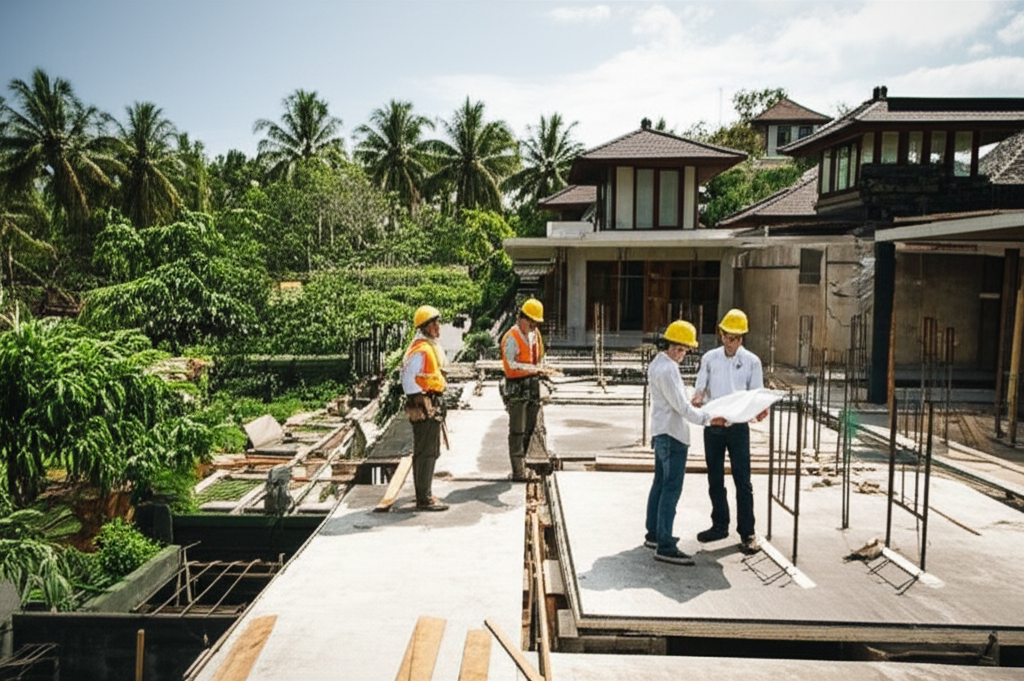
Collaboration is at the heart of translating architectural visions into structurally sound realities. Residential structural engineers work hand-in-hand with architects, translating their aesthetic designs and spatial concepts into constructible plans. This symbiotic relationship ensures that unique design requirements, such as expansive open-plan living areas or cantilevered elements, are achieved without compromising structural integrity. Furthermore, effective communication with construction and contractors in Bali is essential throughout the construction phase, providing oversight and ensuring that the build adheres strictly to engineered specifications. This seamless integration of design and engineering ensures that the property owners’ vision for their Bali residence is realized with uncompromising structural quality and enduring value.
Ultimately, the residential structural engineer’s diligent work mitigates potential risks associated with natural hazards and construction complexities, providing invaluable peace of mind for homeowners investing in their dream Bali residence. Their expertise is the unseen strength, the silent guardian that allows the architectural beauty and personal style of a home to flourish, knowing that it is built on a foundation of unyielding solid structure foundation in Bali.
Conclusions
In conclusion, residential structural engineering in Bali is a complex yet vital discipline that harmonizes aesthetic aspirations with rigorous safety standards. By understanding Bali’s unique geological challenges, embracing best practices, adhering to local regulations, and leveraging the expertise of skilled structural engineers, homeowners can realize their dream properties. The synergy of safety and style ensures that Bali’s residential structures are not only beautiful but also robust, enduring the test of time and nature on this enchanting island.