
Table of Contents
- Navigating the Legal Landscape and Initial Planning
- Harmonious Design and Architectural Excellence
- The Construction Journey From Foundation to Finishing Touches
- Beyond Construction Enjoying Your Bali Villa
- Conclusions
Embarking on the journey of villa construction in Bali is an exciting prospect, promising a luxurious retreat amidst tropical beauty. This comprehensive guide will walk you through every critical stage, from initial planning and legal navigation to design excellence and the intricate construction process. Discover how expert guidance can transform your vision into a stunning reality, ensuring your dream Bali villa is built to perfection from the ground up.
Navigating the Legal Landscape and Initial Planning
Navigating the Legal Landscape and Initial Planning
Embarking on the journey of villa construction in Bali is an exciting prospect, but it commences long before the first shovel breaks ground. The initial phase is predominantly administrative and legal, demanding meticulous attention to detail to ensure a smooth and compliant development. This crucial stage lays the bedrock for your entire project, safeguarding your investment and preventing future complications.
The cornerstone of any successful Bali villa project is thorough due diligence. This involves a comprehensive investigation into the prospective land and its legal standing. For foreigners, direct freehold ownership (Hak Milik) of land in Indonesia is generally not permitted. Therefore, understanding the viable land acquisition options is paramount. The most common and secure method for foreigners wishing to build a villa is through a leasehold agreement, known as Hak Sewa. This grants the right to use a property for a specified period, typically ranging from 25 to 30 years, with options for extensions, often stipulated in the initial contract. It is vital to clearly define these extension terms, including the renewal price calculation and process, to secure your long-term investment. Another option, Hak Pakai (Right to Use), grants individuals, including foreigners, the right to use and occupy state-owned land or land with Hak Milik for a specific period, generally up to 30 years and extendable. While Hak Pakai offers a form of direct control, leasehold remains the prevalent choice for most foreign villa developments due to its straightforward nature and common practice. Neglecting exhaustive due diligence on the chosen land can lead to significant financial and legal setbacks, making it an indispensable first step. More insights into ownership options can be found at Bali Property Investment Unveiled: Freehold vs. Leasehold for Foreigners.
Beyond ownership, understanding local zoning regulations is critical. Bali’s landscape is protected by stringent zoning laws designed to preserve its natural beauty and cultural integrity. Key zones include green belt zones (Zona Hijau), where construction is either prohibited or severely restricted to maintain agricultural land and water catchment areas. Building in such zones, even if inadvertently, can lead to costly demolition orders and legal disputes. Conversely, yellow zones (Zona Kuning) are typically designated for residential development, making them suitable for villa construction, while red zones often signify commercial areas. It’s imperative to verify the zoning status of your chosen plot before any commitment. Furthermore, regulations govern building density (Koefisien Dasar Bangunan – KDB), which defines the maximum percentage of land that can be covered by buildings, and building height restrictions, often influenced by local cultural sensitivities and the desire to preserve views. Setback rules from property lines, roads, and natural features like rivers are also strictly enforced. A deep dive into these regulations is available at Navigating the Red Tape: Your Comprehensive Guide to Bali Building Regulations.
Securing the necessary permits is the next major hurdle. Historically, the primary document was the IMB (Izin Mendirikan Bangunan), the building permit. However, this has been largely replaced by the PBG (Persetujuan Bangunan Gedung), or Building Approval, which streamlines the process and aligns with newer national regulations. The PBG ensures that your proposed construction adheres to architectural, structural, and safety standards. The application process involves submitting detailed architectural drawings, structural calculations, environmental impact assessments (such as UKL-UPL for larger projects or SPPL for smaller ones), and proof of land ownership or lease. Delays in obtaining your PBG can significantly impact your project timeline and budget, highlighting the importance of accurate submissions and diligent follow-up. For those planning to rent out their villa, obtaining a Pondok Wisata (tourism accommodation license) is also essential, often requiring a separate application process and compliance with specific tourism regulations. Further details on the permit process can be found at Building Dreams in Paradise: Your Guide to Permits in Bali and Navigating the PBG Process for Building in Bali: A Comprehensive Guide.
Given the complexities of Indonesian property law, engaging local legal counsel and reputable notaries is not merely recommended, but absolutely vital. A knowledgeable local lawyer can guide you through the intricacies of land acquisition, draft and review leasehold agreements, and represent your interests in any negotiations or disputes. Their expertise ensures that all contractual agreements are legally sound and protect your investment. The role of a notary public (Notaris PPAT) is equally crucial. As an authorized public official, the notary is responsible for authenticating land transactions and contracts, ensuring their legal validity and compliance with Indonesian law. They verify land titles, conduct searches to ensure the land is free from encumbrances, and oversee the signing of all legal documents, including the leasehold agreement and any power of attorney required. Their involvement provides an essential layer of security and transparency to the transaction.
Finally, be prepared for various taxes, fees, and administrative procedures. These can include:
* Land Acquisition Tax (BPHTB): A tax on the acquisition of land and building rights, payable by the buyer.
* Notary Fees: For their services in authenticating documents and verifying land titles.
* Permit Application Fees: Associated with submitting your PBG and other necessary licenses.
* Legal Consultation Fees: For the ongoing advice and representation from your legal counsel.
* Property Tax (PBB): An annual tax on land and buildings, payable once your villa is complete and registered.
* Income Tax: If you intend to generate rental income from your villa, you will be subject to Indonesian income tax regulations.
The overall administrative procedures can be time-consuming and require patience. It involves numerous bureaucratic steps, document submissions, and approvals from various local government departments. Understanding these potential costs and timelines upfront, and budgeting for them, is crucial for a realistic project plan. This meticulous initial planning, supported by expert local guidance, will pave the way for a successful villa construction Bali project, allowing you to move forward with confidence towards building your dream villa in paradise.
Harmonious Design and Architectural Excellence
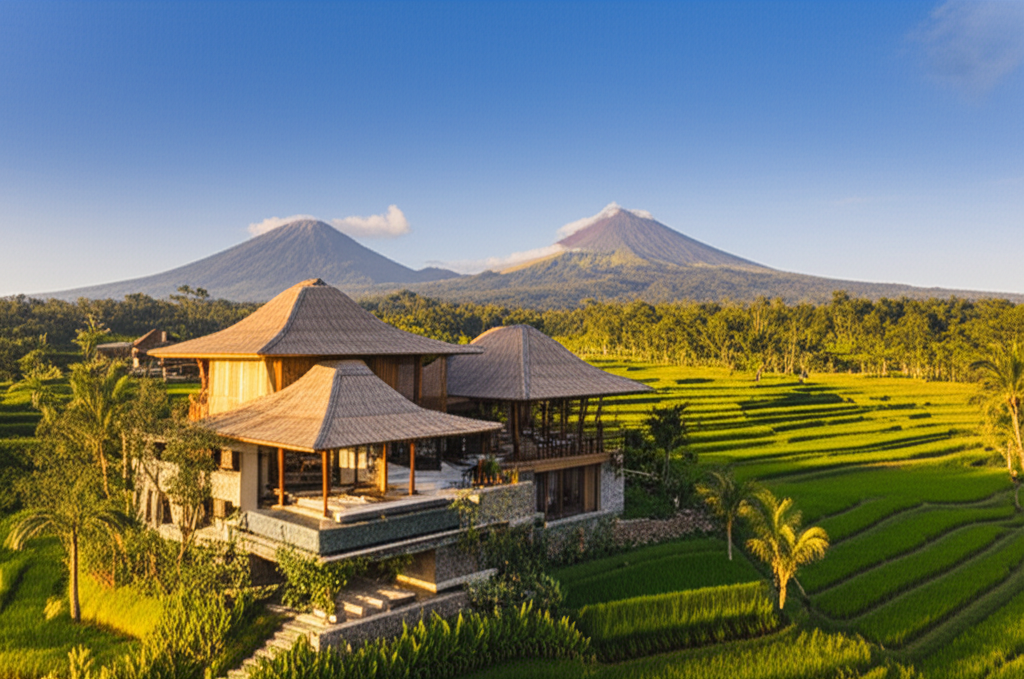
The journey to bringing your idyllic retreat to life in the Island of the Gods seamlessly transitions from the foundational legal planning to the vibrant canvas of design and architecture. As you envision your sanctuary, the principles of harmonious design become paramount, ensuring your Bali villa is not merely a structure but a living, breathing extension of its surroundings. Architectural excellence for villa construction Bali is deeply rooted in Balinese philosophy, offering a timeless framework that can be artfully interwoven with modern tropical aesthetics.
Central to Balinese design is the concept of Tri Hita Karana, advocating for harmony between humans, nature, and God. This profound philosophy guides the layout and spatial planning, encouraging a mindful connection with the spiritual realm, fostering comfortable living spaces for residents, and respectfully integrating the dwelling with the island’s lush environment. This translates into design choices that prioritize open-air living, expansive gardens, and strategic views that blur the lines between indoor comfort and outdoor splendor. Complementing this is Tri Mandala, a spatial division concept that structures areas into profane (Nista Mandala), semi-private (Madya Mandala), and sacred/private (Utama Mandala) zones. In a contemporary villa, this might mean a public entrance and guest areas forming the Nista Mandala, living and dining spaces as the Madya Mandala, and private bedrooms and personal sanctuaries comprising the Utama Mandala, ensuring a natural flow and a sense of increasing intimacy as one moves through the property. Furthermore, Sanga Mandala, which governs directional orientation, often aligns structures with spiritual significance and practical considerations such as the path of the sun and prevailing winds, optimizing natural light and ventilation. Integrating these traditional tenets with modern desires for sleek lines, expansive glass, and state-of-the-art amenities creates a truly unique and sustainable dwelling, a perfect blend of heritage and contemporary luxury.
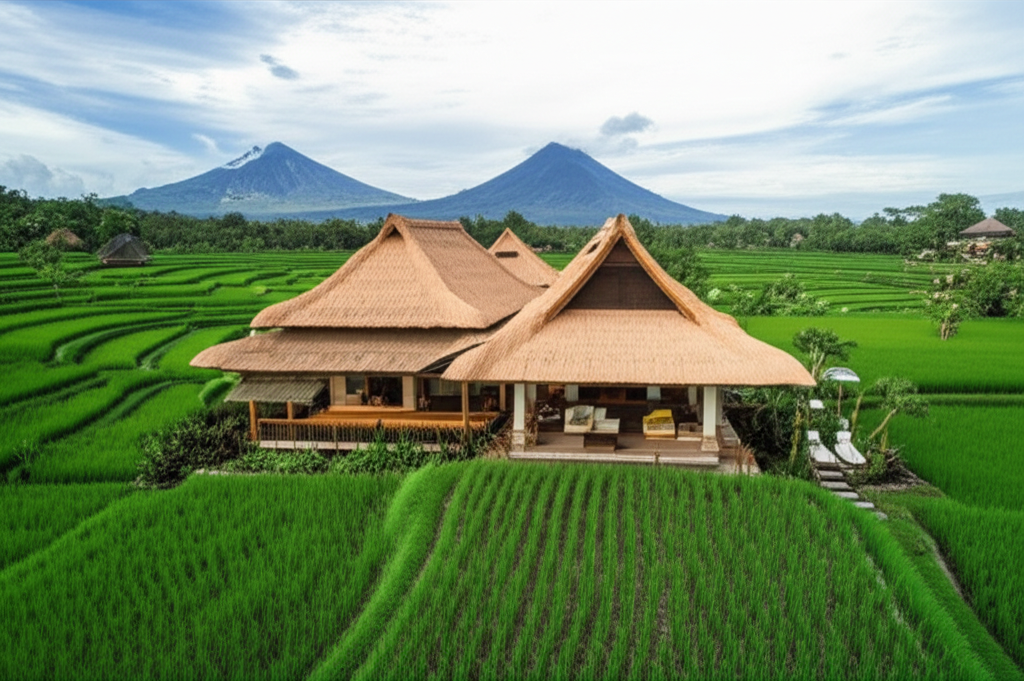
The choice of materials is not just aesthetic; it’s a commitment to sustainability and a celebration of local craftsmanship. The tropical climate and the island’s rich resources lend themselves to an array of natural materials that provide both structural integrity and organic beauty. Thatch roofing, for instance, offered by ijuk (black palm fibers) or woven coconut leaves, provides excellent insulation against the tropical heat and rain while imbuing the villa with an authentic Balinese charm. Bamboo, a remarkably fast-growing and strong material, can be creatively utilized for intricate structural elements, privacy screens, and decorative finishes. Coconut wood, with its distinctive grain and impressive durability, is often chosen for flooring, decking, and sturdy furniture, reflecting a commitment to natural elegance. For more refined touches, local teak wood remains a premier choice for doors, windows, and bespoke cabinetry, prized for its resistance to pests and weathering. Local brick, often left exposed, adds a rustic, earthy texture, while hand-carved sandstone is extensively used for elaborate ornamentation, facades, and retaining walls, connecting the architecture deeply with the island’s artistic heritage. These choices not only reduce the environmental footprint but also support local communities and artisans, enhancing the unique character of your Bali villa.
Climate-responsive design strategies are indispensable for creating a comfortable and energy-efficient living space in Bali’s equatorial climate. Natural ventilation is maximized through strategically placed openings, high ceilings, and open-plan layouts that allow air to flow freely, mitigating the need for excessive air conditioning. Deep roof overhangs, pergolas, and strategically planted mature trees provide essential shading, protecting interiors from direct sunlight and reducing heat gain. Large windows and open pavilions invite an abundance of natural light, diminishing reliance on artificial lighting during the day. However, this is carefully balanced with effective shading to prevent overheating. Integrating the villa seamlessly with Bali’s lush landscape goes beyond mere aesthetics; it involves thoughtful site planning that respects existing topography, preserves significant trees, and incorporates water features that aid in cooling. The result is a home that feels naturally cool, bright, and intimately connected to its tropical garden.
Ultimately, achieving this delicate balance of beauty, functionality, and cultural integrity requires the expertise of seasoned professionals. Working with experienced architects who possess a deep understanding of local conditions, Balinese design philosophy, and contemporary construction techniques is paramount. They will navigate the complexities of local building codes, recommend the most appropriate materials, and ensure the structural resilience of your villa construction Bali against seismic activity and heavy rains. Their ability to translate traditional concepts into a modern idiom, while managing the practicalities of sourcing and construction, is invaluable. A proficient architect, often working in tandem with a reliable general contractor, ensures that your vision for a luxurious and authentic Balinese home is not only realized but exceeds expectations, laying a solid foundation for the subsequent construction phases. Engaging the right partners from the design stage sets the stage for a successful and stunning architectural masterpiece.
The Construction Journey From Foundation to Finishing Touches
The Construction Journey From Foundation to Finishing Touches
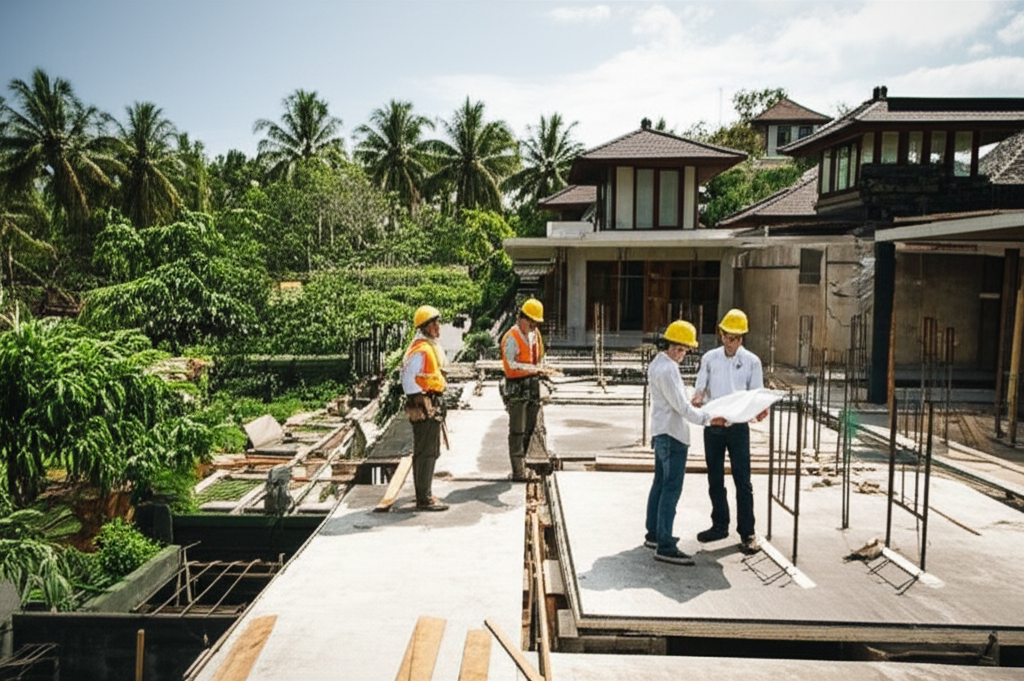
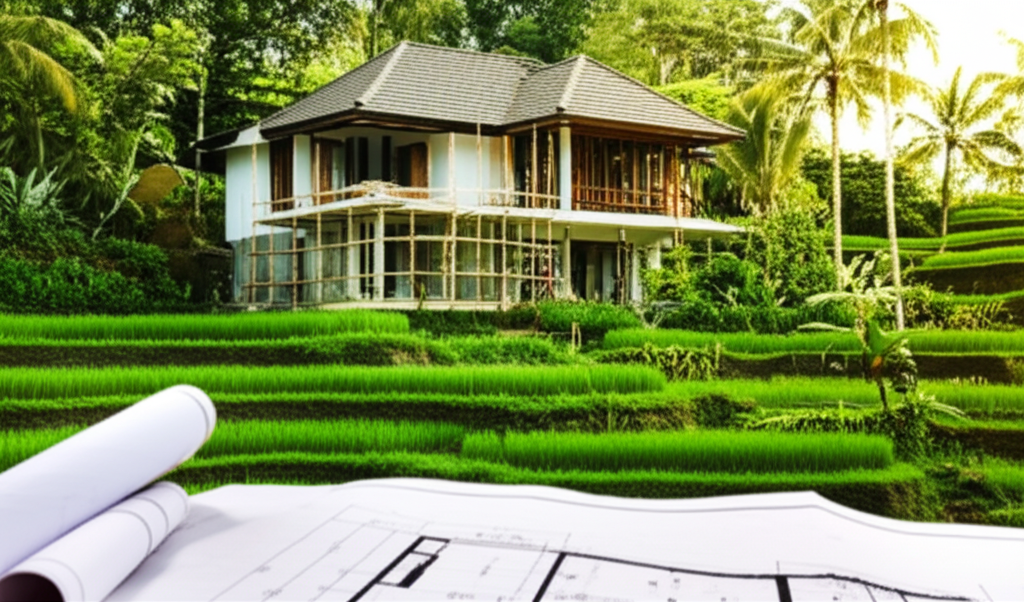
Once the visionary designs for your Bali villa are meticulously crafted and approved, the tangible journey of construction commences, transitioning from blueprints to a physical reality. This phase is a detailed progression, demanding precision, expertise, and a deep understanding of local conditions to ensure both the structural integrity and aesthetic quality of your Bali villa.
The initial step is comprehensive site preparation. This involves clearing the land of any existing vegetation or debris, followed by careful grading to create a level and stable building platform while ensuring proper drainage away from the future structure. Crucially, extensive soil testing is undertaken to assess the geological characteristics of the land. Bali’s diverse topography, ranging from volcanic highlands to sandy coastal areas and fertile lowlands, means soil conditions can vary dramatically. This testing determines the soil’s bearing capacity, composition, and the presence of any underlying issues like high water tables or unstable ground. The results directly inform the selection of the most appropriate foundation type, a critical decision that underpins the entire building. For stable ground, shallow foundations such as strip footings or raft foundations might suffice, distributing the building’s weight evenly. However, in areas with softer, more expansive soils or where greater stability is required, deep foundations like driven or bored piles are often necessary to transfer the structural load to stronger sub-strata, ensuring a solid structure foundation in Bali that can withstand the test of time and environmental factors.
Given Bali’s location in a seismically active region, structural engineering considerations, particularly earthquake resistance, are paramount. The construction process heavily relies on robust reinforced concrete (RC) frames, forming the skeleton of the villa. This involves meticulously designed columns, beams, and slabs that work in concert to create a ductile structure capable of absorbing and dissipating seismic energy. Specialized techniques, including proper rebar detailing, strategic placement of shear walls, and strong, ductile connections between structural elements, are employed to enhance the building’s resilience. Engaging a qualified structural engineer, well-versed in Indonesian building codes and seismic design standards, is non-negotiable for any structural construction in Bali. Their expertise ensures the villa is not only beautiful but also inherently safe and durable.
Following the foundation and structural framework, the building shell begins to take shape. This sequential stage includes the erection of the building’s walls, commonly using local red bricks or lightweight AAC blocks, carefully laid to exacting standards for straightness and plumb. Once the walls are up, roofing installation proceeds. While the previous design phase focused on the aesthetic and material choice (such as natural thatch, ceramic tiles, or timber shingles), this stage focuses on the structural framing (often timber or steel trusses) and the precise application of the chosen roofing material, ensuring watertightness and proper insulation. For flat roof designs, robust waterproofing layers are meticulously applied. Adequate ventilation within the roof space is also crucial for managing heat in Bali’s tropical climate, contributing to the villa’s overall comfort and energy efficiency.
Concurrently with the building shell, the meticulous planning and execution of Mechanical, Electrical, and Plumbing (MEP) systems are undertaken. This involves the intricate installation of all necessary conduits, piping, and wiring within the walls and ceilings before they are sealed with finishes. The electrical system requires careful circuit planning for lighting, power outlets, and air conditioning units, adhering strictly to safety regulations. Plumbing encompasses the routing of fresh water supply, drainage, and waste systems, typically connecting to a private well or municipal supply and a septic tank or small-scale wastewater treatment system. Mechanical systems predominantly involve air conditioning and ventilation, often utilizing strategically placed split units for efficient cooling. The coordinated effort and expertise of an expert MEP engineering in Bali team are vital to ensure these hidden networks function flawlessly and are accessible for future maintenance without compromising the villa’s design.
As the underlying infrastructure is completed, the focus shifts to the interior and exterior finishes, bringing the villa’s aesthetic vision to life. This stage involves the application of flooring (natural stone, polished concrete, high-quality timber, or local ceramics), plastering and painting of walls, and the installation of custom joinery like built-in wardrobes and kitchen cabinetry. Externally, this includes exterior wall cladding (perhaps local sandstone or decorative timber panels), the finishing of pool surfaces with appropriate tiling, and the preparation of hardscaping elements such as pathways and patios. This is where opportunities abound to incorporate local craftsmanship; skilled Balinese artisans can imbue the villa with unique hand-carved details, stone sculptures, or intricate timber work, adding an authentic, luxurious touch that is synonymous with Balinese elegance.
Throughout these stages, rigorous construction quality control in Bali measures are continuously implemented. This involves regular inspections by supervisors and engineers to verify that materials meet specified standards, construction techniques adhere to best practices, and all work aligns with the approved architectural and engineering drawings. Proper curing of concrete, accurate measurements, and diligent waste management are all part of maintaining high quality. Efficient project management strategies are also critical, overseeing schedules, budgets, and resource allocation. A detailed professional construction project management in Bali approach ensures adherence to timelines, mitigating potential delays and cost overruns. The success of the entire endeavor hinges on the selection of reliable, experienced local contractors. These professionals possess invaluable knowledge of local building practices, material sourcing, labor dynamics, and regulatory requirements. Their expertise is essential not only for executing the build with precision but also for navigating any unforeseen challenges, ultimately ensuring the structural integrity, durability, and exquisite aesthetic quality of your dream premier general contractor in Bali.
Beyond Construction Enjoying Your Bali Villa
With the meticulous work of expert construction teams concluding the structural and finishing touches, your Bali villa transitions from a construction project into a tangible dream. This pivotal phase focuses on the successful culmination of the build and setting the stage for years of enjoyment. The journey begins with the *final inspections*, a critical step where you, often accompanied by your project manager or an independent inspector, conduct a thorough walkthrough. This isn’t just a casual stroll; it’s a systematic verification that every detail matches the agreed-upon blueprints and specifications. A “punch list” is meticulously compiled, documenting any outstanding items, minor defects, or finishes that require rectification. This list serves as a contractual agreement for your contractor in Bali to address before the final handover. Concurrently, all necessary permits, especially the occupancy permit (often a completion report for the *PBG* in Bali), must be secured from local authorities, confirming that your villa is safe, compliant, and ready for habitation. Only after all punch list items are resolved and legal documentation is in order does the *formal handover* occur, typically involving the exchange of keys, a comprehensive set of “as-built” drawings, warranties for installed equipment, and operational manuals for all systems.
Beyond the initial thrill of ownership, maintaining your Bali villa in its tropical environment is key to preserving its beauty and value. *Ongoing property maintenance* is a proactive strategy against the elements. *Pest control* is paramount; Bali’s climate is conducive to termites, mosquitos, and various insects. Regular, scheduled treatments, ideally from a reputable local service, are essential to protect your investment, especially timber elements. For the abundant wood used in Balinese architecture, *wood treatment* is non-negotiable. Regular oiling, varnishing, or sealing protects against humidity, UV damage, and fungal growth, ensuring the longevity and aesthetic appeal of your wooden structures and furnishings. *Pool care* requires daily attention, including skimming debris, checking water levels, and weekly chemical balancing to prevent algae and maintain hygiene. A reliable pool technician is an invaluable asset. *Roof upkeep* is also crucial; regular inspections for loose tiles, debris accumulation in gutters, and potential leaks, particularly after heavy rains, can prevent significant structural damage.
The aesthetic appeal of your villa extends beyond its walls into its surroundings. *Landscaping and garden design* play a significant role in creating your personal paradise. Incorporating indigenous Balinese flora like frangipani, bougainvillea, and various palm species not only thrives in the local climate but also enhances the authentic island ambiance. Many owners choose to integrate traditional Balinese garden elements such as tranquil water features, intricately carved stone statues, elegant *bale* (open-sided pavilions), and winding pathways, creating a seamless blend with the natural environment. Proper drainage systems and efficient irrigation are vital for the health of your garden and the protection of your property from water damage. Engaging a local landscape architect can transform your outdoor spaces into a vibrant oasis.
Inside, *interior decoration and furnishing* offer the opportunity to personalize your sanctuary. Many embrace a design philosophy that harmonizes traditional Balinese aesthetics with modern comforts. Sourcing local furniture crafted from teak or rattan, exquisite Balinese artwork, and textiles woven with vibrant patterns can infuse your villa with a unique sense of place. The choice of materials should also consider the tropical climate, favoring durable, breathable, and easy-to-maintain options. The goal is to create living spaces that are not only stylish and inviting but also supremely comfortable and functional for island living. You might consider collaborating with an integrated contractor and interior designer to ensure a cohesive vision from concept to final furnishing.
For owners who do not reside in Bali full-time, robust *property management solutions* are indispensable to safeguard your investment and maximize its potential. A professional property management company can handle everything from routine upkeep and emergency repairs to bill payments and staff supervision (gardeners, housekeepers, pool technicians). Many companies also offer comprehensive *rental management services*, marketing your villa, managing bookings, handling guest relations, and ensuring immaculate presentation for each arrival. This allows owners to generate rental income while enjoying peace of mind that their property is well-maintained and secure. By entrusting your villa to experienced professionals, you ensure its long-term value, maintain its pristine condition, and truly enjoy your investment in high-end residential construction in Bali without the daily operational concerns. This comprehensive approach to post-construction care ensures that your Bali villa remains a source of joy and a valuable asset for years to come.
Conclusions
Successfully navigating the complexities of villa construction in Bali requires careful planning, adherence to local regulations, and the invaluable support of experienced local professionals. By understanding each phase, from securing land to the final touches, you can ensure a smooth and rewarding building experience. Your meticulously constructed Bali villa will not only be a testament to architectural beauty but also a serene sanctuary tailored to your desires, ready for you to enjoy for years to come.