
Table of Contents
- Envisioning Your Dream Bali Villa Design and Philosophy
- Navigating Site Selection and Legalities for Your Bali Villa
- Balinese Architectural Elements and Material Selection
- The Expert Construction Process and Project Management in Bali
- Integrating Sustainable Practices and Modern Amenities
- Finishing Touches Landscaping and Interior Design for Your Bali Villa
- Conclusions
Embark on the journey of a lifetime to create your bespoke sanctuary amidst the enchanting landscapes of Indonesia. This guide provides an in-depth exploration of villa construction in Bali, offering expert insights from the initial spark of an idea to the final breathtaking reveal. Discover how to seamlessly blend traditional Balinese aesthetics with modern luxury, ensuring your dream villa is not just built, but crafted with precision and passion.
Envisioning Your Dream Bali Villa Design and Philosophy
Envisioning your dream Bali villa begins long before any ground is broken; it starts with a deep dive into your personal vision, meticulously shaped by the island’s profound architectural philosophies. This initial conceptualization phase is paramount for any villa construction Bali project, acting as the blueprint for your future sanctuary. Defining your vision means articulating your desired lifestyle, aesthetic preferences, and how you imagine interacting with every space. Will it be a tranquil retreat for meditation, a vibrant hub for entertaining, or a private family haven? These questions form the bedrock of a design that truly reflects your aspirations.
Crucially, this vision must integrate with Bali’s timeless building wisdom, particularly the principle of Tri Hita Karana. This philosophy emphasizes harmony between humans, nature, and the divine. Architecturally, this translates into designs that seamlessly blend indoor and outdoor living, allowing natural light and cross-ventilation to permeate every corner. Think of lush gardens that extend living areas, open-air pavilions, natural materials like local stone and wood, and strategically placed water features to evoke a sense of calm and connection to the environment. The divine aspect is often honored through the thoughtful orientation of the villa, respecting sacred mountains and oceans, and incorporating elements that foster spiritual well-being.
Complementing Tri Hita Karana is Tri Mandala, a spatial zoning concept that divides a property into three distinct areas: Nista Mandala (outer, less sacred), Madya Mandala (middle, semi-private), and Utama Mandala (inner, most sacred or private). Applying this principle influences the overall layout of your villa, dictating the strategic placement of service areas, guest accommodations, and private living quarters. For instance, the main entrance and car park might be in the Nista Mandala, while the main living pavilion and master suites reside within the Utama Mandala, ensuring privacy and a sense of sanctity. This careful zoning ensures a natural flow and separation of functions, contributing to a harmonious and intuitive living experience within your Bali villa construction.
These foundational philosophies significantly influence critical design decisions. From the macro level of overall layout to the micro-integration of natural elements, every choice is a reflection of this cultural wisdom. The positioning of windows and doors to maximize natural light and airflow, the selection of indigenous materials that blend with the surroundings, and the strategic incorporation of landscaping are all guided by these principles. An emphasis on indoor-outdoor transitions, such as expansive sliding doors or open-plan living areas that spill onto terraces and pools, creates a dynamic connection with Bali’s tropical beauty. This holistic approach ensures that your villa doesn’t merely sit on the land but becomes an organic extension of its environment.
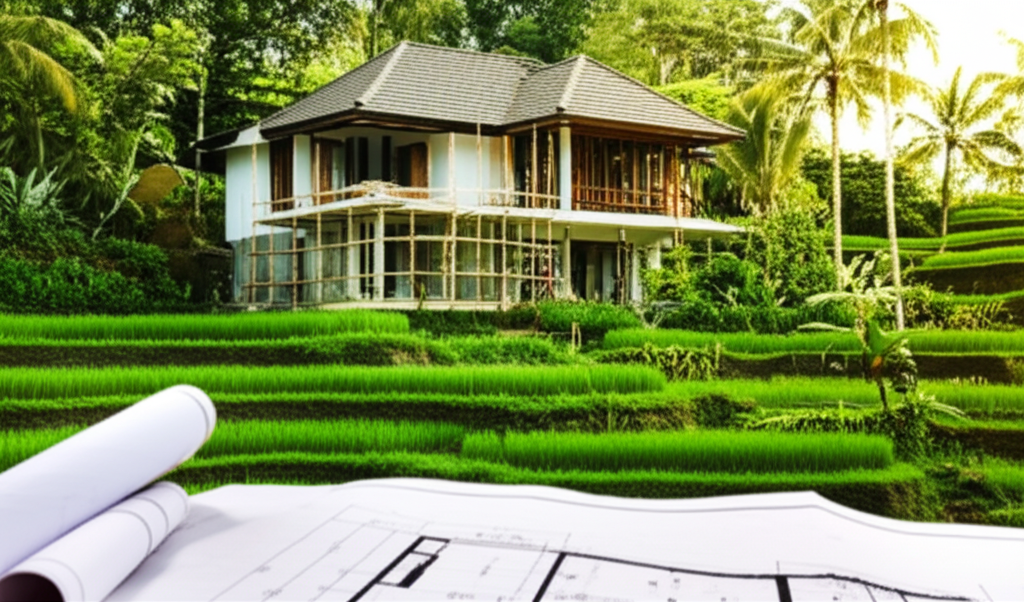
Early architectural consultations are indispensable in translating these abstract dreams into feasible blueprints. Expert architects specializing in Balinese design possess the invaluable skill of blending your personal desires with local wisdom and practical construction realities. They consider your desired lifestyle, ensuring privacy where needed, and crafting aesthetics that resonate with your vision. These consultations are where desired amenities, specific design preferences, and the practicalities of a luxurious yet functional space are meticulously planned. This foundational stage is not just about drawing lines on paper; it sets the entire tone for your villa construction Bali journey, providing a clear roadmap for the general contractor and ensuring that the final structure is a harmonious living space, built with integrity and beauty. This crucial phase lays the groundwork for a successful and fulfilling building experience, creating a home that is both personal and profoundly Balinese.
Navigating Site Selection and Legalities for Your Bali Villa
Navigating Site Selection and Legalities for Your Bali Villa
Once the foundational vision for your Balinese sanctuary has been meticulously crafted, the subsequent, equally critical step in your villa construction in Bali journey is the strategic selection of the ideal site and the thorough navigation of the island’s legal landscape. This phase determines the practical realization of your architectural dreams, blending your personal aspirations with the inherent characteristics of the land and the regulatory framework.
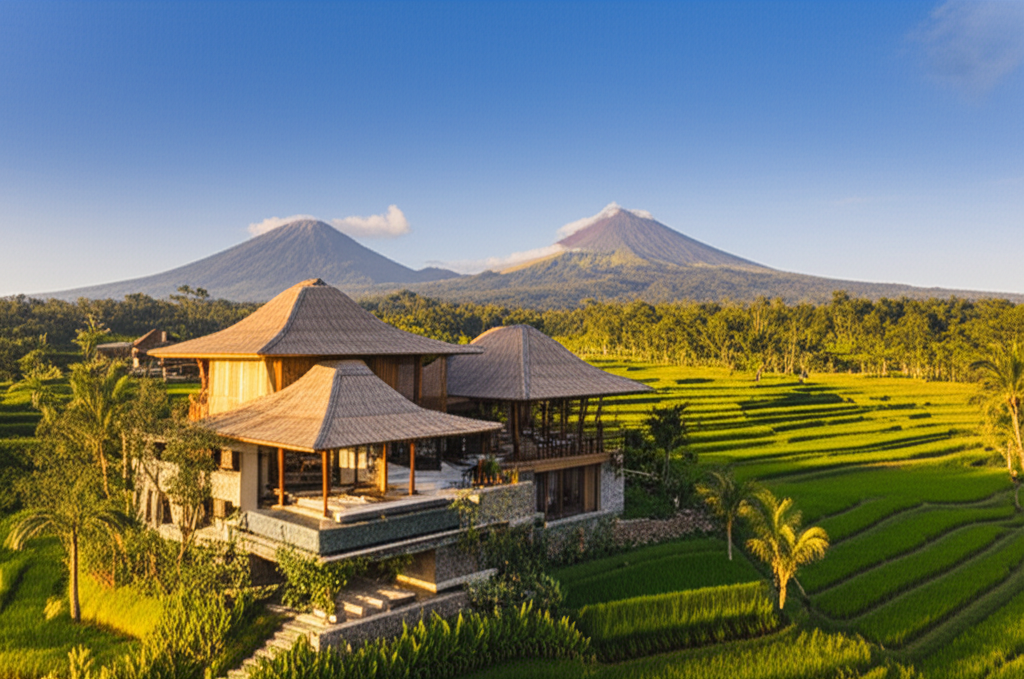
Choosing the perfect parcel for your Bali villa awaits requires a keen eye for several crucial factors. Topography plays a pivotal role, influencing everything from construction costs and techniques to natural drainage and the potential for multi-level designs that maximize views. A gently sloping plot might offer stunning vistas while allowing for creative terracing, whereas a flat expanse could simplify building but might require more thought for water runoff. The views themselves – whether of verdant rice paddies, the glistening ocean, or majestic volcanoes – are often a primary driver for location choice, profoundly impacting the villa’s ambiance and market value. Accessibility is another paramount consideration; a plot that is difficult to reach will incur higher transportation costs for materials and labor, and could deter potential renters or buyers. Proximity to amenities, such as vibrant cultural hubs, tranquil beaches, essential medical facilities, and bustling markets, adds convenience and appeal, enhancing both lifestyle and investment potential.
Environmental considerations are not merely aesthetic but practical for villa construction Bali. Understanding sun exposure patterns is vital for optimizing natural light, minimizing heat gain in living spaces, and strategically placing pools and outdoor areas. Similarly, prevailing wind patterns can be harnessed for natural ventilation, reducing reliance on air conditioning, or mitigated to protect against strong gusts. Soil stability and potential for erosion, especially on sloped sites, are crucial engineering considerations that impact foundation design and overall structural integrity. Thorough environmental assessments ensure your villa harmonizes with, rather than disrupts, the delicate Balinese ecosystem. For deeper insights into optimizing your development, consider learning about building on Bali’s designated land zones.
The legal framework surrounding property acquisition and construction permits in Bali demands meticulous attention, particularly for foreign investors. While direct freehold ownership (Hak Milik) is generally reserved for Indonesian citizens, foreigners can acquire land through various long-term leasehold agreements (Hak Sewa or Hak Guna Bangunan – HGB) or by establishing a foreign-owned company (PT PMA) to hold Hak Pakai or HGB titles. Understanding the nuances of these options is critical, and a detailed exploration can be found in our guide on freehold vs. leasehold for foreigners. The most significant permit for construction is the Persetujuan Bangunan Gedung (PBG), which has largely replaced the older Izin Mendirikan Bangunan (IMB). Obtaining a PBG involves a comprehensive process that includes submitting detailed architectural and structural plans, environmental impact assessments (UKL-UPL or AMDAL, depending on scale), and proof of land ownership.
The steps for securing your PBG typically involve:
- Engaging a qualified architect and structural engineer to prepare compliant drawings and calculations.
- Ensuring your land certificate is current and free of disputes.
- Submitting all required documents through the Online Single Submission (OSS) system.
- Undergoing technical review by local authorities.
- Receiving the issued PBG, which is essential before any physical construction can commence.
Beyond the PBG, other relevant licenses may be necessary, such as business permits if the villa is intended for commercial rental (e.g., Pondok Wisata license). The importance of due diligence cannot be overstated. This includes thorough land surveys to confirm boundaries, checking the land’s zoning with the local spatial planning agency (Rencana Tata Ruang Wilayah – RTRW) to ensure it aligns with your construction plans, and investigating for any potential encumbrances or existing disputes. To safeguard against challenges and ensure a smooth, compliant villa construction Bali process, engaging local legal experts and reputable notaries (PPAT) is not just advisable, but absolutely essential. They can navigate the complexities of local regulations, verify land titles with the National Land Agency (BPN), and ensure all documentation is correctly processed. For a deeper dive into the permit process, refer to navigating the PBG process for building in Bali, and for a general overview of permits, consult your guide to permits in Bali. Partnering with an experienced local general contractor in Bali who understands these legalities is paramount.
Balinese Architectural Elements and Material Selection
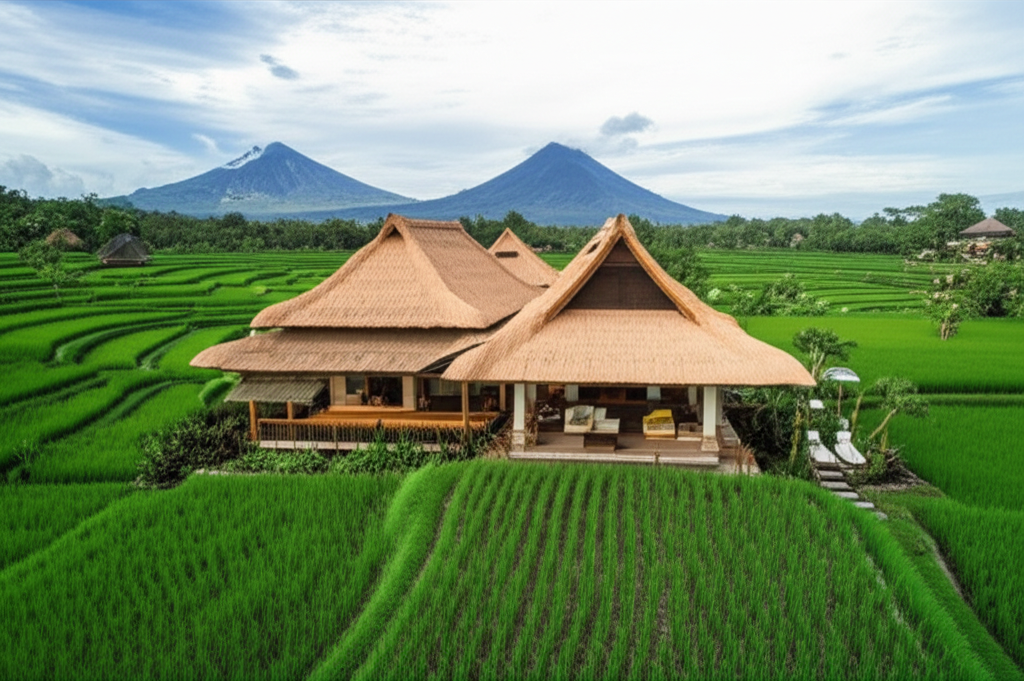
Balinese architectural elements are deeply rooted in Hindu philosophy and a profound respect for nature. This translates into designs that are open, harmonious, and blend seamlessly with the lush tropical surroundings. Key elements often include open-plan living areas, natural ventilation, indoor-outdoor connectivity, and intricately carved wooden or stone details. The concept of *Tri Hita Karana*—harmony among people, with nature, and with God—is subtly woven into the design, creating spaces that foster peace and well-being. For a luxurious modern villa, these traditional elements are not lost but rather refined and elevated. For instance, the traditional *wantilan* (open pavilion) can be reimagined as expansive, covered outdoor living spaces, perfect for entertaining or relaxation, while maintaining the characteristic high ceilings and natural airflow. Water features, inspired by temple courtyards, become elegant swimming pools or serene ponds, enhancing the tranquil ambiance that your Bali villa awaits.
Material selection is paramount in capturing this authentic Balinese essence and ensuring durability in the tropical climate. Local timbers such as rich teak and versatile coconut wood are staples. Teak, renowned for its strength, weather resistance, and beautiful grain, is ideal for structural elements, decking, and intricate carvings. Coconut wood offers an eco-friendly alternative with unique patterns, often used for flooring, wall panels, and furniture. Natural stones play an equally significant role. Andesite, a dark volcanic stone, is commonly used for sturdy foundations, pathways, and wall cladding, providing a robust and earthy feel. Sandstone, with its warmer tones and softer texture, is often employed for decorative features, ornate carvings, and feature walls, adding a touch of elegance. Bamboo, a sustainable and rapidly renewable resource, finds its place in ceiling treatments, pergolas, and decorative screens, lending a light and organic touch.
Roofing options are also carefully considered. Traditional alang-alang thatch, made from dried grass, offers excellent insulation, a rustic aesthetic, and naturally blends with the environment, creating a distinctively Balinese silhouette. However, for a more modern or low-maintenance approach, sirap wood shingles, typically made from ironwood (ulin), provide a durable and beautiful alternative, weathering to a charming silver-grey. These choices are not merely aesthetic; they are functional. The natural properties of these materials help regulate indoor temperatures, resist humidity, and withstand the elements, contributing significantly to the villa’s character and its seamless integration with the surrounding tropical environment. Understanding optimal roofing solutions for Bali’s tropical climate is a key consideration.
The true magic in building a Bali villa lies in the unparalleled skill of Balinese artisans. Their craftsmanship is legendary, passed down through generations. From the intricate wood carvings that adorn doors, panels, and furniture, to the precise stonework on facades, statues, and water features, these artisans transform raw materials into works of art. Engaging these local experts ensures that your villa is not just a building, but a unique masterpiece imbued with cultural significance and meticulous detail. Their ability to translate traditional motifs into contemporary designs, whether it’s a carved panel inspired by local mythology or a custom-designed stone relief, adds an irreplaceable layer of authenticity and luxury. It is this dedication to craftsmanship and the thoughtful selection of materials that ensures the construction of a truly unique and enduring property, making your Bali villa awaits a testament to both modern luxury and timeless tradition. Working with a reputable general contractor in Bali who understands and values this local expertise is crucial for achieving this level of bespoke quality. For deeper insights into the building process, explore our Bali building insights blog. This meticulous attention to design and material ensures that your investment not only stands the test of time but also embodies the spirit of its extraordinary location.
The Expert Construction Process and Project Management in Bali
With the aesthetic vision and material palette firmly established, the journey shifts from conceptualization to the meticulous execution of your dream villa construction Bali. This phase is characterized by a structured, step-by-step process underpinned by rigorous project management to ensure every detail aligns with the architectural design and international quality standards. The initial groundwork involves detailed earthworks, which include site preparation, excavation, and leveling. This crucial stage sets the foundation for everything that follows, demanding precision to achieve the correct contours and drainage. Following this, the laying of the foundation begins, a critical structural element that dictates the longevity and stability of the entire villa. Expert foundation technologies for enduring properties are employed, tailored to Bali’s unique soil conditions, often involving reinforced concrete rafts or pile foundations to guarantee a solid base.
As the foundation cures, the structural framing commences. This involves erecting the main skeleton of the villa, including columns, beams, and slabs, typically utilizing reinforced concrete or robust local timbers, depending on the design specifications and structural engineering requirements. Concurrently, the roofing structure takes shape, designed not only for aesthetic appeal but also for optimal functionality against Bali’s tropical climate, ensuring effective water runoff and thermal insulation. This phase transitions into the crucial installations of electrical and plumbing systems, meticulously planned to be both efficient and discreet, maintaining the villa’s elegant aesthetic. These unseen elements are vital for future comfort and functionality, necessitating strict adherence to safety codes and quality benchmarks.
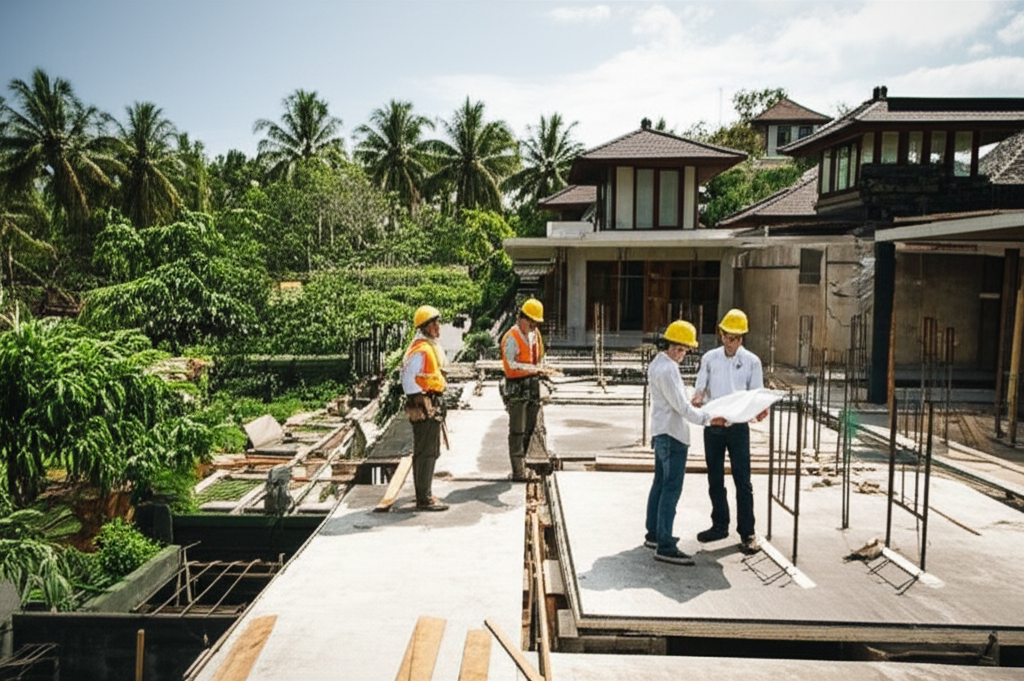
The heartbeat of this intricate process is expert project management. A dedicated project manager acts as the central nerve system, orchestrating every phase from inception to completion. Their critical role encompasses stringent timeline adherence, meticulous budget oversight, and uncompromising quality control. This proactive management mitigates potential delays, prevents cost overruns, and ensures that every material and every craft performed meets the highest standards. Furthermore, engaging experienced local contractors and a dedicated construction team is paramount. These professionals possess invaluable familiarity with Balinese building practices, local regulations, and the nuances of working with regional materials and labor. Their expertise bridges the gap between international design aspirations and local implementation realities, ensuring that your premier general contractor in Bali navigates the landscape with efficiency.
Typical project phases rigorously managed include:
* Earthworks: Site clearing, excavation, and initial ground preparation.
* Structural Framing: Erection of columns, beams, and slabs to form the villa’s skeleton.
* Roofing: Installation of the roof structure and chosen roofing materials.
* MEP (Mechanical, Electrical, Plumbing) Installations: Running conduits, piping, and wiring throughout the structure.
* Interior Fittings: Wall finishes, flooring, cabinetry, and other fixed elements.
Effective communication channels and constant supervision are the cornerstones of successful professional construction project management in Bali. Regular site inspections, progress reports, and open dialogue between the project manager, client, and construction team ensure that any issues are promptly addressed and that the villa construction Bali adheres precisely to the agreed-upon specifications. This diligent oversight not only guarantees that the project meets international construction standards but also proudly embraces local craftsmanship and the unique characteristics of indigenous materials, ensuring a final product that is both globally competitive and authentically Balinese. The final stage involves the meticulous finishing touches, from intricate tiling to custom joinery, perfecting every surface and space before the integration of modern amenities. This ensures a seamless blend of structural integrity and refined aesthetics, setting the stage for a sustainable and luxurious living experience. This relentless pursuit of excellence in construction quality control in Bali is what truly transforms blueprints into breathtaking realities.
Integrating Sustainable Practices and Modern Amenities
The allure of a Bali villa extends beyond breathtaking aesthetics; it increasingly encompasses a commitment to environmental stewardship and the seamless integration of cutting-edge technology. In contemporary Bali villa construction, the focus has shifted dramatically towards creating sanctuaries that are not only opulent but also harmonize with the island’s pristine environment. This involves a thoughtful approach to eco-friendly building practices, ensuring that your dream home leaves a minimal ecological footprint while maximizing comfort and efficiency.
One of the cornerstones of sustainable building in Bali is the implementation of intelligent water management systems.
Rainwater harvesting, for instance, collects and filters rainfall, providing a sustainable source for irrigation, swimming pools, and even greywater systems for toilets and laundry. This significantly reduces reliance on municipal water supplies, conserving precious resources. Coupled with this, passive cooling techniques are paramount for Bali’s tropical climate. Strategic architectural orientation, deep overhangs, natural cross-ventilation, and the use of materials with high thermal mass all contribute to maintaining comfortable interior temperatures without heavy reliance on air conditioning. Employing indigenous materials like bamboo, local stone, and reclaimed wood not only reduces the carbon footprint but also infuses the villa with an authentic Balinese charm. For a deeper dive into these practices, explore sustainable structures Bali.
Beyond passive design, the integration of energy-efficient systems is crucial. Solar panels are becoming a standard feature, converting Bali’s abundant sunshine into clean, renewable energy for the entire villa. This investment drastically reduces electricity bills and contributes to a greener planet. High-efficiency lighting, inverter air conditioning units, and smart appliances further minimize energy consumption, demonstrating a dedication to innovative construction in Bali.
Modern amenities, when integrated thoughtfully, elevate the living experience without detracting from the natural surroundings. Smart home technologies allow residents to control lighting, climate, entertainment, and security systems remotely via a smartphone or tablet. Imagine adjusting the villa’s temperature before you arrive or turning on the garden lights with a simple command. Advanced security systems, including CCTV cameras, motion sensors, and smart locks, provide peace of mind, all discreetly installed to maintain the villa’s aesthetic integrity. Furthermore, reliable high-quality infrastructure is non-negotiable. This includes robust, high-speed internet connectivity, essential for both leisure and remote work, and comprehensive water purification systems that ensure potable water throughout the property. Expert planning in expert MEP engineering in Bali ensures these systems are seamlessly woven into the villa’s framework.
The true artistry in villa construction Bali lies in balancing luxurious comfort with environmental responsibility. This means designing spaces where technology serves to enhance, not dominate, the serene environment. It involves choosing materials and finishes that are durable, eco-friendly, and visually appealing, creating a cohesive aesthetic that flows effortlessly from indoor to outdoor spaces. The goal is to ensure that your Bali villa awaits as a sanctuary that is both opulent and sustainable, a testament to thoughtful design and responsible building practices. By embracing these principles, your Bali villa becomes more than just a home; it becomes a harmonious part of its paradise setting, reflecting a commitment to a beautiful future, as detailed in sustainable design in Bali.
Finishing Touches Landscaping and Interior Design for Your Bali Villa
The final brushstrokes on your magnificent Bali villa are not just about painting walls; they are about orchestrating an immersive experience, blending architectural marvel with the island’s intrinsic beauty. This pivotal phase, encompassing landscaping and interior design, is where your constructed space truly transforms into the exquisite, livable dream that is your Bali villa awaits. It’s the art of harmonizing the built environment with the vibrant tropical ecosystem and the rich cultural tapestry of Bali.
Creating lush, tropical gardens is paramount, extending the sense of paradise beyond your villa’s walls. The design should organically complement the architectural style, ensuring a seamless transition from inside to out. Incorporate indigenous flora such as frangipani trees, heliconias, gingers, and various palms, chosen not only for their beauty but also for their resilience in Bali’s climate. Water features, from serene koi ponds to cascading fountains, are quintessential to Balinese garden design, providing soothing sounds and reflecting the sky, enhancing the feeling of tranquility. Outdoor living spaces, like an open-air *bale* (gazebo) or a shaded patio adorned with comfortable daybeds, become natural extensions of your home, inviting relaxation and social gatherings amidst nature. The principles of Balinese garden design often involve creating sacred spaces, using natural stone pathways, and maintaining a balance of elements to enhance the villa’s deep connection to its natural surroundings, reflecting the island’s spiritual essence. For a truly integrated approach to both the exterior and interior aesthetics, considering a specialized design contractor in Bali can ensure your vision is meticulously realized.
Moving indoors, the interior design concepts for your Bali villa should deftly blend modern luxury with traditional Balinese influences. This creates a sophisticated yet authentic ambiance. Furniture selection is crucial; opt for pieces crafted from local hardwoods like teak or suar wood, often incorporating intricate carvings or clean, contemporary lines. Rattan and woven bamboo elements can add texture and a sense of place. Artwork should reflect Bali’s artistic heritage, featuring local paintings, intricate wood carvings, or vibrant textiles like *ikat* and *batik*. Lighting plays a significant role in setting the mood; choose warm, inviting fixtures that highlight architectural details and artwork, often incorporating natural materials like shell or bamboo. Textile choices for cushions, throws, and drapery can introduce rich colors and patterns, echoing the island’s vibrant culture. The goal is to achieve a cohesive aesthetic that feels both opulent and deeply rooted in the unique spirit of Bali, providing a sanctuary that is undeniably luxurious. Collaborating with the best interior design contractors in Bali ensures that every detail, from concept to installation, is executed with precision, transforming your constructed space into a truly bespoke and livable dream. This meticulous attention to the finishing touches ensures that your villa is not just a building, but a true reflection of the paradise it inhabits.
Conclusions
Bringing your Bali villa awaits vision to life is a journey that demands meticulous planning, expert execution, and a deep appreciation for Balinese culture. From navigating legalities and selecting sustainable materials to overseeing intricate craftsmanship, every step contributes to creating a harmonious sanctuary. By embracing the island’s unique spirit and working with seasoned professionals, your dream villa construction Bali will culminate in a masterpiece that offers both luxurious comfort and a profound connection to paradise.