Table of Contents
- Laying the Foundation Legalities and Land Acquisition
- Designing Your Tropical Haven Balinese Aesthetics and Functionality
- The Construction Journey Project Management and Quality
- Sustainable Living and Final Touches Integrating Eco-Friendly Practices
- Conclusions
Embarking on the journey of building a villa in Bali is a dream for many. This article will guide you through the intricate process of villa construction in Bali, from the initial legal frameworks and land acquisition to the final touches that transform a blueprint into a luxurious tropical haven. Discover how expert construction from start to finish ensures your dream home becomes a reality, harmoniously blending with the island’s unique charm and environment.
Laying the Foundation Legalities and Land Acquisition
Laying the Foundation Legalities and Land Acquisition
Embarking on the journey of villa construction in Bali is an exciting prospect, but the initial phase, laying a solid legal and land acquisition foundation, is undeniably the most critical for ensuring expert construction from start to finish. This stage is where meticulous due diligence and a thorough understanding of Indonesian property law for foreign investors become paramount. Rushing or overlooking these crucial steps can lead to significant complications, financial losses, and delays down the line.
For non-Indonesian citizens, direct freehold ownership (Hak Milik) of land is not permissible under Indonesian law. Therefore, understanding the alternative ownership structures is essential. The most common and secure method for foreigners wishing to invest in a Bali villa is through a *long-term leasehold agreement* (Hak Sewa). This arrangement grants you the right to use and develop a piece of land for a specified period, typically 25 to 30 years, with options for extension. The leasehold agreement should be meticulously drafted and registered to protect your investment. It’s vital to ensure the agreement clearly outlines extension clauses, renewal terms, and fair compensation in the event of unforeseen circumstances. Another viable, albeit more complex, option for significant investments is setting up a specific legal entity, such as a Foreign Investment Company (PT PMA – *Perseroan Terbatas Penanaman Modal Asing*). A PT PMA can acquire land under a Hak Guna Bangunan (HGB) title, which grants the right to build and possess a building on land for a certain period, typically 30 years, extendable for another 20 years, and then renewable for another 30 years. This structure effectively allows the foreign entity to control the land for an extended duration. It is crucial to be aware of and strictly avoid informal “nominee” arrangements, where land is registered in an Indonesian citizen’s name with an underlying agreement, as these are legally unenforceable and extremely risky, offering no protection for the foreign investor. For a deeper dive into these structures, consider reading Bali Property Investment Unveiled: Freehold vs. Leasehold for Foreigners.
The absolute necessity of engaging experienced local legal counsel cannot be overstated. Navigating Indonesia’s intricate property laws requires specialized knowledge that only a reputable local lawyer can provide. Their expertise will be invaluable in:
* Verifying land titles: This involves conducting a comprehensive check with the National Land Agency (BPN – *Badan Pertanahan Nasional*) to confirm the land’s legal status, ownership history, absence of disputes, and any existing encumbrances or mortgages. This step safeguards against purchasing land with unresolved claims or fraudulent titles.
* Assessing zoning regulations: Before any land acquisition or construction begins, your legal counsel must confirm the land’s designated zoning. Bali has specific zoning classifications (e.g., residential, green belt, tourism) that dictate what can and cannot be built on a particular plot. Building a villa on land not zoned for residential or tourism purposes can lead to immediate legal issues and demolition orders. Understanding these regulations is critical to avoid future headaches and to ensure your *villa construction Bali* adheres to local urban planning.
* Drafting and reviewing all contracts: From leasehold agreements to purchase agreements and construction contracts, your lawyer will ensure all documents are legally sound, protect your interests, and comply with Indonesian law.
* Facilitating necessary permits and licenses: Before breaking ground, a series of permits and licenses are required. The primary one is the *Persetujuan Bangunan Gedung (PBG)*, which replaced the previous *Izin Mendirikan Bangunan (IMB)*. The PBG is essentially a building permit that confirms your construction plans adhere to all local regulations, architectural standards, and safety requirements. Obtaining a PBG involves submitting detailed architectural and structural plans, environmental impact assessments (if required), and various administrative documents. Your legal counsel, often in conjunction with your appointed general contractor, will guide you through this complex process, ensuring all documentation is accurate and submitted correctly. Delays in obtaining the PBG can significantly impact your construction timeline and budget, highlighting the importance of professional assistance. For more details on the process, consult Navigating the PBG Process for Building in Bali: A Comprehensive Guide.
* Ensuring legitimate and secure transactions: Your lawyer will oversee the entire transaction process, including funds transfer, notarization of documents, and official registration, thereby minimizing the risk of fraud or malpractice.
Beyond land titles and zoning, due diligence also extends to practical aspects. Verifying access to the property (are there established public or private roads?), checking for potential flood risks, and understanding local community customs (often guided by *adat* law) that might impact construction or land use are all vital. Environmental assessments may also be necessary depending on the scale and location of your project. Thoroughly understanding all potential construction costs in Bali, including legal and permit fees, is also part of this initial financial due diligence.
A solid legal foundation is not merely a formality; it is the bedrock upon which successful *expert construction from start to finish* in Bali is built. It mitigates risks, prevents costly legal battles, and ensures your investment is secure, allowing you to proceed with the actual building phase with confidence and peace of mind. Without this crucial groundwork, even the most beautifully designed villa can become a source of endless frustration. Therefore, prioritize this initial legal and land acquisition phase with the utmost seriousness, securing the expertise needed to navigate Bali’s unique landscape of property ownership and regulations. This diligent approach sets the stage for a smooth and rewarding building journey in paradise.
Designing Your Tropical Haven Balinese Aesthetics and Functionality
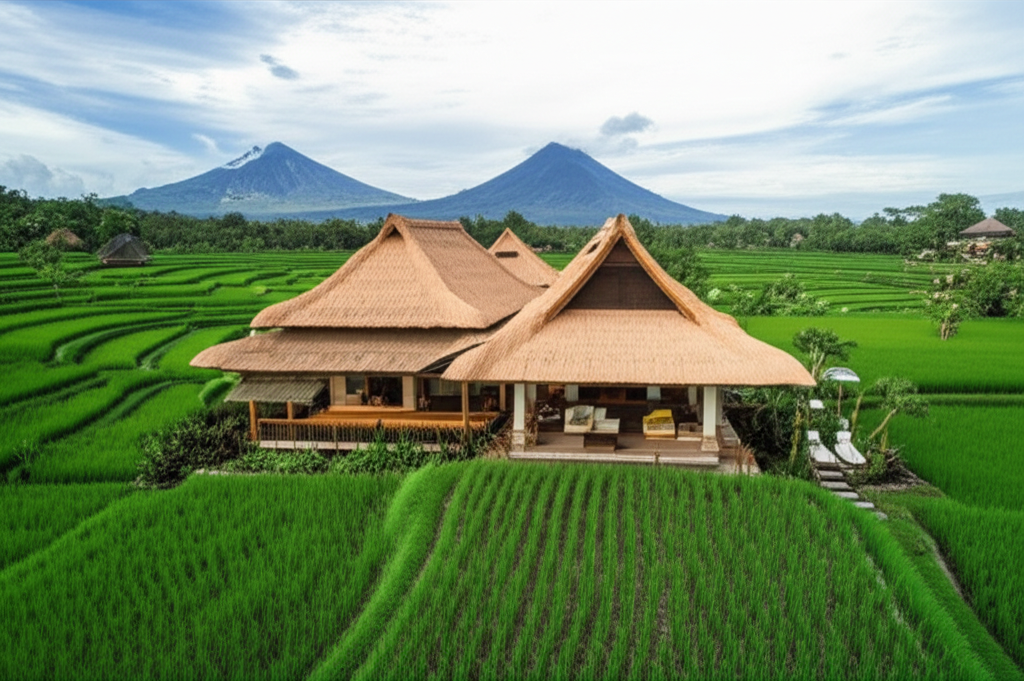
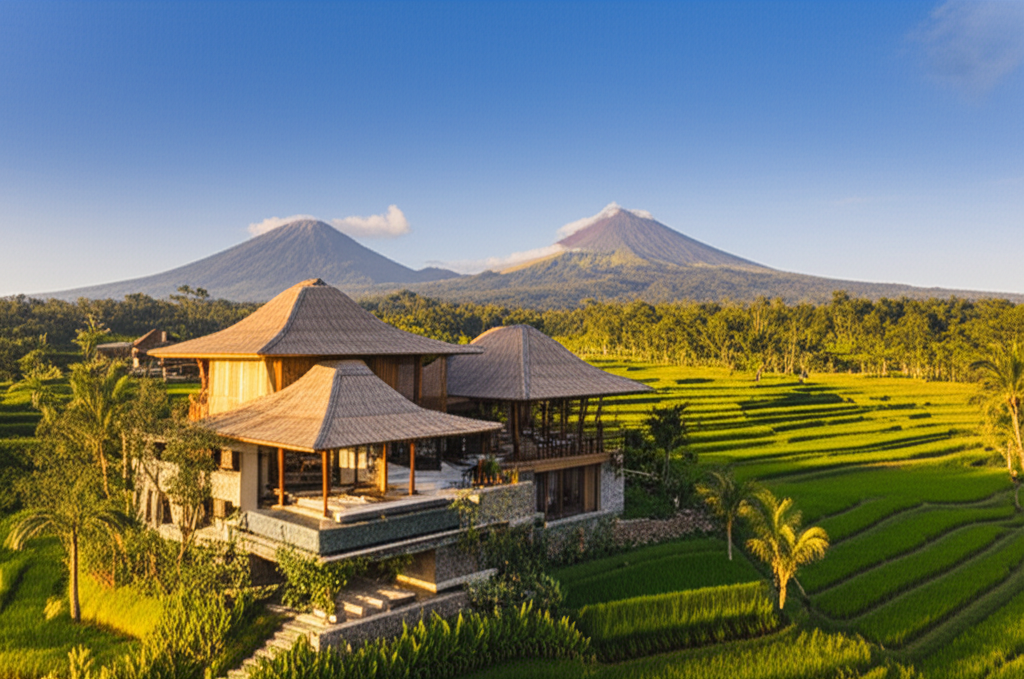
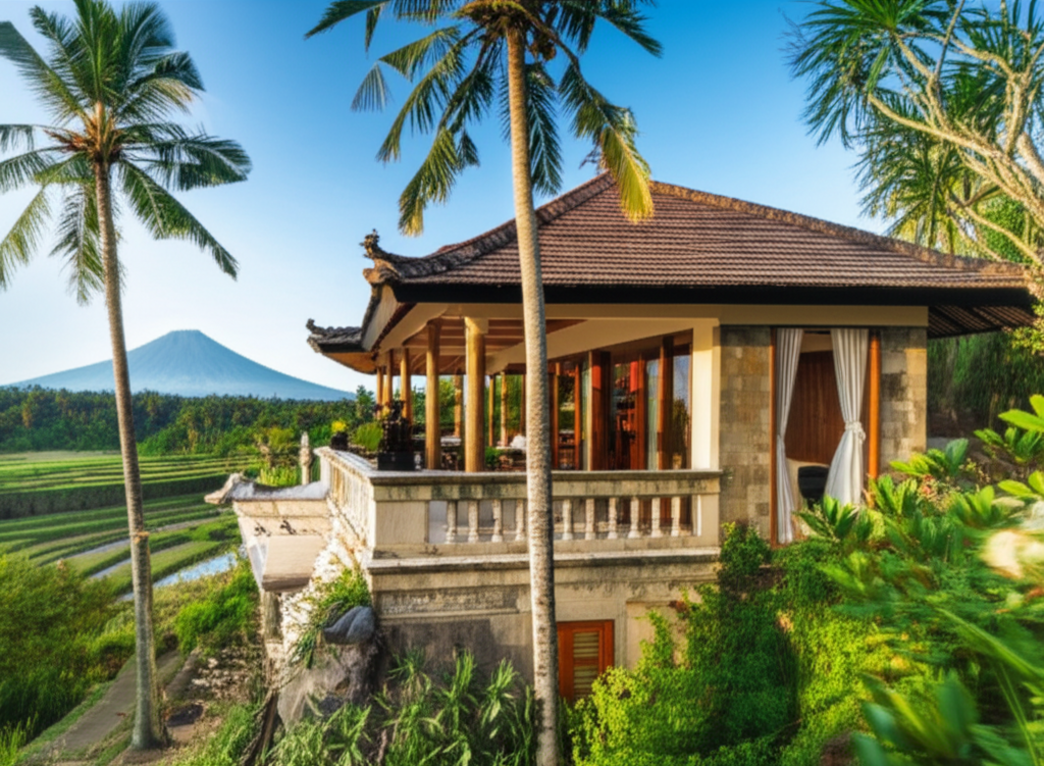
Designing your Bali villa transcends mere aesthetics; it’s about crafting a sanctuary that harmonizes with its breathtaking tropical environment and respects the profound cultural ethos of the island. This intricate process forms the very soul of your villa construction Bali, laying the artistic and functional groundwork for expert construction from start to finish. Balinese architecture is not simply a style; it’s a philosophy deeply rooted in the concept of Tri Hita Karana – the pursuit of harmony among humans, nature, and the divine. This principle guides every design decision, ensuring that your home exists in respectful balance with its surroundings, its inhabitants, and the spiritual world.
The influence of Balinese culture extends to the spatial planning of your villa, notably through Tri Mandala and Sanga Mandala. Tri Mandala dictates a division of space into three zones: the outer zone (Nista Mandala) for public and service areas, the middle zone (Madya Mandala) for semi-private living, and the inner zone (Utama Mandala) for sacred or private spaces like bedrooms and family altars. Further refining this, Sanga Mandala applies a nine-grid division based on cardinal directions, assigning specific functions and spiritual significance to each section of the property. For instance, the northeast is often considered the most sacred, suitable for a shrine, while the south might house service areas. Integrating these traditional principles ensures a design that is not only beautiful but also culturally authentic and aligned with local beliefs, fostering a sense of peace and wellbeing within your tropical haven. This thoughtful approach moves beyond a generic floor plan, creating spaces imbued with meaning and flow.
A cornerstone of modern tropical living in Bali, seamlessly integrated with traditional concepts, is the emphasis on an open-plan layout. This design philosophy blurs the lines between indoor and outdoor living, inviting the lush environment directly into your home. Expansive sliding doors, open-air pavilions, and strategically placed windows maximize natural light and promote cross-ventilation, mitigating the tropical heat and reducing the need for artificial cooling. Imagine waking to the gentle breeze, the scent of frangipani, and the sounds of nature, all from the comfort of your living space. This seamless blend is crucial for a comfortable and sustainable lifestyle in paradise, ensuring that every corner of your villa feels connected to the vibrant Balinese landscape.
The choice of materials is another critical aspect, reflecting both local availability and a commitment to sustainability. Traditional Balinese villas utilize materials readily found on the island, contributing to their earthy charm and environmental responsibility. For roofing, various forms of thatch are popular: ijuk (black palm fiber), coconut leaves, or rumbia leaves, all offering excellent insulation and a classic aesthetic. Alternatively, sirap (ironwood shingles) provides a more durable and fire-resistant option while retaining a natural look. Structural elements often feature robust timbers like local bamboo, sturdy coconut wood, or the highly prized teak wood, celebrated for its durability and beauty. Walls are typically constructed from local brick, often left exposed or finished with natural plasters, contributing to the villa’s organic feel. For ornamentation, paving, and water features, natural stone such as light-hued sandstone and dark, volcanic andesite is extensively used, showcasing the island’s geological richness. Optimal roofing solutions for Bali’s tropical climate and the use of sustainable materials are not just aesthetic choices but practical considerations for longevity and comfort.
Balinese artistry is woven into the very fabric of villa design, transforming functional elements into exquisite features. Intricate hand-carvings adorn doors, window frames, and decorative panels, often depicting mythological figures or natural motifs, each telling a story and adding a layer of cultural richness. Garden layouts are meticulously planned, mimicking natural landscapes with winding paths, lush tropical plantings, and strategically placed statues. Water features, from serene koi ponds to cascading waterfalls, are integral, not only for their beauty and cooling effect but also for their spiritual significance, symbolizing purification and tranquility. These artistic details are not mere afterthoughts; they are fundamental to the overall design, ensuring that your Bali villa is a true masterpiece of local craftsmanship. Thoughtful design, diligently incorporating these traditional principles, open-plan living, sustainable materials, and intricate artistry, is undoubtedly the key to achieving expert construction from start to finish for your dream tropical haven.
The Construction Journey Project Management and Quality
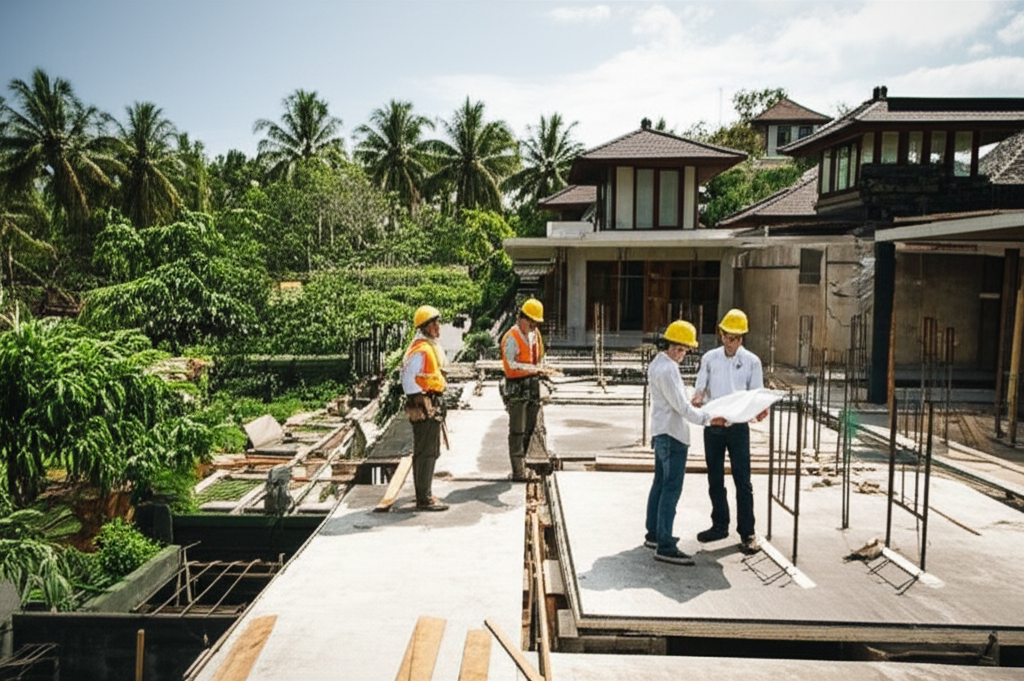
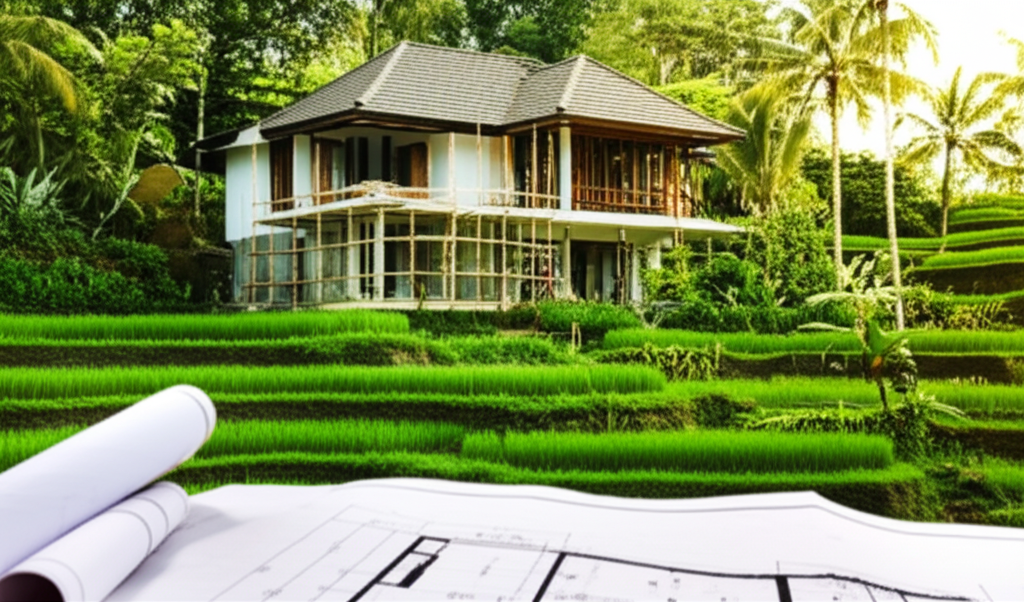
The journey from a meticulously designed blueprint to a tangible paradise villa in Bali is where vision truly meets execution. This phase of villa construction in Bali is a complex orchestration of skilled labor, precise planning, and diligent oversight, all culminating in the physical realization of your tropical haven. It’s here that the detailed design principles discussed previously transform into structural elements and elegant finishes, requiring expert project management and unwavering quality control to ensure a successful outcome.
The construction journey begins with the critical selection of a reputable local builder and a seasoned project manager. Their expertise in the unique challenges and opportunities of building in Bali is invaluable. A skilled project manager acts as your central point of contact, ensuring seamless communication across all teams, strict adherence to established timelines, and vigilant budget management. This partnership is the bedrock of a stress-free build, providing the diligent oversight essential for effective construction and project management in Bali. They navigate local nuances, manage permits, and coordinate the various stages of construction, translating your design dreams into a robust reality.
The physical build typically unfolds through several distinct phases, each requiring meticulous attention:
* Site preparation and foundation work: This foundational stage involves clearing the land, ensuring proper grading and drainage, and excavating for the villa’s footings. Given Bali’s diverse terrain and seismic considerations, selecting and implementing the correct foundation technologies in Bali is paramount for the structural integrity and longevity of your villa. Proper compaction and reinforcement are non-negotiable.
* Structural framing and roofing: Once the foundations are set, the skeleton of your villa takes shape. This involves erecting columns, beams, and slabs using materials robust enough to withstand the tropical climate. The roof structure, whether employing traditional Balinese thatch, modern tiles, or other materials, is then carefully constructed to provide crucial protection from sun and rain. The precision of expert framing contractors in Bali during this stage dictates the overall shape and stability of the building.
* M&E (Mechanical & Electrical) installations: This crucial phase integrates all the hidden systems that make a modern villa comfortable and functional. Plumbing lines for water supply and drainage, electrical wiring for power and lighting, air conditioning ducts, and any smart home technology infrastructure are carefully laid out according to the architectural plans. Proper planning and execution here prevent costly issues down the line.
* Wall construction and finishes: The external and internal walls are constructed, often utilizing local bricks or concrete blocks, providing privacy and protection. Following this, the initial layers of plastering and rendering begin to prepare surfaces for their final aesthetic finishes, such as paint, natural stone cladding, or polished concrete.
* Interior fit-out, carpentry, and joinery: This is where the villa truly begins to feel like a home. Custom-designed cabinetry, doors, window frames, built-in furniture, and decorative timber elements are fabricated and installed. The craftsmanship in this phase greatly influences the villa’s overall luxurious feel and adheres to the Balinese aesthetic principles.
* Landscaping and exterior finishes: The final touches extend to the exterior, including the construction of swimming pools, terraces, pathways, and the installation of hardscaping. The integration of lush tropical landscaping not only enhances the villa’s beauty but also helps create microclimates for cooling and privacy, seamlessly blending your structure into its natural surroundings.
Sourcing high-quality materials is another cornerstone of expert construction. While the previous chapter highlighted the *types* of local and sustainable materials for their aesthetic and environmental benefits, this stage emphasizes their *procurement*. A knowledgeable builder will leverage local resources, which often offer cost-effectiveness and authenticity, such as indigenous timber, stone, and traditional roofing materials. However, for certain specialized elements requiring specific performance or aesthetic, the builder may recommend responsibly sourced imported materials, ensuring a perfect balance between local character and international standards.
Throughout these phases, rigorous quality control measures are indispensable. This includes regular site inspections by the project manager and often independent auditors, ensuring that every detail aligns with the architectural drawings and engineering specifications. Compliance with local building standards, even those unwritten but common practices, is vital for safety and durability. Structural elements, from the concrete mix in the foundations to the integrity of the roof truss connections, are meticulously checked. This dedicated approach to construction quality control in Bali at every stage prevents costly rework, extends the lifespan of the villa, and ultimately delivers a product that stands testament to expert craftsmanship. It is this diligent oversight and professional approach that guarantees expert construction from start to finish, culminating in a Bali villa that not only meets but exceeds international building standards while honoring the island’s unique building traditions.
Sustainable Living and Final Touches Integrating Eco-Friendly Practices
With the structural integrity and core installations firmly established, the journey towards your ultimate Bali villa pivots dramatically towards integrating sustainable living principles and meticulously applying the final, essential touches that truly distinguish a luxury property. This phase of villa construction in Bali transcends mere aesthetics, embedding ecological responsibility into every detail. Integrating eco-friendly practices from the outset ensures your dream home is not only beautiful and comfortable but also harmonizes with its stunning natural surroundings, minimizing environmental impact and promising significant long-term operational savings.
Central to sustainable villa design in Bali are passive strategies, intelligently harnessing the island’s tropical climate. Optimal orientation of the villa is paramount, meticulously planned to maximize natural ventilation and daylight. This involves positioning the building to capture prevailing breezes, often achieved through strategic window placement and open-plan layouts that encourage cross-ventilation, effectively cooling interior spaces without heavy reliance on air conditioning. Similarly, careful consideration of the sun’s path throughout the day dictates the placement of windows and shading elements like deep eaves or verandas, allowing ample natural light to flood living areas while preventing excessive heat gain. This thoughtful architectural approach dramatically reduces electricity consumption, contributing to a lower carbon footprint.
Beyond passive design, active sustainable systems play a vital role. Rainwater harvesting, for instance, is an indispensable feature in Bali’s monsoon climate. Sophisticated systems collect and filter abundant rainfall from rooftops, storing it in underground tanks. This harvested water can then be utilized for irrigation of landscaping, flushing toilets, and other non-potable uses, significantly reducing reliance on municipal or well water sources. Effective waste management is another critical component, implemented through on-site segregation, composting organic waste from the kitchen and garden, and meticulously sorting recyclable materials. During the construction process itself, this extends to recycling construction debris, minimizing landfill contributions.
For energy independence, exploring renewable energy sources like solar panels is highly recommended. Photovoltaic (PV) panels installed on suitable roof spaces can convert sunlight directly into electricity, dramatically offsetting grid reliance and lowering utility bills. Solar thermal systems can also be integrated to heat water, further reducing energy consumption. These investments not only provide substantial long-term financial benefits but also underscore a commitment to sustainable structures in Bali, positioning your villa as a beacon of responsible luxury.
The selection of materials is another cornerstone of a sustainable Bali villa. Prioritizing sustainable and recycled materials not only lessens environmental impact but often introduces unique aesthetic qualities. Think reclaimed teakwood for flooring or custom furniture, local volcanic stone for striking feature walls, or bamboo for structural and decorative elements. These choices support local industries, reduce transportation emissions, and often offer superior durability in the tropical climate. Low VOC (volatile organic compound) paints and finishes should be used throughout to ensure healthy indoor air quality. Complementing these material choices is a lush, locally-sourced landscape design. Beyond its aesthetic appeal, indigenous planting provides natural cooling through shade and evapotranspiration, enhances privacy, and creates vital habitats for local fauna. This harmonious integration of flora and architecture is a hallmark of truly sustainable design in Bali.
As the construction phase draws to a close, the focus shifts to the critical final stages that ensure flawless execution. This includes comprehensive quality inspections, a meticulous process that goes beyond routine checks. Every system, finish, and fixture is scrutinized to ensure it meets the highest standards. From the operation of all appliances and plumbing to the perfection of paintwork and joinery, a detailed ‘snagging list’ is compiled. This list addresses any imperfections or issues, which are then systematically rectified by the construction team, guaranteeing the villa is delivered in pristine condition. This final stage of construction quality control in Bali is indispensable.
Following these rigorous checks are the final aesthetic touches. This involves the installation of bespoke lighting fixtures, custom cabinetry, artistic hardware, and often the placement of unique Balinese artworks or handcrafted furnishings that imbue the villa with its distinct character. Integrated smart home technology is also increasingly common, offering unparalleled convenience and energy efficiency. Systems controlling lighting, climate (where supplemental cooling is desired), security, and entertainment can be seamlessly integrated, allowing homeowners to manage their villa environment with ease, often remotely.
The culmination of this expert construction from start to finish is the official handover process. This formal event includes a comprehensive walkthrough of the completed villa with the owner, explaining the operation of all systems, providing manuals, warranties, and as-built drawings. The handover signifies the transition of responsibility and the beginning of your life in paradise.
However, the commitment to sustainability doesn’t end at handover. Post-construction maintenance is crucial, ensuring the preservation of the villa’s beauty and functionality while steadfastly upholding its sustainable aspects. Regular cleaning of solar panels optimizes their efficiency, while routine maintenance of rainwater harvesting filters ensures continued water quality. Landscaping, particularly the native plant selection, requires ongoing care to thrive and continue providing its environmental benefits. By embracing diligent upkeep, your Bali villa will remain a stunning, durable, and environmentally conscious sanctuary for years to come, a true testament to responsible building project management in Bali.
Conclusions
The journey of villa construction in Bali is a transformative experience, demanding meticulous planning, adherence to legal frameworks, and a deep appreciation for Balinese design. From laying the initial foundation to integrating sustainable practices and applying the final aesthetic touches, each step requires dedication and expertise. With expert construction from start to finish, your vision of a tropical sanctuary can blossom into a reality, offering not just a home, but a harmonious lifestyle deeply connected to the enchanting spirit of Bali.