Table of Contents
- Navigating the Blueprint Legalities and Land Acquisition in Bali
- Crafting Your Vision Blending Balinese Aesthetics with Modern Design
- Laying the Groundwork Site Preparation and Robust Foundations for Bali’s Terrain
- Building with Integrity Structural Excellence and Material Selection
- The Art of Finishing Interior and Exterior Masterpieces
- Modern Living in Paradise Smart Home Technology and Sustainable Utilities
- From Construction to Sanctuary Quality Assurance and Final Handover
- Conclusions
Embarking on villa construction in Bali is an exciting journey that blends tropical aspirations with expert execution. This guide delves deep into every facet of creating your bespoke Balinese sanctuary, from initial planning and legal navigation to intricate design, robust construction, and luxurious finishing touches. Discover how professional expertise transforms your vision into a tangible paradise, ensuring an SEO-friendly and structurally sound investment.
Navigating the Blueprint Legalities and Land Acquisition in Bali
Navigating the Blueprint Legalities and Land Acquisition in Bali
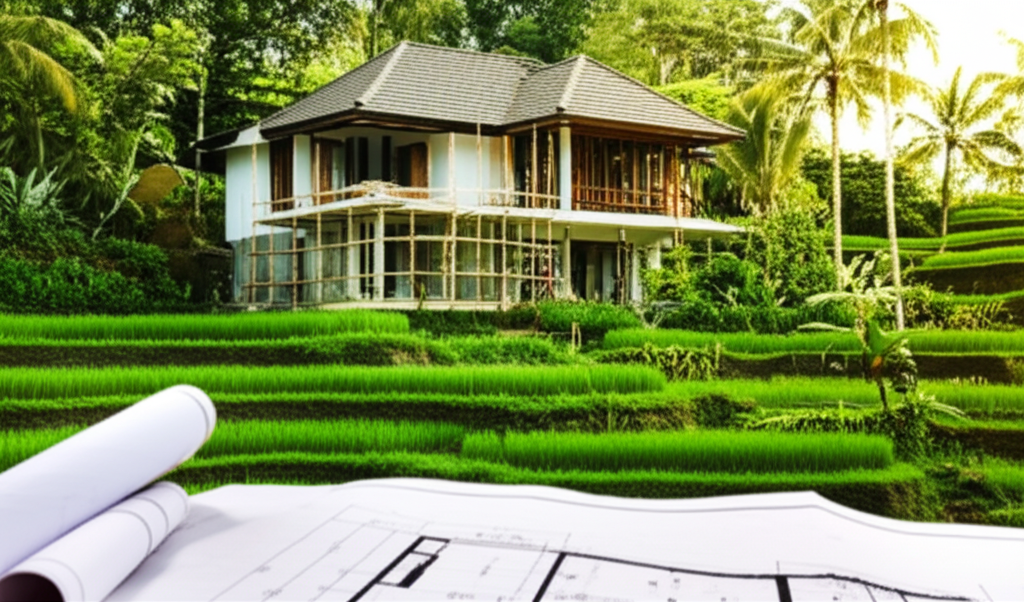
Embarking on your dream villa construction Bali begins long before the first stone is laid. The foundational phase involves meticulous navigation through Bali’s unique legal landscape and land acquisition processes. Understanding these initial steps is paramount to ensure a smooth, compliant, and ultimately successful build in paradise.
For foreign investors eyeing a piece of Bali, land ownership primarily falls under two main categories: leasehold and indirect freehold. Freehold (Hak Milik) ownership is reserved exclusively for Indonesian citizens. Foreigners can, however, access land for extended periods through a leasehold agreement (Hak Sewa). This arrangement allows you to lease land for a significant term, typically 25 to 30 years, with options for extensions. While you don’t own the land outright, you hold the right to use and develop it for the duration of the lease, offering a secure and common pathway for foreign property investment. For those seeking a more permanent structure, a Foreign Investment Company (PMA) can acquire a Right to Build (Hak Guna Bangunan or HGB) certificate, which grants the company rights akin to freehold for construction and use, renewable over long periods. This provides a robust legal framework for substantial investments. You can find more details on ownership structures in our guide, Bali Property Investment Unveiled: Freehold vs. Leasehold for Foreigners.
Due diligence in land acquisition cannot be overstated. Before committing, it is absolutely crucial to verify the land’s zoning regulations (Rencana Tata Ruang Wilayah – RTRW). This dictates what type of construction is permitted – whether residential, tourism, or agricultural. Building on land not designated for residential or tourism purposes can lead to severe legal complications and even demolition orders. Furthermore, a thorough check of the land certificate (Sertifikat Tanah) is essential to confirm legal ownership, ensure there are no existing disputes, and ascertain its authenticity. Engaging a reputable local legal expert is vital for this intricate process, providing peace of mind and protecting your investment in Bali villa construction.
Once land acquisition is secured, the next hurdle is obtaining the necessary permits and licenses for construction. The most critical is the PBG (Persetujuan Bangunan Gedung), or Building Approval, which replaced the former IMB (Izin Mendirikan Bangunan). This permit is a comprehensive approval for your building design and ensures compliance with structural integrity, safety, and aesthetic standards. Depending on the scale and nature of your project, environmental permits (Persetujuan Lingkungan or SPPL) may also be required, reflecting Bali’s commitment to sustainable development. The process of acquiring these permits is complex and involves multiple government agencies, highlighting the importance of a knowledgeable local general contractor or a legal team specializing in property development. You can learn more about this crucial process in our guide, Navigating the PBG Process for Building in Bali.
Crucially, Bali has specific regional regulations (Perda) that profoundly impact villa design and construction. One of the most famous is the *15-meter building height limit*, often referred to as the “coconut tree height” rule. This regulation, aimed at preserving Bali’s unique landscape and cultural aesthetics, dictates that no building should exceed the height of a mature coconut tree. Its implications are significant for multi-story villa designs, encouraging horizontal layouts and innovative architectural solutions that respect the island’s natural contours. This local regulation requires careful consideration during the architectural planning phase, emphasizing a design that harmonizes with the environment rather than dominating it. For a comprehensive understanding of all local building nuances, it’s advised to partner with a premier general contractor in Bali.
Given the intricate web of land laws, zoning regulations, and specific local building codes, expert legal consultation is not merely advisable but *paramount* from the outset. A seasoned local legal team can navigate the bureaucratic maze, conduct thorough due diligence, structure secure ownership arrangements, and ensure all permits are obtained correctly and efficiently. This proactive approach safeguards your investment, prevents costly delays, and ensures that your villa construction Bali project adheres to all local laws, allowing you to build your dream home in paradise without future complications.
Crafting Your Vision Blending Balinese Aesthetics with Modern Design
Crafting your dream Bali villa begins not just with blueprints, but with a deep appreciation for the island’s rich cultural and natural heritage, seamlessly blending Balinese aesthetics with modern tropical design principles. As you move beyond the legalities of land acquisition, the design phase becomes paramount, shaping the very essence of your future home. A successful design for villa construction Bali inherently understands and integrates Balinese philosophical concepts, creating spaces that resonate with the island’s spirit.
Central to this is Tri Hita Karana, the profound philosophy emphasizing harmony among humans, nature, and the divine. This principle guides the thoughtful placement and orientation of your villa, ensuring it respects its natural surroundings and encourages a connection with the environment. It often translates into layouts that embrace lush gardens, open-air living areas, and careful consideration of views, fostering a sense of peace and wellbeing. Complementing this is Tri Mandala, a spatial zoning concept that organizes the property into distinct areas – from the sacred (utama) to the public (nista) and the intermediate (madya). This influences the logical flow and privacy within the villa, often positioning living areas and pools in the central zones, while service areas or private retreats occupy the outer or inner sanctums. Understanding these principles is key to designing your perfect island home that feels authentically Balinese yet perfectly functional for contemporary living.
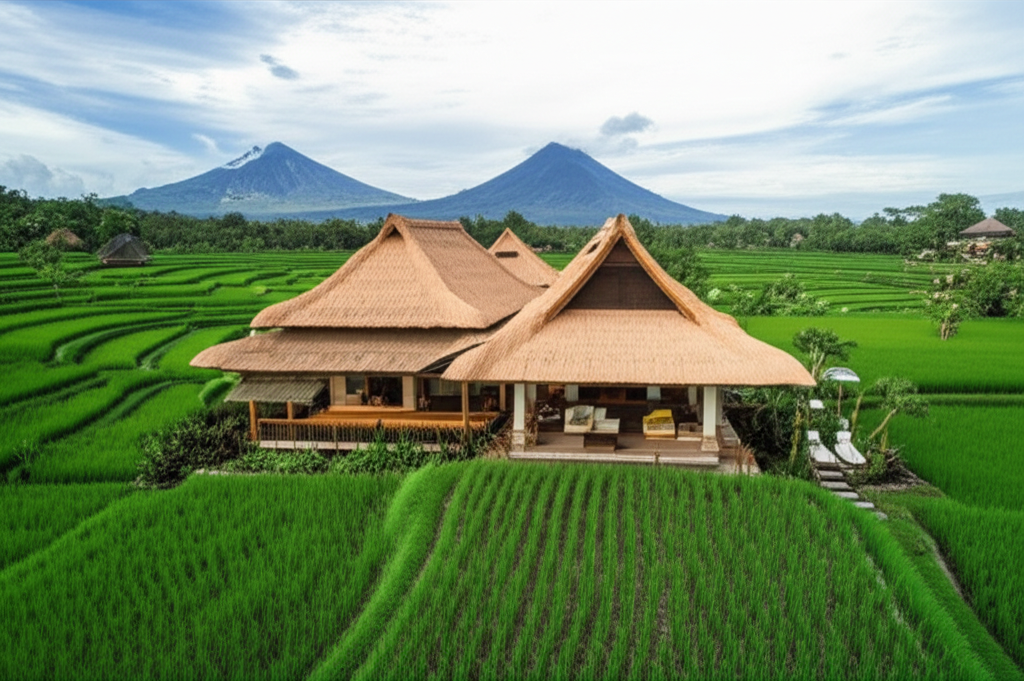
The choice of materials is another cornerstone of authentic Balinese design, with an emphasis on natural, locally sourced elements that are both beautiful and suited to the tropical climate. Imagine the warmth of traditional thatch roofing (ijuk), offering excellent insulation and a timeless aesthetic, or the elegant durability of bamboo, coconut wood, and teak used for structural elements, flooring, and intricate detailing. Various local stones, such as cool andesite and richly textured sandstone, provide grounding elements for walls, pathways, and water features, contributing to the villa’s natural integration with the landscape. These materials not only reduce environmental impact but also connect the villa to the island’s artisanal legacy.
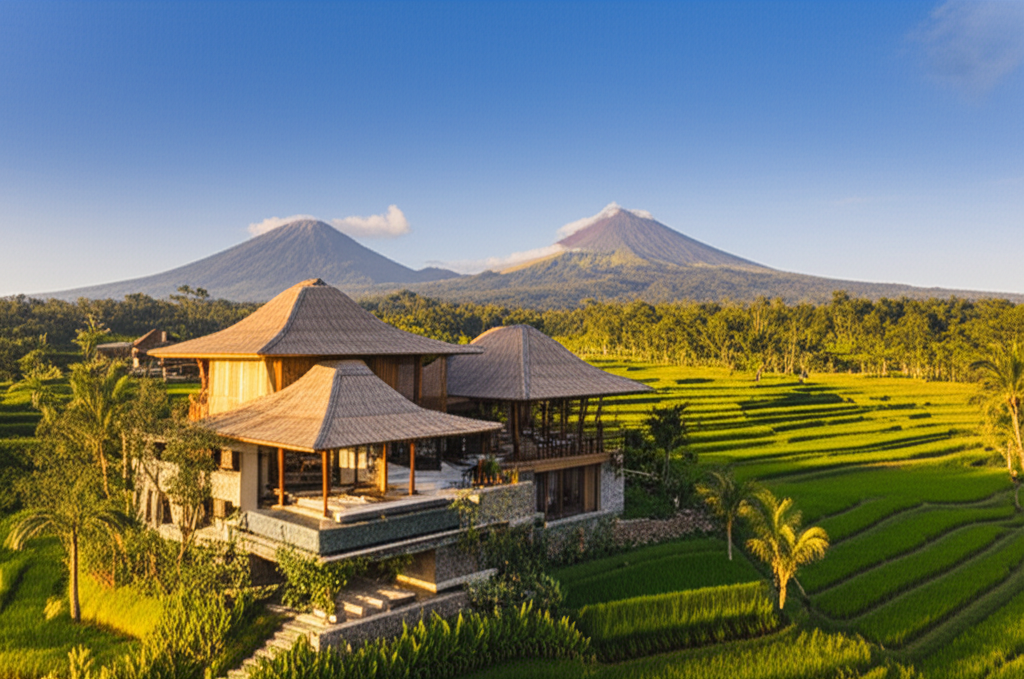
Balinese craftsmanship, renowned globally, finds its rightful place in contemporary villa designs. Intricate wood carvings, from ornate door panels to decorative ceiling details, and expertly crafted stonework, adorning garden walls or feature elements, can be seamlessly integrated. This infusion of art transforms a functional space into a living piece of cultural heritage. Moreover, designing for Bali’s tropical climate demands a focus on sustainable design elements. Passive cooling techniques, such as strategic orientation to capture prevailing breezes, high ceilings, and expansive overhangs, are crucial for maintaining comfort without excessive air conditioning. Maximizing natural light through large openings and thoughtful window placement reduces the need for artificial lighting, while ensuring cross-ventilation creates a constantly refreshing atmosphere. Incorporating these elements into your Bali villa architecture is not just about aesthetics; it’s about creating a truly comfortable, environmentally conscious, and culturally rich living experience. For those considering sustainable structures Bali, integrating these thoughtful design choices from the outset is invaluable for a future-proof property.
Laying the Groundwork Site Preparation and Robust Foundations for Bali’s Terrain
Before any beautiful design can take root, the physical groundwork for your Bali villa must be meticulously laid. This critical phase of site preparation and foundation laying is paramount for any villa construction Bali project, especially given the island’s unique geological characteristics. Bali’s volcanic origins and dynamic seismic activity necessitate an incredibly thorough approach to understanding the land beneath your future home. Engaging in comprehensive geological surveys and detailed soil testing is not merely a recommendation; it is an absolute necessity. These initial investigations reveal the soil composition, bearing capacity, and the presence of any underlying rock formations or unstable earth, providing crucial data for designing a truly resilient structure. Considering Bali’s location within the “Ring of Fire,” seismic considerations are always at the forefront of this evaluation, ensuring your foundation can withstand potential tremors.
Once the subsurface analysis is complete, the physical transformation of the site begins. Site clearing involves removing vegetation, debris, and any existing structures, preparing a clean slate for expert construction from start to finish. This is followed by precise leveling, which sculpts the land to the exact contours specified in the architectural plans, creating a stable and functional building platform. Given Bali’s tropical climate and heavy rainfall, establishing robust drainage systems is a non-negotiable step. Proper drainage prevents water runoff from eroding the foundation, mitigating soil saturation that could compromise stability. This includes strategic grading of the land, installation of subsurface drains, and sometimes retaining walls, all designed to manage water flow efficiently and protect your investment.
The choice of foundation type is then tailored to the specific soil conditions and the structural demands of your bespoke Bali villa. For stable, consistent soils, conventional strip foundations might be suitable, distributing the load along continuous footings. However, in areas with softer or more variable soil, raft foundations (a large concrete slab covering the entire footprint) are often employed to spread the building’s weight over a wider area, offering enhanced stability. For challenging terrains, such as those with very weak soil or significant slopes, pile foundations are the optimal solution. These involve driving or drilling deep columns into the earth to reach more stable strata, providing a robust anchoring system. Each type is meticulously designed to meet stringent earthquake resistance requirements. This entire process hinges on the expertise of seasoned civil engineers who translate the geological data and architectural vision into residential structural engineering in Bali, ensuring a stable and durable base for your dream home in paradise. Their meticulous planning and oversight are vital for foundation technologies for enduring properties. This rigorous groundwork is the true beginning of a lasting legacy, a testament to expert foundation contractors in Bali.
Building with Integrity Structural Excellence and Material Selection
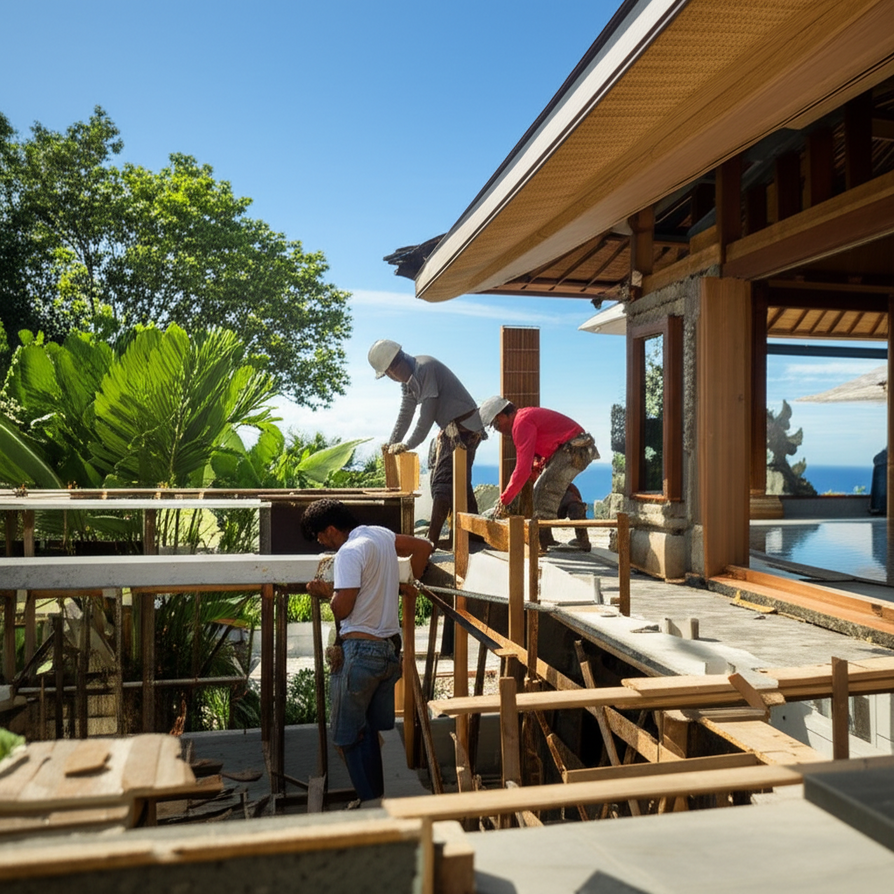
Building upon prepared foundations, the structural phase of your Bali villa construction establishes its integrity and resilience, creating the skeleton of your dream home, robust against time and tropical elements. Common structural systems in Bali include reinforced concrete frames, favored for strength and adaptability crucial for multi-level designs and open-plan areas. These frames resist vertical loads and lateral forces from seismic activity. For modern aesthetics or lighter structures, steel structures provide design flexibility. Engineered timber, like glulam, offers warmth and natural beauty, complementing surroundings with significant structural capacity.
The selection of primary building materials roots in structural necessity and local availability, fostering an authentic approach to villa construction Bali. High-quality local hardwoods like Ulin (ironwood) and Teak are paramount. Ulin, dense and naturally resistant to rot and insects, is ideal for critical load-bearing or exposed components. Teak, valued for beauty and durability, serves well for visible structural elements and joinery. Utilizing local resources supports the regional economy and ensures acclimatized materials. High-grade local bricks form durable infill walls with good thermal properties, while various natural stones, including volcanic rock, contribute structural strength and connect the villa to Bali’s geological landscape. These choices exemplify sustainable structures Bali.
Given Bali’s active seismic zone and tropical climate, construction techniques are rigorously adapted for resilience. Earthquake-resistant design is paramount, incorporating ductile detailing in reinforced concrete frames, allowing the structure to absorb seismic energy without failure. This involves precise rebar placement, appropriate stirrup spacing, and careful attention to beam-column connections. The design also addresses heavy tropical rainfall and humidity through robust roof structures with adequate pitches and comprehensive waterproofing membranes. Efficient drainage systems, integrated from foundations upwards, safeguard the building’s envelope. These measures are integral to protecting your investment and ensuring long-term durability.
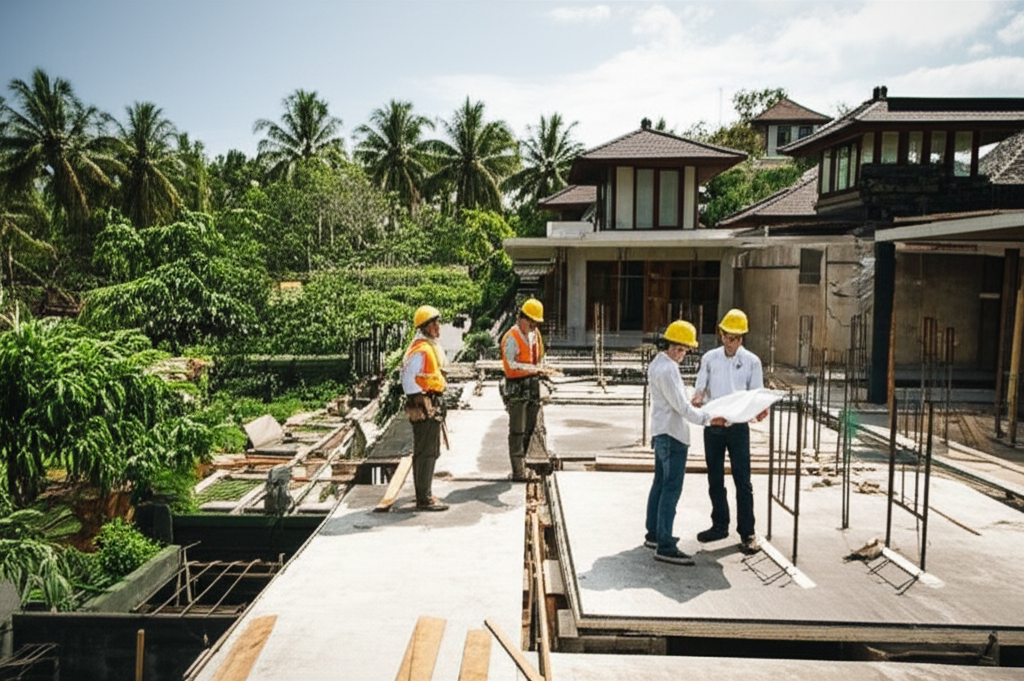
Throughout this structural build, stringent quality control measures guarantee integrity and longevity. This includes meticulous supervision of concrete pouring and curing, alongside rigorous testing of concrete samples. Every connection, beam, and column undergoes checks for alignment, plumb, and level. Precision of execution is vital, emphasizing the expertise of skilled local builders and structural engineers who understand modern construction principles and Bali’s unique demands. Regular inspections ensure adherence to engineering specifications and standards, reflecting a commitment to construction quality control in Bali. This dedication lays the groundwork for elegant finishes, ensuring your project benefits from a solid partner navigating building construction in Bali and the skill of expert structural contractors in Bali.
The Art of Finishing Interior and Exterior Masterpieces
With the robust structural framework of your Bali villa expertly in place, attention now shifts to the meticulous finishing stages – the true artistry that transforms a mere structure into your personal paradise. This phase is where your vision truly comes alive, focusing on both interior and exterior masterpieces that reflect luxury, comfort, and the undeniable charm of Bali.
Selecting the right roofing material is paramount, not just for aesthetic appeal but also for functionality in Bali’s tropical climate. Options range from the timeless elegance of natural thatch, offering superb insulation and an authentic Balinese look, to traditional clay tiles that provide durability and a classic aesthetic. For those seeking a more contemporary feel or enhanced weather resistance, modern shingles present a viable alternative. Each choice profoundly impacts the villa’s overall character and its harmony with the surrounding landscape.
Inside, the flooring sets the tone for each space. Luxurious natural stone, such as local volcanic rock or pristine marble, offers a cool, sophisticated base, perfect for tropical living. Terrazzo, with its unique patterns and smooth finish, provides a blend of traditional craftsmanship and modern design flexibility. Hardwood, carefully selected for its resistance to moisture and insects, introduces warmth and a classic elegance. Wall treatments further define the interior ambiance. Stucco provides a smooth, versatile canvas for various color palettes, while polished concrete offers a sleek, minimalist, and industrial-chic appeal. For a touch of natural grandeur, exquisite natural stone cladding can create stunning feature walls, seamlessly bringing the outside in.
Beyond these foundational finishes, the integration of custom-made Balinese elements is what truly imbues your villa with a unique soul. Imagine entering through magnificent hand-carved wooden doors, each telling a story through its intricate motifs. Window frames, sculpted with delicate Balinese designs, transform simple openings into works of art. Local artwork, carefully curated and placed, adds vibrant splashes of color and cultural depth, creating an authentic and captivating atmosphere throughout your home. This dedication to incorporating bespoke Balinese craftsmanship elevates the entire Bali villa construction to an unparalleled level of luxury.
The exterior of your Bali villa extends beyond its walls, embracing a thoughtful landscaping design that harmonizes effortlessly with the natural environment. Indigenous plants, such as frangipani, bougainvillea, and various palms, are chosen not only for their beauty but also for their resilience and low maintenance, creating lush, vibrant gardens. The calming presence of water features, from serene koi ponds to cascading waterfalls, enhances the tropical ambiance. Outdoor living spaces are meticulously crafted to maximize enjoyment of Bali’s idyllic climate. Infinity pools, seemingly merging with the horizon, provide breathtaking views, while strategically placed lounging areas offer perfect spots for relaxation and entertaining. This comprehensive approach to external finishes ensures that every aspect of your villa, inside and out, reflects a commitment to bespoke beauty and integrated design. The entire process, from selecting materials to the final installation of intricate carvings, relies heavily on the expertise of skilled artisans and an unwavering attention to detail. It is through their dedication that your Bali villa construction culminates in a truly luxurious and authentic island experience, as detailed in our guide on the art of Bali building. For those seeking unparalleled elegance, partnering with high-end general contractors in Bali who understand this nuanced approach is crucial. Every detail, from the choice of natural stone for your outdoor shower to the precise alignment of your hand-carved balcony railings, contributes to the villa’s character. This meticulous finishing process transforms a house into a sanctuary, a true masterpiece built in paradise. The overall design and aesthetic, from rooflines to landscaping, are carefully considered to create a seamless indoor-outdoor living experience that is both sophisticated and deeply rooted in Balinese culture. For further insights into designing your perfect island home, explore resources like Inspired by Bali: Designing Your Perfect Island Home.
Modern Living in Paradise Smart Home Technology and Sustainable Utilities
After the meticulous crafting of your villa’s aesthetic and structural elements, as detailed in discussions surrounding interior and exterior masterpieces, the next crucial phase of villa construction Bali involves integrating the technologies and utilities that elevate it to a truly modern and sustainable sanctuary. This stage transforms a beautiful structure into an intelligent, efficient, and eco-conscious home.
The integration of smart home technology is no longer a luxury but a fundamental aspect of contemporary high-end living. Imagine waking up to automated lighting systems that gently brighten your living space, adjusting intensity and color temperature to mimic natural daylight. Climate control becomes effortless with smart thermostats that learn your preferences and optimize air conditioning or fan usage, ensuring perfect comfort while minimizing energy consumption. For security, advanced systems incorporating smart locks, integrated CCTV, and motion sensors provide unparalleled peace of mind, allowing remote monitoring and control from anywhere in the world. Entertainment systems are seamlessly woven into the villa’s fabric, offering multi-room audio and visual experiences that can be controlled with a single touch, enhancing every moment of relaxation or social gathering. These interconnected systems are meticulously planned and installed during the construction phase, ensuring a robust backbone for future expansion and effortless daily operation.
Beyond convenience and security, a truly modern Bali villa embraces sustainable utility solutions that respect and harmonize with the island’s natural beauty. Solar panel installations are increasingly vital, harnessing Bali’s abundant sunshine to provide a significant portion of your villa’s electricity needs. Our expert sustainable building partners meticulously design these systems, considering optimal panel placement, efficient inverters, and often integrating battery storage solutions to ensure a continuous power supply, reducing reliance on the local grid and significantly lowering utility costs. Water conservation is addressed through advanced rainwater harvesting systems. Collected from the roof and carefully filtered, this precious resource can be utilized for irrigation, toilet flushing, and other non-potable uses, drastically cutting down on municipal water consumption. Furthermore, sophisticated multi-stage water filtration systems are integrated into the plumbing, providing clean, potable water throughout your villa, an essential consideration for health and well-being in a tropical environment.
Reliable utility connections are foundational to modern living. During the initial design and construction project planning in Bali, securing stable electricity from PLN (Perusahaan Listrik Negara) is paramount, often supplemented with backup generators or Uninterrupted Power Supply (UPS) systems to mitigate any potential grid fluctuations. High-speed internet, crucial for both work and leisure, requires careful planning for fiber optic or robust wireless solutions, with internal networking infrastructure designed for seamless connectivity across the entire property. Waste management, a critical environmental consideration in Bali, is addressed by implementing systems for effective waste segregation and collection, often integrating composting solutions for organic waste to minimize landfill impact. These vital infrastructures are not afterthoughts; they are integral components of the initial architectural and engineering blueprints, ensuring smooth execution and long-term reliability.
Ultimately, these modern and eco-friendly features converge to create a living experience that is not only supremely comfortable and efficient but also deeply respectful of its paradisiacal surroundings. They embody a commitment to responsible luxury, allowing you to enjoy your dream home in Bali with a clear conscience and unparalleled convenience. This meticulous attention to smart technology and sustainable utilities is a hallmark of truly expert villa construction, ensuring your Bali villa is future-proofed and a true haven in paradise.
From Construction to Sanctuary Quality Assurance and Final Handover
The journey of your dream Bali villa from concept to concrete culminates in the critical stages of quality assurance and final handover, ensuring your expertly crafted property is truly a sanctuary. This phase is not merely a formality but a meticulous process designed to guarantee every aspect of your new home meets the highest standards of construction in Bali. A comprehensive approach to inspections is paramount, extending beyond superficial checks.
Independent experts are engaged to scrutinize every detail, from the foundational structural integrity to the intricate electrical wiring, the efficiency of plumbing systems, and the aesthetic perfection of all finishing works. These inspections cover everything, ensuring all elements function flawlessly and adhere to the architectural specifications and local building codes.
Following these rigorous assessments, the ‘snagging’ process begins. This involves a detailed walkthrough of the entire property, where any minor defects or imperfections, often cosmetic but sometimes functional, are identified and meticulously documented. This could range from a small paint smudge, a slightly uneven tile, or a door that doesn’t close perfectly, to minor adjustments needed for installed fixtures. Each ‘snag’ is recorded on a comprehensive list, which the general contractor is then responsible for rectifying to the owner’s complete satisfaction before the final completion certificate is issued. This commitment to perfection is what sets exceptional villa construction Bali apart, transforming a newly built structure into a truly pristine residence.
Upon successful completion and rectification of all identified snags, the villa transitions to its owner through a formal handover process. A crucial component of this handover is the provision of comprehensive documentation. This includes invaluable ‘as-built’ architectural and structural plans, detailing the precise construction of your villa. You will also receive complete material specifications, operational manuals for all installed equipment – especially important for the smart home technology and sustainable utilities discussed in the previous chapter – and warranty certificates. These warranties typically cover structural elements for a significant period, offering peace of mind regarding the longevity and integrity of your investment. Individual components like appliances, roofing materials, and specialized systems will also come with their manufacturer’s warranties.
Finally, to ensure your Bali villa remains a pristine sanctuary for years to come, options for ongoing maintenance and property management are discussed. While the initial construction quality control in Bali is thorough, the tropical climate necessitates regular upkeep. You may choose to engage the original builder for maintenance services or opt for a dedicated property management company. These services can encompass everything from routine structural checks, preventive maintenance on all systems, pool and garden care, to comprehensive security and even rental management if you plan to lease your villa. This ensures your investment continues to thrive, offering enduring comfort and value. Finding a premier general contractor in Bali who can also advise on these post-construction services is vital for a truly seamless experience, allowing you to fully enjoy your dream home without the everyday worries of upkeep. For more insights into managing your project from start to finish, explore our comprehensive guide on construction and project management in Bali. Our team is committed to delivering general contractor services you can trust in Bali, ensuring every step, right up to the final handover, is executed with precision.
Conclusions
Building your Bali villa is a profound journey, culminating in a personalized haven that harmonizes with its stunning surroundings. By understanding the detailed construction process—from legalities and design philosophies to material selection and sustainable integration—you ensure a project built with integrity and vision. Your dream villa, expertly constructed from start to finish, stands as a testament to careful planning and dedicated craftsmanship, ready for you to enjoy. Your Bali villa truly awaits.