Table of Contents
- Laying the Foundation Vision and Site Selection
- Architectural Design and Permitting Navigating Balinese Regulations
- Material Sourcing and Sustainable Practices Crafting Your Bali Villa
- Construction Management and Quality Assurance From Groundwork to Roof
- Interior Finishing Landscaping and Final Handover
- Conclusions
Embark on a journey to realize your dream Bali villa. This article provides an expert guide to villa construction in Bali, covering every crucial step from initial concept to final touches. Discover the unique charm of Balinese architecture and the meticulous process that transforms your vision into a stunning reality in this tropical paradise. Get ready to build your extraordinary home.
Laying the Foundation Vision and Site Selection
Laying the Foundation Vision and Site Selection
Your Bali Villa Awaits begins with the crystallization of your vision and the meticulous selection of its perfect home. Before any physical villa construction Bali commences, a clear understanding of the villa’s ultimate purpose is paramount. Are you dreaming of a private sanctuary for personal residence, a lucrative investment property poised for rental income, or a harmonious blend of both? This fundamental decision will profoundly influence every subsequent choice, from the overall design aesthetic and layout to critical site selection parameters and even the long-term operational strategy. For instance, a rental-focused villa might prioritize proximity to popular tourist hubs and amenities, whereas a personal retreat could seek a more secluded, tranquil setting with breathtaking natural vistas.
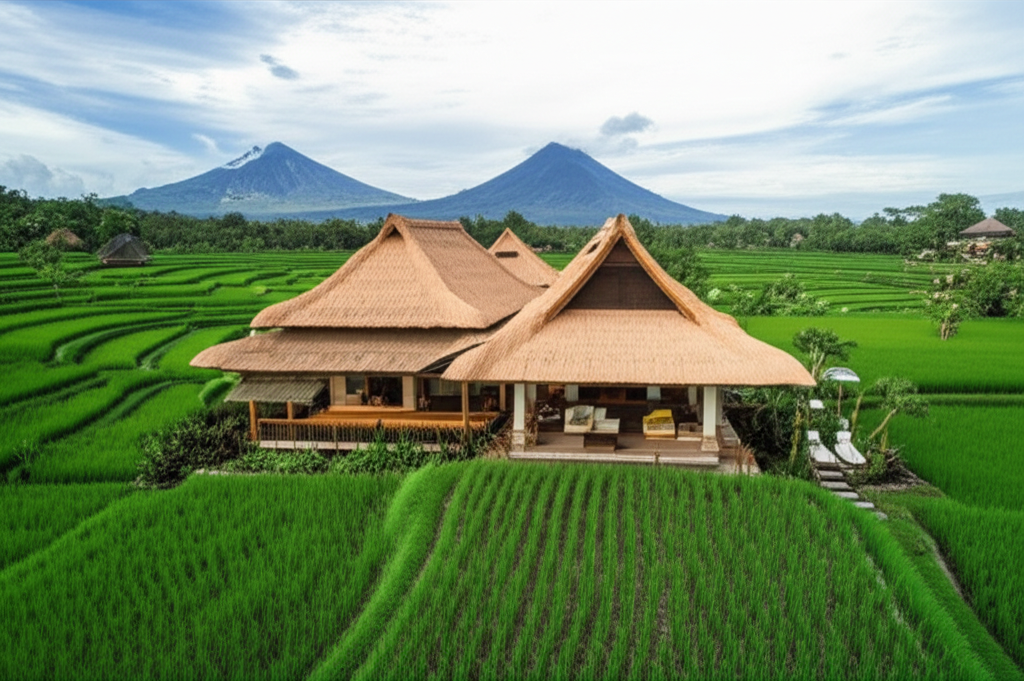
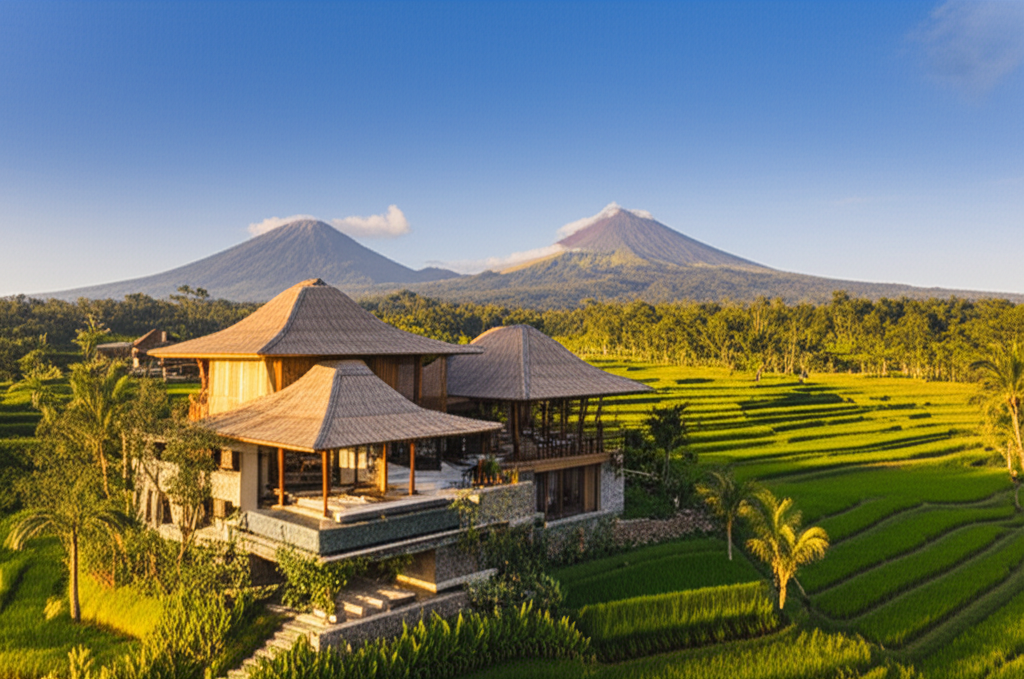
Once the vision is clear, the journey moves to selecting the ideal plot of land – a critical step in Bali due to its unique legal landscape and diverse environments. Key considerations for site selection in Bali include land legalities, primarily the distinction between freehold (Hak Milik) and leasehold (Hak Sewa). Foreigners typically navigate the complexities of leasehold agreements, which involve leasing land for a defined period, often with options for extension. Thorough legal counsel is indispensable here to ensure secure tenure. Beyond legalities, assess the site’s accessibility for both construction logistics and future residents. The surrounding views – be it the expansive ocean, serene rice paddies, or majestic volcanoes – are often defining features of a Bali villa and significantly impact its appeal and value. Proximity to essential amenities such as shops, restaurants, medical facilities, and schools should align with the villa’s intended use. Furthermore, consider the environmental impact, aiming for a site that allows for sustainable building practices and minimal disruption to the local ecosystem, a principle deeply ingrained in Balinese culture.
With a potential site identified, the initial technical groundwork is laid through a detailed site survey and comprehensive soil analysis. A precise site survey maps the topography, existing natural features, boundaries, and potential utility access points. This information is crucial for accurate architectural planning and avoiding unforeseen challenges. Even more critical for structural integrity and compliance with local building codes is the soil analysis. Bali’s varied geological makeup, ranging from volcanic to sandy or clay soils, dictates specific foundation requirements. Ignorance of these geological nuances can lead to severe and costly structural issues down the line. These meticulous initial steps ensure a solid, secure, and compliant foundation, setting the stage for the architectural design and subsequent permitting process. This rigorous groundwork is the cornerstone of a successful build, ensuring that “Your Bali Villa Awaits” not only meets aesthetic aspirations but stands strong against the test of time and climate.
Architectural Design and Permitting Navigating Balinese Regulations
Once the ideal site is secured and the foundational vision established for your villa construction Bali, the journey transitions into the intricate realm of architectural design. This phase is paramount, shaping not only the aesthetic appeal but also the functionality and harmony of your future dwelling. In Bali, architectural design is deeply rooted in the philosophical principles of Tri Hita Karana – the pursuit of harmony between humans, nature, and the divine. This ancient wisdom translates into design choices that prioritize natural integration and spiritual balance. For instance, open living spaces that blur the lines between indoors and outdoors are a direct manifestation, allowing residents to feel connected to the lush Balinese landscape and embrace the island’s gentle breezes. Natural ventilation systems, often achieved through strategic window and door placement and roof overhangs, are not merely energy-efficient but also align with the principle of living in concert with nature. The orientation of the villa, considering the sun’s path and prevailing winds, ensures optimal natural light and airflow, creating comfortable interiors without excessive reliance on artificial cooling.
Another vital Balinese concept influencing design is Tri Mandala, which dictates spatial zoning. This traditional principle guides the layout and hierarchy of spaces, often categorizing areas into sacred, public, and private zones. In villa design, this might mean situating bedrooms (private) away from main living areas (public) and integrating smaller, dedicated spaces for prayer or contemplation (sacred), or simply ensuring clear functional separation. These principles ensure that your Bali villa is not just a structure, but a living space that resonates with the island’s unique cultural and environmental ethos.
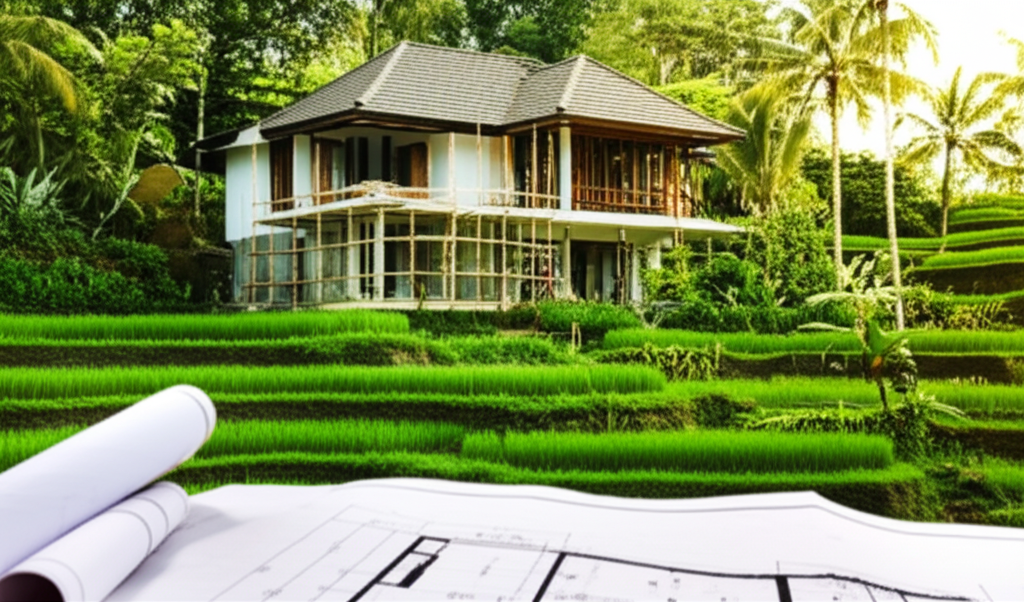
Beyond the artistic and philosophical aspects, the architectural design phase also rigorously involves navigating Bali’s regulatory landscape to secure necessary permits and licenses. The most critical of these is the IMB (Izin Mendirikan Bangunan), the building permit, which is essential for any villa construction project. This process, while seemingly bureaucratic, ensures that your construction adheres to local safety standards, zoning laws, and aesthetic guidelines. Submitting detailed architectural drawings, structural calculations, and a comprehensive project plan is part of this rigorous application. Additionally, depending on the scale and location of your project, environmental impact assessments (AMDAL or UKL-UPL) may be required. These assessments are crucial for demonstrating that your villa construction will not adversely affect Bali’s delicate ecosystem and will comply with environmental protection regulations.
The complexity of Indonesian building regulations and cultural nuances makes it imperative to collaborate with local experts. Engaging experienced Balinese architects who are proficient in integrating both modern design with traditional principles and local building codes is invaluable. Similarly, working with legal experts who specialize in Indonesian property law and permitting processes can significantly streamline the application journey, preventing costly delays and ensuring full compliance. These local professionals act as indispensable guides, safeguarding your investment and ensuring that your construction in Bali proceeds smoothly and legitimately. They possess the nuanced understanding of local government procedures and cultural considerations that are often critical to success.
Material Sourcing and Sustainable Practices Crafting Your Bali Villa
With the architectural vision firmly established and regulatory approvals secured, the next pivotal stage in realizing your paradise villa is the deliberate selection and sourcing of materials. This phase is fundamental to expert construction, focusing on elements that are not only structurally sound and aesthetically pleasing but also intrinsically linked to Bali’s environment and sustainable ethos. We prioritize locally available resources, ensuring that your Bali villa is deeply rooted in its surroundings, both visually and environmentally.
Traditional Balinese materials offer unparalleled advantages in tropical climates. For roofing, various forms of thatch are emblematic of island architecture. *Ijuk*, derived from black palm fibers, is exceptionally durable and provides superior natural insulation, creating cool interiors and an iconic dark, shaggy silhouette. *Rumbia*, made from sago palm leaves, offers a lighter, airy alternative, often used for smaller structures and creating excellent natural ventilation. For a more robust and longer-lasting option, *sirap* shingles, crafted from ironwood, present a distinct textured roof that weathers beautifully over time, blending modern durability with traditional aesthetics. These roofing choices significantly contribute to the authentic Balinese aesthetic and the passive cooling performance of your home.
Beyond roofing, the versatile properties of *bamboo* make it a rapidly renewable and incredibly strong material. Treated bamboo is suitable for a wide array of applications, from structural columns and wall panels to intricate decorative elements. Its flexibility allows for unique architectural expressions, fostering a light footprint and an organic feel within the villa. For interior and exterior finishes, *coconut wood* serves as an excellent sustainable alternative to conventional hardwoods, repurposed from mature coconut palms. It boasts a unique grain and density, ideal for flooring, decking, and custom furniture. *Teak wood*, when sourced responsibly from certified plantations, remains a premium choice for its natural resistance to pests and moisture, contributing to the timeless elegance of high-end residential construction in Bali.
Local *brick* and *stone* are essential to grounding the villa within the Balinese landscape. Locally produced red brick is commonly used for structural walls, providing thermal mass that helps regulate indoor temperatures by absorbing heat during the day and releasing it at night. For distinctive ornamentation, *sandstone* (*batu paras*) is highly valued. Its soft, carveable nature allows for intricate reliefs, statues, and decorative wall panels that reflect the island’s rich artistic heritage. *Andesite* (*batu candi*), a harder volcanic stone, offers durability for pathways, retaining walls, and bold architectural accents, imparting a natural, earthy feel. These materials not only enhance the villa’s thermal performance but also its visual appeal, making it a harmonious extension of Bali’s natural beauty.
Our commitment to an eco-friendly and responsible construction process extends to meticulous sustainable building practices. This includes comprehensive waste management strategies on site, where materials are sorted, recycled, and repurposed to minimize landfill contributions. Energy-efficient design is paramount, integrating passive cooling techniques like strategic orientation to optimize natural light, cross-ventilation to reduce reliance on air conditioning, and extensive shading from overhangs and landscaping. Furthermore, the integration of rainwater harvesting and greywater recycling systems can significantly reduce the villa’s water consumption, ensuring your property aligns with the principles of sustainable design. This holistic approach to material sourcing and sustainable practices ensures your Bali villa is not just a dream home, but a responsible and enduring part of the island’s future, embodying our dedication to crafting eco-friendly homes and resorts.
Construction Management and Quality Assurance From Groundwork to Roof
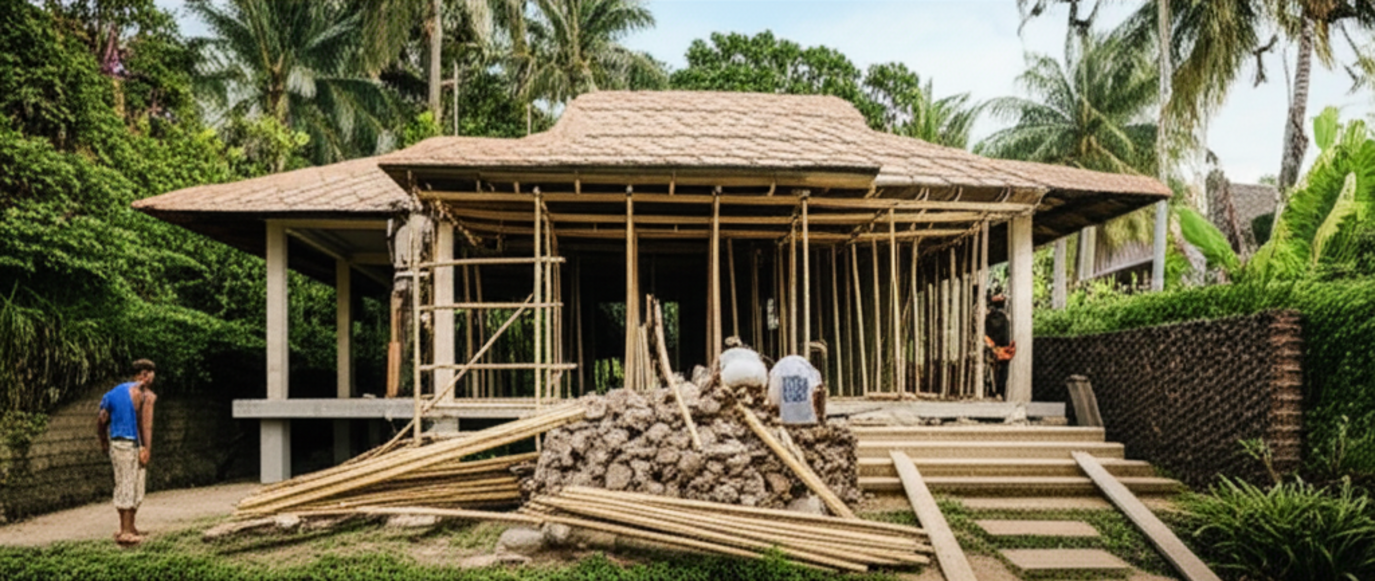
The journey of your Bali villa from conceptual design to a tangible structure is orchestrated by meticulous construction management and rigorous quality assurance. After the initial site preparations and careful material sourcing, the physical transformation begins with the groundbreaking, leading directly into the foundational elements of your future paradise. The first critical stage is foundation pouring, where the stability and longevity of your villa are cemented. Given Bali’s diverse topography and seismic considerations, selecting and executing the correct foundation technology is paramount. Our teams ensure precise excavation and the pouring of reinforced concrete foundations, adhering to stringent engineering specifications to provide a robust base for your entire structure. This initial phase demands exactitude, as any oversight here can compromise the entire build. Understanding the best foundation construction practices ensures your villa stands strong against the elements.
Following the foundation, the structural framing takes shape, forming the skeleton of your Bali villa. This involves the erection of columns, beams, and slabs, typically using reinforced concrete, a resilient choice for tropical climates. This stage defines the spatial layout and load-bearing capabilities of the building, and our experienced engineers meticulously oversee its execution to guarantee structural integrity and safety. For more insights into these critical elements, explore our details on structural construction in Bali. Next, the roofing installation commences. Whether opting for traditional Balinese alang-alang thatch, durable ironwood shingles, or modern tile solutions, the roof is crucial for protection and aesthetic appeal. Each method has specific installation requirements to ensure waterproofing and thermal comfort, with our experts guiding choices for optimal roofing solutions for Bali’s tropical climate.
Concurrently with the structural work, the MEP (Mechanical, Electrical, Plumbing) rough-ins are strategically integrated. This involves laying down the intricate networks of piping, wiring, and ductwork within the walls and floors before they are sealed. Proper planning and installation at this stage are vital for the villa’s future functionality, comfort, and safety, requiring the expertise of specialized technicians in expert MEP engineering in Bali. Once the MEP rough-ins are in place, wall construction and finishing progress, typically using local bricks or concrete blocks, which are then rendered and prepared for the subsequent interior and exterior finishes.
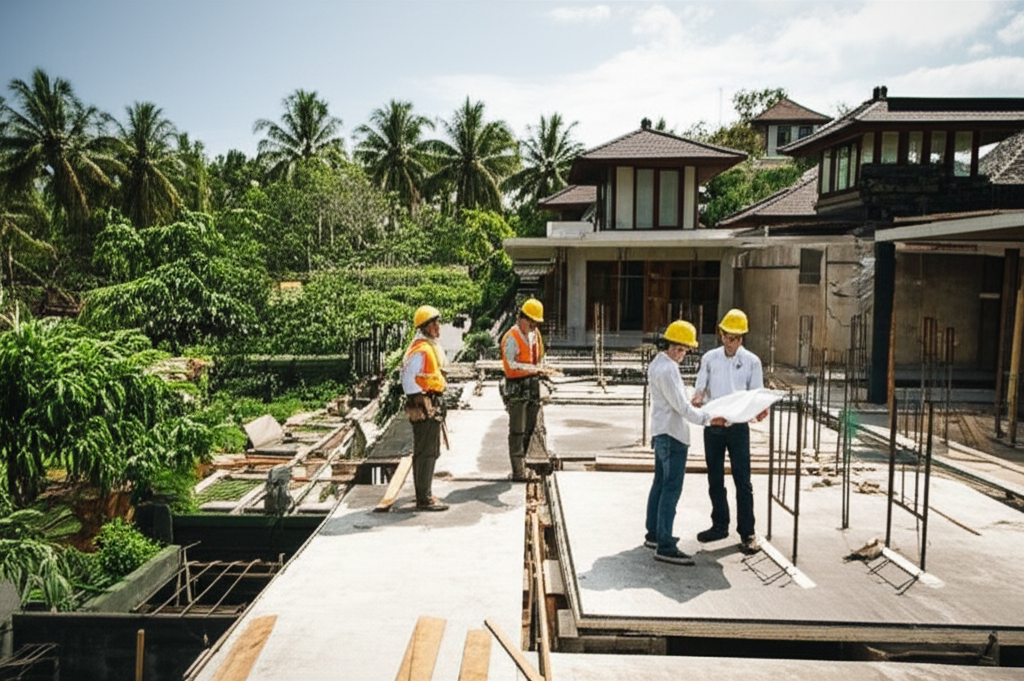
Throughout these stages, the role of experienced project managers and supervisors is indispensable. They are the driving force behind maintaining tight schedules, adhering to budgets, and, most importantly, upholding rigorous quality control. From daily site inspections to weekly progress meetings, their oversight ensures that every aspect of the construction management in Bali process meets the highest standards. Safety protocols on site are strictly enforced, protecting both workers and the integrity of the project. Regular inspections by independent third parties and continuous client communication through detailed reports and site visits provide transparency and peace of mind, affirming our commitment to construction quality control in Bali. This meticulous approach guarantees that your Bali villa awaits you with a solid foundation and a expertly crafted main structure, ready for the exquisite interior finishes and landscaping to transform it into your dream paradise.
Interior Finishing Landscaping and Final Handover
With the structural integrity of your Bali villa expertly established, the focus gracefully shifts to the meticulous artistry of interior finishing, transforming raw spaces into an inviting sanctuary. This crucial phase defines the villa’s character, blending contemporary comforts with the timeless allure of Balinese aesthetics. Design choices here are paramount, dictating the ambiance and functionality of each room. From bespoke cabinetry crafted from local hardwoods to intricate tile work and carefully selected lighting fixtures, every element contributes to the overall aesthetic. The selection of Furniture, Fixtures, and Equipment (FF&E) involves sourcing high-quality materials, often incorporating natural elements like teak, rattan, and local stone, alongside modern appliances and smart home technologies, ensuring a harmonious balance between tradition and innovation. The goal is to create interiors that are not only visually stunning but also inherently comfortable and functional, reflecting the serene spirit of Bali.
Beyond the walls of your exquisitely crafted villa, the landscaping takes center stage, extending the living experience into the lush tropical environment. This involves strategic planning for tropical plant selection, ensuring a vibrant yet low-maintenance garden. Indigenous flora such as frangipani, bougainvillea, and various palm species are chosen for their beauty, shade, and ability to thrive in Bali’s climate, creating natural privacy screens and enhancing the villa’s curb appeal. A significant feature for many Bali villas is the swimming pool, an oasis designed for relaxation and enjoyment. From elegant infinity-edge pools that seem to spill into the horizon to natural stone-clad designs, the pool becomes the focal point of the outdoor living space. Complementary outdoor areas, including shaded gazebos, comfortable sundecks, and artfully laid pathways, are meticulously integrated to encourage seamless indoor-outdoor living, enhancing the overall appeal and value of your Bali villa construction.
As your dream villa approaches completion, the final stages involve a comprehensive inspection and formal handover. This critical process begins with a rigorous final inspection, where you, alongside your general contractor in Bali, meticulously review every detail to ensure it meets the agreed-upon specifications and quality standards. Any minor defects are identified and rectified promptly, ensuring your complete satisfaction. The formal handover involves the transfer of all essential documentation, including appliance manuals, material specifications, as-built drawings, and all applicable warranties. This thorough documentation provides peace of mind and is vital for future maintenance and potential property management. To ensure your expertly constructed Bali villa remains a paradise for years to come, consider professional property management services. These services can handle routine maintenance, rental management if applicable, and ensure the longevity and pristine condition of your investment, allowing you to fully enjoy your slice of paradise without the logistical burdens of day-to-day upkeep in construction in Bali.
Conclusions
Building your Bali villa is an intricate yet rewarding endeavor. By understanding the processes, regulations, and embracing Balinese architectural principles, you can achieve a truly remarkable home. From initial design to the final handover, expert guidance ensures a seamless and successful project. Your exquisite villa in paradise, crafted with precision and passion, awaits to offer an unparalleled living experience.