Table of Contents
- The Bali Dream Foundation Laying the Groundwork for Your Villa
- Designing Your Tropical Oasis Blending Tradition and Modernity
- Navigating Permits and Regulations Securing Your Bali Villa Build
- Expert Construction from Ground Up The Building Journey
- Finishing Touches and Beyond Creating Your Personalized Paradise
- Conclusions
Embarking on the journey of villa construction in Bali is an exciting prospect, promising a blend of luxury and tropical tranquility. This guide will walk you through the essential steps, from the initial vision to the final touches, ensuring your dream Bali villa is built with expertise and precision. Discover how to navigate the unique landscape of Balinese construction, ensuring a seamless and successful build.
The Bali Dream Foundation Laying the Groundwork for Your Villa
The Bali Dream Foundation Laying the Groundwork for Your Villa
The journey to owning a Bali villa begins with a profound understanding of what building in paradise truly entails. It’s more than just a construction project; it’s an immersion into a unique cultural and regulatory landscape. The initial phase is critical, laying a solid foundation not just structurally, but also legally and financially. This stage involves deep research and a clear vision, ensuring your dream aligns with the practical realities of island development.
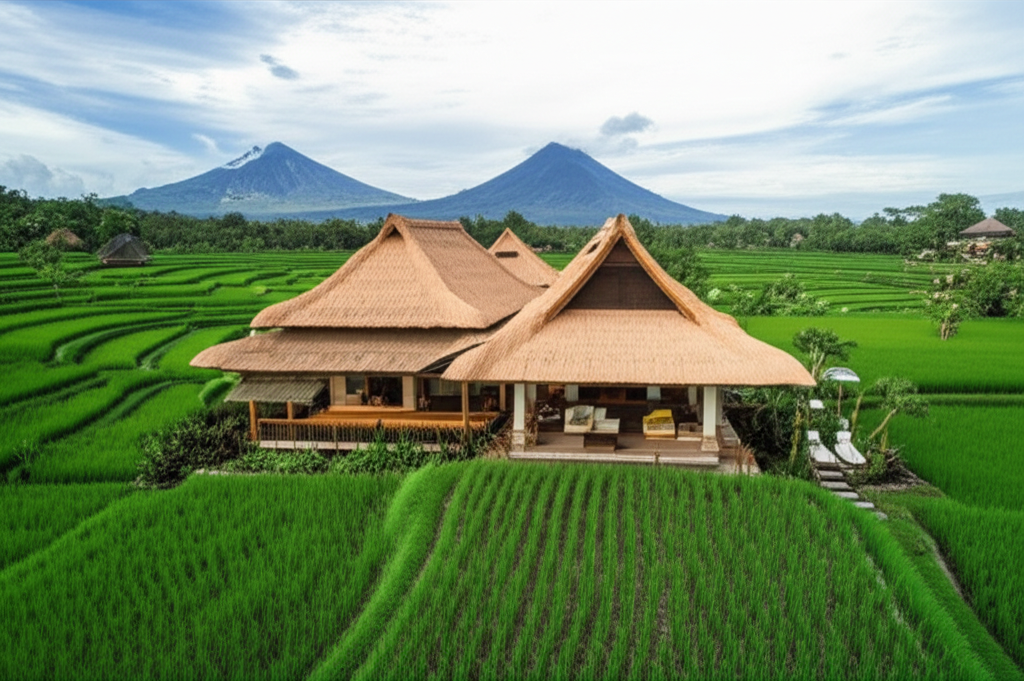
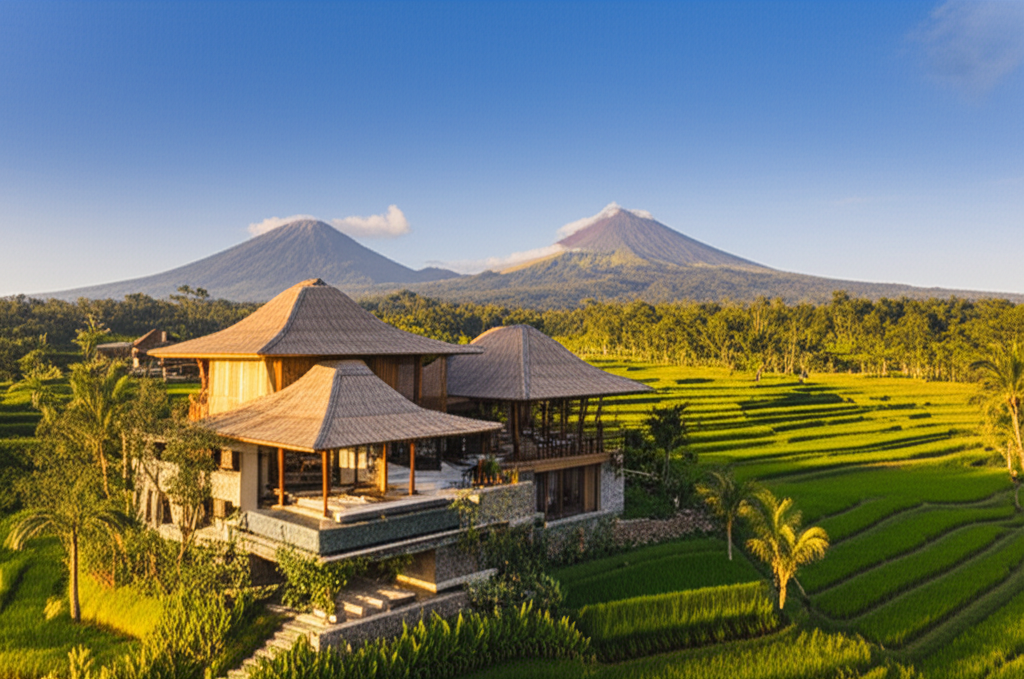
The undeniable charm of Bali, often called the “Island of the Gods,” draws aspiring villa owners from across the globe. Its lush landscapes, vibrant spiritual culture, pristine beaches, and world-renowned hospitality create an unparalleled backdrop for a tropical home. Imagine waking up to the gentle sounds of nature, surrounded by rice paddies, or enjoying breathtaking ocean views. This allure isn’t just about aesthetics; it’s about a lifestyle—a blend of tranquility, adventure, and cultural richness that few places can offer. This unique environment makes the prospect of villa construction Bali an incredibly attractive endeavor.
Selecting the ideal plot of land is perhaps the most pivotal initial decision. Bali offers a diverse palette of environments, each with its distinct advantages.
* Cultural Hubs: Areas like Ubud, nestled amidst emerald rice fields and sacred monkey forests, offer proximity to art galleries, holistic retreats, and traditional Balinese performances. This is perfect for those seeking cultural immersion and a vibrant, yet serene, community.
* Coastal Access: For beach lovers and surf enthusiasts, locations along the southern coast, such as Canggu, Seminyak, or Uluwatu, provide easy access to world-class beaches, surf breaks, and buzzing nightlife. These areas often command higher prices but offer excellent rental potential.
* Rural Tranquility: For those desiring ultimate peace and privacy, exploring more remote regions or inland villages can yield stunning natural beauty and a deeper connection to local life, often at a more accessible price point.
A thorough understanding of zoning regulations and future development plans for your chosen area is paramount. A feasibility study at this stage, conducted by local experts, can reveal critical insights into potential challenges and opportunities specific to the plot. This foresight is crucial for any successful Bali construction project.
Understanding land tenure in Indonesia, particularly for foreign investors, is complex and requires meticulous attention. Foreign individuals cannot own freehold land (Hak Milik) directly. The most common and secure methods for foreigners to control land for villa construction are:
* Long-term Lease Agreements (Hak Sewa or Leasehold): This is the most prevalent and practical option. A leasehold agreement grants you the right to use and develop the land for a specific period, typically 25 to 30 years, with options for extensions. These extensions are usually pre-agreed upon, providing a secure tenure for decades. It’s akin to renting the land for a very long duration, during which you own the physical structures built upon it.
* Right to Build (Hak Guna Bangunan – HGB): While primarily for Indonesian entities, foreigners can potentially hold HGB through a PT PMA (foreign-owned company) structure. This grants the right to construct and possess buildings on state or freehold land for an initial period of 30 years, extendable for another 20 years, and then another 30 years. This offers a more robust form of control but involves establishing a local company.
From a general perspective, land tenure refers to the relationship, whether legally or customarily defined, between people and land. It dictates who can use land, for how long, and under what conditions. Different agreements, like leaseholds or rights to build, define the specific rights and responsibilities of the land user, including the ability to construct, modify, or transfer property. These agreements are the bedrock of any property investment and dictate the long-term viability and security of your villa. Therefore, engaging reputable Bali contractors and legal professionals specializing in Indonesian property law is not merely recommended, but absolutely essential. They will guide you through due diligence, verify land titles, and ensure all agreements are legally sound and protect your investment. Without expert legal counsel, navigating these intricacies can lead to significant complications down the line.
Before any groundbreaking occurs, a comprehensive feasibility study is non-negotiable. This involves more than just assessing the physical plot. It includes evaluating access to utilities (water, electricity), potential environmental impacts, and the local labor market. Understanding the local context extends to appreciating Balinese culture, customs, and community dynamics. Building harmonious relationships with local villagers is often as important as securing legal permits. This initial groundwork, though time-consuming, prevents costly mistakes and ensures your Bali villa project proceeds smoothly, from conception to completion. It’s about being prepared for the unique challenges and embracing the unparalleled opportunities that building in Bali presents. This holistic approach ensures your tropical home is not just built, but thoughtfully integrated into its remarkable surroundings.
Designing Your Tropical Oasis Blending Tradition and Modernity
Designing Your Tropical Oasis: Blending Tradition and Modernity
With the groundwork laid and your chosen location secured, the exciting journey of shaping your tropical haven truly begins: architectural design. The essence of a Bali villa lies in its profound connection to the island’s rich heritage, a tapestry woven from indigenous beliefs and Hindu influences. Ancient Balinese architecture is not merely about aesthetics; it’s a spiritual expression, evident in its intricate carvings, symbolic layouts, and the thoughtful integration of natural elements. Pre-Hindu animistic reverence for nature remains a powerful undercurrent, inspiring designs that embrace the landscape rather than dominate it. Today, contemporary villa construction in Bali masterfully blends these time-honored aesthetic principles with modern trends and international influences, creating spaces that are both authentic and luxurious.
At the heart of Balinese architectural philosophy are core concepts that guide every design. Tri Hita Karana, meaning harmony between humans, nature, and God, dictates a balanced approach to site planning and building orientation. This principle encourages designs that respect the natural contours of the land, optimize natural light and airflow, and incorporate features like water gardens or sacred areas, ensuring the villa exists in equilibrium with its environment. Following this is Tri Mandala, a spatial division that categorizes areas into Nista (outer, profane), Madya (middle, transitional), and Utama (inner, sacred). This is often translated into the villa’s layout, where the entrance and service areas might be Nista, living and dining spaces Madya, and bedrooms or meditation areas Utama, progressing from public to private, less sacred to more sacred. Further defining spatial organization is Sanga Mandala, a nine-part grid based on cardinal directions, which historically dictated the placement of different structures within a compound, and now influences the strategic positioning of rooms and features within a modern villa to optimize energy flow and functionality. Embracing these philosophies from the outset with expert architectural services for your Bali build ensures your home resonates with the island’s spirit.
A crucial aspect of crafting a truly authentic and sustainable Bali villa is the discerning use of natural and local materials. These materials not only ground the structure in its environment but also tell a story of craftsmanship and tradition. For roofing, various thatch options offer unique aesthetics and excellent insulation; ijuk, a dark fiber from the sugar palm, provides a dramatic, long-lasting finish; rumbia, sago palm leaves, create a softer, more traditional look; while sirap, ironwood shingles, offer a durable and refined alternative. The versatility of bamboo is showcased in structural elements, decorative screens, and even bespoke furniture. Coconut wood, with its distinct grain, is employed for structural beams, flooring, and decorative accents, celebrating its natural beauty. For more robust and luxurious applications, teak wood is the premium choice for structural components, elaborate doors, windows, and intricate carvings, revered for its durability and rich aesthetic. Traditional brick is often used for walls, sometimes left exposed for a rustic charm. Sandstone, in various hues, is expertly carved for decorative panels, boundary walls, and water features, infusing warmth and artistic detail. Dark, volcanic andesite stone, known for its strength, is used for foundations, accent walls, and landscaping, connecting the villa firmly to the island’s geological heritage. For more on design and build services in Bali, consider exploring further.
The importance of collaborating with local architects cannot be overstated when embarking on villa construction in Bali. Their indigenous knowledge of Balinese culture, climate, and construction practices is invaluable in translating these philosophies and material choices into a coherent, culturally sensitive, and structurally sound design. They understand the nuances of local customs and how to integrate them respectfully into your living space, ensuring that your dream home is not just a building, but a part of Bali. This local expertise also plays a pivotal role in promoting open-plan living and seamless indoor-outdoor integration, a hallmark of tropical architecture. Designs often feature expansive openings, sliding glass doors, and open-air pavilions that blur the lines between interior living spaces and lush gardens, inviting the gentle breezes and natural beauty of Bali inside. Swimming pools often become extensions of the living areas, creating a continuous flow that maximizes the tropical experience. This harmonious blend creates a sanctuary where every corner invites relaxation and connection with the surrounding paradise. For comprehensive solutions, consider a general contractor in Bali experienced in such integrated design. Such meticulous design consideration lays a solid foundation, preceding the crucial next steps of navigating permits and regulations.
Navigating Permits and Regulations Securing Your Bali Villa Build
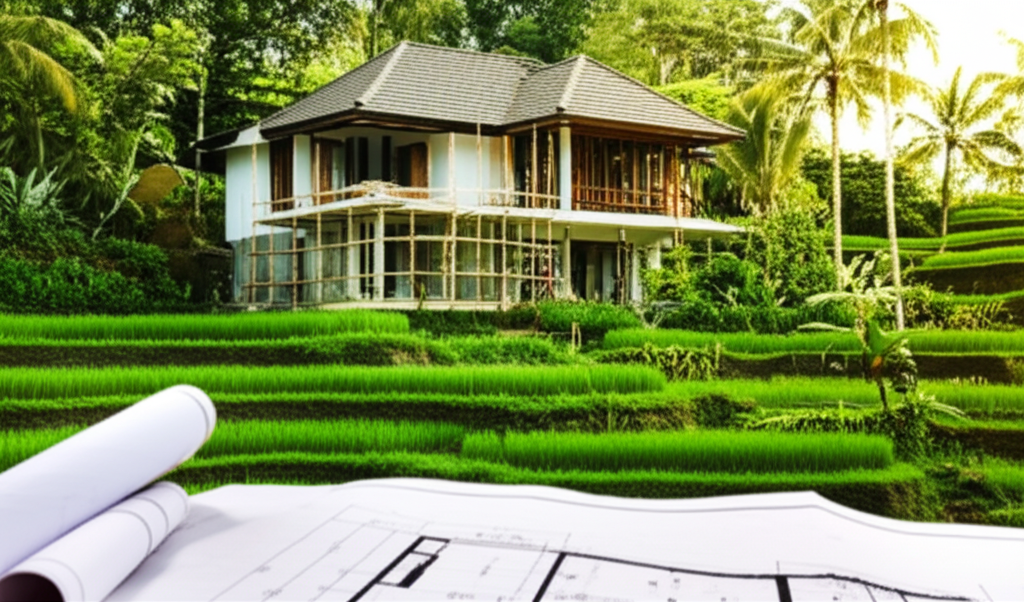
The dream of constructing a tropical home in paradise, a Bali villa, moves from conceptual design to tangible plans, but before the first stone is laid, a critical phase of administrative diligence must be meticulously navigated: securing the necessary permits and understanding local regulations. This process, often underestimated in its complexity and timeline, is fundamental to ensuring your villa construction in Bali proceeds smoothly, legally, and without future impediments. It’s not merely a formality but a safeguard for your investment and a demonstration of respect for the local governance and community.
At the heart of the permitting landscape in Indonesia, and specifically for villa construction in Bali, lies the building permit. While historically known as _Izin Mendirikan Bangunan_ (IMB), the regulatory framework has evolved, and the new system, the _Persetujuan Bangunan Gedung_ (PBG), which replaced the former IMB, is the cornerstone of any legal building project in Bali. The PBG is essentially an approval from the local government confirming that your building plan adheres to zoning laws, safety standards, and environmental regulations. Obtaining this is non-negotiable and acts as your official permission to commence construction. Without a valid PBG, any construction undertaken is illegal, risking hefty fines, demolition orders, and significant legal complications, which can effectively derail your entire project and investment.
Beyond the PBG, there are often other essential licenses and approvals required, depending on the scale and location of your villa. These can include environmental impact assessments (_Analisis Mengenai Dampak Lingkungan_ – AMDAL or UKL-UPL for smaller projects), which evaluate the potential environmental consequences of your development and outline mitigation strategies. There might also be permits related to water usage, waste management, or specific local customary land-use approvals, especially in areas governed by traditional Balinese _adat_ law. The cumulative effect of these various requirements creates a multi-layered application process that demands thoroughness and patience.
The complexities and timelines associated with these processes are significant. It is not uncommon for the entire permitting phase to extend over several months, sometimes even longer, due to the intricate bureaucratic steps, potential reviews, and the need for coordination across multiple government departments. Each document submitted must be impeccable, reflecting precise measurements, structural plans, and adherence to Bali’s often intricate architectural requirements, land-use zoning (RTRW – _Rencana Tata Ruang Wilayah_), and cultural sensitivities. Any discrepancies or incomplete documentation can lead to significant delays, requiring resubmissions and prolonging the wait, directly impacting your overall construction schedule and budget.
Emphasizing the need for thorough documentation, compliance with zoning laws, and adherence to environmental impact assessments cannot be overstated. _Every detail matters_, from the correct classification of your land (e.g., residential, tourism, or green belt) to ensuring your design respects setback requirements and local building height restrictions. Ignoring these can lead to costly redesigns or, worse, mandated modifications post-construction. Furthermore, environmental impact considerations are increasingly stringent, reflecting Bali’s commitment to sustainable development. Demonstrating your project’s minimal ecological footprint and positive contribution to the local environment is becoming a vital part of the approval process.
Given these inherent complexities, the importance of engaging experienced local agents or legal professionals to streamline the permitting process and avoid costly delays cannot be overstated. These professionals possess invaluable knowledge of the constantly evolving regulatory landscape, understand the nuances of local government procedures, and often have established relationships that can facilitate smoother communication and faster processing. They can act as your indispensable guide, preparing all necessary documentation, liaising with relevant authorities, and proactively addressing any potential issues before they escalate. Their expertise ensures that all aspects of your Bali villa construction are compliant with Indonesian law and Balinese cultural norms, laying a solid foundation for your expert construction from start to finish. This proactive engagement makes project planning in Bali much smoother, securing your dream tropical home in paradise. By partnering with knowledgeable local agents or legal professionals, you significantly mitigate risks, ensuring that your investment is protected and your vision for a beautiful, legally compliant Bali villa becomes a reality.
Expert Construction from Ground Up The Building Journey
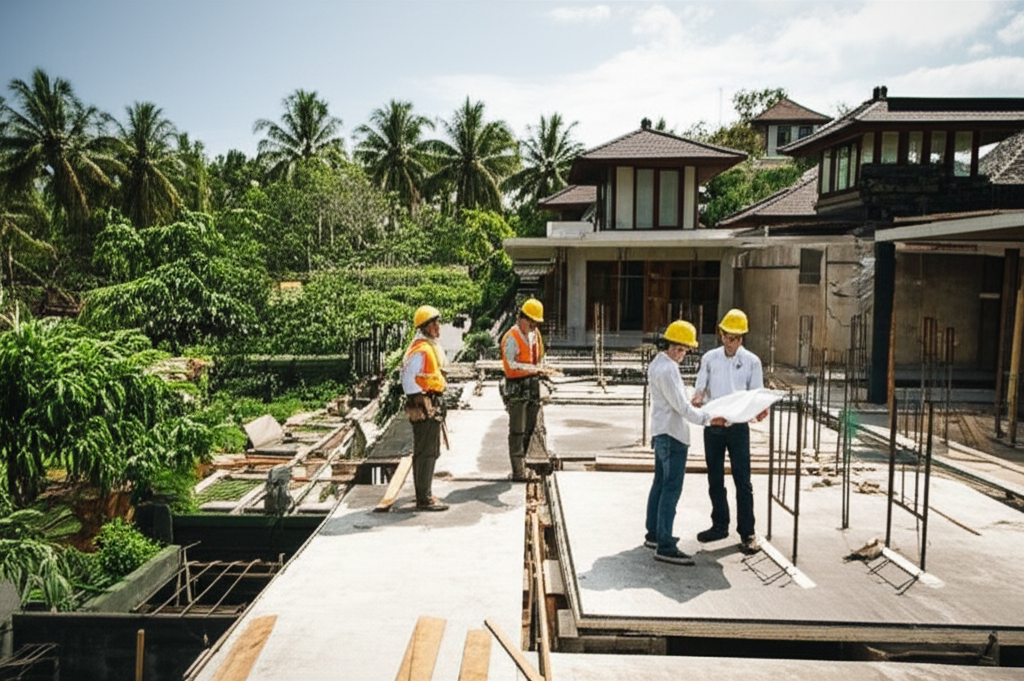
With your permits and regulatory approvals in hand, the exhilarating phase of actual villa construction in Bali begins. This journey transforms blueprints into your tangible tropical retreat, demanding meticulous planning and execution. The first critical step is selecting a reputable and experienced construction company that specializes in building in Bali. Look beyond glossy brochures and prioritize a contractor with a proven track record, extensive local knowledge, and transparent communication. A company like ours, dedicated to construction in Bali, offers not only technical expertise but also a deep understanding of the island’s unique environment and cultural nuances. Seek firms with a comprehensive portfolio of completed villas, glowing testimonials, and a team of seasoned project managers who will serve as your eyes and ears on the ground.
Once your ideal construction partner is chosen, the project management process unfolds systematically. It commences with diligent site preparation, which involves clearing and leveling the land, establishing temporary utilities, and ensuring proper access for materials and machinery. This initial phase sets the stage for everything that follows. Next, paramount attention is given to foundation laying. Given Bali’s diverse terrain and tropical climate, selecting the appropriate foundation technology is crucial for long-term structural integrity. Whether it’s a robust concrete slab or specific pile foundations to counteract challenging soil conditions, a strong base is non-negotiable. For a deeper dive into these critical first steps, explore our insights on building strong in Bali: foundation technologies for enduring properties.
Following the foundation, the structural framework takes shape, typically utilizing reinforced concrete for its resilience against seismic activity, a consideration in this region, and the humid climate. This framework forms the skeleton of your villa, defining its form and strength. Post-structure, roofing becomes a primary focus. The choice of roofing material significantly impacts both aesthetics and thermal performance. Traditional alang-alang (thatch) offers an authentic Balinese feel, while modern options like clay tiles or shingles provide durability and excellent weather resistance against heavy tropical rains. Proper roof design includes considerations for ventilation and efficient water runoff. You can learn more about suitable options by reading our article on optimal roofing solutions for Bali’s tropical climate.
As the structural work concludes, the various stages of finishing commence, bringing your villa to life. This includes:
* Installing sophisticated electrical systems, ensuring adequate power distribution, appropriate lighting, and critical surge protection against Bali’s occasional thunderstorms.
* Implementing efficient plumbing networks for water supply, drainage, and hot water systems, crucial for comfort.
* Expert tiling work in bathrooms, kitchens, and living areas, often utilizing local stones or ceramics to enhance the aesthetic.
* Applying plastering, painting, and installing doors and windows.
Throughout these stages, rigorous quality control measures are paramount. This involves regular site inspections, adherence to architectural drawings and specifications, material quality checks, and ongoing communication between the project manager and the client. This commitment to excellence ensures that every aspect of your villa meets the highest standards. Discover more about our approach to built to perfection: construction quality control in Bali.
Tropical construction presents unique challenges. The high humidity and intense heat necessitate careful material selection to prevent warping, rot, or mold. Heavy rainfall demands superior waterproofing and drainage solutions. Material sourcing can sometimes be a logistical puzzle, requiring an experienced contractor to navigate supply chains and ensure timely deliveries, especially to more remote areas of the island. Integrating the local workforce and artisans is not just a community benefit; it’s a practical advantage. Their invaluable local knowledge, traditional building techniques, and dedication contribute significantly to the project’s success and authenticity.
Finally, effective budget management is crucial to preventing unforeseen cost overruns. A reputable contractor provides detailed cost breakdowns, manages expenses diligently, and maintains absolute transparency and accountability at every stage. Regular financial reporting and clear communication about any potential changes ensure that your dream villa remains within your financial parameters. For comprehensive guidance on managing your investment, refer to our article on smart spending: navigating your construction budget in Bali. By meticulously overseeing these elements, your Bali villa will rise from the ground up, a testament to expert craftsmanship and thoughtful planning.
Finishing Touches and Beyond Creating Your Personalized Paradise
As the structural framework and essential infrastructure of your Bali villa conclude, the project transitions into the captivating realm of aesthetics and personalized comfort. This phase is where your vision truly comes alive, meticulously sculpted by skilled artisans and designers. Interior design is paramount, offering a spectrum from traditional Balinese elegance to sleek, modern minimalist styles. A traditional Balinese theme incorporates rich, dark woods, intricate carvings, natural stone, and local textiles, creating an atmosphere of warmth and cultural depth. This approach seamlessly integrates the villa with its natural surroundings, blurring lines between indoor and outdoor living. Conversely, a modern minimalist design emphasizes clean lines, open spaces, neutral palettes, and functionality, often employing polished concrete, glass, and contemporary furnishings. The key is ensuring the chosen theme harmonizes with the architectural flow, reflecting your personal taste while honoring the island’s spirit. Our expertise in integrated contractor interior design in Bali ensures this seamless transition.
Beyond the walls, creating a lush tropical landscape is fundamental to cultivating your private paradise. Bali’s fertile soil and benevolent climate provide an ideal canvas. Imagine pathways flanked by exotic Hoyas, towering Banana plants, striking Bird of Paradise flowers, delicate Ferns, and fruit-bearing Papaya trees. Elegant Orchids add refined beauty. To ensure this botanical haven’s sustained vitality, a sophisticated irrigation system is indispensable for consistent moisture. Regular fertilization replenishes vital nutrients, while consistent mulching helps retain soil moisture, suppress weeds, and enrich soil structure, fostering a thriving ecosystem. This transforms the garden into an extension of your living space, a verdant sanctuary. For comprehensive guidance on building your tropical haven, explore our guide on building your Bali dream. Understanding the nuances of construction in Bali from the start makes all the difference.
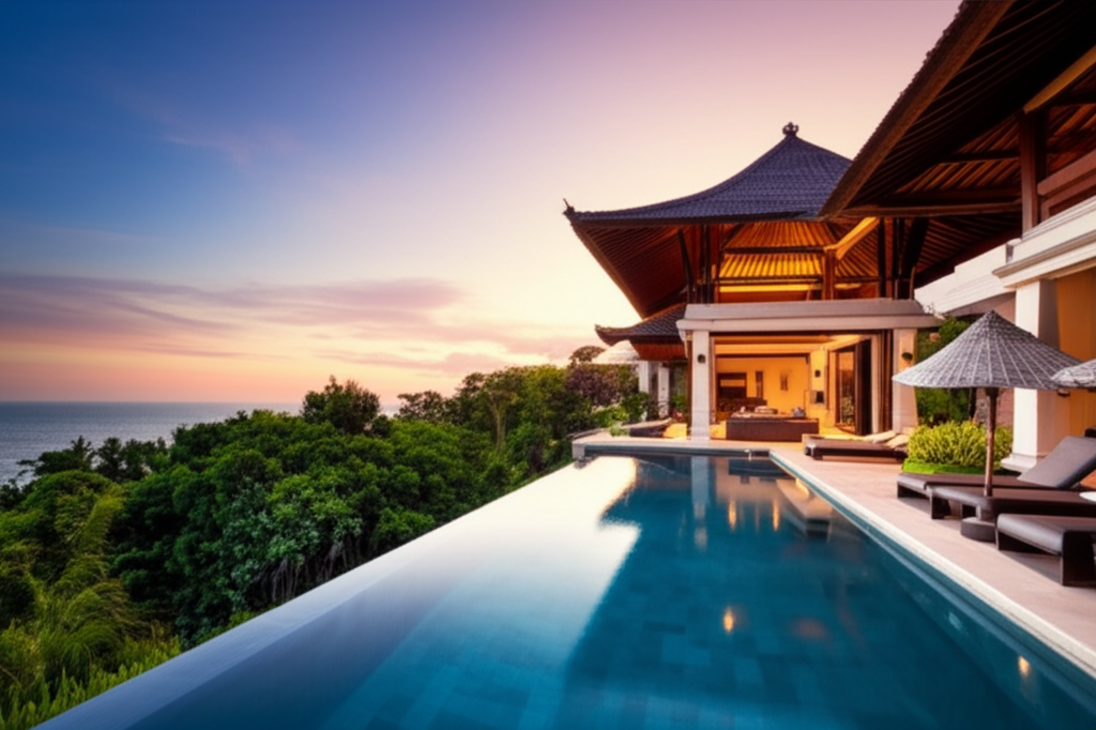
No Bali villa is truly complete without the allure of an infinity pool, a quintessential feature of tropical luxury. The visual effect of water seemingly merging with the horizon is breathtaking, requiring precise structural requirements. This illusion is achieved through a precisely engineered weir edge, where water gently cascades into a hidden trough below. From this trough, a sophisticated pump and filtration system efficiently recirculates the water, maintaining pristine conditions and the continuous “infinite” appearance. Construction of such a pool is more intricate and costly than a standard pool due to detailed engineering, specialized materials, and precise leveling for the vanishing edge effect. Yet, the unparalleled visual splendor and serene ambiance make it a worthwhile investment, enhancing your property’s value and appeal.
Integrating smart home technologies into your Bali villa offers new dimensions of convenience and security. Control lighting, climate, entertainment, and security with a touch or voice command. These systems can be tailored to your lifestyle, enhancing energy efficiency, providing peace of mind through remote monitoring, and elevating overall comfort. From automated blinds to intelligent climate control, smart home solutions bring modern luxury to your island retreat.
Once construction concludes, the journey shifts to enjoying and preserving your masterpiece. Post-construction maintenance in a tropical climate requires a proactive approach, including regular inspections for moisture, pest control, and upkeep of finishes. For personal use, focus on maintaining its pristine condition. For the lucrative rental market, engaging a professional property management team is prudent. They handle marketing, bookings, guest services, and routine maintenance, ensuring optimal returns stress-free. Ultimately, your exquisite, expertly built Bali villa stands as a testament to meticulous planning and execution, ready to offer a lifetime of unparalleled moments in paradise. Discover more about making your vision a reality by partnering with a general contractor.
Conclusions
Building your Bali villa is a profound journey that culminates in a personalized paradise. From understanding Balinese architectural philosophies to meticulous project management and embracing sustainable practices, every step is crucial. With expert guidance and a clear vision, your tropical dream home awaits, offering a sanctuary of beauty and serenity for years to come.