Table of Contents
- The Bali Villa Dream Unveiled
- Navigating Bali’s Legal Landscape for Foreigners
- Architectural Vision and Balinese Design Principles
- Sustainable Construction and Material Sourcing
- Assembling Your Expert Construction Team
- The Construction Journey From Ground Up
- Project Handover and Embracing Your Bali Villa Lifestyle
- Conclusions
Embarking on the journey of villa construction Bali is an exciting prospect, promising a slice of paradise. This article provides a comprehensive guide to understanding the intricate process, from initial design concepts to the final touches. Discover how expert planning and execution can transform your vision into a stunning reality, ensuring your Bali villa awaits you with unparalleled quality and charm.
The Bali Villa Dream Unveiled
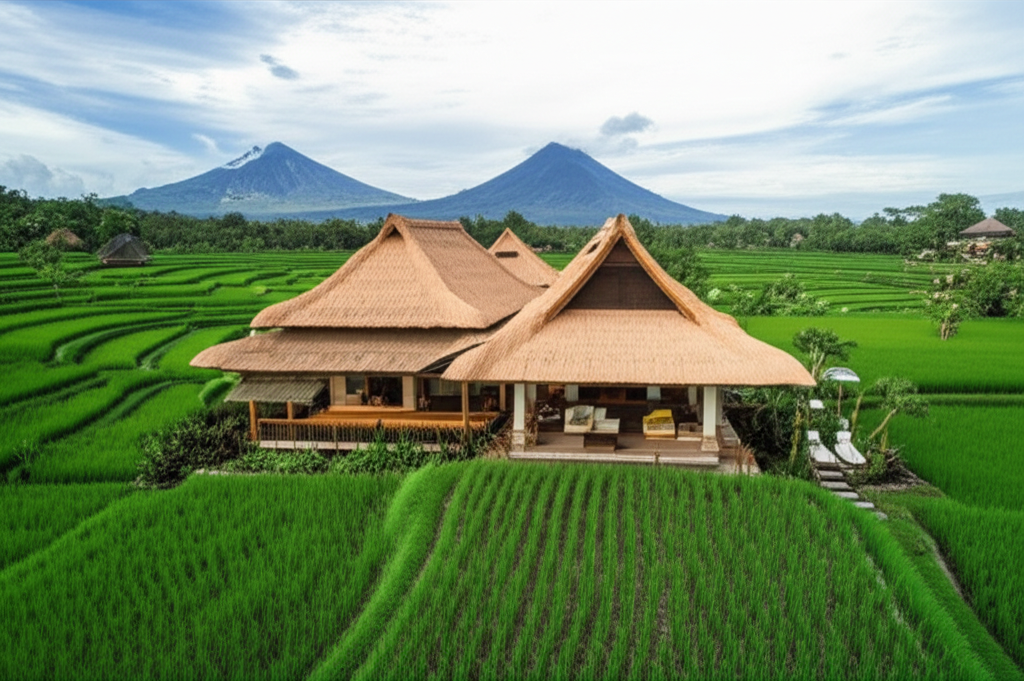
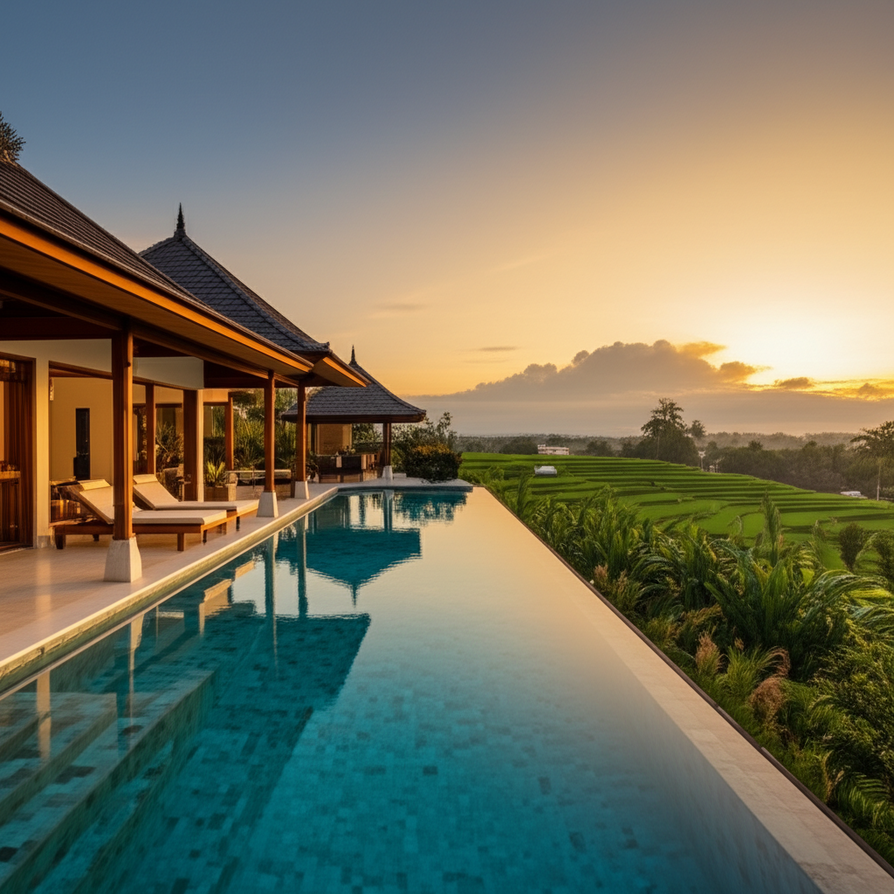
Imagine a place where the gentle whisper of ocean breezes mingles with the rustle of palm fronds, where vibrant green rice terraces cascade towards an azure sea, and ancient temples stand as silent sentinels of culture. This is Bali, an island that has captivated hearts and minds, evolving into more than just a holiday destination; it has become the ultimate canvas for those dreaming of a tropical home. The allure of building a villa in Bali isn’t merely about acquiring property; it’s about crafting a lifestyle, a sanctuary, and a tangible piece of paradise. The emotional appeal of such an investment runs deep, speaking to a desire for tranquility, a connection to nature, and the freedom to create a bespoke haven that perfectly reflects one’s aspirations. It’s about more than just square footage; it’s about waking up to breathtaking sunrises, enjoying serene sunsets from your private terrace, and immersing yourself in a culture renowned for its warmth and artistic spirit.
Bali has cemented its reputation as a prime location for those yearning for a tropical home due to its unique blend of spiritual essence, stunning natural beauty, and a thriving international community. This magnetic charm, coupled with attractive investment potential, draws individuals seeking not just a house, but a home that embodies an idyllic escape. The journey from a nascent idea—a vision sketched in your mind—to a tangible structure, a meticulously crafted villa, is an adventure filled with both excitement and intricate details. It’s a process that promises immense rewards, culminating in the profound satisfaction of seeing your dream materialize against the backdrop of this enchanting island. Indeed, the promise is clear: Your Bali villa awaits.
Undertaking *villa construction Bali* is an endeavor rich with complexities and equally profound rewards. It involves navigating a unique set of considerations, from understanding local building practices and sourcing materials to aligning with skilled craftsmen and adhering to regulatory frameworks. This journey demands careful planning, diligent oversight, and the right expertise to transform vision into reality. However, the rewards far outweigh the challenges. The ultimate outcome is not just a building, but a personalized masterpiece, a secure asset, and a haven for unforgettable memories. This article, your comprehensive guide to building your dream villa in Bali, will prepare you for the detailed insights that follow in subsequent chapters, ensuring you embark on this exciting path well-informed and confident. From the initial conceptualization to the final handover, every step is crucial, and our aim is to illuminate the path so that you can confidently declare that your Bali villa awaits, built to perfection and ready to embrace you. This is the foundation upon which your extraordinary Balinese life will be built, transforming a dream into a vibrant reality with expert construction in Bali.
Navigating Bali’s Legal Landscape for Foreigners
Navigating Bali’s Legal Landscape for Foreigners:
Once the allure of a tropical haven has captured your imagination, the pragmatic steps towards realizing your vision for villa construction Bali begin with a meticulous understanding of the legal landscape. For foreign investors, direct freehold ownership (Hak Milik) of land is generally not permissible under Indonesian law. This fundamental aspect shapes all initial considerations for land acquisition and necessitates careful legal structuring. The most common and secure pathways for foreigners involve either leasehold agreements (Hak Sewa) or the establishment of an Indonesian foreign investment company, known as a PT PMA (Perseroan Terbatas Penanaman Modal Asing), to acquire a Hak Guna Bangunan (Right to Build).
A leasehold agreement, or Hak Sewa, grants the right to use land and any structures on it for a specified period, typically ranging from 25 to 30 years, with options for extension. This structure provides a secure and common method for foreigners to build and own a villa in Bali, offering a robust contractual framework. Due diligence by experienced local legal counsel is paramount here, ensuring the original land title is clear, the lease terms are fair, and all clauses regarding extensions and transferability are unambiguously defined. The other principal route involves forming a PT PMA, through which the foreign investor can obtain a Hak Guna Bangunan (HGB), or “Right to Build.” This right typically lasts for an initial period of 30 years, extendable for another 20 years, and then renewable for a further 30 years, effectively offering a long-term secure tenure. This option is often favored for larger developments or commercial ventures, providing a stronger legal footing akin to ownership for the purpose of construction and operation. Understanding these distinct acquisition structures is the first critical step in securing your freehold vs leasehold for foreigners investment.
Beyond land acquisition, the permitting process is equally crucial. The indispensable Izin Mendirikan Bangunan (IMB), or building permit, serves as the cornerstone for any legal construction in Bali. Without a valid IMB, your villa construction Bali project faces severe risks, including hefty fines, demolition orders, and legal disputes, which can completely derail your investment and dream. Obtaining the IMB involves a thorough review of your architectural plans, ensuring compliance with local zoning regulations, structural integrity, environmental considerations, and safety standards. This process, while sometimes complex, is non-negotiable for a legitimate build. For a detailed insight into this vital process, explore our guide on permits in Bali.
Navigating these intricacies demands the expertise of seasoned local legal counsel. Their role extends beyond mere document processing; they conduct exhaustive due diligence on the land’s history, verify zoning classifications (e.g., whether the land is designated for residential, tourism, or agricultural use), and ensure all contractual agreements are watertight. This proactive legal structuring safeguards your investment from potential pitfalls such as unclear land titles, fraudulent claims, or building in prohibited zones. Engaging a local legal team ensures adherence to all Bali building regulations, providing a secure and compliant foundation for your construction project. For a comprehensive overview of building a villa as a non-Indonesian citizen, consider our foreigner’s guide to ownership and construction, which highlights all essential legal and practical aspects to ensure your villa construction Bali journey is a success.
Architectural Vision and Balinese Design Principles
Architectural Vision and Balinese Design Principles
With the legal foundations meticulously laid for your dream Bali villa, the exciting journey into its architectural vision truly begins. Balinese architecture is not merely about aesthetics; it is a profound expression of spiritual harmony and a deep connection to nature, deeply rooted in the island’s cultural and religious philosophies. Understanding these foundational principles is paramount to crafting a villa that feels authentically Balinese while providing modern comfort. At its heart is the concept of Tri Hita Karana, meaning the three causes of well-being. This philosophy advocates for harmony between humans, nature, and God, profoundly influencing every aspect of villa design. For example, careful consideration is given to the orientation of buildings towards sacred mountains or the sea, ensuring a respectful and auspicious connection to the spiritual realm. The integration of lush gardens, water features, and natural airflow within the living spaces directly reflects the desire for harmony with nature, blurring the lines between indoor and outdoor living. This holistic approach ensures that your home in paradise is not just a structure, but a living, breathing extension of its environment. To learn more about construction practices, visit villa construction Bali.
Another guiding principle is Tri Mandala, which dictates a hierarchical spatial division and zoning within a property. This concept divides land into three zones: Nista Mandala (outer and least sacred zone, typically for service areas), Madya Mandala (middle zone, for living and sleeping quarters), and Utama Mandala (innermost and most sacred zone, often housing shrines or areas for meditation). This thoughtful segmentation influences the layout, ensuring functionality while maintaining a sense of spiritual purity and order. Architects expertly translate these ancient guidelines into modern villa designs, creating layouts that offer both privacy and communal gathering spaces, all while respecting the flow of energy and the natural landscape. The choice of materials, though to be explored in greater depth, is often guided by this reverence for nature and local resources. This chapter sets the stage for the practical application of these principles.
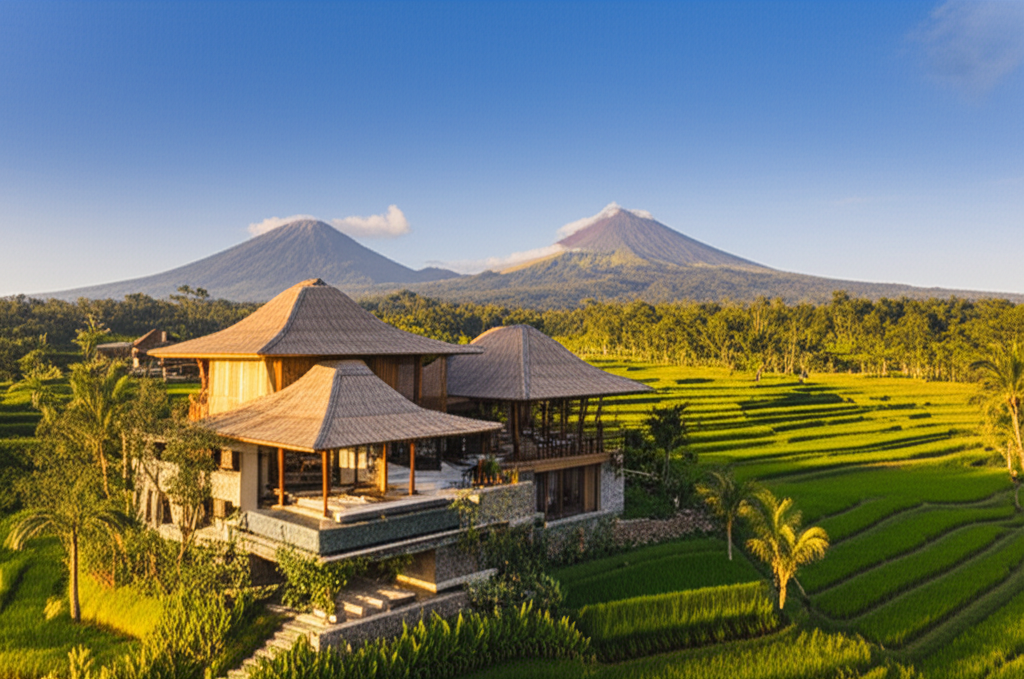
Modern villa designs in Bali skillfully blend these traditional aesthetics with contemporary amenities and sustainable practices. Architects achieve this by incorporating elements like expansive open living areas that invite the tropical breeze, creating a seamless transition to the vibrant gardens and pools. Traditional rooflines, often inspired by indigenous structures, are reinterpreted using modern construction techniques to provide both shade and architectural character. The strategic placement of windows and doors maximizes natural light and ventilation, reducing reliance on artificial cooling – a subtle nod to sustainability that aligns perfectly with the Tri Hita Karana philosophy. By integrating these timeless principles, from the layout influenced by Tri Mandala to the harmonious flow dictated by Tri Hita Karana, your villa becomes more than just a house; it becomes a sanctuary that resonates with the spirit of Bali. For insights into building practices, explore building your dream villa in Bali. This thoughtful design process, guided by experienced professionals, ensures that your Bali villa awaits as a stunning, harmonious, and functional living space, truly a dream home in paradise. Consider our general contractor in Bali for your project. Further discussions on specific material choices and sustainable strategies will delve deeper into bringing this vision to life. You can find more information about our construction services at Monad Construction Bali. For more construction-related articles, visit our blog on Bali building insights. We can help with your villa construction Bali.
Sustainable Construction and Material Sourcing
Sustainable Construction and Material Sourcing
Building your dream villa in Bali extends beyond aesthetics, embracing environmental stewardship—a philosophy deeply ingrained in the island’s culture. For expert villa construction Bali, prioritizing sustainable practices and material sourcing is fundamental to creating a harmonious and enduring home in paradise. This approach minimizes the ecological footprint while enhancing your property’s authentic charm.
Locally sourced materials form a cornerstone of sustainable construction in Bali. The island offers abundant, environmentally friendly natural resources perfectly suited to the tropical climate. Consider bamboo, a fast-growing, renewable resource providing exceptional structural integrity and unique aesthetic appeal. Similarly, coconut wood, from older, non-productive trees, offers a durable, beautiful alternative to traditional hardwoods. For robust foundations and captivating design elements, local natural stone varieties like dense andesite and warm sandstone are readily available. These stones contribute to the villa’s thermal mass, naturally keeping interiors cool. For roofing, traditional materials like ijuk (black aren fibers) or dried alang-alang grass offer excellent insulation and breathability, blending seamlessly with the Balinese landscape, fulfilling a vision of traditional charm and modern quality. These local materials drastically reduce transportation costs and carbon emissions, supporting local communities and craftsmen.
Beyond material selection, integrating sustainable building practices is paramount. Rainwater harvesting systems capture and store abundant tropical rainfall for irrigation or non-potable uses, conserving precious groundwater. Passive cooling techniques—strategic orientation to prevailing breezes, generous overhangs, and thoughtful ventilation—significantly reduce the need for artificial air conditioning, lowering energy consumption. Energy-efficient designs, including proper insulation and natural light utilization, further reduce environmental impact. These integrated strategies align perfectly with the Tri Hita Karana philosophy, fostering profound harmony between the villa and its natural surroundings. For a deeper dive into these methods, exploring sustainable structures in Bali can provide valuable insights.
While imported materials might offer specific aesthetic choices, a thorough assessment often reveals the superior benefits of local alternatives in Bali. Local materials are acclimatized, often more cost-effective due to reduced logistics, and inherently contribute to the villa’s authentic island character. Making informed choices between local and imported materials requires careful consideration of durability, maintenance, and environmental footprint. Collaborating with an experienced general contractor in Bali, one who understands these nuances, is crucial for crafting a durable, eco-friendly villa—a testament to responsible building in paradise. This careful planning during island construction ensures your home is beautiful, functional, and environmentally conscious.
Assembling Your Expert Construction Team
Assembling the right professional team is the cornerstone of any successful building endeavor, especially when embarking on expert construction from start to finish for your dream villa in paradise. This critical phase lays the groundwork for seamless execution, ensuring that your vision for villa construction Bali is translated into a tangible, high-quality reality. Your team will comprise various specialists, each bringing unique expertise to the table.
At the forefront is the architect, who will conceptualize your villa, developing detailed blueprints that capture your aesthetic preferences, functional requirements, and harmonize with the Balinese landscape. Their role extends beyond design, often involving site analysis and ensuring the design adheres to local planning regulations. Complementing the architect is the structural engineer. Given Bali’s seismic activity and tropical climate, their expertise is paramount in designing a structurally sound and safe building that can withstand environmental challenges. They meticulously calculate loads, material strengths, and foundation requirements, ensuring longevity and compliance with stringent building codes. For an in-depth understanding of ensuring a robust framework, consider exploring resources on residential structural engineering in Bali.
Bringing the interior spaces to life is the interior designer. While the architect defines the structure, the interior designer refines the inner aesthetics, selecting finishes, fixtures, and furniture that reflect your desired ambiance and complement the architectural style. They ensure that every detail, from lighting to material textures, contributes to a cohesive and comfortable living environment. However, the lynchpin of your construction team is undoubtedly a reputable local contractor. Their intimate knowledge of Bali’s building practices, material availability, labor force, and local permitting processes is invaluable. A skilled local contractor acts as the primary orchestrator on-site, managing subcontractors, ensuring quality control, and navigating the day-to-day challenges of construction. Finding a partner with a deep understanding of the local context, like those discussed in why our Bali contractors are your best bet, is essential.
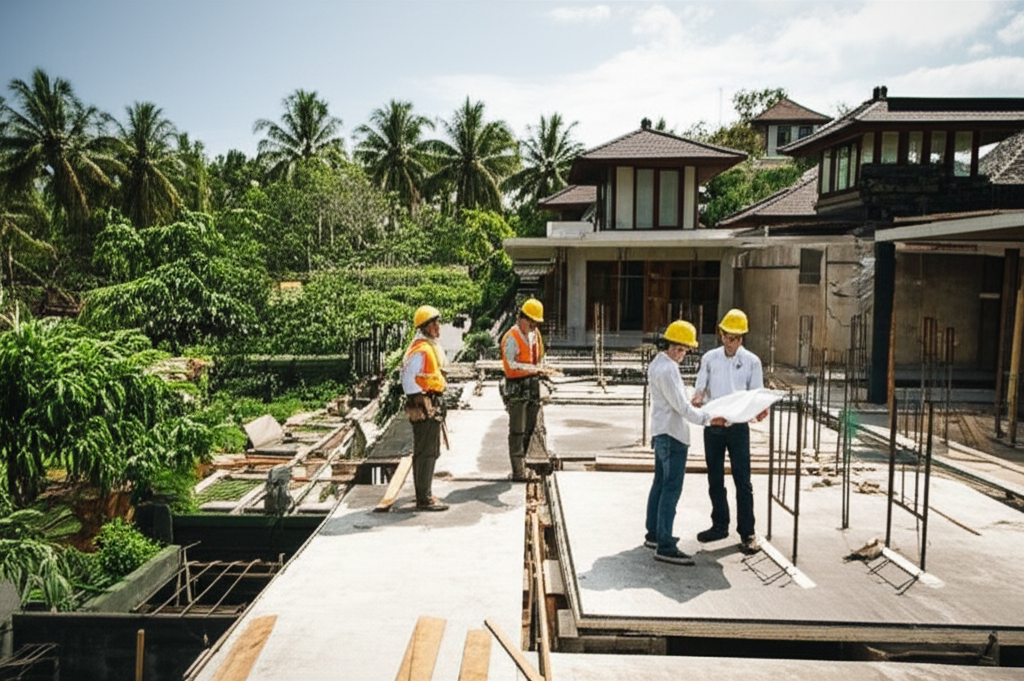
Closely aligned with the contractor is a dedicated project manager. This professional oversees the entire construction timeline, manages the budget, facilitates communication between all team members, and ensures the project progresses smoothly from excavation to final touches. Their role is to keep the project on schedule and within budget, acting as your representative on the ground. For more on this synergistic relationship, insights into construction and project management in Bali can be highly beneficial.
Vetting potential candidates requires a thorough approach. Always prioritize clear communication, as misunderstandings can lead to costly delays and errors. Request portfolios of previous work, especially those demonstrating experience with villas in Bali, and contact references to verify their proven track record. Crucially, ensure your team possesses a profound understanding of local regulations, including the latest building permits (PBG) and zoning laws, which can be complex and ever-evolving. Cultural sensitivity is another non-negotiable trait; your team must be able to respectfully and effectively interact with local workers and communities. A collaborative approach, where all team members communicate openly and work towards shared goals, is vital. Setting clear expectations regarding timelines, deliverables, and budget from the outset will minimize surprises and contribute significantly to a successful build, ensuring your Bali villa construction project remains on schedule and within its financial parameters.
The Construction Journey From Ground Up
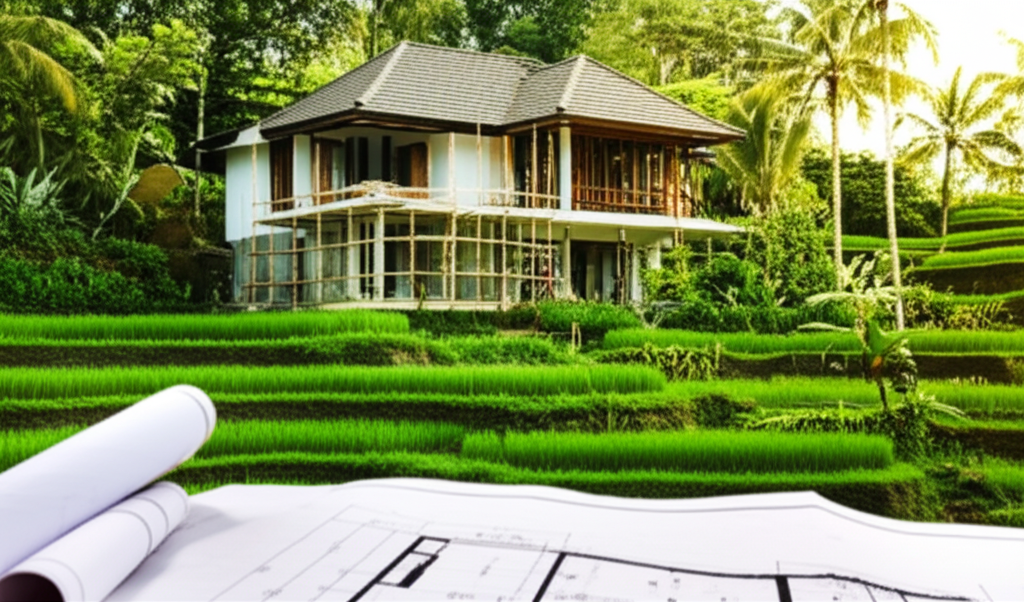
With your expert team now in place, the thrilling journey of bringing your Bali villa to life transitions from meticulous planning to physical creation. The initial phase of villa construction Bali begins with comprehensive site preparation. This isn’t merely clearing land; it involves surveying to confirm boundaries and elevations, followed by precise excavation.
In Bali’s diverse topography, excavation often entails careful earthmoving to create the desired contours for your home and essential terracing for stability. This stage is critical for establishing the groundwork, ensuring proper drainage, and preparing the soil for what will become the backbone of your paradise retreat.
Once the site is prepared, attention turns to laying the foundation – a monumental step that dictates the entire villa’s stability and longevity. Depending on the soil conditions and architectural design, this could involve raft foundations, strip foundations, or pile foundations. Our focus remains on building strong in Bali foundation technologies, employing robust concrete pouring techniques. This process, often involving reinforced concrete, establishes the structural integrity from the ground up, designed to withstand the tropical climate and seismic considerations unique to the region. Rigorous inspections are conducted at this point to verify alignment and material quality before the concrete sets, ensuring a solid structure foundation in Bali.
Following the foundation, the structural framework rapidly takes shape. This typically involves reinforced concrete columns and beams that form the skeleton of your villa, followed by wall construction using high-quality brick or concrete blockwork. Concurrently, the essential infrastructure for modern living is carefully integrated. Electrical conduits and plumbing pipes are laid within the walls and floors, mapping out the intricate network that will power and service your home. Our expert plumbing contractors in Bali and electrical specialists work in tandem, ensuring every installation adheres to stringent safety codes and your specific design requirements. This precision in hidden systems prevents costly rectifications later.
As the walls rise, the roofing structure begins to emerge. Whether you envision traditional Balinese alang-alang, modern shingles, or durable tiles, the roof is installed with careful consideration for the tropical climate, offering both aesthetic appeal and crucial protection against sun and rain. With the main structure complete, the villa progresses to the intricate finishing details that truly define a high-end residential construction in Bali. This includes the application of plaster, paint, and custom wall finishes; the installation of bespoke windows, doors, and flooring; and the meticulous fitting of built-in cabinetry and fixtures. Throughout these phases, an unwavering commitment to construction quality control in Bali is paramount. Regular site inspections, often several times a week, are conducted by the project manager and often the client, to identify and promptly address any challenges that arise. Problem-solving, especially in a tropical environment with its unique material responses and logistical considerations, is an ongoing process handled with expertise and efficiency. This meticulous attention ensures every detail aligns with the architectural vision, leading to a home of exceptional durability and beauty, where your Bali villa awaits, a testament to expert construction from start to finish.
Project Handover and Embracing Your Bali Villa Lifestyle
The culmination of meticulous planning and dedicated effort arrives with the project handover, marking the truly exciting transition from a construction site to your personal paradise. This final, crucial phase in your villa construction Bali journey ensures every detail aligns with your vision before you fully embrace the island lifestyle. The process begins with comprehensive final inspections, a thorough walkthrough where every aspect of the newly built villa is scrutinized. This involves not only aesthetic checks on finishes and fixtures but also functional tests of all installed systems – plumbing, electrical, air conditioning, and smart home integrations. Any discrepancies, no matter how minor, are compiled into a ‘punch list’. Addressing these items promptly and effectively by the construction team is paramount, ensuring that every element meets the agreed-upon standards and your complete satisfaction.
Beyond the physical structure, obtaining the necessary occupancy permits, often referred to as PBG (Persetujuan Bangunan Gedung) in Bali, is a critical administrative step. This legal documentation confirms that your villa has been constructed in accordance with local building codes and regulations, making it officially ready for habitation. Simultaneously, connecting essential utilities such such as electricity from PLN, water supply, and reliable internet services is coordinated. These final administrative and logistical steps are expertly managed to provide a seamless transition into your new home. For a deeper understanding of the entire process from concept to completion, consider exploring how expert construction from start to finish streamlines this complex journey.
As the interior takes shape, the exterior landscaping becomes a vital component, integrating your villa seamlessly into Bali’s lush tropical surroundings. Thoughtful landscaping design incorporates local flora, creates inviting outdoor living spaces, and enhances privacy, transforming your property into a true oasis. This phase extends beyond just planting, often involving the installation of features like swimming pools, outdoor showers, and tranquil garden pathways, all contributing to the quintessential Bali experience. Finally, adding personal touches – from selecting furniture and artwork to choosing textiles and decor – truly makes the space your own, reflecting your unique style and taste. To ensure the enduring beauty and functionality of your sanctuary, establishing a robust maintenance schedule and considering professional property management services post-construction is highly recommended. This proactive approach safeguards your investment, handles routine upkeep, and addresses any unforeseen issues, allowing you to fully immerse yourself in the serene and luxurious lifestyle you envisioned. After careful planning and execution, Your Bali villa awaits as a sanctuary of peace and luxury, a testament to building dreams in paradise. The peace of mind offered by professional residential construction project management ensures your home remains impeccable for years to come.
Conclusions
Bringing your Bali villa to life is a rewarding endeavor, requiring careful navigation of design, legalities, and construction. By partnering with experienced professionals and understanding the local landscape, you can ensure a smooth process. Remember, a meticulously planned and expertly executed villa construction Bali project will culminate in a sanctuary that truly embodies your dream, making the wait for your Bali villa awaits worthwhile.