Table of Contents
- Laying the Groundwork Legalities and Site Selection
- Designing Your Dream Balinese Oasis Architecture and Aesthetics
- Building the Foundation Structural Integrity and Quality Materials
- Finishing Touches Interior and Exterior Craftsmanship
- Creating Your Paradise Landscaping and Amenities
- Project Management and Handover Ensuring Excellence
- Conclusions
Dreaming of a luxurious escape on the ‘Island of Gods’? Building your own villa in Bali offers an unparalleled opportunity to create a bespoke sanctuary. This article provides a comprehensive guide to villa construction in Bali, walking you through every crucial stage from initial planning and legalities to final touches. Discover how expert construction can transform your vision into a stunning reality, ensuring a seamless and rewarding journey.
Laying the Groundwork Legalities and Site Selection
Laying the Groundwork: Legalities and Site Selection
The journey to building your dream villa in Bali begins long before the first stone is laid. It starts with a meticulous process of site selection and a thorough understanding of the legal landscape. Navigating these initial steps correctly is paramount to ensuring a smooth and successful villa construction in Bali.
Site Selection: The foundation of your future sanctuary
Choosing the right parcel of land is arguably the most critical decision in your Bali villa project. Factors extend beyond mere aesthetics; they encompass practicality, investment potential, and alignment with your lifestyle vision. Consider the location carefully:
Coastal areas like Seminyak or Canggu offer vibrant communities, proximity to beaches, and strong rental income potential, but often come with higher land prices and development density. Inland options, such as Ubud, promise tranquil, lush environments, often with breathtaking rice paddy or jungle views, appealing to those seeking a more serene retreat. Cultural hubs provide a rich Balinese experience but may have stricter traditional building guidelines.
Accessibility is key; evaluate the proximity to existing infrastructure such as roads, electricity, and water sources. Remote plots might offer unparalleled privacy and views but can significantly increase development costs due to the need for extending services. Topography also plays a crucial role. Flat land is generally easier and less expensive to build on, while sloped land might offer dramatic views but necessitate more complex and costly foundation work and retaining structures. Always consider the potential for ocean, volcano, or rice paddy views, as these significantly enhance a property’s value and appeal. Most importantly, conduct thorough due diligence on local zoning regulations (Rencana Tata Ruang or ITR) to ensure the land is indeed designated for residential development and compatible with your construction plans. You can find more insights into premier locations for villa construction at unveiling Bali’s premier locations for villa construction.
Land Ownership: Navigating foreign tenure options
For foreigners, outright land ownership (Hak Milik) in Indonesia is generally restricted. However, several viable and secure tenure options allow for long-term enjoyment and development of property. The most common and recommended option for villa construction in Bali is Leasehold (Hak Sewa). This involves leasing the land from an Indonesian landowner for a predetermined period, typically 25 to 30 years, with options for extensions. It’s crucial that the lease agreement is meticulously drafted and notarized, clearly outlining extension terms, pricing mechanisms, and other critical clauses. Another option, though less common for individual villa owners, is Rights of Use (Hak Pakai), which grants the right to use state land or land owned by another party for a specific period. Given the complexities of Indonesian property law, engaging expert legal counsel and a reputable notary (Pejabat Pembuat Akta Tanah – PPAT) is not just advisable, but essential. They will perform comprehensive due diligence, verify the legitimacy of the land title, and ensure all agreements are legally sound and protect your interests, helping you understand the nuances of freehold vs. leasehold for foreigners.
Permits and Regulations: Ensuring a compliant start
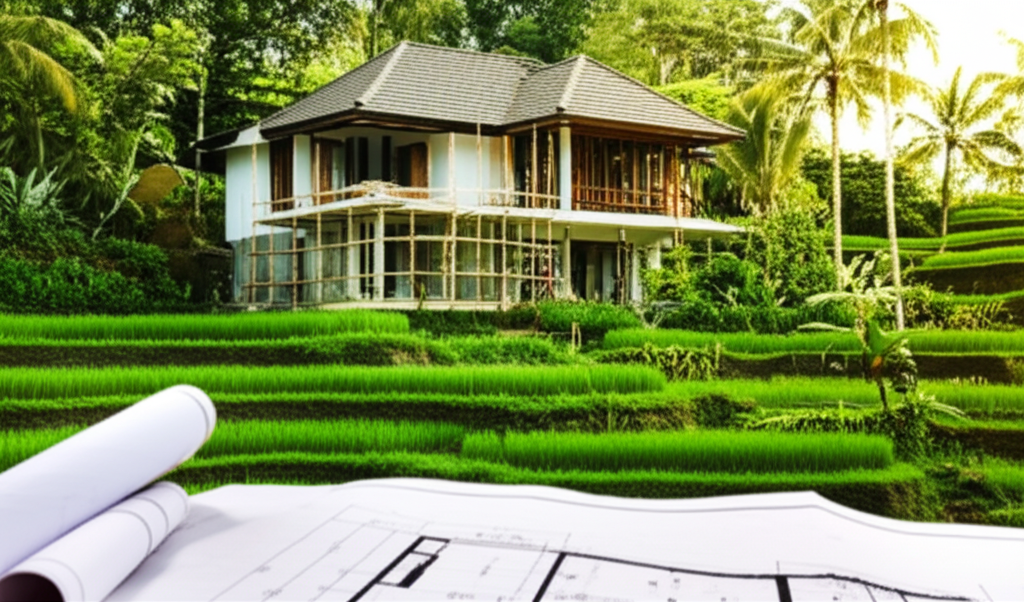
The construction phase cannot commence without obtaining the necessary permits and ensuring full compliance with local building codes and zoning laws. The primary permit for building in Bali is the Persetujuan Bangunan Gedung (PBG), which replaced the previous IMB. The PBG certifies that your building plans comply with spatial planning and technical building requirements. This process involves submitting detailed architectural and structural drawings for approval. Depending on the scale and location of your project, environmental permits (UKL-UPL) may also be required, ensuring your villa project aligns with environmental protection standards. Upon completion of construction, an Occupancy Permit (Sertifikat Laik Fungsi – SLF) is necessary, certifying that the building is safe and fit for use.
Thorough due diligence is paramount at this stage. Local building codes dictate everything from building height restrictions and setbacks to specific requirements for traditional Balinese architectural elements in certain areas. Attempting to navigate this intricate regulatory landscape independently can lead to significant delays, costly revisions, or even legal complications. Therefore, it is imperative to engage local experts, including experienced notaries, property lawyers, and permit expeditors. These professionals possess invaluable local knowledge and established relationships, enabling them to efficiently guide your project through the bureaucratic maze. Their expertise ensures that all documentation is accurate, submitted correctly, and processed in a timely manner, providing you with a stress-free start to your construction journey. This expert guidance is a hallmark of expert construction from start to finish in Bali, and you can delve deeper into the permit process at navigating the PBG process for building in Bali and your guide to permits in Bali. Partnering with a trusted local general contractor, like those discussed in Bali’s general contractor experts, who often have strong ties with these legal and administrative professionals, can streamline this entire groundwork phase.
Designing Your Dream Balinese Oasis Architecture and Aesthetics
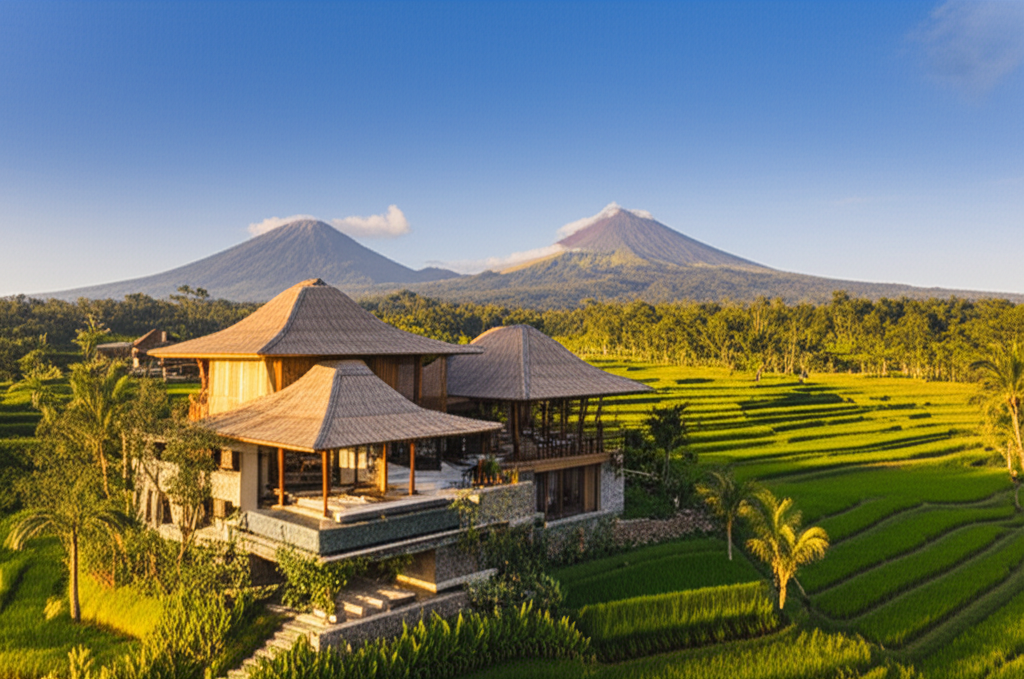
Designing your dream Balinese oasis begins with appreciating the island’s unique architectural heritage, a blend of spiritual harmony and natural beauty. Unlike merely erecting structures, *villa construction Bali* is an art form rooted in profound cultural and religious principles. Central to this is Tri Hita Karana, the philosophy emphasizing harmony between humans, nature, and the divine. This concept profoundly influences site planning, ensuring villas integrate with the land, respecting existing trees, water flows, and cardinal directions. Similarly, *Tri Mandala*, the spatial division principle, guides the layout into distinct sacred, public, and private zones, creating a balanced flow. This respect for balance and a seamless connection to the environment makes each villa feel like a natural extension of its lush surroundings.
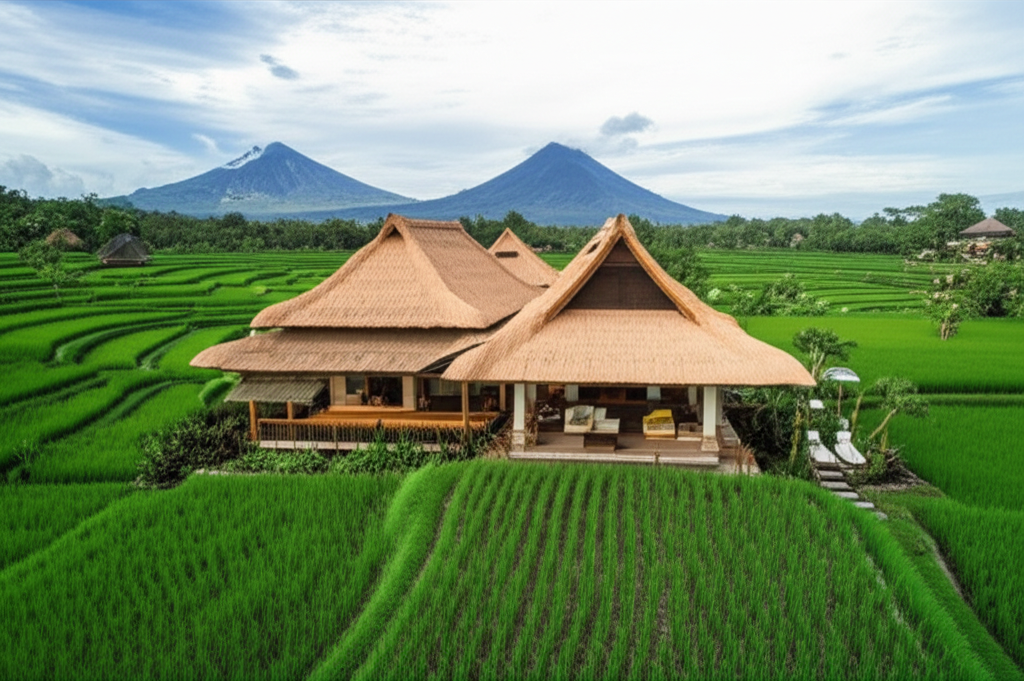
The materials chosen for your Bali villa construction are equally vital, drawing heavily from indigenous resources offering both aesthetic appeal and practical benefits for the tropical climate. Traditional thatch roofing, such as dark, durable *ijuk* (palm fiber), lighter *rumbia* (sago palm), or elegant ironwood shingles (*sirap*), provides excellent insulation and natural ventilation. Bamboo, with its remarkable strength, is utilized for structural elements, screens, and intricate details. Coconut wood, known for its resilience, adds warmth and character. For walls and decorative elements, local stone like sandstone and volcanic andesite is extensively used, often featuring exquisite Balinese sculpting and ornamentation. These choices honor tradition and contribute to the building’s longevity, a critical consideration in construction in Bali.
While deeply respecting tradition, modern *Bali villa designs* skillfully adapt to contemporary living. Open-plan layouts are increasingly popular, blurring the lines between indoor and outdoor spaces, inviting gentle island breezes, and maximizing natural light. This modern approach often incorporates sustainable practices, such as passive cooling, rainwater harvesting, and strategic landscaping to reduce energy consumption. International design influences are woven in subtly, creating sophisticated spaces that are globally appealing yet distinctively Balinese. The key is integrating these modern elements without sacrificing the island’s unique charm, ensuring innovative features enhance the villa’s serene ambiance.
The success of such a harmonious blend hinges on *working with architects* who possess an intimate understanding of Bali’s specific building landscape. Selecting an architect familiar with Balinese building practices, local materials, and stringent environmental considerations is paramount. They expertly navigate tropical design nuances, from maximizing airflow to incorporating local material characteristics. An experienced local architect will also guide the integration of Balinese artistry – from intricate wood carvings and stone sculptures to serene water features and thoughtfully designed gardens – transforming a dwelling into a true Balinese oasis. This expertise ensures your vision for a beautiful, functional, and culturally resonant villa becomes a stunning reality. For more insights, explore our Bali building insights blog.
Building the Foundation Structural Integrity and Quality Materials
Establishing a robust foundation is paramount for any construction endeavor, and in the dynamic landscape of Bali, this stage demands meticulous attention to ensure the longevity and safety of your villa construction Bali. The initial and most critical step involves comprehensive geotechnical surveys. Bali’s diverse terrain, ranging from volcanic soil in the highlands to sandy coastal areas and clay-rich plains, necessitates a thorough assessment of soil conditions and site stability. These surveys determine the soil bearing capacity, identify potential liquefaction risks, and reveal the presence of any geological fault lines, which are crucial considerations given Indonesia’s seismic activity. Understanding these subsurface characteristics allows engineers to design a foundation system that can adequately support the entire structure and withstand local environmental stresses. Without this in-depth analysis, the structural integrity of the villa could be severely compromised from the outset, leading to costly and hazardous issues down the line.
Following the geotechnical assessment, selecting the appropriate foundation type becomes the next vital decision. Common foundation methods employed in Bali are chosen with seismic activity and varied ground conditions in mind. For stable, high-bearing soils, a shallow foundation such as a raft or strip footing is often sufficient. However, for less stable or expansive soils, deeper foundations like bored piles or precast concrete piles are frequently utilized to transfer the building’s load to stronger sub-strata. These engineered solutions are designed to resist both vertical and lateral forces, offering superior stability against seismic tremors and ground movement. Expert foundation contractors in Bali are indispensable in this phase, ensuring that the chosen method is implemented with precision and adheres to rigorous engineering standards. For more insights into foundation technologies that ensure enduring properties, consider exploring building strong in Bali: foundation technologies.
The structural framework, forming the skeleton of the villa, is primarily constructed using reinforced concrete, steel, or a combination of both, with timber often integrated for specific architectural elements or roofing structures. Reinforced concrete, consisting of steel rebar embedded within concrete, is a popular choice due to its excellent compressive strength and ability to resist tensile forces, offering exceptional resilience against earthquakes. Steel frames provide superior strength-to-weight ratios and flexibility, which can be advantageous in certain designs, allowing for larger spans and open spaces. Timber, particularly local hardwoods, offers aesthetic warmth and is used for elements like roof trusses, pergolas, and decorative features, provided it is treated against pests and moisture. The techniques employed for constructing these frameworks, such as meticulous rebar tying, precise concrete pouring, and expert welding for steel, are fundamental to ensuring the villa’s overall resilience and longevity. This foundational work lays the groundwork for the entire project, creating a structure that is both safe and durable. Understanding the importance of this phase is key to building a solid structure foundation in Bali.
Material sourcing at this crucial stage is a delicate balance between leveraging local resources and integrating specialized imported materials. Bali offers a wealth of high-quality, sustainable local materials such as sand, aggregate, and certain types of stone, which not only support the local economy but also reduce transportation costs and environmental impact. Utilizing local expertise in material selection ensures compatibility with the climate and construction practices. However, for critical structural components like high-grade steel, specific types of cement, or specialized waterproofing membranes, importing materials may be necessary to meet international standards for strength, durability, and performance, especially in high-end structural construction in Bali. Regardless of origin, rigorous quality control is paramount. This involves testing samples of concrete, steel, and other materials to verify their specifications, as well as strict on-site supervision to ensure correct mixing ratios, proper installation techniques, and adherence to structural drawings. Emphasizing quality control from the very beginning, as detailed in construction quality control in Bali, is essential for delivering a villa that stands the test of time.
Finishing Touches Interior and Exterior Craftsmanship
With foundational elements in place, your Bali villa construction moves to the crucial finishing touches, where true character emerges. This stage transforms the structure into a living space, blending functionality with exquisite local craftsmanship and modern design, ensuring resilience against Bali’s tropical climate.
Optimal roofing is paramount for protection and aesthetics in Bali’s climate. Traditional alang-alang thatch offers unparalleled insulation and a quintessential Balinese look, keeping interiors cool, but demands regular maintenance and presents fire risks. Sirap ironwood shingles provide durable, natural wood finishes. Modern alternatives include durable clay or concrete tiles for longevity, and lightweight metal systems for heat reflection. Expert villa construction in Bali carefully manages these choices, impacting the villa’s overall aesthetic and upkeep.
Wall finishes define each space’s mood. Internally, plastering and painting offer a clean canvas, while natural stone, like local Paras, adds tactile texture and a cooling effect. Elegant wood panels provide warmth and Balinese artistry. Exterior walls demand finishes that withstand Bali’s sun and rain, from weather-resistant renders for durability and visual interest, to natural stone cladding, enhancing the villa’s organic connection. Strategic material selection is vital for aesthetics and longevity.
Flooring choices balance beauty and practicality. Natural stone, including local river stone or polished terrazzo, offers a cool underfoot sensation and sophisticated aesthetic, proving highly durable. Polished concrete presents a minimalist, resilient, and easy-to-maintain option. For warmth, durable woods like teak are favored for interiors, echoing the island’s timber traditions. Prioritizing moisture resistance, durability, and ease of cleaning is crucial in this climate.
Doors and windows are vital for maximizing natural light, cross-ventilation, and security. Solid teak or other local hardwoods are chosen for natural beauty and robustness, often carved with intricate Balinese motifs. Modern aluminum frames offer sleek lines, durability, and minimal maintenance, allowing expansive glass panels that blur indoor and outdoor living. Designs like large sliding doors or louvered windows are highly functional, promoting excellent air circulation and comfortable spaces within your Bali villa.
The most enchanting aspect of villa construction Bali is integrating local craftsmanship. Here, the villa transcends architecture to become art. Skilled artisans craft intricate wood carvings for doors, panels, and bespoke furniture. Stone carvers create stunning decorative elements for walls and garden accents. These details, like custom lamps, contribute to an authentic Balinese character, elevating the villa into an island sanctuary. Collaborating with local talents supports the community and imbues your property with an inimitable soul.
For comprehensive oversight, a reliable general contractor in Bali ensures meticulous attention, preparing your beautiful villa for its lush landscaping.
Creating Your Paradise Landscaping and Amenities
Creating Your Paradise Landscaping and Amenities
With the interior and exterior craftsmanship of your villa complete, the focus naturally extends to crafting the surrounding paradise that truly defines a Bali living experience. The meticulous development of outdoor spaces and essential amenities is integral to completing your Bali villa construction project, ensuring a harmonious blend of natural beauty and modern comfort.
Landscape design is paramount in integrating your villa with Bali’s breathtaking environment. Our approach emphasizes tropical gardens, artfully designed water features, and expansive outdoor living areas that seamlessly complement the villa’s architecture. We prioritize indigenous flora such as frangipani, hibiscus, and resilient palm species, chosen for their aesthetic appeal, cultural significance, and low maintenance in the Balinese climate. Sustainable landscaping practices are a core principle, incorporating rainwater harvesting for irrigation and utilizing locally sourced stone. This thoughtful integration creates a living artwork, providing natural shade, privacy, and a profound sense of serene retreat that enhances the overall design of your Bali island home.
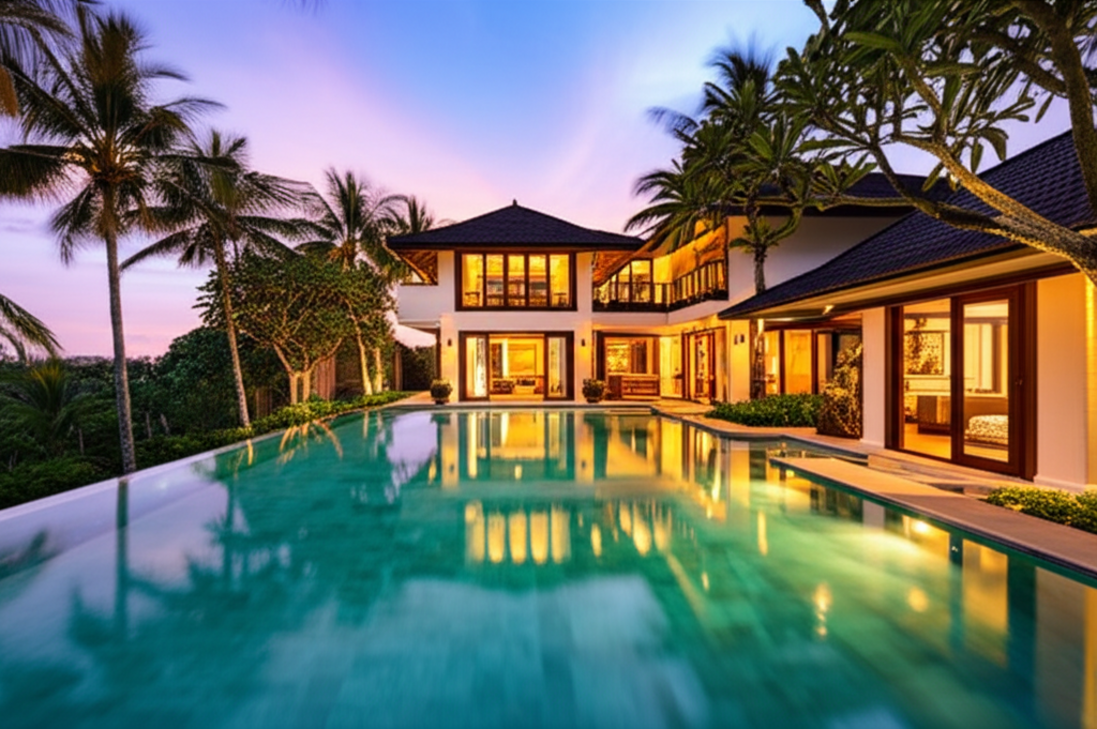
A private swimming pool is a quintessential feature of any Bali villa, serving as both a refreshing oasis and a central gathering point.
Design considerations are crucial, ranging from dramatic infinity pools overlooking vistas to more intimate, freeform shapes. Construction techniques involve robust reinforced concrete and meticulous waterproofing. Advanced filtration systems, including modern sand filters and eco-friendly salt chlorinators, ensure pristine water quality. For finishes, the striking green Sukabumi stone is a popular, natural choice, known for its unique color and non-slip properties, alongside various ceramic tiles or pebble finishes. The surrounding pool deck often features natural stone or durable local hardwoods like ironwood.
Beyond the pool, dedicated outdoor living spaces enhance the seamless indoor-outdoor flow characteristic of Balinese life. This includes expansive patios and decks, ideal for al fresco dining or lounging. Traditional Balinese gazebos, or bales, offer shaded retreats for relaxation, often adorned with comfortable cushions and natural textiles. Integrated outdoor kitchens and BBQ areas are increasingly popular, allowing for effortless entertaining amidst the tropical ambiance. These spaces are meticulously planned to extend the villa’s living area, utilizing weather-resistant materials that can withstand Bali’s climate while maintaining high aesthetic appeal and contributing to the overall expert construction from start to finish.
Crucial for comfortable living in your Bali villa are robust infrastructure and utilities. Ensuring a reliable water supply often involves a combination of municipal connections and private borewells, supplemented by comprehensive filtration and purification systems for potable water and storage tanks. Electrical systems are designed for stability, incorporating surge protection and backup generator options to mitigate power fluctuations, guaranteeing uninterrupted comfort. Effective wastewater management is achieved through modern septic tank systems or, for larger developments, advanced biological treatment solutions that are environmentally conscious. Finally, high-speed internet connectivity, vital for leisure and remote work, is seamlessly integrated through fiber optic cabling where available, ensuring digital readiness. These foundational elements are critical for the long-term enjoyment and functionality of your paradise home, laying the groundwork before the final stages of project management and handover.
Project Management and Handover Ensuring Excellence
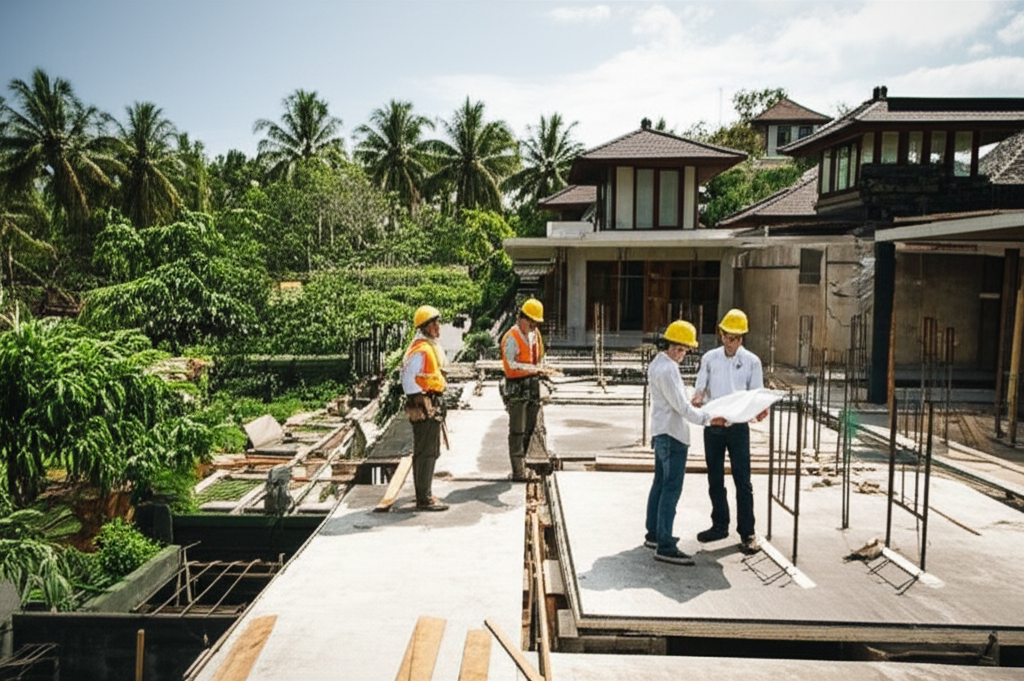
The journey of creating your dream Bali villa culminates in meticulous project management and a seamless handover, ensuring that every detail aligns with your vision. Central to this success is project oversight, spearheaded by a dedicated project manager or a cohesive construction team. This leadership is critical for navigating the complexities of construction in Bali, ensuring that timelines are strictly adhered to, budgets are managed with precision, and the highest standards of quality control are maintained across all phases. From coordinating local craftsmen and international suppliers to managing equipment and site logistics, a vigilant team acts as your eyes and ears, resolving potential issues before they escalate and keeping the entire build on its intended trajectory. This commitment to detailed supervision safeguards your investment and translates architectural drawings into a tangible, high-quality residence.
Effective communication serves as the backbone of any successful Bali villa construction. A transparent and consistent flow of information between all parties—the owner, architect, builder, and relevant local authorities—is paramount to prevent misunderstandings and facilitate swift decision-making. Regular updates, detailed progress reports, and scheduled meetings ensure that you are always informed and in control, even from afar. Utilizing digital platforms for documentation and instant messaging can further enhance this connectivity, allowing for immediate feedback and clarification on design choices, material selections, or unforeseen site conditions. Building a collaborative relationship grounded in clear communication is especially vital in Bali, where understanding local customs and work practices can significantly streamline the construction process and foster mutual respect.
Quality control and inspections are non-negotiable aspects throughout the entire building period. Regular site inspections are conducted to ensure that all work adheres rigorously to the agreed-upon specifications, architectural plans, and local building codes. This includes scrutinizing structural integrity, verifying the quality of materials, and assessing the precision of workmanship at every stage, from the foundations to the intricate finishing touches. Any deviations or construction issues are identified promptly and addressed efficiently, preventing costly rectifications later on and guaranteeing the longevity and aesthetic appeal of your new villa. Engaging independent quality assessors can also provide an additional layer of assurance, validating that your villa construction Bali meets international benchmarks for excellence.
Sound budget management is another critical pillar, crucial for avoiding unexpected financial burdens. A comprehensive budget, developed with contingencies in mind, is meticulously tracked against actual expenditures. This proactive approach includes strategies for managing costs, such as detailed material procurement planning, negotiated labor rates, and proactive identification of potential cost overruns. Transparency in financial reporting from your construction partner allows for constant monitoring, enabling you to make informed decisions and adjust where necessary. Contingency planning is particularly important in Bali, where fluctuations in material availability or import logistics can sometimes influence project expenses. For a deeper understanding of financial planning, reviewing resources on demystifying construction costs in Bali can be highly beneficial.
Finally, the handover and post-construction support phase marks the successful completion of your Bali villa build. This begins with a thorough final inspection, where you, alongside your project manager, meticulously review every aspect of your completed villa, ensuring all agreed-upon elements are in place and functioning perfectly. Once satisfied, the key handover is accompanied by all necessary documentation, including warranties for appliances, structural components, and essential systems. Beyond the keys, reputable builders often provide invaluable post-construction support, offering comprehensive property management and maintenance services. This can encompass everything from routine cleaning, garden and pool care, to technical upkeep and security, ensuring your villa remains a pristine sanctuary for years to come. Opting for full-spectrum solutions from a contractor in Bali for ongoing care can provide complete peace of mind, allowing you to fully enjoy your slice of paradise without the logistical worries.
Conclusions
Embarking on villa construction in Bali is a significant venture, culminating in a personalized paradise. By understanding the processes, adhering to local regulations, and partnering with experienced professionals, your dream home can become a tangible reality. Remember that a well-built villa is not just a structure but a harmonious blend of culture, nature, and expert craftsmanship. Your Bali villa awaits, a testament to thoughtful planning and dedicated execution.