Table of Contents
- The Allure of Bali for Construction Ventures
- Essential Legal Frameworks and Business Establishment
- Understanding Bali’s Construction Market Dynamics
- Operational Excellence in Balinese Construction
- Strategies for Marketing and Client Acquisition
- Sustaining Growth and Future Outlook for General Contractors
- Conclusions
Embark on a journey to explore the dynamic world of the general contractor business in Bali. This guide delves into the unique opportunities and inherent challenges of establishing and growing a construction enterprise on Indonesia’s renowned island. Discover how to build a lasting empire amidst Bali’s vibrant economy, fueled by tourism and a burgeoning expatriate community.
The Allure of Bali for Construction Ventures
The Allure of Bali for Construction Ventures
Bali, often hailed as the “Island of the Gods,” presents an economic landscape uniquely shaped by its robust tourism sector. This vibrant industry is not merely a component but the very backbone of the island’s economy, accounting for a staggering 80% of its total economic activity. The phenomenal growth witnessed since the 1980s has transformed Bali into a global magnet, drawing millions of visitors annually. This enduring allure, combined with a steadily expanding expatriate community seeking a permanent slice of paradise, creates an insatiable demand for high-quality construction. The expatriate influx, comprised of digital nomads, retirees, and international investors, actively seeks residences and business premises that meet international standards, further fueling the construction boom.
The demand for construction in Bali is diverse and dynamic, spanning a spectrum of projects that cater to both luxury and practicality. Luxury villas, with their intricate designs and bespoke amenities, remain a perennial favorite among those seeking opulent getaways or permanent residences. Boutique hotels and resorts continue to emerge, driven by the island’s ever-growing appeal as a premier tourist destination. Beyond hospitality, the burgeoning commercial sector requires modern office spaces, retail outlets, and dining establishments to serve both locals and visitors. Furthermore, the need for enhanced infrastructure, including roads, utilities, and public facilities, steadily contributes to the overall construction pipeline, albeit often through larger, government-backed initiatives. For insights into ensuring quality in such diverse projects, exploring resources like construction quality control in Bali is highly recommended.
Bali’s appeal extends beyond its stunning natural beauty and vibrant culture; it represents a compelling proposition for both investment and lifestyle. Investors are drawn by the potential for high rental yields from tourist accommodations and the appreciation of property values in prime locations. The dream of living in a tropical haven, coupled with a relatively lower cost of living compared to Western nations, entices many to make Bali their home. This unique confluence of factors makes the general contractor business Bali an exceptionally promising sector. A skilled and reliable general contractor is crucial for navigating the local regulations, managing diverse teams, and delivering projects that meet both investor expectations and the island’s distinctive aesthetic and environmental considerations. Whether it’s residential building contractors for private homes or commercial construction driving sustainable growth, the opportunities are vast. Understanding the intricacies of demystifying construction costs in Bali is also vital for successful ventures. As the island continues to evolve, the need for competent general contractors who can bridge the gap between vision and reality will only intensify, cementing its status as a land of opportunity for those in the construction industry. The ongoing development underscores why engaging with the premier general contractor in Bali is essential for any construction undertaking.
Essential Legal Frameworks and Business Establishment
Essential Legal Frameworks and Business Establishment
Embarking on a general contractor business in Bali requires a meticulous understanding of Indonesia’s intricate legal and regulatory landscape. For foreign investors eager to tap into the island’s burgeoning construction sector, establishing the correct legal entity is the foundational step. The most common and recommended structure for foreign ownership is a PT Penanaman Modal Asing (PT PMA), a limited liability company that facilitates foreign direct investment. The establishment of a PT PMA involves navigating various governmental bodies, from the Ministry of Law and Human Rights for company registration to the Investment Coordinating Board (BKPM) for investment approval. This process mandates a clear investment plan, minimum capital requirements, and a detailed outline of business activities classified under the Indonesian Standard Industrial Classification (KBLI) codes relevant to construction services.
Once the PT PMA is established, obtaining the necessary operational permits and licenses is paramount. The primary license for any general contractor is the Izin Usaha Jasa Konstruksi (IUJK), or Construction Services Business License. This license categorizes contractors based on their capabilities and project scale, requiring specific qualifications and certifications. Furthermore, every construction project in Bali necessitates a Persetujuan Bangunan Gedung (PBG), the Building Approval Permit, which replaced the previous IMB system. The PBG process is comprehensive, involving technical reviews of architectural, structural, mechanical, electrical, and plumbing designs, ensuring compliance with local building codes and safety standards. Successfully navigating the PBG process for building in Bali is critical for avoiding delays and legal complications.
Beyond business registration and operational licenses, a deep comprehension of local land ownership laws is indispensable. Foreigners in Indonesia cannot hold freehold title (Hak Milik) to land directly. Instead, common arrangements for development include Hak Guna Bangunan (HGB), a right to build and possess for a certain period, or Hak Pakai, a right to use. Long-term lease agreements are also prevalent, offering a viable pathway for foreign entities to control land for their projects. Understanding these nuances is crucial, as the wrong land tenure structure can jeopardize an entire construction venture. For a comprehensive overview, exploring Bali property investment unveiled is highly advisable.
Environmental regulations in Bali are increasingly stringent, reflecting the island’s commitment to sustainable development and the preservation of its natural beauty. General contractors must adhere to strict environmental impact assessments (AMDAL or UKL-UPL, depending on project scale) and ensure construction practices minimize ecological footprints. This includes proper waste management, water conservation, and the use of environmentally friendly materials where possible. Given the complexity of these regulations, the critical role of experienced legal counsel cannot be overstated. Engaging local legal experts and partnering with established Indonesian firms or individuals provides invaluable guidance, ensuring full compliance and mitigating risks in Indonesia’s dynamic regulatory environment. These local partnerships are not merely a legal requirement but a strategic asset, providing cultural insights and operational efficiency that are vital for any foreign-owned general contractor in Bali aiming to build a lasting empire. For those seeking Bali’s general contractor experts, this proactive legal engagement is non-negotiable.
Understanding Bali’s Construction Market Dynamics
Understanding Bali’s Construction Market Dynamics
The construction market in Bali presents a fascinating confluence of tradition and modernity, driven by a diverse clientele and unique environmental factors. The specific market dynamics for a general contractor business Bali are shaped significantly by the island’s booming tourism sector and its allure for international residents. Typical clientele for construction projects often falls into three main categories: international investors, expatriates, and local businesses. International investors typically seek high-return ventures, focusing on luxury villas, boutique hotels, or larger resort complexes, demanding international standards of quality and often sophisticated design. Expatriates, on the other hand, frequently commission residential properties, ranging from spacious family homes to bespoke retreats, often desiring a blend of contemporary comfort with authentic Balinese charm. Local businesses contribute to the commercial construction landscape, developing shops, restaurants, and other service-oriented facilities that cater to both tourists and the local population, prioritizing functionality and cultural resonance. This diverse demand necessitates a versatile and adaptive approach from any general contractor in Bali.
Bali is rich in local materials that not only reduce transportation costs but also imbue constructions with an authentic island feel. Natural stones like paras (a type of sandstone), river stones, and volcanic stones are extensively used for facades, retaining walls, and landscaping, offering a durable and aesthetically pleasing finish. Wood, particularly teak, ironwood, and coconut wood, is a staple for structural elements, intricate carvings, and interior finishes, celebrated for its durability and natural beauty. Bamboo is also gaining prominence, especially in sustainable building projects, prized for its rapid growth, strength, and unique aesthetic. Sustainable sourcing options are becoming increasingly vital, with a growing emphasis on reclaimed timber, locally produced eco-friendly bricks, and building practices that minimize environmental impact, aligning with the global push for innovative construction in Bali.
The local labor market in Bali is characterized by a strong tradition of craftsmanship, particularly in specialized areas. Balinese artisans are renowned for their exquisite skills in wood carving, stone masonry, and traditional roofing techniques such as alang-alang (thatch). While general laborers are readily available, finding highly skilled specialists for complex engineering or modern finishing might require careful sourcing and training. Wage expectations are generally lower than in many Western countries, but competitive rates are necessary to attract and retain skilled workers. Cultural considerations are paramount in managing a Balinese workforce. Respect for hierarchy, clear and polite communication, and an understanding of local customs and religious practices, including scheduled ceremonies and holidays, are essential for fostering a harmonious and productive work environment. Incorporating these cultural nuances into project planning and daily operations is key for any dedicated contractor for homes in Bali.
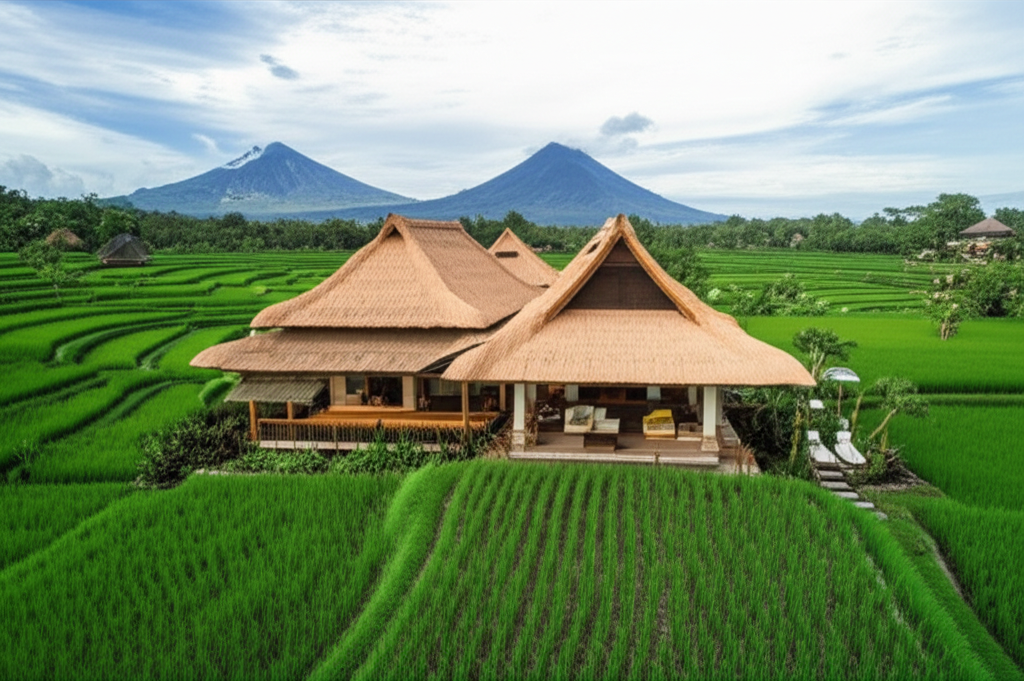
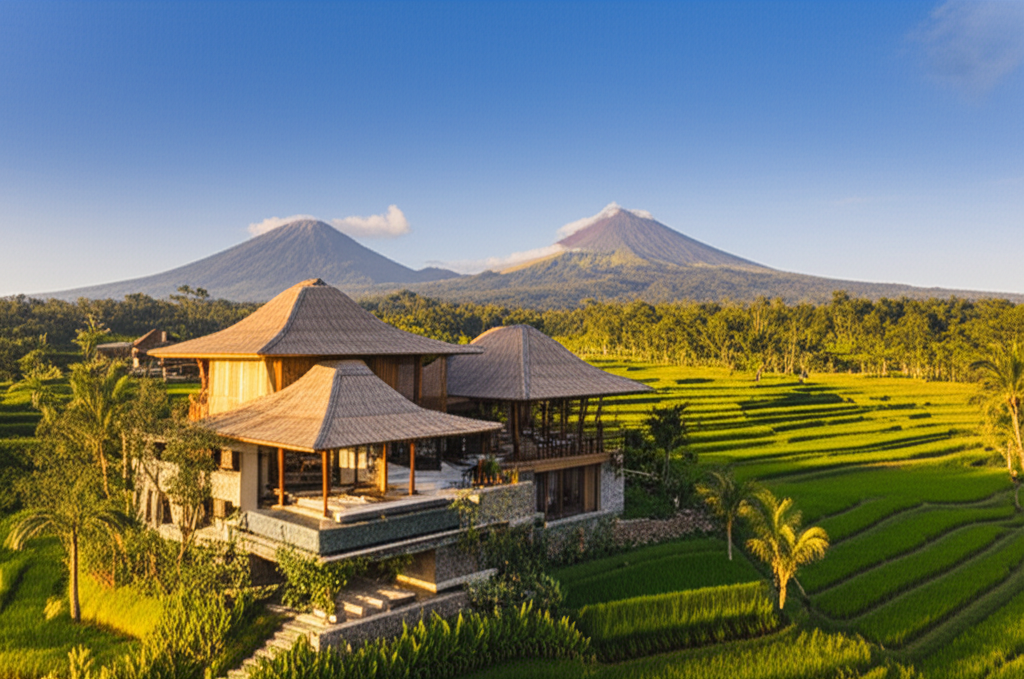
Common construction practices in Bali often blend robust modern engineering with traditional architectural philosophies. Reinforced concrete frames are standard for their structural integrity and seismic resistance, a critical consideration in this region. Foundations are typically solid, often utilizing concrete slabs or pile foundations to suit varying soil conditions. For roofing, traditional alang-alang thatch provides excellent insulation and an iconic aesthetic for villas, while modern projects might opt for ceramic tiles or metal. Finishing often incorporates a rich palette of natural materials: terrazzo or natural stone for floors, local timber for doors and windows, and decorative stone or wood panels for walls. Architectural styles predominantly feature a graceful integration of indoor and outdoor spaces. The *Traditional Balinese* style emphasizes open pavilions, lush gardens, intricate carvings, and local materials, creating a serene, immersive experience. *Modern Tropical* designs adapt these principles to contemporary living, featuring clean lines, expansive glass, and seamless transitions to outdoor areas, while still embracing natural light and ventilation. The demand for high-end residential construction in Bali often leans into these blended styles, creating unique and luxurious properties that capture the essence of island living. The most successful premier general construction in Bali projects are those that expertly navigate these dynamics, delivering structures that are not only sound and beautiful but also deeply connected to their environment and culture, reflecting the unique characteristics of Bali villa architecture.
Operational Excellence in Balinese Construction
Operational excellence is the cornerstone of any successful enterprise, and in the dynamic world of the general contractor business in Bali, it becomes an absolute necessity. Mastering the operational aspects is not merely about completing projects; it is about delivering them efficiently, to a high standard, and with foresight against the unique challenges presented by the island’s environment and culture.
Effective project management in Bali begins with a meticulous approach to scheduling and budget control. Project timelines must factor in not only construction phases but also potential delays arising from unpredictable tropical weather patterns, local cultural ceremonies like Nyepi, Galungan, or Kuningan that can halt work, and the often protracted processes involved in securing local permits and approvals. A pragmatic schedule, incorporating buffers for these administrative hurdles, is crucial. For budget control, a robust system is paramount. While local labor costs might be competitive, the volatility of imported material prices, fluctuating shipping costs, and unforeseen logistical complexities can quickly escalate expenses. General contractors must implement rigorous cost management practices, including detailed cost tracking, regular variance analysis, and establishing contingency funds to absorb unexpected expenditures, a topic further explored in demystifying construction costs in Bali. Risk management in Bali extends beyond typical construction risks, encompassing geopolitical stability, natural disaster preparedness (earthquakes are a real threat), and cultural sensitivities. Proactive identification of these risks and developing mitigation strategies are vital for uninterrupted project flow and protecting investments. Further insights into optimizing project management are available at build smarter: project management for builders in Bali.
Quality control in Bali’s construction sector requires a delicate balance. While clients, particularly international investors, often demand adherence to stringent international building standards, the aesthetic appeal and cultural authenticity often lie in embracing local traditions. The challenge for a general contractor is to integrate modern engineering and quality control measures with traditional Balinese craftsmanship, using local materials like natural stone and indigenous timbers, ensuring structural integrity without compromising the unique island charm. This often involves intense supervision, continuous training for local artisans on contemporary construction techniques, and frequent inspections to ensure that both structural soundness and intricate design details meet expectations.
Supply chain management presents its own set of logistical challenges on an island like Bali. Transporting imported materials from distant ports to specific job sites can be arduous, navigating customs regulations, varying road conditions, and managing storage in a humid climate. Strategic planning for timely deliveries and adequate on-site storage minimizes delays and potential material degradation. Simultaneously, maximizing opportunities for local procurement is a smart strategy. Sourcing materials such as local stone, bamboo, and specialized timber not only reduces import costs and lead times but also supports the local economy and contributes to a more sustainable build. However, consistency in quality and quantity from local suppliers must be carefully managed through strong vendor relationships and stringent incoming material checks.
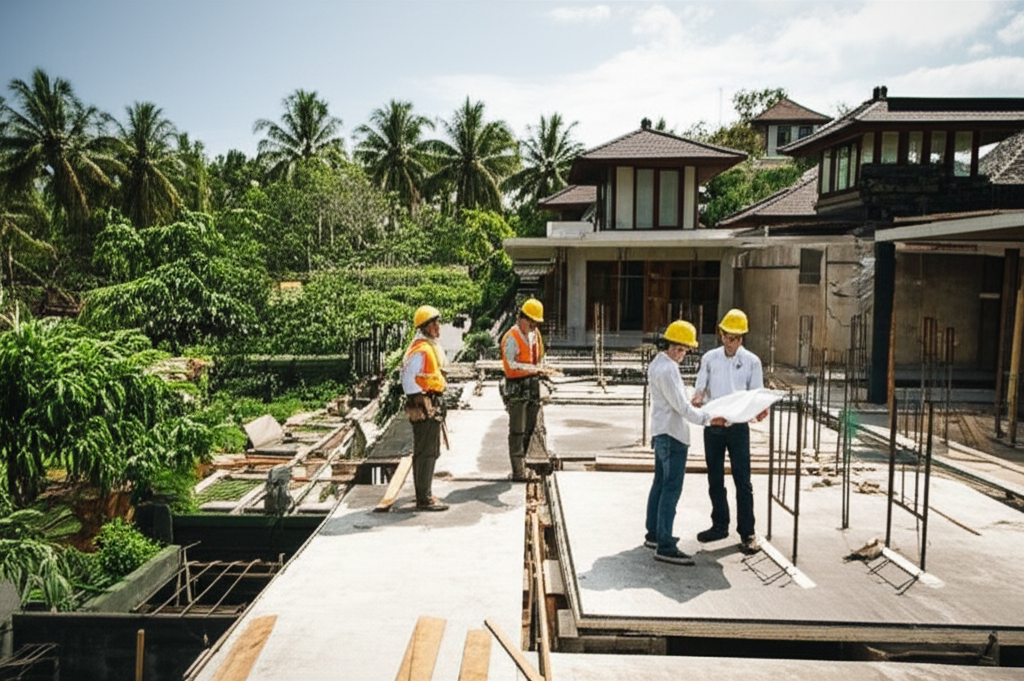
Finally, health and safety standards on Balinese construction sites, while often guided by local regulations, should ideally exceed minimum requirements to align with international best practices. Given the tropical climate, considerations such as hydration for workers, shade provision, and heat stress management are critical. Implementing strict site safety protocols, including mandatory personal protective equipment (PPE) for all personnel, regular safety briefings, proper scaffolding erection, safe machinery operation, and readily available first aid facilities, is essential. Fostering a safety-conscious culture among the local workforce, through ongoing training and clear communication, is paramount to preventing accidents and ensuring a secure working environment on every project. Behind the scenes, understanding the intricacies of Bali’s dynamic construction sites reveals the constant effort required to maintain these standards.
Strategies for Marketing and Client Acquisition
In the vibrant and rapidly expanding construction landscape of Bali, mastering strategies for marketing and client acquisition is paramount for any general contractor aiming to build an empire. The island’s unique blend of local traditions and international investment necessitates a nuanced approach to attracting and securing projects. A foundational element is establishing a strong brand identity that not only resonates with the spiritual and aesthetic sensibilities of Balinese culture but also instills confidence in a diverse clientele, including expatriates and international investors. This involves showcasing a commitment to quality, transparency, and timely delivery, aspects that were highlighted as crucial for operational excellence in the preceding discussion. Your brand should convey reliability and a deep understanding of both local building codes and global construction standards, positioning your general contractor business Bali as a trustworthy partner.
Beyond a compelling brand, proactive networking is indispensable. Bali’s tight-knit expatriate and investor communities often operate on word-of-mouth recommendations and established relationships. Engaging actively in these circles, attending local business events, and fostering connections with real estate agents, architects, and developers are vital. These interactions can lead to invaluable referrals and direct opportunities for residential and commercial projects. Building genuine rapport and demonstrating an understanding of clients’ needs and cultural nuances can significantly differentiate your services.
In parallel with personal networking, a robust digital marketing strategy is essential to reach a wider, often international, audience. This begins with a professionally optimized website that serves as a dynamic portfolio, showcasing past projects with high-quality visuals and detailed descriptions. Search Engine Optimization (SEO) tailored for the Balinese market, incorporating keywords like “general contractor Bali,” “villa construction Bali,” or “commercial builder Bali,” will ensure your business is discoverable by potential clients actively searching for construction services. Social media platforms, particularly Instagram and Facebook, are powerful tools in Bali. They allow for visual storytelling of projects from conception to completion, sharing client testimonials, and engaging directly with the community. Regularly updated content, including behind-the-scenes glimpses of construction processes and finished work, humanizes your brand and builds trust.
Ultimately, securing new projects and fostering long-term relationships hinges on reputation building. Every completed project is a testament to your capabilities, and satisfied clients are your most potent marketing asset. Actively seeking and prominently featuring client testimonials on your website and social media channels provides social proof and credibility. Developing a comprehensive portfolio that clearly illustrates your expertise across various project types, from intricate villa designs to large-scale commercial developments, is critical. This portfolio, often highlighted on pages like our Bali construction projects, serves as a visual resume, demonstrating your capacity to deliver on diverse client visions. By consistently exceeding expectations and nurturing client relationships, a general contractor in Bali can ensure a steady stream of referrals and repeat business, paving the way for sustained growth and future expansion into niche markets. Prioritizing transparency and open communication throughout the construction process further reinforces a positive reputation, transforming one-time clients into long-term advocates for your business.
Sustaining Growth and Future Outlook for General Contractors
Sustaining growth in the dynamic environment of the general contractor business in Bali demands strategic foresight and adaptability beyond just securing projects. After successfully establishing a client base and refining acquisition strategies, the focus shifts to operational excellence and market expansion. Scalability for a general contractor in Bali involves streamlining project management, investing in skilled local talent, and leveraging technology for enhanced efficiency. Expanding capacity through robust subcontractor networks and in-house expertise significantly increases project bandwidth. The goal is to execute projects with consistent quality and profitability, reinforcing reliability in construction in Bali.
Diversification presents a compelling avenue for sustained growth. While traditional residential and commercial builds remain staples, exploring niche markets can open new revenue streams and insulate the business from market fluctuations. Eco-friendly construction, for instance, is gaining significant traction among environmentally conscious investors and homeowners seeking sustainable living solutions.
General contractors with expertise in green building materials, energy-efficient designs, and renewable energy integration can tap into this growing demand. The robust tourism sector and expatriate community ensure a constant need for high-quality renovations and remodels. Specializing in luxury or heritage property restoration can carve out a distinct, profitable market segment, allowing a general contractor business Bali to grow and differentiate itself.
However, the path to sustained growth is not without its obstacles. Infrastructure limitations, particularly in more remote or rapidly developing areas of Bali, can pose significant logistical challenges, affecting material delivery and project timelines. Navigating local regulations and ensuring consistent material availability requires diligent planning and strong local partnerships. The intense competition within the contractor business in Bali necessitates continuous innovation and a commitment to exceptional client service to stand out. Furthermore, economic fluctuations, whether global or localized, can impact investment appetite and project viability, underscoring the need for flexible business models and prudent financial management.
Looking ahead, several emerging trends are poised to shape the future of construction in Bali. Sustainable building practices are transitioning from niche to mainstream, driven by environmental awareness and increasing client demand for eco-conscious designs. This includes everything from rainwater harvesting systems and passive cooling designs to the use of reclaimed local materials and smart solutions for sustainable building. Smart home technology, offering automated climate control, security, and integrated entertainment systems, is becoming an expectation in high-end residential and hospitality projects, requiring contractors to integrate advanced technical skills. Lastly, prefabrication, though nascent, offers potential for accelerated timelines and improved quality. Embracing these trends and adapting strategies will be crucial for any premier general contractor in Bali aiming to build a lasting empire. Proactively addressing challenges and integrating forward-thinking approaches will define the future landscape of Bali’s architectural marvels and sustain growth.
Conclusions
In conclusion, the general contractor business in Bali presents a compelling opportunity for those prepared to navigate its unique landscape. By understanding local regulations, embracing cultural nuances, and committing to quality, aspiring entrepreneurs can truly build an empire. The island’s growth trajectory promises a rewarding future for strategic and adaptable construction ventures.