Table of Contents
- Bali’s Economic Landscape and Growth Drivers
- Key Sectors and Types of Commercial Construction in Bali
- Challenges and Opportunities in Bali Commercial Construction
- Sustainable Practices and Future Outlook for Bali’s Commercial Development
- Conclusions
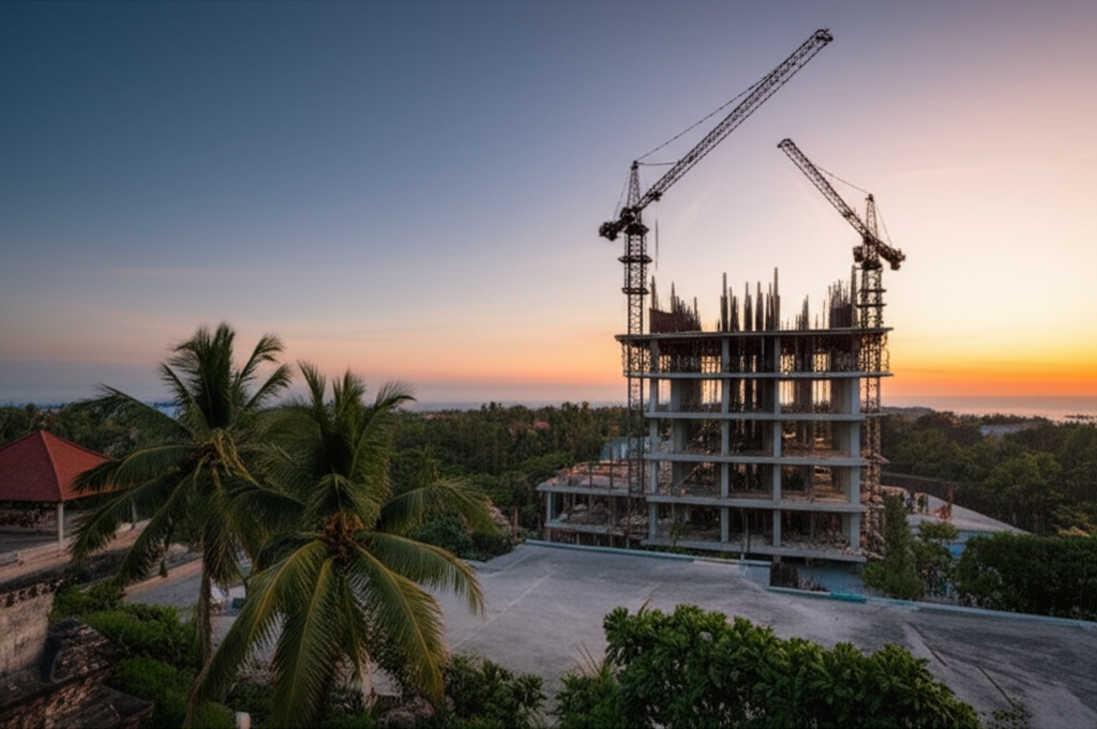
Bali, the famed ‘Island of the Gods,’ is experiencing a transformative period. Beyond its idyllic reputation, it’s becoming a hub for innovative commercial development. This article delves into the dynamic world of commercial construction Bali, exploring how strategic building initiatives support the island’s booming tourism and diversify its economy. We examine the forces shaping this growth and its long-term implications for building Bali’s future.
Bali’s Economic Landscape and Growth Drivers
Bali’s economic vitality is inextricably linked to its unparalleled allure as a global tourist haven, a fact that profoundly shapes the demand for commercial construction in Bali. With tourism contributing a staggering 80% to the island’s Gross Regional Domestic Product (GRDP), the continuous influx of international and domestic visitors forms the bedrock of an economy in perpetual expansion. This immense dependency means that every facet of the island’s infrastructure, from luxury resorts to local eateries, is geared towards accommodating and enhancing the visitor experience, directly stimulating an insatiable need for new commercial properties. The island’s picturesque landscapes, vibrant culture, and world-class hospitality services create a magnetic pull, ensuring a steady stream of tourists who demand ever-evolving amenities and services, which in turn necessitates constant development and upgrades in the commercial sector.
The robust tourism sector naturally drives investment, both local and international, into lucrative commercial ventures. High occupancy rates across hotels and villas, coupled with increasing average daily rates, signal a healthy return on investment, encouraging further capital deployment into new hospitality projects, retail complexes, and entertainment venues. This cycle of demand and investment forms the primary engine for building Bali’s future through strategic commercial development. Beyond traditional tourism, Bali has also witnessed a transformative shift with the burgeoning presence of digital nomads and a steadily growing expatriate community. These groups, drawn by the island’s lifestyle, affordability, and connectivity, contribute significantly to the economy by demanding diverse commercial offerings. They seek not only comfortable accommodation but also modern co-working spaces, international-standard healthcare facilities, specialized retail, and a broad spectrum of F&B options that cater to global tastes. This demographic expansion creates a secondary, yet equally potent, driver for specialized commercial development, moving beyond purely tourist-centric models to encompass more permanent residential and business infrastructure.
International investment, often channeled through joint ventures or direct foreign investment (FDI), plays a crucial role in shaping the commercial landscape. These investments are frequently directed towards large-scale integrated resorts, modern shopping centers, and upscale residential complexes that often include commercial components like cafes, fitness centers, and boutique stores. The confidence of global investors in Bali’s long-term growth trajectory is evident in the scale and ambition of projects currently underway. This capital injection is vital for funding the extensive and often complex requirements of large-scale commercial builds. Furthermore, the supportive regulatory environment, coupled with the availability of skilled labor and natural resources, makes Bali an attractive destination for significant development undertakings. The government’s initiatives to improve infrastructure, such as road networks, airport expansions, and utility upgrades, further enhance the island’s appeal for commercial development, facilitating smoother operations and access for businesses and consumers alike.
The confluence of these factors—dominant tourism, international investment, and the rise of digital nomads and expatriates—creates a fertile ground for businesses to flourish, inevitably necessitating the development of supporting infrastructure and diverse commercial spaces. Key economic indicators underscore this vigorous growth. Pre-pandemic, Bali consistently recorded strong GDP growth, often exceeding national averages, primarily propelled by its services sector. While the pandemic presented significant challenges, Bali’s resilient recovery demonstrates the underlying strength and appeal of its economic model. Investment realization figures indicate a sustained interest from both domestic and foreign entities, especially in sectors directly related to tourism and lifestyle. The increasing number of registered businesses, coupled with rising property values in key commercial zones like Canggu, Seminyak, and Uluwatu, serve as concrete evidence of robust demand. This environment demands not only new construction but also thoughtful urban planning and the creation of sustainable, aesthetically pleasing commercial environments that align with Bali’s unique charm. Developers and commercial general contractors in Bali are actively engaged in responding to these market signals, ensuring that the island’s commercial infrastructure evolves in tandem with its economic aspirations.
The continuous evolution of visitor demographics and resident communities means that businesses constantly adapt, requiring flexible and modern commercial spaces. From boutique hotels tailored to specific traveler niches to sprawling retail complexes designed for a diverse consumer base, the demand is multifaceted. This dynamism ensures that construction in Bali remains a vibrant and essential sector, underpinning the island’s prosperity and its continued status as a global hotspot for both leisure and living. The ongoing development of essential infrastructure, such as improved waste management systems, reliable power grids, and expanded public transportation, also plays a critical, albeit often less visible, role in enabling this commercial expansion. Without these foundational elements, the growth drivers would face significant bottlenecks. Therefore, the integrated approach to development—where commercial projects are supported by robust public infrastructure—is paramount for Bali’s sustained economic ascent and for realizing its vision as a truly modern yet culturally rich destination.
Key Sectors and Types of Commercial Construction in Bali
Key Sectors and Types of Commercial Construction in Bali
The dynamic evolution of Bali’s economy, as highlighted by its robust tourism sector and burgeoning expatriate community, translates directly into a diverse and expanding landscape for commercial construction. From luxurious retreats designed to captivate global travelers to essential infrastructure supporting an increasingly sophisticated populace, the types of commercial buildings pivotal for building Bali’s future are varied and strategically important. Understanding these key sectors provides insight into the island’s developmental trajectory and the intricate demands placed upon commercial construction Bali.
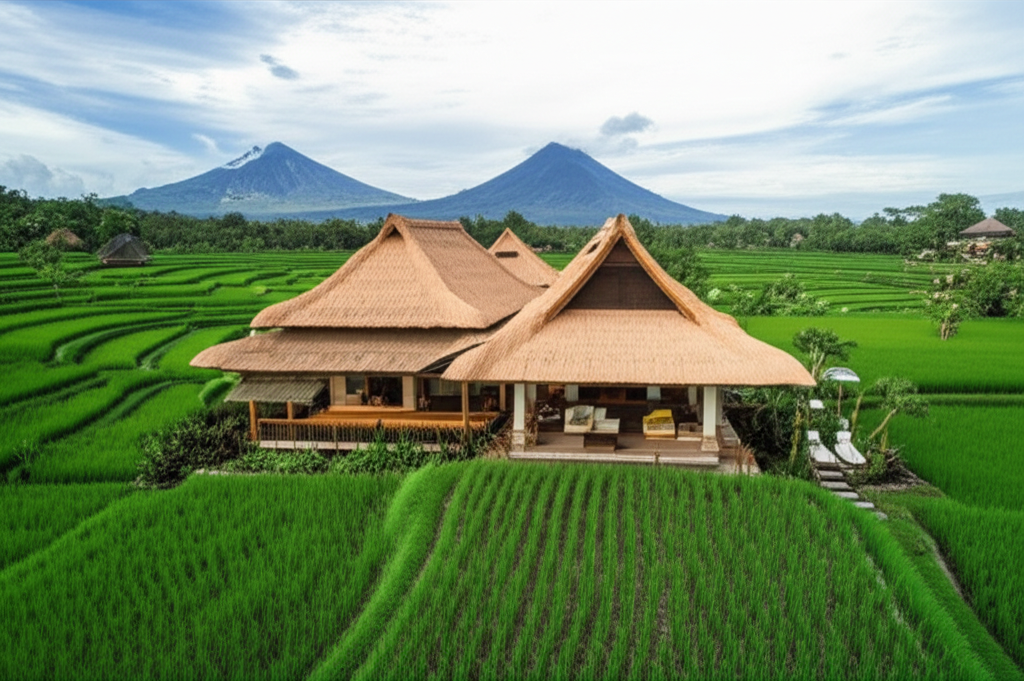
One of the most prominent areas of development remains the Hospitality Sector. Given that tourism forms the bedrock of Bali’s economy, sustained investment in resorts, hotels (ranging from intimate boutique establishments to expansive, branded chains), private villas, guesthouses, and associated leisure facilities is paramount. This encompasses everything from high-end, eco-conscious retreats nestled in lush landscapes to modern, amenity-rich hotels catering to specific traveler segments. The demand for exquisite design, sustainable practices, and innovative guest experiences drives continuous renovation and new construction. These projects not only accommodate the ever-growing influx of visitors but also elevate Bali’s global standing as a premier destination, ensuring its competitive edge and contributing significantly to the island’s economic vitality. The emphasis here is on creating unforgettable experiences that resonate with discerning international and domestic tourists, solidifying Bali’s reputation as a world-class holiday destination. For those embarking on such ambitious projects, partnering with experienced professionals is key to success in this competitive market. Learn more about navigating such endeavors with expert guidance at navigating commercial building projects with a general contractor in Bali.
Beyond tourism, the island’s growing residential and expatriate population fuels significant demand in the Retail and Entertainment sector. This includes the development of modern shopping malls offering international brands and local artisanal goods, commercial centers that serve as community hubs, a burgeoning array of F&B establishments catering to diverse culinary tastes, and sophisticated entertainment venues. These developments signify a maturation of Bali’s urban centers, moving beyond basic needs to provide a comprehensive lifestyle for residents and long-term visitors. The construction of these facilities stimulates local economies, creates job opportunities, and diversifies the island’s commercial offerings, making it a more attractive place to live and invest. The focus here is on creating vibrant, engaging spaces that encourage social interaction and provide high-quality services and goods.
A rapidly emerging sector vital for building Bali’s future is the provision of Office and Co-working Spaces. As Bali attracts an increasing number of digital nomads, remote workers, and international businesses, there’s a tangible need for modern, flexible, and technologically advanced office environments. These spaces range from dedicated corporate offices to highly adaptable co-working hubs equipped with reliable high-speed internet, ergonomic furniture, and community amenities. This type of construction supports the diversification of Bali’s economy, reducing its sole reliance on tourism and fostering a burgeoning entrepreneurial ecosystem. Such developments are crucial for positioning Bali as a hub for innovation and remote work in Southeast Asia, attracting a new wave of talent and investment that demands professional and conducive work environments. This shift towards a more knowledge-based economy underscores the critical role of specialized commercial construction in Bali.
Underpinning all commercial growth are crucial Infrastructure Projects. While not always directly commercial buildings, these public works are indispensable for supporting and enabling all other forms of commercial development. This includes the expansion and modernization of transportation hubs (such as airport improvements and road network enhancements), and significant upgrades to essential utilities like water supply, electricity grids, and waste management systems. Robust infrastructure is the backbone of any thriving economy; it improves logistical efficiency, facilitates trade, enhances connectivity, and ensures the sustainable functioning of all commercial enterprises. Without consistent investment in these fundamental areas, the ambitious goals for commercial construction Bali would be severely hampered, making these projects foundational to the island’s long-term prosperity and ability to absorb future growth. Addressing these large-scale needs requires a comprehensive approach to general construction services, which you can explore further at premier general construction in Bali.
Finally, the Healthcare and Education Facilities sector is experiencing significant growth, reflecting the evolving demographics and demands of Bali’s residents. This involves the construction of private clinics, specialized medical centers, and international schools. The presence of high-quality healthcare and education options is a significant factor for expatriate families considering long-term stays, as well as for affluent local residents seeking premium services. International schools attract families and make Bali a more viable place for foreign professionals to relocate, further boosting the island’s economic and cultural diversity. Specialized medical facilities not only cater to residents but also have the potential to develop medical tourism, providing advanced care and contributing to Bali’s reputation as a comprehensive destination. These developments contribute to a higher quality of life on the island, fostering a more sustainable and attractive environment for both residents and investors, thereby robustly contributing to building Bali’s future with expert general contractors. The continuous growth across these diverse sectors paints a clear picture of an island committed to comprehensive development, driven by strategic commercial construction initiatives.
Challenges and Opportunities in Bali Commercial Construction
While the previous discussion illuminated the diverse and burgeoning sectors driving commercial construction Bali, it is equally vital to delve into the intricate web of challenges and remarkable opportunities that define this dynamic landscape. Navigating these complexities is not merely a task but a strategic imperative for effectively building Bali’s future through robust and responsible development. The island’s unique context presents a distinct set of hurdles that demand careful consideration and innovative solutions, alongside fertile ground for growth and pioneering architectural endeavors.
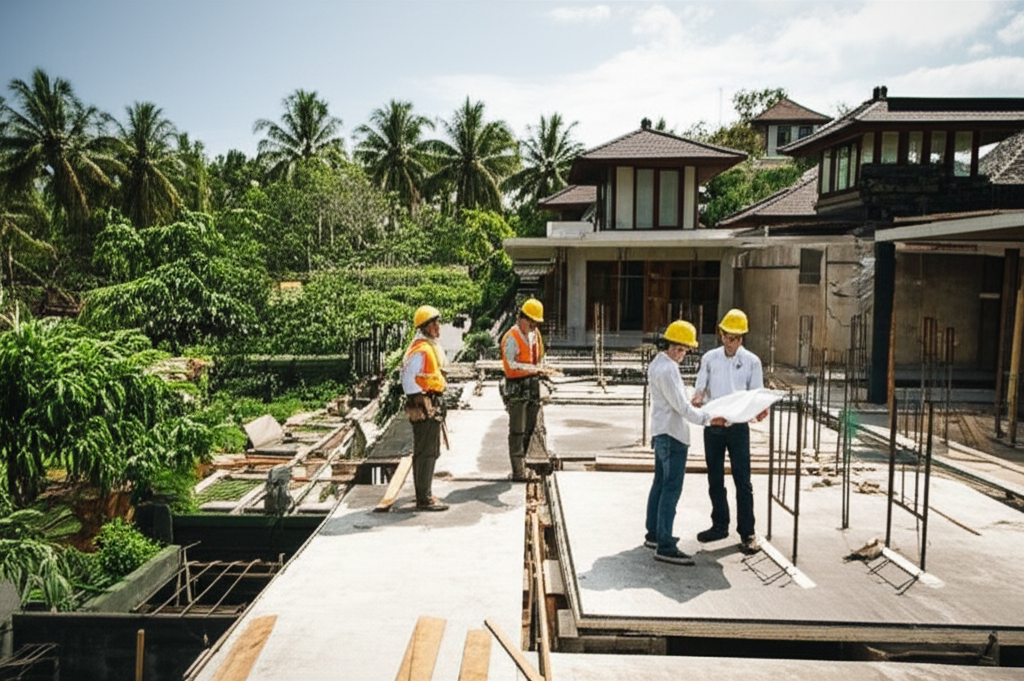
One of the foremost challenges in commercial construction in Bali lies within its regulatory framework. Developers often encounter a multifaceted bureaucratic process that can be both time-consuming and opaque. Land acquisition, for instance, involves navigating various ownership structures, including freehold, leasehold, and cultural land rights, each with its own specific legalities and sensitivities. Zoning restrictions, particularly in an island renowned for its natural beauty and spiritual heritage, are stringent and designed to protect critical areas such as green zones, coastal buffers, and culturally significant sites. These regulations dictate building heights, density, and permitted uses, requiring a meticulous approach to project planning and site selection. Furthermore, the permitting processes, notably obtaining a PBG (Persetujuan Bangunan Gedung, replacing the former IMB), and subsequent operational permits (SLF – Sertifikat Laik Fungsi), involve numerous governmental agencies at both national and local levels. Understanding and adhering to these ever-evolving laws is paramount, and often requires expert local guidance to avoid costly delays and legal complications. For a comprehensive guide to these regulatory aspects, exploring resources like navigating the red tape: your comprehensive guide to Bali building regulations can be invaluable.
Beyond regulatory considerations, environmental factors pose significant challenges. Bali’s sensitive ecosystem, characterized by lush rice paddies, pristine beaches, and vibrant marine life, necessitates a construction approach that prioritizes sustainability and minimal ecological footprint. The demand for rapid development must be balanced with the urgent need for responsible resource management. Issues such as proper waste disposal, water conservation, and the impact of construction on local flora and fauna are critical. Developers are increasingly faced with the imperative to integrate sustainable practices, from sourcing eco-friendly materials to implementing advanced waste management and water recycling systems, which will be further explored in the next chapter on sustainable practices. This commitment is not just an ethical one, but increasingly a market expectation for commercial construction Bali projects aiming for long-term viability and appeal.
Logistical challenges also present considerable obstacles. Sourcing high-quality construction materials can be problematic, with many specialized components requiring importation, leading to increased costs and extended lead times. While local materials like natural stone and timber are abundant, ensuring consistent quality and supply can still be an issue. Labor availability, while generally strong in terms of skilled local craftsmen, can sometimes present challenges in specialized areas requiring international expertise or specific technical certifications. Infrastructure limitations, particularly in more remote areas, can impact transportation of heavy machinery and materials, as well as access to reliable utilities like electricity and clean water. Effective construction project planning in Bali is thus crucial to mitigate these logistical hurdles.
Despite these significant challenges, the commercial construction Bali sector is ripe with compelling opportunities for those willing to engage strategically and responsibly. The Indonesian government continues to offer various incentives for foreign investment, particularly in sectors deemed strategic for economic growth and tourism development. These incentives can include tax holidays, relaxed ownership rules for certain types of businesses, and support for special economic zones, making Bali an attractive destination for capital injection. The availability of skilled local labor, with generations of experience in traditional building techniques and a growing aptitude for modern construction methods, is a considerable asset. Employing and training local talent not only fosters community development but also provides a deep understanding of the island’s unique architectural and cultural nuances, which can be invaluable for authentic and contextually appropriate designs.
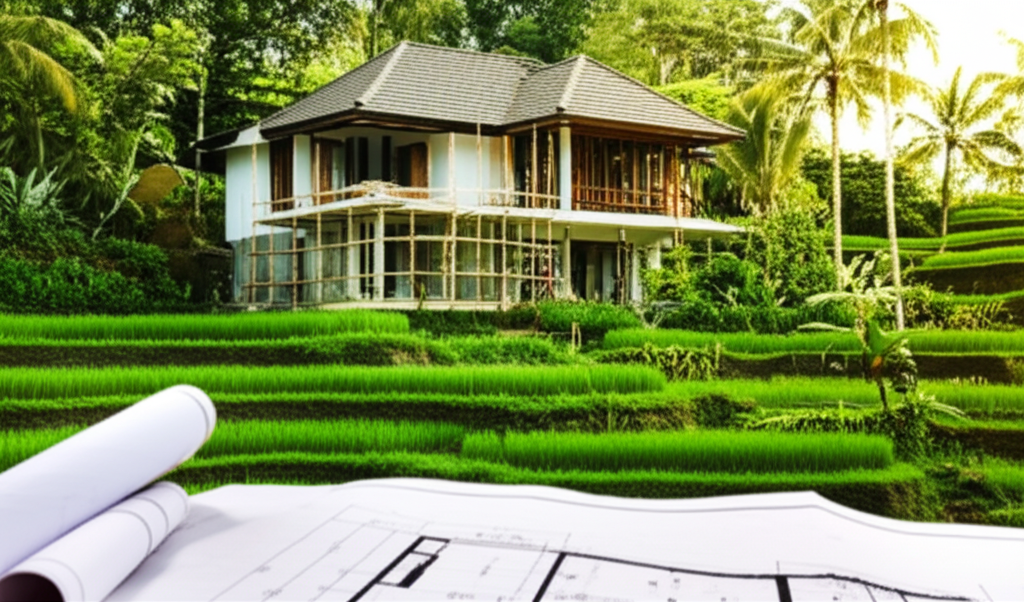
Furthermore, there is immense potential for innovative design and sustainable building techniques. As global awareness of environmental issues grows, so does the demand for eco-conscious developments. This creates an opportunity for developers to lead with groundbreaking designs that integrate traditional Balinese aesthetics with cutting-edge green technologies. Projects that incorporate renewable energy sources, smart building systems, and locally sourced, sustainable materials are increasingly sought after by investors and end-users alike. The market is ready for commercial spaces that not only function efficiently but also contribute positively to the environment and respect the island’s cultural heritage. Partnering with experienced local firms, as highlighted in finding the right general contractor in Bali, can unlock these opportunities. By skillfully navigating regulatory complexities, addressing environmental responsibilities, and creatively overcoming logistical hurdles, while simultaneously capitalizing on investment incentives and a talented local workforce, stakeholders can truly contribute to building Bali’s future with projects that are both prosperous and profoundly impactful.
Sustainable Practices and Future Outlook for Bali’s Commercial Development
The trajectory of commercial construction in Bali is increasingly defined by a profound commitment to sustainable practices, a shift born from a global environmental consciousness and Bali’s inherent vulnerability as an island ecosystem. Developers and investors alike are recognizing that building Bali’s future responsibly is not merely an ethical choice but a strategic imperative that enhances long-term value and market appeal. The integration of eco-friendly building materials stands at the forefront of this movement. Traditional local resources such as bamboo, reclaimed wood, and natural stone, historically employed in Balinese architecture, are experiencing a resurgence, often being reimagined with modern engineering to meet contemporary structural demands. These materials not only reduce carbon footprints by minimizing transportation and manufacturing energy but also allow structures to blend harmoniously with Bali’s lush landscapes. Beyond raw materials, energy-efficient designs are paramount. This involves a thoughtful approach to site orientation, maximizing natural light and ventilation to reduce reliance on artificial cooling and lighting. Passive design strategies, coupled with the installation of solar panels for renewable energy generation and high-performance glazing, are becoming standard in new commercial developments, significantly lowering operational costs and environmental impact.
Water conservation systems are another critical component of sustainable commercial construction Bali. Given the island’s precious freshwater resources, advanced rainwater harvesting systems are being implemented, collecting and storing rainwater for non-potable uses such as irrigation and toilet flushing. Greywater recycling systems, which treat and reuse water from sinks and showers, further reduce demand on the municipal supply. Alongside these, robust waste management strategies are being developed and integrated into project planning from the outset. This includes on-site sorting of construction debris for recycling, engaging with local recycling initiatives, and designing buildings for easier future deconstruction and material reuse. These comprehensive approaches not only mitigate environmental harm but also project a responsible image to environmentally conscious businesses and tourists.
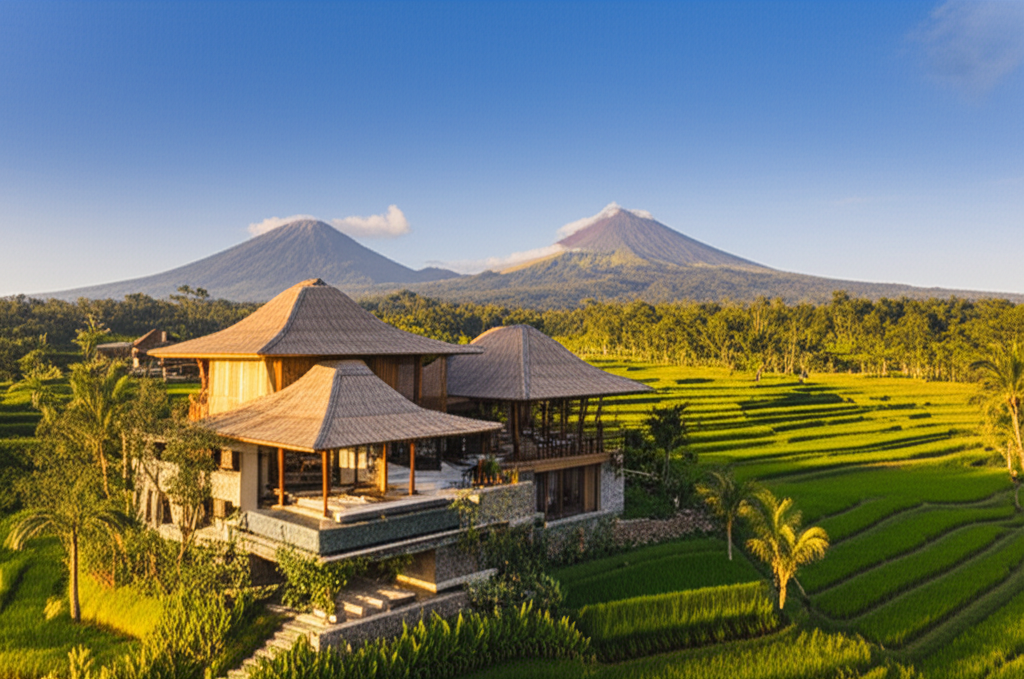
A truly distinctive aspect of sustainable development in Bali is the ingenious way developers are incorporating traditional Balinese architectural elements with cutting-edge sustainable technologies. Far from merely superficial aesthetics, this fusion creates culturally resonant and environmentally responsible structures that celebrate the island’s heritage while embracing modern efficiency. Elements like open-air pavilions, intricately carved wooden accents, and flowing water features—traditionally designed for spiritual and climatic comfort—are now being integrated with smart building systems, advanced thermal insulation, and efficient HVAC solutions. This approach ensures that new commercial spaces, whether hotels, resorts, or office complexes, retain Bali’s unique charm and spiritual essence while achieving high standards of performance and sustainability. For those looking to navigate commercial construction in Bali, this harmonious blend is a significant selling point.
The increasing importance of green building certifications underscores a global commitment to verifiable sustainability. While international certifications like LEED (Leadership in Energy and Environmental Design) and EDGE (Excellence in Design for Greater Efficiencies) are gaining traction, local initiatives and governmental regulations are also evolving to promote environmentally sound practices. The Indonesian government, through various ministries, is actively encouraging sustainable development, often offering incentives or streamlined processes for projects that adhere to green building standards. These certifications not only provide a credible benchmark for sustainability but also enhance the marketability of commercial properties, appealing to a growing segment of environmentally conscious consumers and businesses. Understanding these frameworks is key to navigating commercial building projects with a general contractor in Bali.
Looking ahead, the future outlook for commercial construction Bali is bright, yet inherently linked to its sustainable trajectory. Emerging trends point towards an increased demand for resilient design, focusing on structures that can withstand climate change impacts and natural disasters, ensuring long-term viability. Smart building technologies, integrating IoT (Internet of Things) for optimized energy management, security, and occupant comfort, will become more prevalent. Potential new investment areas are likely to cluster around eco-tourism infrastructure, sustainable commercial hubs that offer shared workspaces with green credentials, and wellness retreats that deeply embed environmental principles into their design and operation. The long-term vision for building Bali’s future as a sustainable and prosperous island destination hinges on maintaining a delicate balance: fostering rapid economic development without compromising the island’s unique cultural and natural heritage. This requires thoughtful urban planning, strict adherence to environmental regulations, and a continuous innovation in sustainable construction methodologies, ensuring that Bali’s allure remains intact for generations to come. This ongoing Bali construction renaissance is setting a global benchmark for responsible development. Ultimately, the success of building Bali’s future commercial vision depends on a collective commitment to these enduring principles.
Conclusions
In conclusion, commercial construction in Bali is a multifaceted sector, driven by tourism yet increasingly embracing diversification and sustainability. From luxury resorts to vital infrastructure, these developments are pivotal for building Bali’s future, balancing economic growth with environmental responsibility. A commitment to thoughtful planning and sustainable practices will ensure Bali remains a premier destination, establishing a resilient and prosperous economy for generations.