Table of Contents
- The Landscape of Construction in Bali
- Legal Framework and Operational Essentials
- Design Trends Materials and Sustainable Practices
- Strategies for Growth and Client Engagement
- Conclusions
Bali, a jewel in the Indonesian archipelago, offers a unique and vibrant landscape for the contractor business. Driven largely by a booming tourism sector and a growing expatriate community, the demand for high-quality construction and development is ever-present. This article delves into the intricacies of operating a successful contractor business in Bali, exploring both the immense opportunities and the unique challenges that define this dynamic market. From luxury villas to sustainable resorts, understanding the local context is key to building lasting success.
The Landscape of Construction in Bali
The Landscape of Construction in Bali
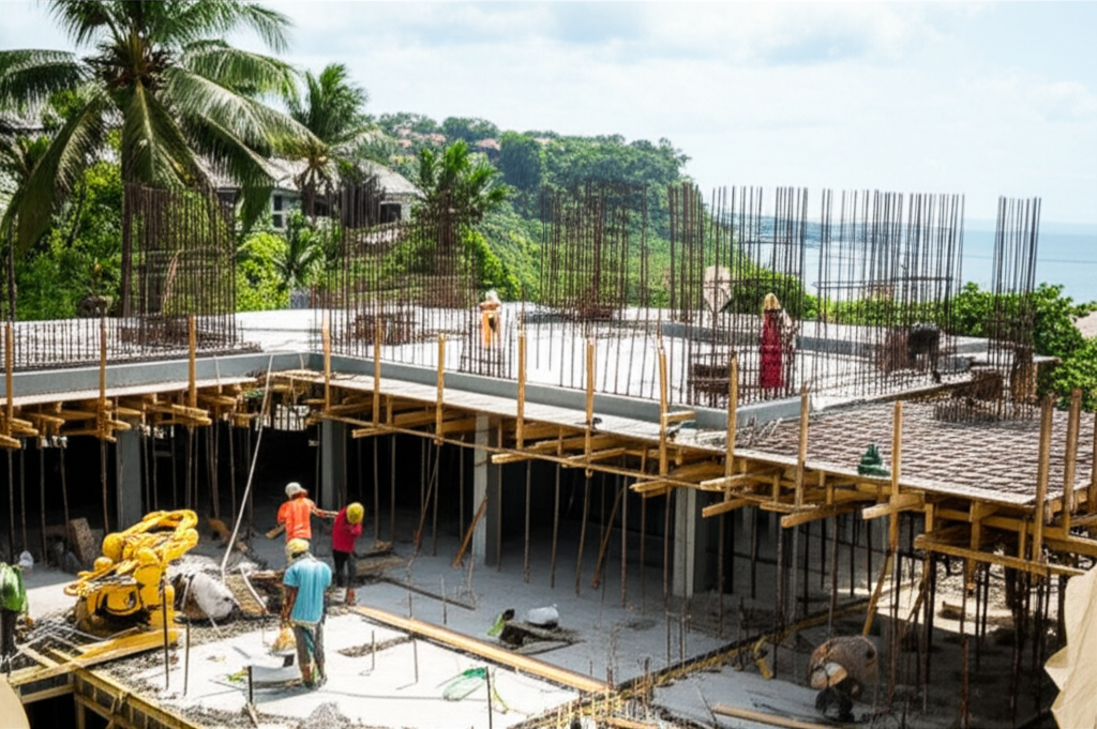
Bali, an island synonymous with paradise, presents a truly unique and dynamic construction landscape, driven almost entirely by its colossal tourism industry. With an estimated 80% of its economy directly or indirectly fueled by visitors, the demand for sophisticated and diverse infrastructure is relentless, shaping the very fabric of the construction in Bali. This intrinsic link means that the fortunes of the contractor business in Bali are inextricably tied to global travel trends, investment confidence, and the island’s enduring appeal as a prime destination for leisure, work, and residence. The current construction boom isn’t merely about erecting buildings; it’s about crafting experiences, supporting a vibrant lifestyle, and accommodating a rapidly expanding expatriate and tourist population.
The primary construction sectors reflect this tourism-centric demand with remarkable clarity. Foremost among these are
- luxury villas and residential developments
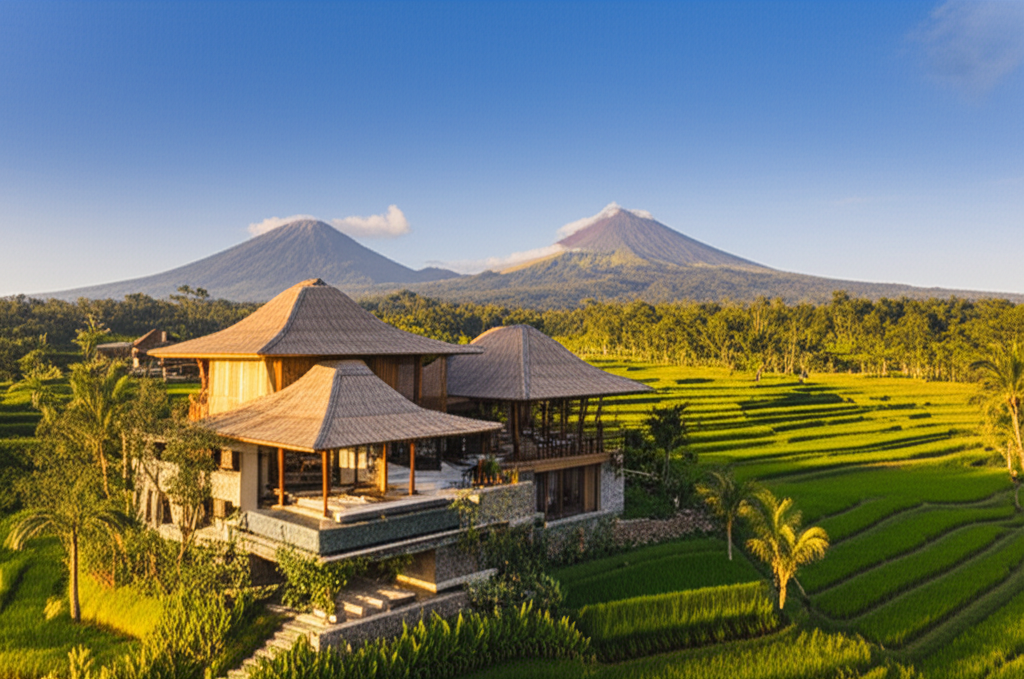
. Investors and individuals from around the globe are keen to own a piece of this tropical haven, fueling a continuous need for high-end residential builders in Bali. These projects range from opulent, sprawling estates designed for long-term residency or high-yield rental income, to bespoke smaller villas that cater to a discerning market seeking both privacy and proximity to the island’s attractions. The architectural styles often blend traditional Balinese elements with modern aesthetics, demanding a high degree of craftsmanship and an understanding of unique climatic conditions. Alongside villas, multi-unit residential complexes are also emerging, designed to provide contemporary living spaces for the growing workforce and digital nomad community.
Another dominant sector is the development of
- resorts, hotels, and guesthouses
. From international five-star brands establishing their presence to boutique hotels and charming guesthouses, the island consistently requires new accommodation options to cater to its ever-increasing influx of tourists. These projects are often large-scale and complex, involving extensive planning, sophisticated design, and adherence to international hospitality standards. The competitive nature of Bali’s tourism market means that new establishments are constantly seeking innovative designs, sustainable practices, and premium facilities, pushing the boundaries of local construction capabilities.
The vibrant food, beverage, and retail scene also drives significant activity in
- commercial properties like restaurants, cafes, and retail spaces
. Every new residential or hospitality development creates a ripple effect, necessitating supporting commercial infrastructure. This includes not only standalone eateries and shops but also integrated commercial hubs within larger developments. The design of these spaces is crucial, often aiming to create inviting, instagrammable environments that capture the essence of Bali’s laid-back yet stylish appeal. The demand here is not just for new builds but also for expert commercial renovation contractors in Bali, as existing establishments seek to refresh their appeal and stay competitive.
Finally,
- infrastructure projects supporting tourism and population growth
are critical, albeit less visible to the casual observer. This includes improvements to roads, utilities (water, electricity, waste management), communication networks, and increasingly, efforts towards sustainable infrastructure to mitigate the environmental impact of rapid development. While these are often government-led initiatives, they frequently involve private contractors, especially for specialized components. Such projects are foundational to the island’s ability to sustain its growth and remain an attractive destination, impacting the overall viability of any contractor business in Bali.
General economic factors and investment trends paint a picture of continued opportunity. Bali benefits from strong foreign direct investment, particularly in the tourism and real estate sectors. The relative political stability of Indonesia, combined with its burgeoning economy and growing middle class, further bolsters confidence. While global economic shifts can certainly influence investor sentiment, Bali’s unique allure often provides a degree of resilience. The increasing number of digital nomads and long-term expatriates also contributes to sustained demand for both residential and commercial properties, moving beyond purely short-term tourist accommodation. This diverse investor base helps to spread risk and maintain a consistent flow of projects.
However, operating in this tropical island setting also presents its own set of initial challenges and opportunities. Logistics, for instance, can be complex. While the island is well-connected, transporting heavy machinery and specialized materials can be costly and time-consuming, often requiring meticulous planning. Labor availability is another key factor; while local labor is abundant, finding highly skilled specialists for complex, modern construction techniques can sometimes be a hurdle, leading to a reliance on training and upskilling local teams or, in specific cases, employing expatriate experts. Material sourcing also requires strategic consideration; while local materials like timber and stone are readily available, specialized finishes, imported fixtures, and high-tech components often need to be sourced internationally, impacting timelines and budgets. Despite these challenges, the sheer volume of demand and the unique aesthetic demands of the market create immense opportunities for contractors who can navigate these complexities with expertise and adaptability. Understanding these foundational elements is crucial for any contractor aiming for lasting success in Bali’s vibrant construction sector.
Legal Framework and Operational Essentials
Legal Framework and Operational Essentials
Establishing and successfully operating a contractor business in Bali demands a profound understanding of Indonesia’s intricate legal and operational landscape. While the allure of the island’s thriving development is undeniable, navigating its unique regulatory environment is paramount for any venture, particularly for foreign investors. The groundwork for any construction project begins long before the first shovel breaks ground, with the meticulous acquisition of permits and licenses.
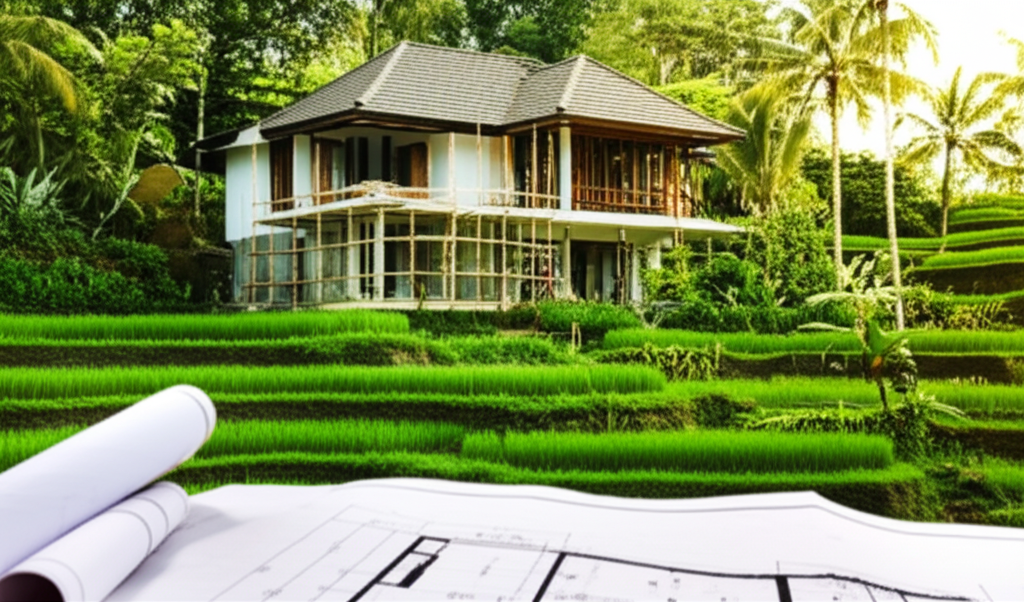
The primary permit required for construction in Indonesia, including Bali, is the Persetujuan Bangunan Gedung (PBG), which replaced the former Izin Mendirikan Bangunan (IMB). The PBG is an essential regulatory document issued by the local government, certifying that a building plan complies with local spatial planning regulations and building safety standards. Obtaining a PBG involves a comprehensive submission process, including architectural drawings, structural calculations, and often, an environmental statement, to the local Public Works and Spatial Planning Agency (Dinas Pekerjaan Umum dan Penataan Ruang). The specifics can vary slightly depending on the district (Badung, Denpasar, Gianyar, etc.), making local expertise indispensable. Beyond the PBG, a construction company must also secure various business licenses, such as a company registration certificate (NIB – Nomor Induk Berusaha), a construction services business license (IUJK – Izin Usaha Jasa Konstruksi), and often a location permit. For foreign entities, establishing a Limited Liability Company (PT PMA – Penanaman Modal Asing) is a prerequisite for engaging in construction activities, involving a more rigorous registration process with the Investment Coordinating Board (BKPM). This initial bureaucratic hurdle underscores the importance of diligent preparation and often, the guidance of experienced local consultants or a knowledgeable general contractor. For a deeper dive into the permit process, one might explore resources like building permits in Bali.
Land ownership in Bali, particularly for foreign investors, is governed by specific regulations that deviate significantly from Western norms. Indonesian law distinguishes between several types of land rights. Hak Milik (Freehold Title) grants the strongest form of ownership and is exclusively reserved for Indonesian citizens. Foreign individuals cannot hold Hak Milik directly. Instead, foreign investors typically engage with properties through Hak Guna Bangunan (HGB) or Hak Sewa. HGB, or Right to Build, grants the right to construct and own buildings on a specific piece of land for a period, typically 30 years, extendable for another 20 years, and renewable for a further 30 years. While an HGB can be held by an Indonesian company (which a PT PMA is), direct individual foreign ownership of HGB is not permitted. The most common arrangement for foreign investors seeking long-term control over land is through a Hak Sewa, or Leasehold Agreement. These agreements allow foreigners to lease land for defined periods, often ranging from 25 to 30 years, with options for extensions. Crucially, the terms of these leasehold agreements must be meticulously drafted and legally binding to protect the investment, covering aspects like extension rights, rental adjustments, and potential sub-leasing. Understanding the nuances of these land tenure systems is vital for securing a project’s foundation and long-term viability. For more on this, consider reading about Bali property investment.
Environmental Impact Assessments, known locally as AMDAL (Analisis Mengenai Dampak Lingkungan), and stringent zoning laws are critical components of the regulatory framework. Large-scale construction projects, or those deemed to have significant environmental impact, are mandated to undergo an AMDAL process. This involves a comprehensive study to identify, predict, evaluate, and manage the environmental impacts of a proposed development. The process is designed to ensure sustainable development and often requires public consultation and approval from relevant environmental agencies. Simultaneously, Bali’s spatial planning regulations, or Rencana Tata Ruang Wilayah (RTRW), dictate permitted land uses across the island. These zoning laws categorize land into various designations, such as green zones (agricultural, protected areas), yellow zones (residential), and red zones (commercial). Building projects must strictly adhere to these classifications; construction in a green zone, for instance, is generally prohibited or severely restricted. Failure to comply can lead to significant penalties, including demolition orders. Therefore, conducting thorough due diligence on land zoning is an indispensable step before acquiring land or commencing any project.
Indonesia’s labor laws are designed to protect workers and regulate employment practices. For local workers, compliance with minimum wage standards (which vary by region), social security contributions (BPJS Ketenagakerjaan for employment security and BPJS Kesehatan for health insurance), and proper employment contracts are mandatory. Contractors must ensure safe working conditions and adhere to regulations concerning working hours, overtime, and termination procedures. Employing expatriate workers, while sometimes necessary for specialized skills, comes with additional layers of regulation. Foreign workers require a Limited Stay Permit (KITAS) and a Permit to Employ Foreign Workers (IMTA), which is issued by the Ministry of Manpower. The government generally prioritizes local employment, making the process for obtaining IMTA and KITAS for foreign staff stringent, often requiring proof that no local talent is available for the specific role. Understanding these intricacies is essential for managing a diverse workforce and avoiding legal complications.
Taxation policies significantly influence the profitability of a contractor business in Bali. Key taxes affecting construction companies include corporate income tax, which is levied on profits. Value Added Tax (VAT), currently at 11%, is applicable to construction services and the purchase of materials. Furthermore, certain construction services may be subject to a final income tax (PPH Final), which varies based on the type and value of the service provided. Land and Building Tax (PBB) is also an annual obligation for property owners. Beyond national taxes, local taxes and levies can also apply. Navigating this tax landscape requires professional accounting and tax advisory services to ensure compliance and optimize financial planning. Accurate budgeting that accounts for all tax obligations from the outset is crucial for maintaining project profitability. More on this can be found in a guide to construction taxes in Bali.
Beyond the formal legal framework, the unique bureaucratic landscape of Bali, heavily influenced by local customs and community structures, plays a pivotal role in ensuring smooth project execution. Bali’s society is deeply rooted in adat (customary law), which often operates in parallel with national law. Building strong relationships with local authorities, particularly the village head (Kepala Desa) and the traditional village council (Banjar), is not just courteous but often critical. Seeking their informal approval and fostering good community relations can mitigate potential disputes and facilitate problem-solving. It is common for new projects to require informal consultations or even traditional ceremonies (e.g., melaspas for a new building) to gain community acceptance and spiritual blessings. This emphasis on consensus (mufakat) and community harmony means that a contractor’s success often hinges on their ability to integrate respectfully into the local social fabric, understanding that cultural sensitivity is as important as legal compliance in this island paradise. Engaging with local partners, whether through joint ventures or by employing local management, can provide invaluable insights and facilitate navigation through these unwritten rules, ultimately ensuring that construction projects progress efficiently and harmoniously within Bali’s vibrant cultural context.
Design Trends Materials and Sustainable Practices
Design Trends, Materials, and Sustainable Practices
The vibrant tapestry of Bali’s natural beauty and rich culture profoundly shapes the demands and trends within the contractor business Bali. Clients, whether individuals envisioning a private villa or developers planning a resort, increasingly seek designs that harmonize with the island’s environment while offering modern comforts and often a touch of luxury. Understanding these prevailing architectural styles is paramount for successful project execution.
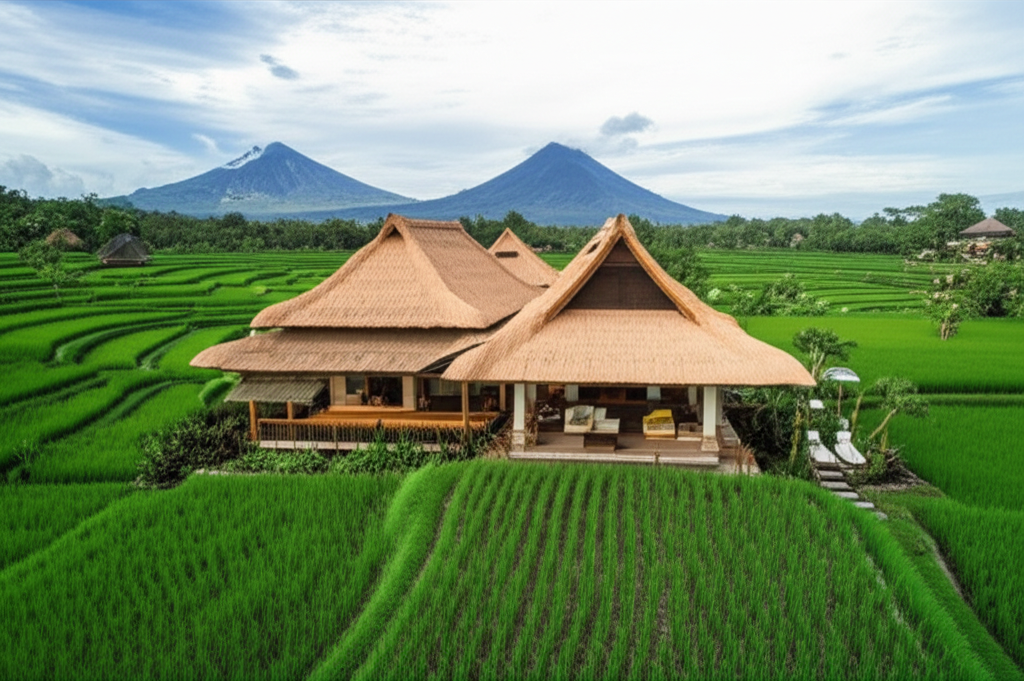
One dominant style is the modern tropical, characterized by its open-plan layouts, expansive glass to blur the lines between indoor and outdoor living, and an emphasis on natural ventilation and abundant daylight. This style champions a seamless integration with the surrounding landscape, often incorporating infinity pools, lush gardens, and shaded terraces that become extensions of the living space. Another enduring and cherished style is the traditional Balinese, rooted deeply in Hindu philosophy and local customs. These designs often feature multiple pavilions with intricate carvings, open-air communal areas, and the use of natural, locally sourced materials such as alang-alang thatched roofs, local timbers, and volcanic stone. The philosophical principles of Asta Kosala Kosali, which guide architectural proportions and orientations to align with spiritual harmony, frequently influence these builds. Finally, fusion designs represent a popular evolution, artfully blending the aesthetic and spiritual elements of traditional Balinese architecture with the sleek lines, functionality, and technological advancements of modern design. This often results in luxurious villas that retain a distinct sense of place while offering contemporary amenities, demanding a nuanced approach from design contractors who can interpret both worlds.
Material sourcing and selection are critical considerations for any general contractor in Bali. Local materials are often preferred for their availability, cost-effectiveness, and authenticity. Natural stone, such as Paras Kerobokan and lava stone, is widely used for walls, flooring, and decorative features, offering excellent thermal properties and blending naturally with the environment. Various local timbers, including teak, merbau, and bangkirai, are prized for their durability and aesthetic appeal, particularly in a tropical climate. However, responsible sourcing from certified plantations is becoming increasingly important. Bamboo, an incredibly versatile and rapidly renewable resource, is gaining traction for both structural and decorative applications, from pergolas to entire villa structures, embodying an eco-conscious approach. While local materials offer numerous advantages, imported materials sometimes become necessary for specialized components like high-performance glazing, advanced roofing membranes, or specific sanitaryware and fittings. Contractors must carefully weigh the cost implications, import duties, logistics, and carbon footprint associated with imported goods against their perceived benefits in terms of quality, durability, or specific design requirements.
The growing global awareness of climate change and environmental responsibility has made sustainable building practices not just a trend but a vital necessity in Bali’s construction landscape. Clients are increasingly demanding environmentally conscious developments, pushing contractors to integrate eco-friendly methods and materials.
Sustainable practices encompass a broad range of strategies:
* Eco-friendly construction methods involve minimizing environmental impact throughout the build process. This includes using recycled or reclaimed materials where possible, employing modular or prefabricated construction techniques to reduce on-site waste, and minimizing disturbance to the natural landscape during site preparation.
* Energy-efficient designs are paramount in Bali’s warm climate. This means designing for passive cooling through strategic building orientation, maximizing cross-ventilation, implementing deep eaves and overhangs for shade, and using high-performance, low-emissivity glass. The integration of solar panels for electricity generation and solar water heaters is also becoming standard in higher-end developments, significantly reducing operational costs and carbon footprint.
* Waste management strategies are crucial to mitigate the environmental impact of construction. Effective on-site segregation of waste into categories like plastics, metals, organic matter, and construction debris allows for recycling, reuse, or proper disposal. Developing relationships with local recycling facilities and striving for a zero-waste construction site are becoming benchmarks for responsible contractors.
* Rainwater harvesting and water conservation are essential on an island where water resources can be stressed. Implementing systems to collect and store rainwater for irrigation, toilet flushing, and other non-potable uses drastically reduces reliance on municipal or groundwater sources. Furthermore, specifying low-flow fixtures and efficient irrigation systems contributes significantly to overall water savings.
* Integration of green spaces and natural ventilation is a hallmark of sustainable Balinese architecture. Courtyards, extensive landscaping, vertical gardens, and green roofs not only enhance aesthetic appeal but also contribute to passive cooling by moderating ambient temperatures. Large openings, louvered windows, and strategically placed vents facilitate natural airflow, reducing the need for artificial air conditioning.
For contractors, the challenge lies in meeting this rising demand for environmentally conscious developments while upholding the aesthetic appeal and structural integrity of their projects. This requires a deep understanding of sustainable materials, advanced construction techniques, and a commitment to continuous learning. Collaborating with architects and designers who specialize in green building, investing in skilled labor capable of executing these methods, and educating clients on the long-term benefits of sustainable choices are all crucial steps. Ultimately, the ability to deliver beautiful, durable, and ecologically responsible structures will differentiate successful contractors in Bali’s evolving market. These projects, executed with precision and a commitment to sustainability, not only cater to discerning clients but also contribute positively to the preservation of Bali’s unique paradise.
Strategies for Growth and Client Engagement
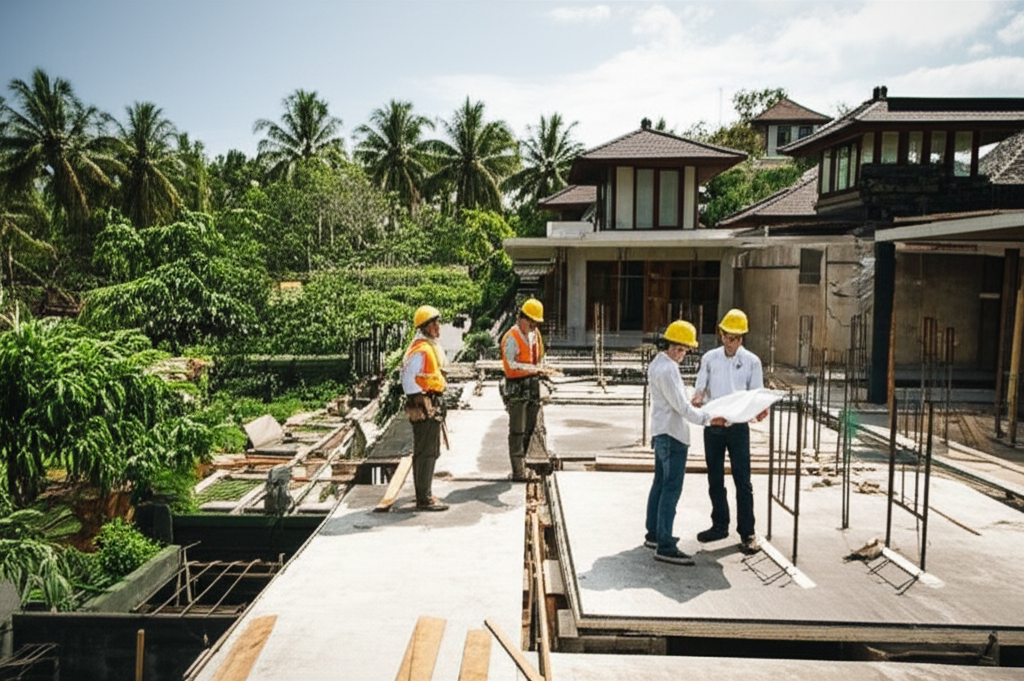
Achieving sustained success and growth in Bali’s vibrant yet competitive construction landscape demands a multifaceted approach, extending beyond mere technical proficiency. A strong foundation in effective project management and unwavering quality control is paramount for building an unimpeachable reputation. This involves meticulously planning every phase, from initial concept to final handover, setting clear, achievable milestones, and rigorously adhering to agreed-upon timelines. Regular, on-site inspections are not just procedural; they are crucial touchpoints for identifying potential issues early, ensuring compliance with local building codes, and upholding international construction standards. Implementing robust quality assurance protocols across all materials and workmanship, coupled with ongoing training for the workforce, guarantees that every project reflects the highest calibre of craftsmanship. Ultimately, a proven track record of delivering projects on time, within budget, and to exceptional standards forms the bedrock of a contractor’s reputation in Bali, paving the way for invaluable word-of-mouth referrals. For comprehensive project oversight that ensures these standards are met, consider leveraging expert construction and project management in Bali.
Marketing and branding strategies must be meticulously tailored for the unique Balinese context. In today’s digital age, a compelling online presence is non-negotiable. This includes a professional, user-friendly website showcasing a portfolio of completed projects with high-quality visuals, testimonials from satisfied clients, and clear contact information. Social media platforms, particularly Instagram and Facebook, are powerful tools for engaging potential clients, given Bali’s visually-driven market. Local SEO efforts, targeting keywords like “villa construction Bali,” “luxury home builder Bali,” or “commercial contractor Bali,” are essential for attracting clients searching for services within the island. Beyond the digital realm, local networking remains incredibly potent. Actively engaging with real estate agents, architects, interior designers, and local business associations can open doors to new opportunities and collaborations. Participating in community events or sponsorships also demonstrates a commitment to the island, fostering goodwill and a stronger local connection.
Building strong, lasting relationships extends to clients, architects, and suppliers alike. Transparency is the cornerstone of client relationships; regular, clear communication regarding project progress, budget updates, and any potential challenges builds trust and manages expectations effectively. For architects and designers, a collaborative spirit, respect for their vision, and timely feedback are key to a smooth design-build process. With suppliers, prompt payments, consistent communication about material requirements, and fostering long-term partnerships can lead to preferential pricing, reliable delivery, and access to the best available resources, whether locally sourced stone and timber or specialized imported components. Recognizing that these are not merely transactional interactions but strategic alliances will significantly contribute to sustained success. When seeking a holistic approach to your building needs, consider a general construction service in Bali that prioritizes these relationships.
Navigating cultural differences and ensuring effective communication with diverse teams and stakeholders is critical in a multicultural environment like Bali. Respect for local customs, traditions (like *adat* ceremonies), and religious holidays is not just courteous but essential for harmonious operations. Understanding the often indirect communication styles prevalent in Balinese culture requires patience and a willingness to clarify. Employing local staff who can bridge cultural gaps and learning basic Bahasa Indonesia can significantly enhance team cohesion and client relations. Clear, concise documentation in both English and Bahasa Indonesia for contracts, specifications, and project updates helps prevent misunderstandings and ensures everyone is aligned. Empathy and a flexible approach, particularly when unforeseen cultural obligations arise, will go a long way in fostering trust and a positive working environment.
Sound financial management, well-defined pricing strategies, and comprehensive risk assessment are vital for profitability in the Balinese market. Accurate cost estimations that account for fluctuating material prices (both local and imported), labor costs, permit fees, and unforeseen contingencies are paramount. Transparent pricing, where clients understand the breakdown of costs, builds confidence. Implementing robust financial controls, managing cash flow diligently, and seeking professional accounting advice are non-negotiable. Risk assessment should encompass a broad spectrum: evaluating potential regulatory changes, understanding environmental factors (e.g., heavy rainy seasons affecting timelines), assessing labor availability and skill gaps, and monitoring currency fluctuations, which can impact imported material costs. Legal counsel for drafting comprehensive contracts that mitigate disputes and clearly define responsibilities is also an essential safeguard. For detailed guidance on managing your project from initiation to completion, explore masterful building project management in Bali.
Exploring opportunities for specialization and niche markets within Bali’s constantly evolving development landscape can provide a significant competitive edge. While general contracting services are always in demand, specializing in areas like high-end luxury villas, eco-friendly resorts, sustainable bamboo structures, or commercial renovations for boutique hotels and restaurants can attract specific clientele willing to pay a premium for specialized expertise. The increasing demand for sustainable and technologically advanced buildings also presents opportunities for contractors focusing on energy-efficient designs, smart home integrations, or green building certifications. Continuously monitoring market trends and identifying underserved segments will allow contractors to position themselves strategically. Ultimately, fostering a strong local presence and contributing positively to the community is not just good ethics but also good business. Hiring local talent, sourcing materials from Balinese producers where possible, and engaging in local Corporate Social Responsibility (CSR) initiatives—such as supporting local schools or environmental clean-ups—builds immense goodwill. This commitment ensures business profitability while genuinely enriching the island paradise that offers so much. Partnering with a premier general contractor in Bali who understands these nuances can significantly contribute to your project’s success and the island’s sustainable growth.
Conclusions
In conclusion, the contractor business in Bali presents a fascinating blend of opportunity and challenge. Success hinges on a deep understanding of local regulations, cultural nuances, and market demands, especially within the dominant tourism sector. By embracing sustainable practices, fostering strong client relationships, and navigating the unique business environment, contractors can not only build remarkable structures but also contribute positively to the island’s dynamic growth. Bali continues to evolve, offering a promising future for those prepared to build with vision and integrity.