Table of Contents
- The Shifting Sands of Bali’s Economy
- Navigating the Landscape Challenges and Opportunities
- Sustainable Development and Innovation in Industrial Construction
- The Future Outlook for Industrial Growth in Bali
- Conclusions
Bali, renowned globally for its vibrant tourism and rich cultural heritage, is gradually witnessing a shift in its economic landscape. Beyond its iconic beaches and spiritual retreats, the island is beginning to explore and embrace industrial construction projects. This article delves into the emerging trends, significant opportunities, and inherent challenges that define the trajectory of industrial development, ultimately shaping Bali’s future economic prowess.
The Shifting Sands of Bali’s Economy
The Shifting Sands of Bali’s Economy
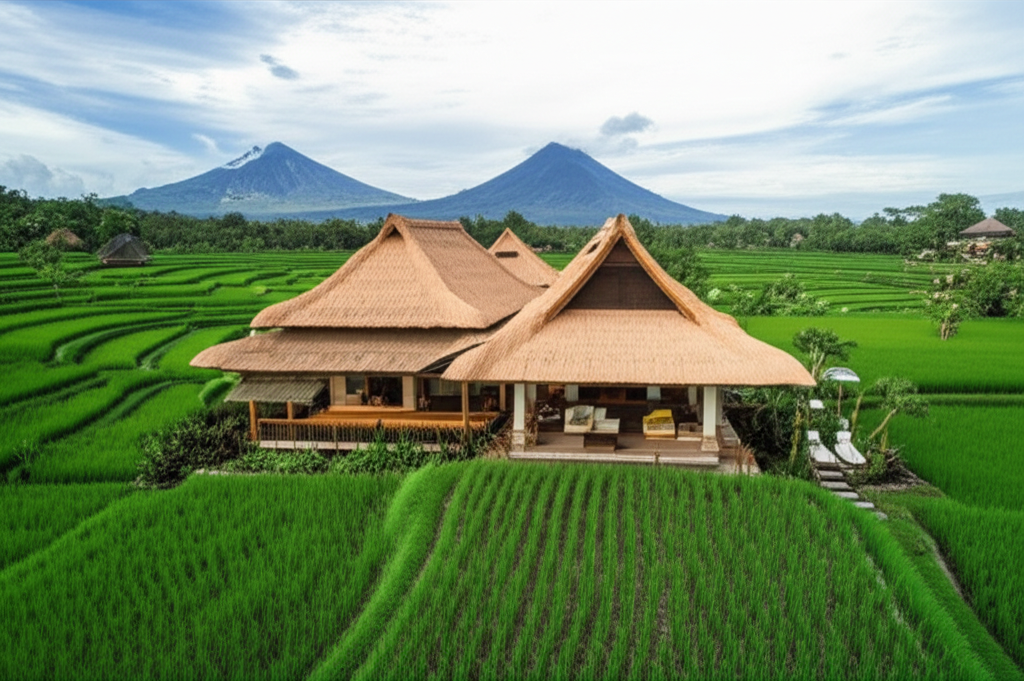
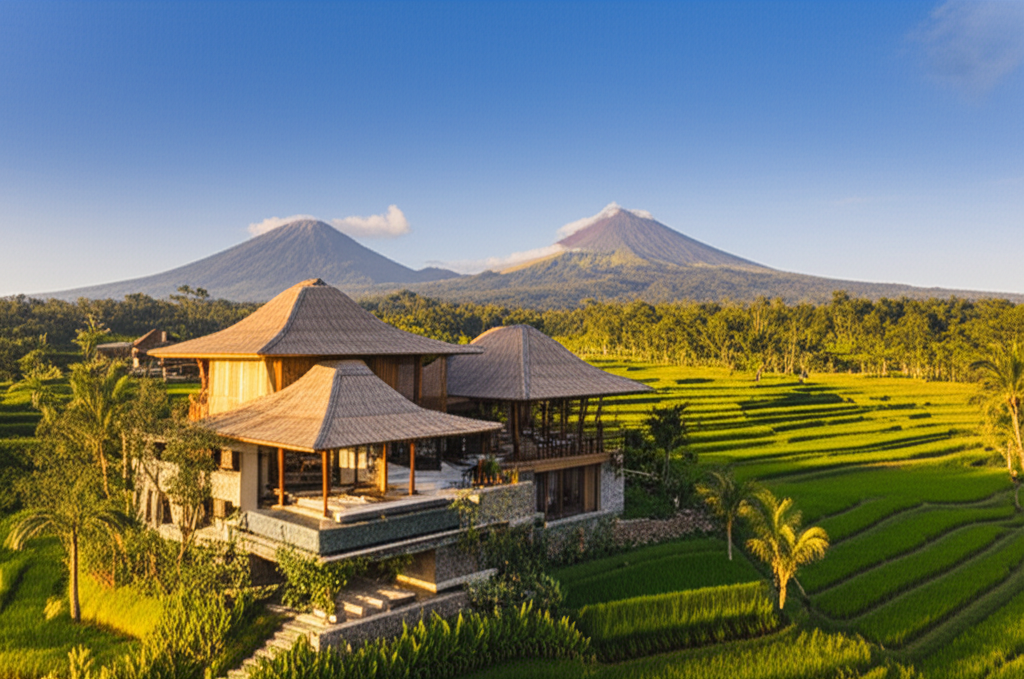
Bali has long captivated the world with its unparalleled beauty, rich cultural tapestry, and the warmth of its people, establishing itself as a premier global tourist destination. For decades, the island’s economic heartbeat has largely pulsed to the rhythm of tourism, supported by a foundational agricultural sector that sustained local communities and preserved Bali’s iconic landscapes of verdant rice paddies. This dual reliance, while fostering unique development, also presented a significant vulnerability, a reality starkly highlighted by global events that underscored the imperative for economic resilience. The profound impact on an economy heavily weighted towards a single industry catalyzed a strategic re-evaluation, pushing the region towards a more diversified and robust economic model. This pivot is the driving force behind the burgeoning interest in industrial construction projects Bali, signaling a transformative phase for the island’s economic landscape.
The goals for economic diversification in Bali are clear: to build a more stable, multifaceted economy capable of withstanding external shocks, create sustainable employment opportunities beyond the traditional sectors, and elevate the overall living standards for its residents. Industrial development aligns perfectly with these objectives by introducing new industries that provide year-round employment, foster skill development, and generate diverse revenue streams. This is not about transforming Bali into a heavy industrial hub, but rather about developing specialized sectors that complement its existing strengths and environmental considerations. The focus is on intelligent growth, where industrial construction solutions in Bali are tailored to support sustainable enterprises.
Several key sectors are now attracting significant industrial investment, forming the vanguard of Bali’s economic evolution:
- Warehousing and Logistics: With increasing global trade and the growth of e-commerce, the need for efficient storage and distribution networks is paramount. Bali’s strategic location within Southeast Asia positions it favorably for specialized logistics operations, facilitating the movement of goods both domestically and regionally.
- Niche Manufacturing: This includes the production of high-value, often small-scale goods that leverage local resources and craftsmanship. Examples range from advanced processing of Bali’s renowned agricultural produce (coffee, spices, organic health products) for export, to the creation of bespoke fashion, sustainable products, and artisan goods on a larger, more structured scale. These ventures often align with Bali’s reputation for quality and unique design.
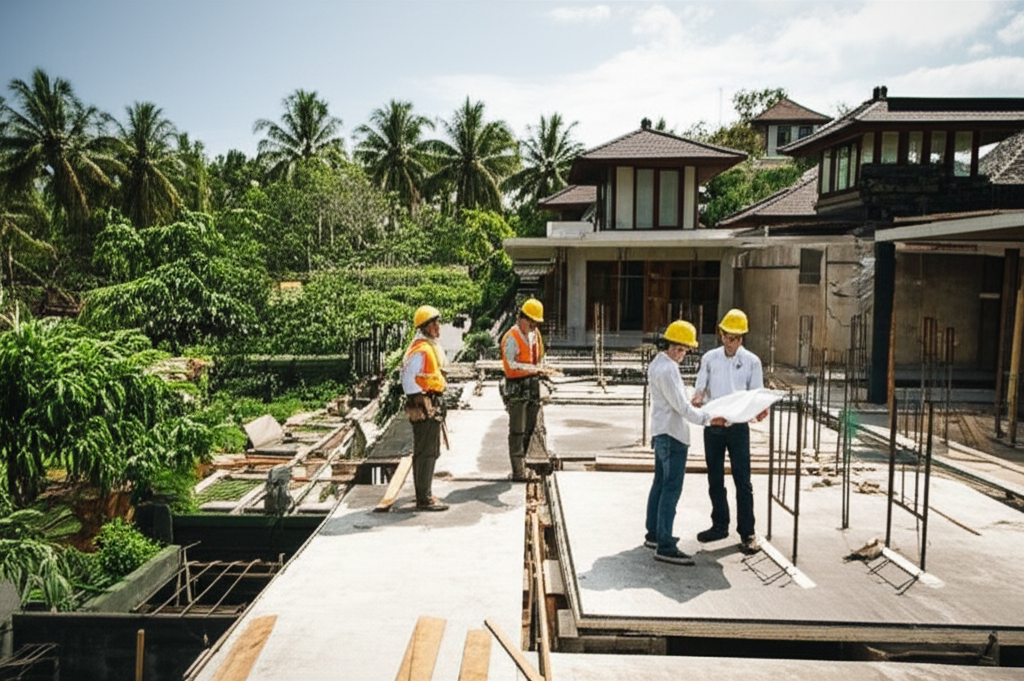
- Infrastructure Development: Essential to supporting the burgeoning industrial zones, this encompasses improvements in crucial areas such as modern roads, enhanced port facilities, reliable utility networks, and robust digital infrastructure. Such foundational improvements are critical for attracting and sustaining long-term industrial growth. These projects require the expertise of industrial contractor in Bali.
The importance of these commercial building construction projects cannot be overstated in a region with such a unique economic profile. They are pivotal in creating new, stable employment opportunities that offer alternatives to seasonal tourism work, thus contributing significantly to local economic stability and fostering a more equitable distribution of wealth. By diversifying income sources, Bali strengthens its economic foundation, ensuring a more prosperous and resilient future for its communities while maintaining its allure as a world-class tourist destination. This balance of preserving paradise while pursuing progress defines the current Bali construction renaissance.
Navigating the Landscape Challenges and Opportunities
Navigating the Landscape: Challenges and Opportunities
Undertaking industrial construction projects in Bali presents a unique dichotomy of significant challenges and compelling opportunities that developers must strategically address. The island’s distinct characteristics, from its cherished natural environment to its intricate socio-economic fabric, shape every aspect of development.
A primary challenge lies in land availability and acquisition. Bali is a relatively small and densely populated island, where land is a precious commodity. The increasing demand from both tourism and developing industrial sectors drives up prices and makes large, contiguous plots difficult to secure. Furthermore, traditional land ownership structures and complex local customs can lead to protracted negotiation processes, necessitating deep local understanding and sensitive engagement with communities. This often extends project timelines and increases initial investment costs.
Another substantial hurdle involves regulatory complexities. While the government actively promotes industrial growth to diversify Bali’s economy, navigating the administrative landscape for permits and licenses can be a labyrinthine process. Developers must meticulously adhere to a myriad of local and national regulations, including specific zoning laws, intricate environmental impact assessments (AMDAL), and building codes that are often tailored to Bali’s unique environmental and cultural sensitivities. Securing approvals often requires the expertise of local legal and consulting professionals who possess a nuanced understanding of these frameworks. For a comprehensive understanding of these procedures, one might consult a guide to Bali building regulations.
Environmental impact concerns are paramount in Bali, an island globally celebrated for its pristine beauty. Industrial projects inherently face intense scrutiny regarding their potential ecological footprint—from waste management and water consumption to the preservation of natural habitats. Successful developers must commit to sustainable construction practices and demonstrate genuine environmental stewardship to gain public trust and regulatory consent. This aligns closely with the long-term vision for sustainable industrial development on the island. Additionally, the need for skilled labor for specialized industrial construction tasks can be a challenge. While Bali boasts a vibrant general workforce, the niche skills required for advanced manufacturing facilities or complex logistical hubs may necessitate investment in training programs or reliance on expatriate talent, impacting both timelines and budgets. Lastly, infrastructure readiness and logistical support are critical considerations. While main tourist areas are well-serviced, nascent industrial zones may lack robust power grids, water supply, high-speed internet, and road networks capable of supporting heavy industrial transport, requiring developers to invest in or advocate for significant upgrades.
Conversely, Bali offers compelling opportunities for industrial construction solutions in Bali. Its strategic geographical location within Southeast Asia provides excellent connectivity to booming regional markets, positioning it as an ideal hub for logistics, distribution, and certain types of manufacturing. This central location facilitates efficient supply chains and trade across Indonesia and neighboring countries. The Indonesian government further sweetens the deal with various incentives for investment, including potential tax holidays, streamlined licensing processes, and support for critical infrastructure development, all designed to foster non-tourism economic growth. Developers also gain access to a growing regional market; Indonesia’s vast domestic consumer base, coupled with the broader ASEAN economic community, presents substantial demand for industrial products and services. This offers significant scalability for businesses established on the island.
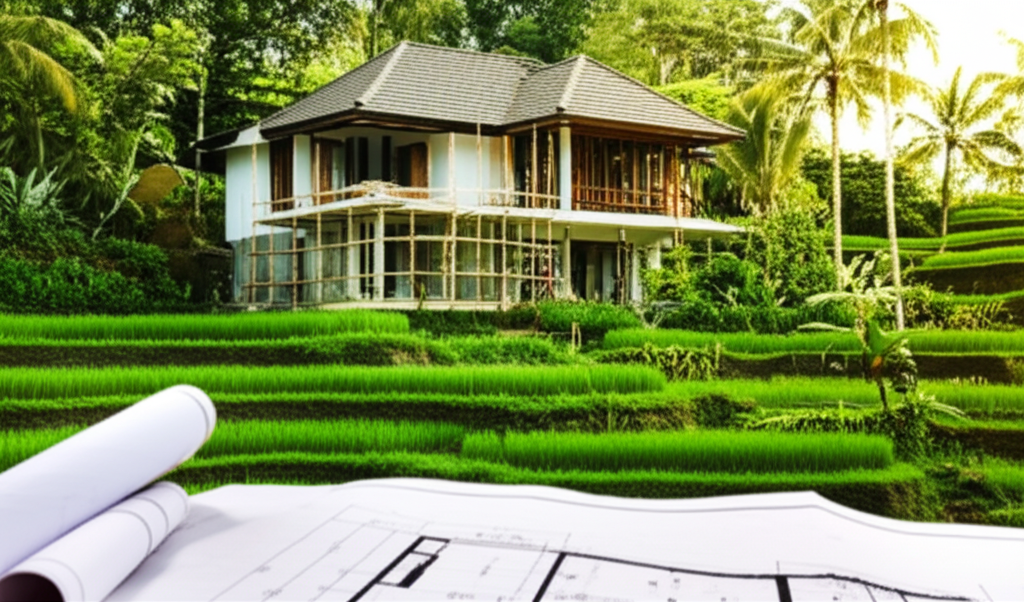
Furthermore, there is immense potential for leveraging advanced construction technologies. Bali’s forward-looking approach to development provides an ideal environment for integrating modern techniques such as modular construction, prefabrication, and smart building solutions. These innovations enhance efficiency, reduce waste, and accelerate project completion, ensuring that Bali’s industrial infrastructure is built for the future. Developers can also capitalize on the island’s established infrastructure and service sector, originally built for tourism, by adapting it to industrial needs. To navigate these intricate dynamics, developers should prioritize:
* Engaging experienced local partners, including local general contractors in Bali, legal experts, and environmental consultants from the outset.
* Conducting thorough feasibility studies encompassing land, regulatory compliance, environmental impact, and labor force assessment.
* Investing proactively in community engagement and local workforce training initiatives.
* Embracing innovative design-build solutions and rigorous construction management to mitigate risks and optimize project delivery.
By strategically addressing these challenges and capitalizing on the inherent opportunities, developers can contribute to and benefit from Bali’s evolving industrial landscape, ensuring successful and sustainable development that respects the island’s unique character.
Sustainable Development and Innovation in Industrial Construction
The escalating demand for industrial infrastructure in Bali, while presenting significant opportunities, also underscores the critical imperative for sustainable development and innovation within industrial construction projects Bali. As the island seeks to balance economic growth with its renowned natural beauty and cultural heritage, a fundamental shift towards eco-friendly building practices and cutting-edge technologies is becoming increasingly evident. This commitment ensures that industrial expansion contributes positively to the island’s long-term viability and aligns with global environmental preservation efforts.
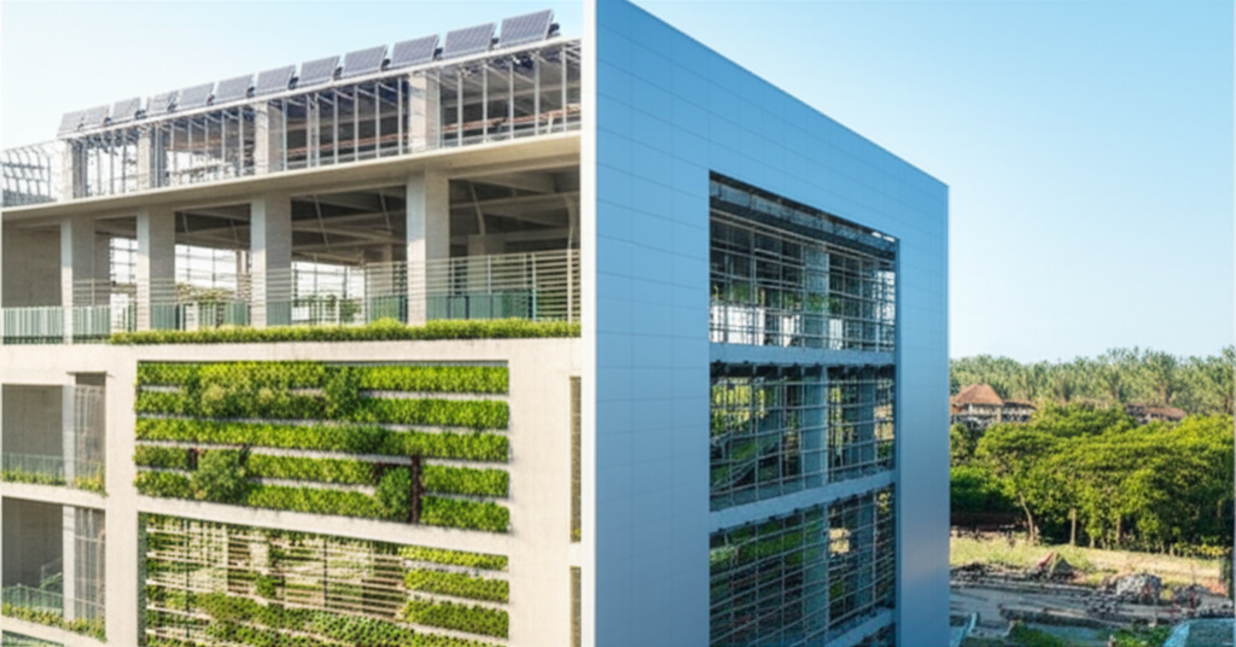
Central to this paradigm is the integration of eco-friendly building practices from the initial design phase. This includes thoughtful site planning to minimize disruption to natural ecosystems, maximizing natural light and ventilation to reduce energy consumption, and implementing designs that blend harmoniously with Bali’s unique landscape. The selection of materials plays a pivotal role; constructors are increasingly opting for sustainable materials such as locally sourced timber, bamboo, recycled aggregates, and low-volatile organic compound (VOC) paints. These choices not only reduce the carbon footprint associated with transportation but also support local economies and create healthier indoor environments for industrial facilities.
Furthermore, green technologies are becoming standard in modern industrial designs. Renewable energy integration, particularly through the installation of solar panels on expansive factory rooftops, is a prime example, significantly reducing reliance on fossil fuels. Efficient waste management systems are also paramount, emphasizing waste reduction, on-site segregation, and comprehensive recycling programs to divert materials from landfills. Similarly, water conservation strategies are being rigorously implemented, incorporating rainwater harvesting systems for non-potable uses, greywater recycling for irrigation, and the installation of low-flow fixtures to drastically cut water consumption in industrial facilities. These measures reflect a holistic approach to resource management.
Beyond environmental considerations, technological innovations are revolutionizing the efficiency and productivity of industrial construction. Modular construction, for instance, offers expedited build times, superior quality control, and reduced on-site waste by fabricating components off-site in controlled environments. This approach is particularly advantageous in Bali, where minimizing disruption during construction is highly valued. The emergence of smart factory concepts, leveraging the Internet of Things (IoT), artificial intelligence (AI), and data analytics, allows for optimized operations, predictive maintenance, and real-time monitoring of energy and resource consumption. Advanced automation, including robotics for precision tasks, enhances safety and efficiency on the construction site and within the operational facility. Building Information Modeling (BIM) is also becoming instrumental in managing complex industrial projects, from initial design to facility management, ensuring greater accuracy and coordination.
These sustainable and innovative approaches are not merely trends but essential strategies for ensuring that industrial construction projects Bali contribute to a resilient and thriving economy. By embracing these advancements, Bali can foster industrial growth that respects its invaluable natural environment, preserves its cultural identity, and sets a precedent for responsible development in the region. This proactive stance is crucial for solidifying Bali’s position as a hub where progress and preservation coexist, paving the way for a future where industry and paradise flourish in tandem.
The Future Outlook for Industrial Growth in Bali
The future outlook for industrial growth in Bali paints a picture of deliberate and specialized expansion, moving beyond traditional heavy industry to embrace sectors that align with the island’s unique identity and environmental aspirations. The long-term vision for Bali’s economic development foresees a carefully curated industrial landscape, one that champions innovation and sustainability, complementing its globally renowned tourism sector rather than competing with it. This strategic evolution will see significant investment in infrastructure that supports industrial construction solutions in Bali tailored for niche markets.
Potential growth areas are anticipated to be concentrated in high-value, low-impact sectors. These include the burgeoning creative economy, encompassing digital nomad infrastructure, advanced design studios, and artisanal manufacturing that leverages local craftsmanship and sustainable materials. Emerging industrial sectors will likely include specialized agri-tech facilities focused on organic and high-quality produce for both local consumption and export, as well as marine science and biotechnology hubs that capitalize on Bali’s rich biodiversity. Furthermore, there’s significant potential for the development of clean energy technology manufacturing and assembly, aligning with global shifts towards renewable resources. Specialized industrial contractors in Bali will be key in developing these advanced facilities.
The driving force behind this expansion will be a blend of foreign and domestic investment. Foreign direct investment (FDI) will be crucial for bringing in advanced technologies and expertise, attracted by Bali’s strategic location and supportive regulatory environment, particularly for industries that offer high returns and low environmental impact. Domestic investment, on the other hand, will strengthen local supply chains and foster home-grown enterprises, ensuring that economic benefits are widely distributed. Public-private partnerships will also play a pivotal role in funding and executing major infrastructure projects.
Crucially, industrial growth is envisioned to coexist harmoniously with Bali’s tourism sector, creating symbiotic relationships. For instance, high-quality agricultural processing can supply organic produce to luxury resorts, while advanced manufacturing can produce unique, sustainable products for tourists and export. The development of specialized medical facilities, another potential growth area, can also attract medical tourism. This intricate balance necessitates meticulous land-use planning and zoning regulations, ensuring industrial zones are strategically located to minimize impact on tourist areas and natural landscapes. Visual aesthetics of commercial building construction will be paramount.
To successfully navigate this future, strategic planning, robust policy frameworks, and genuine community engagement are indispensable. The government’s long-term vision must translate into clear, implementable policies that incentivize sustainable practices and high-value industries. These frameworks should streamline processes for construction project planning in Bali and investment, while rigorously enforcing environmental protection. Community engagement is vital to ensure that local populations benefit from industrial development through job creation and skill development, minimizing potential conflicts and fostering a shared sense of ownership. Training programs for local workers in new industrial techniques will be essential.
Ultimately, Bali has the potential to become a regional hub for specialized industrial activities, celebrated not for mass production, but for its unique blend of innovation, sustainability, and cultural integration. By strategically cultivating industries that respect and enhance its natural and cultural heritage, Bali can build a future where economic dynamism and environmental preservation flourish hand-in-hand, maintaining its unique identity as an island paradise. This forward-looking approach will see industrial development as an integral part of Bali’s continued evolution, requiring the expertise of premier general construction in Bali for its realization.
Conclusions
In conclusion, the journey of industrial construction projects in Bali is one of careful balance and strategic foresight. By prioritizing sustainable practices, fostering innovation, and engaging with local communities, Bali can successfully diversify its economy without compromising its invaluable natural and cultural assets. The future of industrial development on the island lies in creating a harmonious synergy between progress and preservation, paving the way for a resilient and prosperous Bali for generations to come.