Table of Contents
- The Allure of Balinese Living
- Understanding Land and Legalities
- Designing Your Balinese Oasis
- The Construction Journey
- Budgeting and Financial Planning
- Life After Construction
- Conclusions
Dreaming of a bespoke home amidst Bali’s enchanting landscapes? Residential construction in Bali offers a unique blend of cultural richness and modern amenities. This article explores the intricate journey of building your ideal home on the Island of the Gods, covering everything from legal frameworks and architectural styles to budgeting and the practicalities of turning your vision into a tropical reality. Prepare to build your personal sanctuary, your way.
The Allure of Balinese Living
The Allure of Balinese Living
The island of Bali possesses an undeniable magnetism, drawing individuals from across the globe seeking more than just a holiday destination; they envision a life intertwined with its enchanting rhythm. This profound attraction is the primary catalyst for the growing interest in residential construction in Bali. It’s a place where the concept of “home” extends beyond four walls, embracing a lifestyle rich in culture, spirituality, and unparalleled natural beauty. The vibrant Balinese culture, with its daily ceremonies, intricate arts, and deeply rooted spiritual practices, offers an enriching backdrop that transforms everyday living into an immersive experience. Life here unfolds at a different pace, a relaxed tempo that encourages mindfulness and a profound connection to the present moment, a stark contrast to the relentless rush of urban centers worldwide.
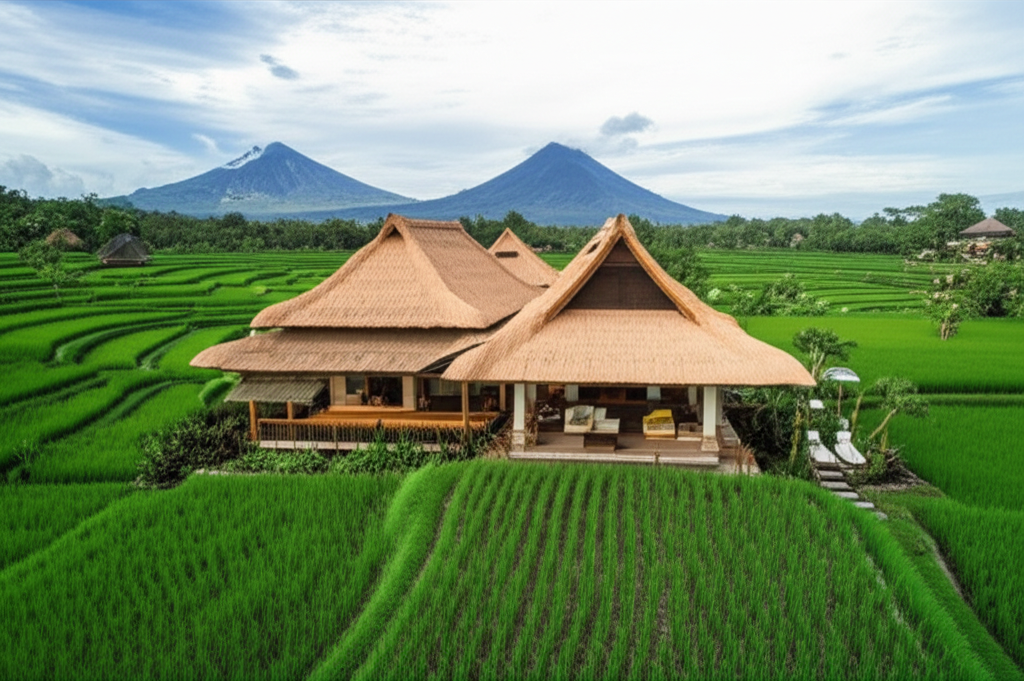
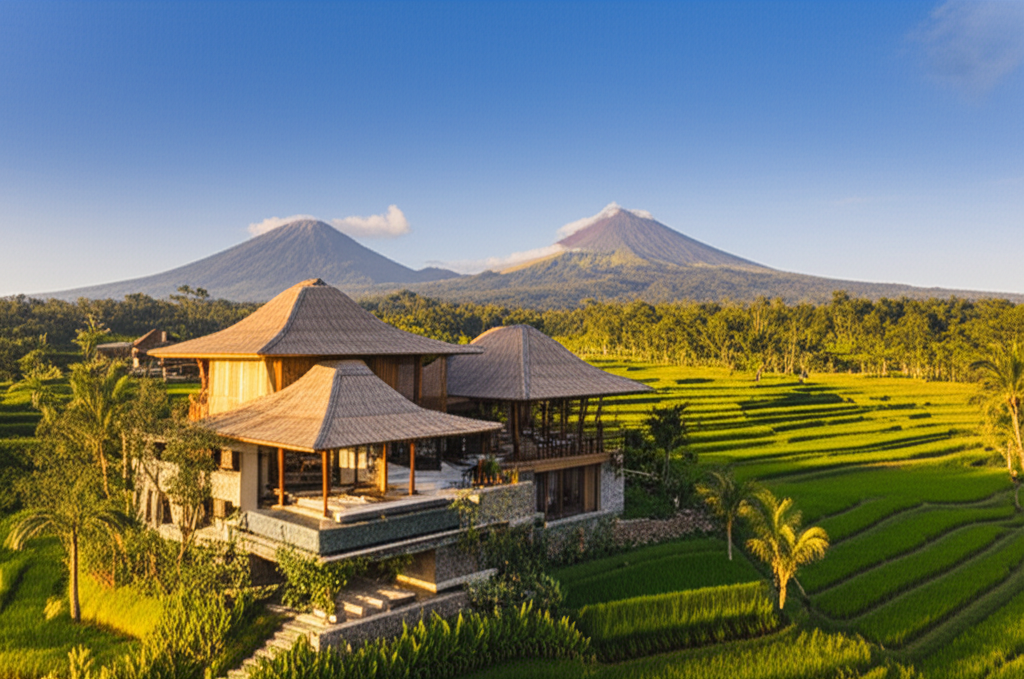
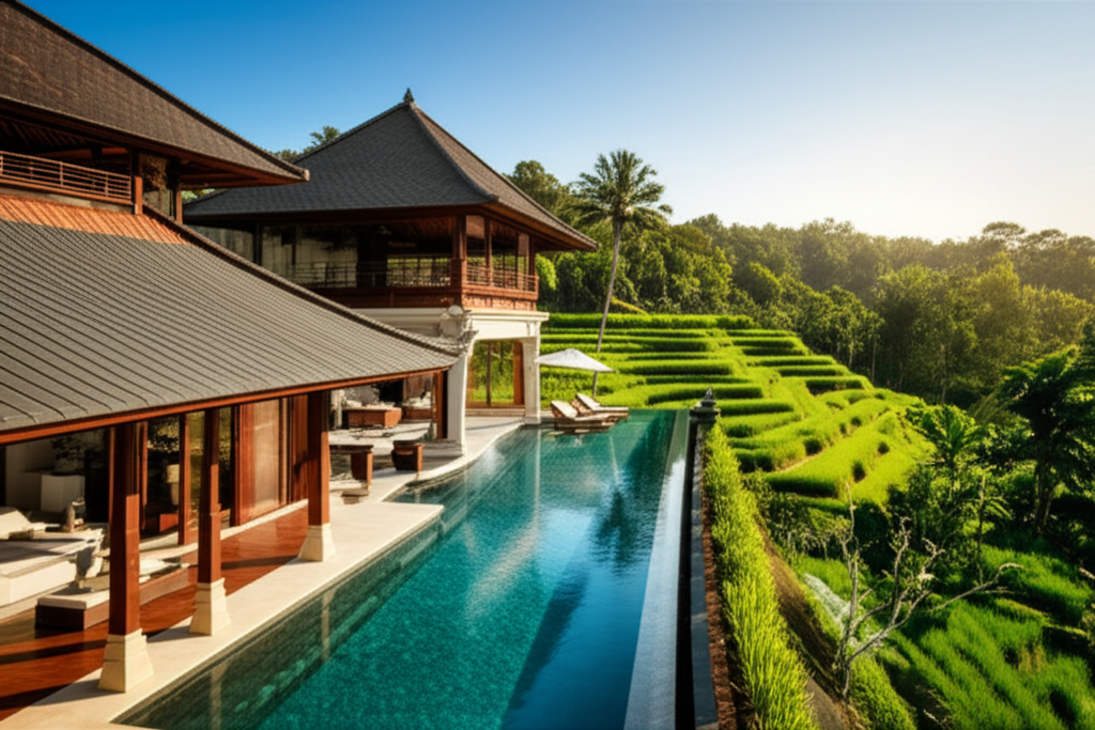
Bali’s stunning landscapes are a constant source of inspiration and tranquility. From the iconic emerald terraced rice paddies that ripple across the central highlands to the dramatic volcanic peaks that punctuate the skyline, and the pristine sandy beaches lapped by the Indian Ocean, the island offers an extraordinary palette of natural wonders. These breathtaking surroundings are often the muse for those embarking on a Bali villa build, seeking to integrate their living spaces seamlessly with the environment. Imagine waking to the gentle chirping of birds, overlooking a verdant rice field, or enjoying a sunset vista over the ocean from your own bespoke sanctuary. This deep connection with nature is a cornerstone of the Balinese allure.
Beyond its intrinsic charms, Bali has cultivated a robust and welcoming expat community, fostering a diverse blend of cultures that coexist harmoniously with local traditions. This established network provides a sense of belonging and support for newcomers, making the transition to island life smoother. Furthermore, the island’s thriving tourism industry and steadily appreciating property values underscore its significant investment potential. Savvy individuals recognize that residential construction in Bali isn’t merely about creating a personal retreat; it’s also about securing a valuable asset in a perpetually desirable location. For insights into the market, exploring a Bali building insights blog can be highly beneficial.
Ultimately, building a home in Bali allows for an extraordinarily personalized experience. It’s an opportunity to craft a space that perfectly reflects individual desires, whether that’s a secluded haven designed for profound tranquility, a luxurious estate equipped with every modern comfort, or an eco-conscious dwelling that fosters a deep connection with the island’s natural world. This bespoke approach to residential construction Bali ensures that each home tells a unique story, becoming a true extension of its owner’s dreams and aspirations in this tropical paradise. For those seeking expert guidance on designing their perfect island home, insights into designing your perfect island home can be invaluable. The journey from vision to reality, guided by top residential contractors in Bali, is one of creativity and meticulous planning, culminating in a dwelling that embodies the very essence of Balinese living.
Understanding Land and Legalities
Understanding the intricacies of land ownership and the legal framework is paramount for anyone considering residential construction in Bali. While the island’s charm is undeniable, navigating Indonesian property law, especially as a foreign individual, requires meticulous attention and expert guidance. Direct freehold ownership (Hak Milik) is generally reserved for Indonesian citizens. However, foreigners can secure long-term control over land through various established legal structures, making their dream home a reality in paradise. It is crucial to grasp these distinctions before embarking on your building journey.
The most common and secure avenue for foreigners to control land for residential purposes in Bali is through a Leasehold Agreement (Hak Sewa). This involves leasing land from an Indonesian owner for a specified period, typically ranging from 25 to 30 years, with options for extension. A well-drafted leasehold agreement, executed before a notary public, provides secure rights to use and develop the land for the duration of the lease. Another significant option is Hak Pakai (Right of Use), which grants individuals the right to use and build on state land or land owned by another party, often an Indonesian citizen or legal entity, for a set period, typically up to 30 years and extendable. This right can be held directly by foreign individuals and provides a strong legal basis for residential construction. For those looking to establish a more robust commercial presence, or for projects exceeding personal residential use, the Hak Guna Bangunan (Right to Build or HGB) can be granted to an Handonesian legal entity, such as a PT PMA (foreign-owned company). While not directly held by foreign individuals, this structure allows the PT PMA to construct and own buildings on the land for a substantial period, typically 30 years, with extensions. Understanding the nuances between these options, particularly regarding their implications for long-term property control and potential resale, is critical. For a deeper dive into these structures, you can explore resources like freehold vs. leasehold for foreigners.
Beyond securing land rights, obtaining the necessary construction permits is an equally vital step. The primary permit required for any building project in Bali is the Persetujuan Bangunan Gedung (PBG), which replaced the former Izin Mendirikan Bangunan (IMB). The PBG is an approval issued by the local government that confirms your building plans comply with local spatial planning regulations and technical requirements. The process involves submitting detailed architectural and structural drawings, technical specifications, and often environmental assessments (like UKL-UPL for smaller projects or AMDAL for larger ones). Adherence to local zoning regulations (Rencana Tata Ruang Wilayah – RTRW) is paramount, as these dictate what kind of structures can be built in specific areas, from residential zones to green belts or tourism-designated areas. You can learn more about navigating the PBG process and other guide to permits in Bali.
Due diligence cannot be overstated in this process. Engaging reputable legal counsel specializing in Indonesian property and construction law is not merely a recommendation but a necessity. They will conduct thorough title searches, verify land history, and ensure there are no existing encumbrances or disputes. Furthermore, understanding local customary law, known as adat, is crucial. While national laws govern much of the legal framework, adat traditions often influence land use, community relations, and even construction practices, particularly in more rural areas. Ignoring these can lead to unforeseen complications. Therefore, partnering with local experts who possess an intimate understanding of both legal and customary frameworks is essential for a smooth and successful project. This will help you avoid potential pitfalls and ensure a solid foundation for your foreigners’ comprehensive guide to ownership and construction, especially when considering building on Bali’s designated land zones.
Designing Your Balinese Oasis
Designing your Balinese oasis is where your vision truly begins to take shape, intertwining personal desires with the rich tapestry of the island’s architectural heritage. Residential construction in Bali is a unique blend of traditional wisdom and contemporary luxury, demanding a design approach that respects local culture and climate. At its heart, traditional Balinese architecture is a profound expression of harmony with nature, often referred to as Tri Hita Karana – the balance between humans, nature, and the spiritual realm. This philosophy translates into structures that are not merely built upon the land, but organically integrated into it, blending seamlessly with Bali’s natural topography, a principle often observed by Bali villa architecture.
Key characteristics include the widespread use of local, sustainable materials like wood (teak, coconut), natural stone (volcanic paras stone, river stones), and traditional alang-alang thatch roofing. These materials offer not only aesthetic appeal but also provide natural insulation and durability in the tropical climate, contributing to an authentic island feel. Open-plan living is another hallmark, blurring the lines between indoor and outdoor spaces through expansive verandas, open-air pavilions, and strategically placed courtyards. This design maximizes natural ventilation, minimizing the need for artificial cooling, while inviting the lush tropical environment inside. Spiritual elements are deeply embedded, guided by principles akin to feng shui, known locally as Asta Kosala Kosali. This ancient system dictates the orientation of buildings towards sacred geographical features, like Mount Agung, and adherence to cardinal directions, influencing the layout and placement of various structures within a compound for positive energy flow and spiritual balance.
Modern designs for residential construction in Bali thoughtfully integrate these traditional elements with contemporary living standards. The focus shifts towards sustainable building practices, utilizing indigenous resources and fostering sustainable building practices. This includes passive cooling strategies, effective cross-ventilation, rainwater harvesting systems, and the incorporation of solar energy solutions to enhance energy efficiency. Beyond functionality, modern Balinese homes are designed as luxurious retreats, often featuring stunning infinity pools that merge with the horizon, meticulously landscaped tropical gardens that create private sanctuaries, and expansive outdoor living spaces perfect for entertaining or quiet contemplation. The integration of modern amenities, such as state-of-the-art kitchen facilities and luxurious bathrooms, with an overriding emphasis on energy efficiency, aligns with the innovative spirit driving the Bali construction renaissance.
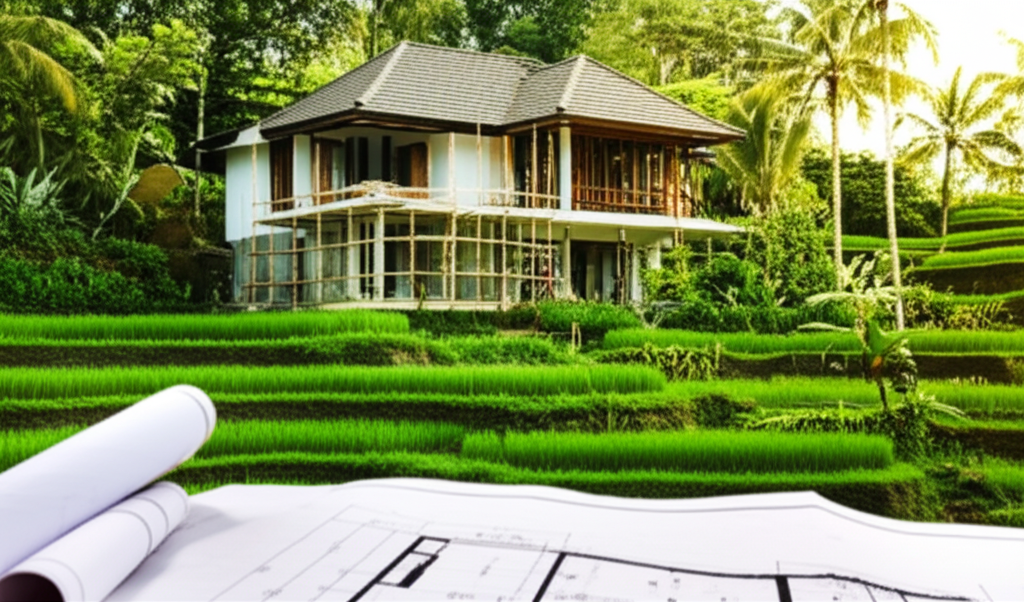
The selection of an architect and design team is paramount. This team should not only possess a deep understanding of international design principles but also be intimately familiar with designing your perfect island home, encompassing both local aesthetics and the complexities of Balinese building regulations. Their portfolio should demonstrate successful projects that balance modern comforts with the spiritual and environmental ethos of Bali. An experienced team will expertly guide you through the initial conceptualization, site analysis, and detailed architectural drawings, ensuring your vision aligns with local regulations and the intricate architectural requirements in Bali. They will be crucial in interpreting your dreams into tangible blueprints, ready for the next phase of bringing your extraordinary Balinese residence to life. For a comprehensive guide on selecting the right professionals for the execution phase, consider reading our insights on finding top residential contractors in Bali.
The Construction Journey
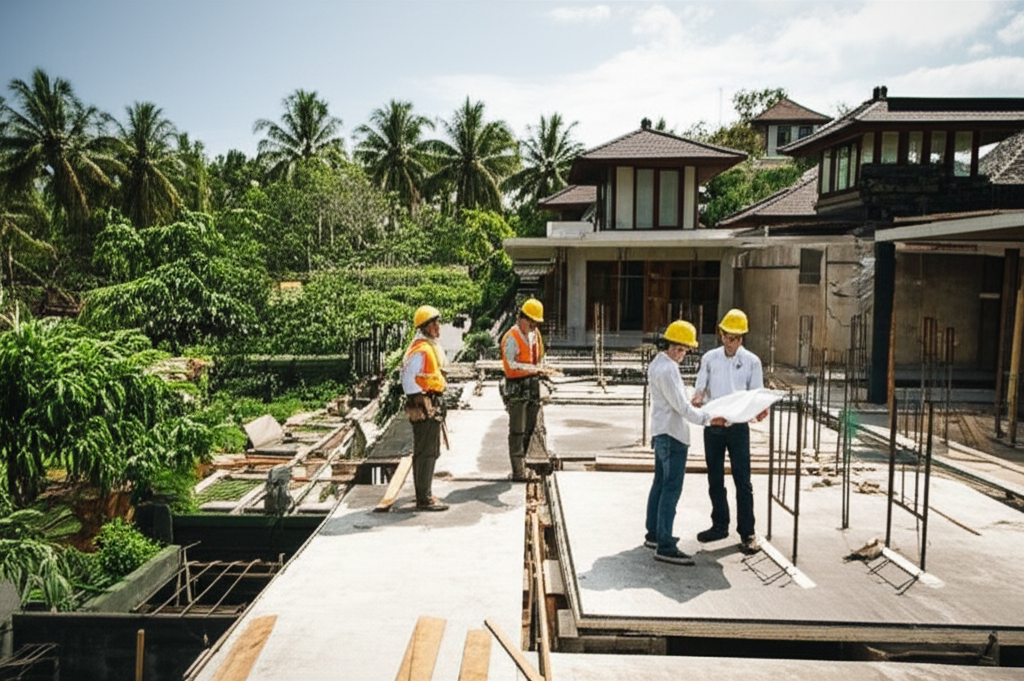
Embarking on the actual construction of your Balinese home is an exciting, yet intricate, phase that transforms blueprints into tangible structures. The residential construction process in Bali typically follows a structured sequence, beginning with meticulous site preparation and foundation laying, which sets the critical groundwork for stability, especially on diverse Balinese terrains. Following this, the structural phase erects the skeleton of your home, including columns, beams, walls, and the roof structure, providing the essential framework. Once enclosed, the focus shifts to installing the “rough-ins” – the electrical wiring, plumbing systems, and air conditioning ducts, carefully concealed within the walls and ceilings. This is followed by the enclosure phase, where doors and windows are fitted, sealing the property from the elements. The extensive finishing phase then commences, encompassing everything from tiling, plastering, and painting to installing fixtures, cabinetry, and landscaping, bringing your design vision to life.
Selecting the right local builders and contractors is paramount to a successful project. Begin by researching firms with a strong reputation in residential construction in Bali, looking for a proven track record and transparency. Always request to see their portfolio of Bali construction projects and, crucially, speak with previous clients to gauge their experience. Verify that they possess the necessary licenses and understand local regulations, including navigating the PBG process. During interviews, assess their communication style and ensure they fully grasp your specific vision and quality expectations. Prioritize top residential contractors in Bali who demonstrate specialized expertise in island architecture and building practices.
Clear contracts are non-negotiable. Your contract should explicitly detail the scope of work, material specifications, payment schedules tied to milestones, a realistic project timeline, and quality benchmarks. Crucially, it must include clauses for dispute resolution. Consistent, open communication is your strongest asset; establish regular meeting schedules, demand detailed progress reports, and ensure all decisions and changes are documented in writing. Effective project management, either through a dedicated professional or close personal oversight, is essential for monitoring progress and adherence to the agreed plans and budget.
Typical timelines for a residential build in Bali can vary significantly based on size and complexity. Foundations might take a few weeks, while the structural phase could span several months. Rough-ins and enclosure typically add another couple of months, with the finishing touches being the most time-consuming, often extending over many months. A small, straightforward villa might be completed in 8-12 months, whereas a larger, more intricate design could easily require 12-18 months, aligning with the general progression outlined in the process of a Bali villa build.
Common challenges often arise, but with foresight and strategy, they can be effectively managed. Material sourcing can be a hurdle; while local stone and wood are abundant, specialized or imported materials may require longer lead times and careful quality verification upon arrival. Quality control demands constant vigilance; regular site visits, photographic documentation, and engaging independent inspectors are vital. Managing local labor involves understanding cultural nuances and ensuring clear, consistent instructions, often facilitated by a skilled local project manager. Unforeseen site conditions, such as unstable soil or water tables, necessitate a contingency budget and a flexible approach, as early geotechnical surveys are highly recommended. For effective oversight, consider appointing a trusted local representative if you cannot be on-site continuously. Utilize technology for updates, maintain a detailed project log, and regularly review progress against your benchmarks, ensuring the project adheres to the highest general construction services in Bali standards and remains on track both in terms of quality and timeline.
Budgeting and Financial Planning
Budgeting and financial planning form the bedrock of any successful residential construction project in Bali, transforming abstract desires into tangible financial realities. A meticulous budget not only dictates the scale and scope of your dream home but also safeguards against unforeseen financial strain. The initial and often most significant expenditure is land acquisition or lease. For foreigners, understanding the nuances between freehold and leasehold is critical, as it impacts upfront costs and long-term investment viability. While freehold land is typically beyond direct foreign ownership, long-term lease agreements, often for 25-30 years with options to extend, represent a substantial initial outlay. It’s crucial to factor in these legal structures, which can be explored further in discussions around freehold vs leasehold for foreigners.
Following land, construction materials account for a significant portion of the budget.
Bali offers a rich array of local materials like timber, natural stone, and bamboo, which can be more cost-effective and culturally appropriate than imported alternatives. However, the choice between local and high-end imported finishes will profoundly affect your material budget. Labor costs in Bali are generally more competitive than in many Western countries, but the quality and expertise of skilled craftsmen are paramount, especially when working with specialized finishes or complex designs. Architectural and engineering fees, encompassing design, structural calculations, and supervision, are indispensable investments ensuring structural integrity and aesthetic alignment with your vision. Permit costs, including the essential PBG (Persetujuan Bangunan Gedung), represent administrative fees that must be allocated. Understanding the navigating the PBG process is key to accurately estimating these expenses. Finally, interior finishing, from custom cabinetry and flooring to fixtures and appliances, offers the broadest range of cost variation, allowing for significant personalization.
Beyond these direct costs, several hidden costs in Bali villa construction and contingencies demand careful consideration. Unforeseen ground conditions, design alterations during construction, currency fluctuations impacting material imports, and the installation of essential utilities like electricity, water, and internet can all add unexpected expenses. It is prudent to allocate a contingency fund, typically 10-20% of the total estimated construction cost, to absorb these potential surprises without derailing the project. When it comes to financing, traditional mortgages from local Indonesian banks are rarely available to foreigners for direct property ownership. Most foreign buyers self-finance through personal savings, international loans, or sometimes through developer financing schemes.
To achieve cost-effective building without compromising quality or safety, several strategies can be employed. Prioritizing local materials and labor not only supports the local economy but often provides a more authentic aesthetic at a lower cost. Opting for simpler architectural designs can reduce complex construction techniques and material waste. Energy-efficient designs, though potentially increasing upfront costs for elements like solar panels or superior insulation, can lead to significant long-term savings on utility bills. Engaging top residential contractors in Bali from the outset who have a transparent pricing structure and a proven track record for managing budgets is vital. After construction, ongoing expenses must be factored into your long-term financial plan. These include annual property taxes (PBB), regular maintenance for a tropical climate (pest control, waterproofing, general upkeep), utility bills, and potentially staffing costs for cleaning, gardening, and pool maintenance. These recurring costs are an integral part of owning a home in paradise, ensuring its beauty and functionality endure. For overall project success, engaging with a company offering premier general construction in Bali can streamline the entire financial and building process.
Life After Construction
Once the last nail is hammered and the final coat of paint dries, the true joy of your Balinese home begins. However, this transition from construction to comfortable living also ushers in a new set of considerations, particularly concerning property management and long-term upkeep in a tropical climate. Many homeowners in Bali opt for a dual approach: a professional property management service for comprehensive oversight, often coupled with direct employment of local staff for day-to-day operations. Hiring dedicated personnel for tasks such as cleaning, gardening, and pool maintenance is not just a luxury; it’s a practical necessity to keep your property in pristine condition. Local staff often possess invaluable knowledge about maintaining homes in the tropical environment and can be incredibly reliable when treated with respect and fairness. Establishing clear roles and fostering positive relationships are key to a harmonious living experience. For those considering their property as an investment, engaging a reputable management company can also streamline operations, handle bookings, and ensure a consistent standard for guests, allowing you to enjoy passive income without the daily demands.
Maintaining a home in Bali’s humid, tropical climate presents unique challenges that require proactive attention. Regular pest control is paramount; termites, mosquitoes, and other tropical insects can quickly become a nuisance or cause structural damage if left unchecked. A robust, ongoing pest management plan is essential. Weatherproofing is another critical area; with heavy rainy seasons, ensuring your roofing solutions are optimal, drainage systems are efficient, and all external surfaces are adequately sealed will prevent water ingress and damp. Materials like natural stone, wood, and paint demand specific care. Wood, particularly exposed timber, will need periodic treatments to protect against moisture and sun, while stone surfaces might require regular cleaning to prevent moss and algae growth. Quality finishes and proper installation during the construction phase, as detailed by top residential contractors in Bali, significantly reduce future maintenance burdens.
Beyond the physical upkeep of your home, integrating into the local community is a rewarding, yet nuanced, aspect of expat life in Bali. Understanding Balinese customs, traditions, and the deeply spiritual culture enriches the experience immeasurably. Learning basic Bahasa Indonesia, participating in local events, and showing respect for religious ceremonies fosters goodwill and opens doors to deeper connections. While Bali is very welcoming to foreigners, navigating the practicalities of expat life, from banking and visas to healthcare and schooling, requires patience and good local advice.
For many, a newly built home in Bali also represents a significant investment opportunity. The potential for rental income, especially from holiday rentals, is substantial given Bali’s enduring appeal as a tourist destination. However, it’s crucial to understand the regulations surrounding such activities. While your home may be built for residential purposes, operating it as a commercial holiday rental typically requires specific permits, such as a Pondok Wisata license, depending on the scale and location. This is distinct from the initial PBG process for building in Bali. Navigating these legal requirements and understanding the tax implications of rental income is vital. Consulting with legal professionals experienced in Bali’s property laws for foreigners, and studying guides like investing in Bali villas, will ensure your venture is both compliant and profitable, allowing you to truly live your dream in paradise.
Conclusions
Building a home in Bali is an adventure that combines significant rewards with unique challenges. By understanding the legal landscape, embracing Balinese design principles, carefully managing the construction process, and planning your finances, you can create a truly remarkable residential property. This journey, while complex, offers the unparalleled opportunity to craft a dream home that is deeply integrated with the island’s captivating spirit and serene lifestyle.