Table of Contents
- The Allure of Bali for Developers
- Navigating Bali’s Legal Landscape for Construction
- From Vision to Blueprint Designing Your Bali Project
- Funding Your Dream Project in Bali
- Building Sustainably and Responsibly in Bali
- Project Completion and Beyond Realizing Your Bali Vision
- Conclusions
Bali, often hailed as the Island of Gods, presents an unparalleled canvas for realizing ambitious development dreams. This article delves into the intricate yet rewarding journey of building your dream project here, transforming vibrant visions into tangible structures that harmonize with Bali’s rich culture and breathtaking natural beauty. Explore the essential steps, from initial conception to final completion, ensuring your venture flourishes.
The Allure of Bali for Developers
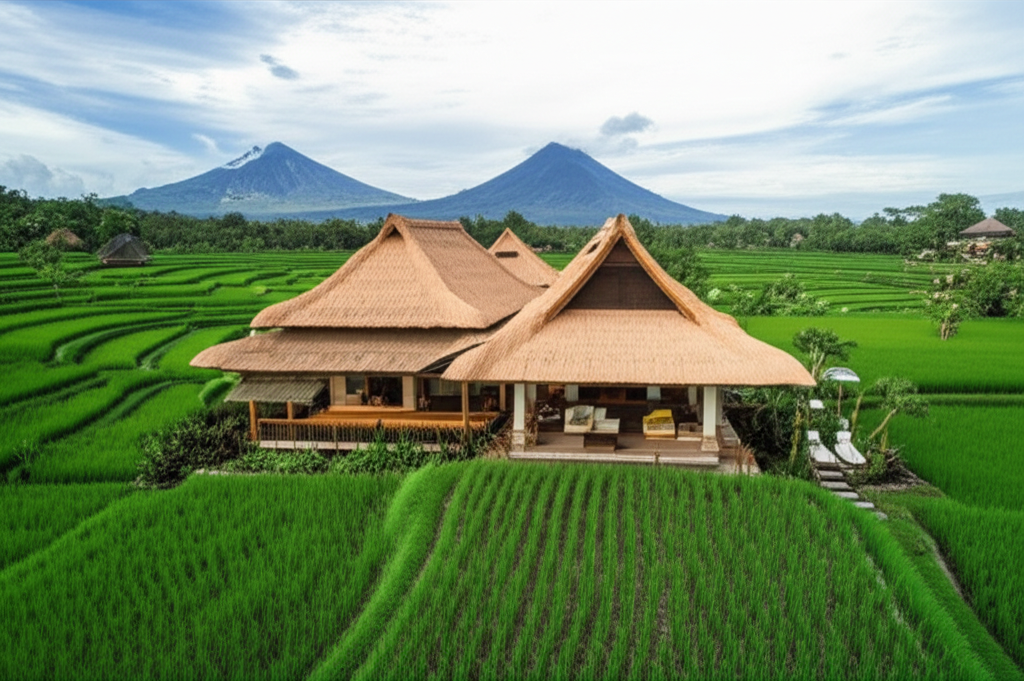
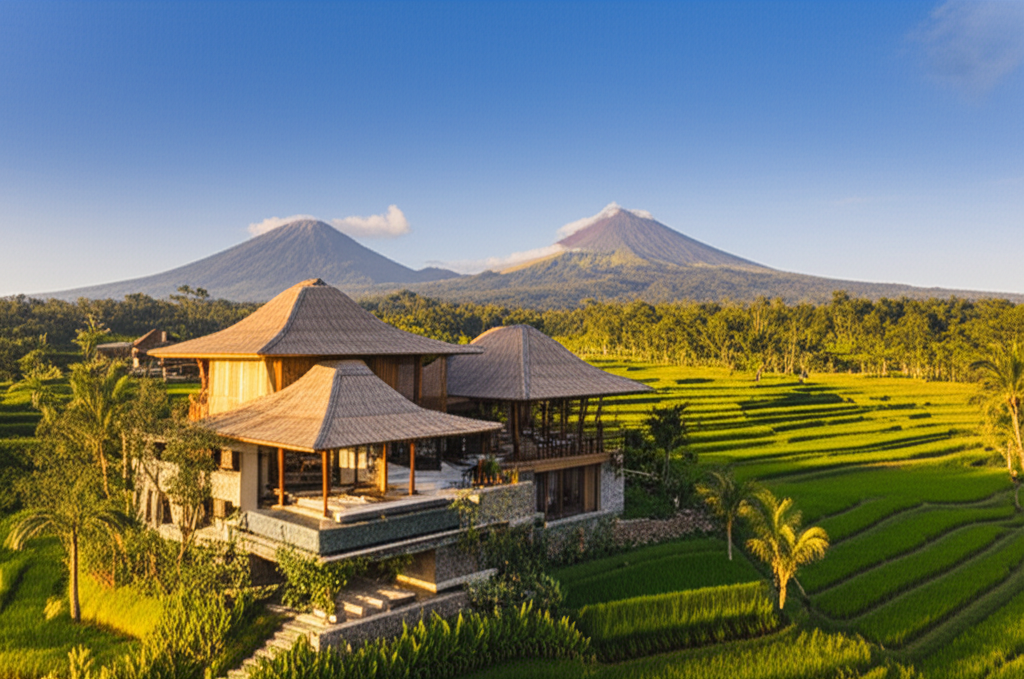
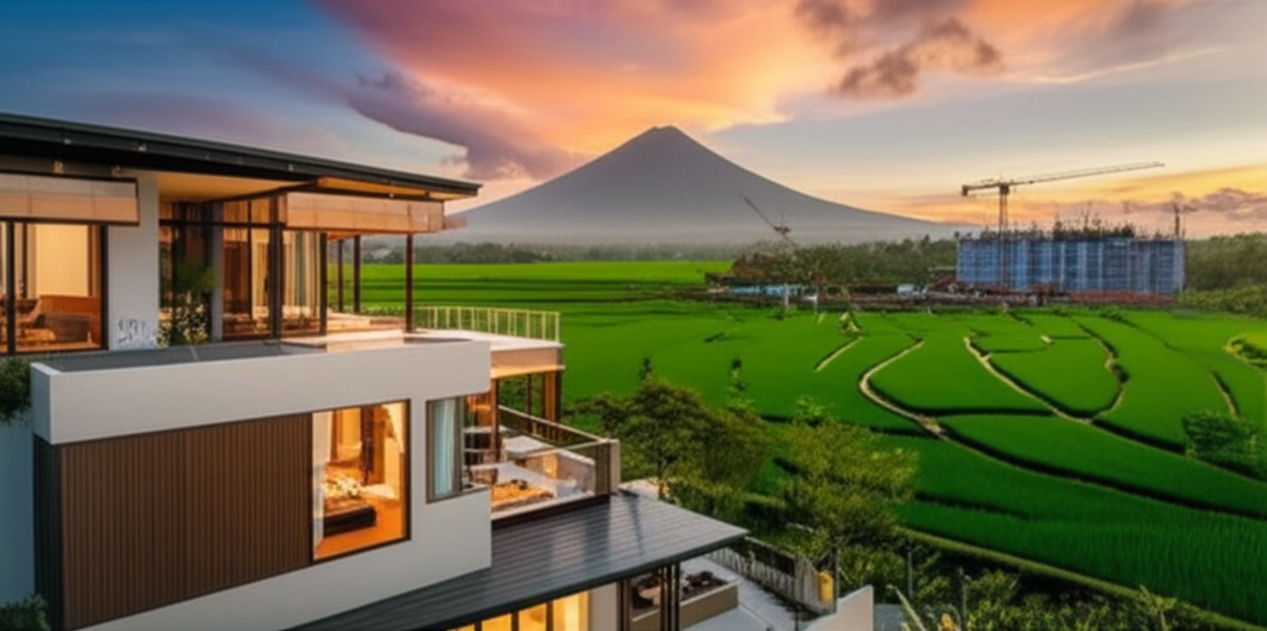
Bali stands as an undeniably magnetic destination for investment and development projects, a status solidified by its multifaceted appeal. At its heart lies a truly unique blend of natural beauty, where emerald rice paddies cascade down hillsides, majestic volcanoes pierce the sky, and pristine beaches meet turquoise waters. This breathtaking landscape is not merely a backdrop but an integral part of the island’s charm, attracting millions globally. Intertwined with this natural splendor is Bali’s profound spiritual and cultural heritage, deeply rooted in Hinduism. Elaborate ceremonies, ornate temples, and a pervasive sense of peace contribute to an atmosphere unlike anywhere else, offering a distinct cultural immersion that enriches the visitor and resident experience.
Beyond its aesthetic and spiritual richness, Bali boasts a thriving tourism industry that continuously fuels demand across various sectors. This robust tourist influx, coupled with a steadily growing expatriate community seeking a long-term haven, creates a dynamic environment for diverse development opportunities. The island’s resilient local economy further underpins this growth, providing a stable foundation for ventures ranging from luxurious villas and intimate boutique hotels to cutting-edge sustainable eco-resorts and innovative commercial spaces. Bali’s consistent global recognition as a premier travel destination underscores its potential for sustained expansion, particularly in high-end tourism and the burgeoning real estate market. International investors are increasingly drawn to Bali’s economic resilience and its strategic position within Southeast Asia, recognizing it as a pivotal hub for quality construction in Bali. Understanding these market dynamics is crucial, and insights can often be found in Bali building insights that detail specific opportunities. For those looking to capitalize on this allure, partnering with high-end builders in Bali is essential to transform these visions into reality, ensuring projects meet the high standards expected in this sought-after paradise. This makes Bali not just a beautiful place, but a strategically sound investment choice for developers worldwide.
Navigating Bali’s Legal Landscape for Construction
Navigating Bali’s Legal Landscape for Construction
Embarking on a construction project in Bali demands a clear understanding of its legal framework, particularly regarding property ownership and building permits. For investors, land ownership types are a critical first consideration. The most comprehensive form, Hak Milik (Freehold), grants full ownership rights but is generally reserved for Indonesian citizens. Foreign investors typically utilize Hak Guna Bangunan (HGB), or Right to Build, allowing construction and ownership of buildings on land for a specified period, usually 25-30 years, with renewal options. While HGB doesn’t convey land ownership, it offers significant development rights. Another common avenue is Hak Sewa (Leasehold), a long-term rental agreement, often for 25-30 years and renewable, where foreigners lease land from an Indonesian owner. Understanding these options is paramount to securing your investment. For a deeper dive into these, explore Bali property investment unveiled: freehold vs leasehold for foreigners.
The permitting process has evolved from the IMB (Izin Mendirikan Bangunan) to the PBG (Persetujuan Bangunan Gedung). PBG represents a more detailed building approval, emphasizing compliance with technical standards and safety regulations from the initial design phase. This shift requires meticulous documentation, including architectural plans, structural calculations, and often environmental assessments, all submitted to the local Dinas Penanaman Modal dan Pelayanan Terpadu Satu Pintu (DPMPTSP). Navigating this new system demands precision, aiming for stricter adherence to construction norms. Detailed guidance can be found at navigating the PBG process for building in Bali.
Crucially, all projects must align with Bali’s Rencana Tata Ruang Wilayah (RTRW), the regional spatial planning and zoning regulations. These dictate permissible land use, building density, and height, significantly impacting project feasibility and design. Specific zones, such as green belts, tourism zones, and residential areas, each carry distinct limitations. Comprehending the RTRW is essential to avoid costly errors and ensure adherence to local development guidelines. Further insights into specific zones are available at unlocking development potential: building on Bali’s designated land zones.
Finally, the importance of thorough due diligence and professional legal counsel cannot be overstated. Verifying land titles, scrutinizing existing permits, and understanding potential encumbrances are vital. Expert legal guidance ensures all agreements are meticulously drafted and your project remains compliant with local laws and customs, mitigating risks and fostering a smooth development journey. For comprehensive project management and legal navigation, consider partnering with general construction contractors in Bali.
From Vision to Blueprint Designing Your Bali Project
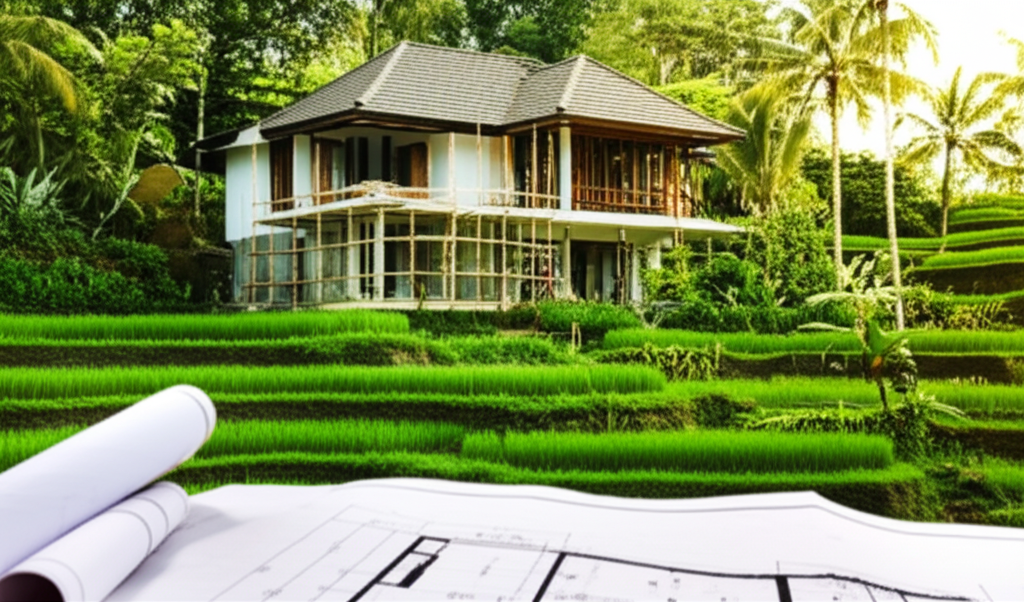
Turning a conceptual vision into a detailed blueprint for your Bali project requires a nuanced understanding of both aesthetic aspirations and the island’s unique environmental and cultural context. This critical design phase transforms dreams into tangible structures, focusing on spaces that are practical, beautiful, and deeply respectful of their surroundings. A cornerstone of this approach is the integration of local Balinese architectural elements and design principles, primarily Tri Hita Karana – the profound philosophy advocating for harmony between humans, nature, and the divine. This principle guides spatial planning, ensuring buildings flow seamlessly with natural topography, maximize breathtaking views, and incorporate sacred orientations, fostering a profound sense of peace.
The material palette plays a pivotal role in achieving this harmony. Prioritizing natural, locally sourced materials such as robust wood (teak, ironwood), earthy stone (paras, river stone), and versatile bamboo not only supports the local economy but also ensures the structure breathes with the tropical climate. These materials offer inherent cooling properties, durability, and a timeless aesthetic that effortlessly blends with Bali’s lush landscapes. Collaborating with local architects and designers, who possess an intimate understanding of Balinese culture, climate, and construction methods, is indispensable. Their expertise is vital in translating your vision into a design that is authentic, compliant with building regulations, and expertly executed. Consider design and build services that specialize in integrating these local insights.
Furthermore, incorporating sustainable design practices from the outset is crucial for building responsibly in paradise. Strategies like passive cooling through strategic orientation and generous overhangs, natural ventilation optimized by cross-airflow and open layouts, efficient rainwater harvesting systems, and solar energy integration are essential. These elements reduce environmental impact and enhance the long-term liveability and cost-effectiveness of your property, aligning with global standards for sustainable building innovative construction in Bali. Every design decision, from pool placement to window orientation, should reflect a commitment to creating a functional sanctuary that respects Bali’s unique environment and rich heritage, solidifying your high-end residential construction on the island. This meticulous planning ensures your blueprint is a testament to thoughtful design and responsible development.
Funding Your Dream Project in Bali
Transforming your design blueprint into a tangible structure in Bali requires a robust financial strategy. While self-financing offers the most straightforward path, many aspiring developers explore other avenues. Engaging with Indonesian banks for construction loans is a common approach, though it necessitates a comprehensive business plan, proof of collateral – often the land itself or other assets – and a solid financial history. Foreign investors typically need to establish a legal entity in Indonesia, such as a PT PMA (Penanaman Modal Asing), to secure local financing. Interest rates and repayment terms will vary based on market conditions and the bank’s assessment of risk, making thorough due diligence critical. Alternatively, international banks might offer financing, though they often require substantial collateral outside Indonesia.
Beyond traditional lending, attracting foreign direct investment (FDI) can accelerate larger projects. This often involves presenting a compelling investment proposal highlighting Bali’s growth potential and your project’s unique value proposition. Alternative models like joint ventures with experienced local partners can significantly mitigate risk and streamline operations, leveraging their knowledge of local regulations, supply chains, and labor markets. Crowdfunding platforms or private equity investments might also be viable for projects with strong social or environmental appeal, or for those seeking specialized capital. For deeper insights into investment, consider investing in Bali villas.
A meticulous cost estimation is paramount. This goes beyond the obvious, encompassing every detail from land acquisition costs and permits (explore building permits in Bali) to high-quality construction materials, labor, and all applicable taxes (navigating construction taxes in Bali). Crucially, a contingency fund for unforeseen expenses, typically 10-15% of the total budget, should always be included. Understanding demystifying construction costs in Bali is key. Foreign investors must also carefully navigate currency exchange rates, potentially utilizing hedging strategies to protect against fluctuations. Adhering to Indonesia’s financial regulations and seeking expert legal and accounting advice is essential to ensure a stable and secure financial foundation for your dream project in Bali. This diligent financial planning provides the bedrock for initiating the physical construction in Bali.
Building Sustainably and Responsibly in Bali
Bali’s unique ecosystem and vibrant culture demand a thoughtful approach to development, making sustainable and responsible building practices not just admirable, but absolutely essential. To truly minimize environmental impact, projects should embrace eco-friendly construction techniques from the outset. This includes prioritizing locally sourced, renewable resources and exploring innovative uses for recycled materials, significantly reducing the carbon footprint associated with transportation and new production. Implementing robust, efficient waste management systems during both the construction and operation phases is critical, moving beyond simple disposal to encompass comprehensive recycling and composting programs.
Water conservation is paramount in an island environment; integrating rainwater harvesting and advanced greywater recycling systems can dramatically reduce reliance on precious groundwater resources. Furthermore, leveraging Bali’s abundant sunshine through the strategic installation of solar panels offers a clear path to energy self-sufficiency and reduced operational costs, contributing to the overall sustainability of the structure.
Beyond environmental considerations, a truly responsible construction in Bali extends its benefits directly to the local community. Fair labor practices and providing tangible local employment opportunities are fundamental, fostering economic growth and skill development within the island’s population. Engaging with a local general contractor can further ensure these benefits permeate the community. It is equally important to respect and integrate cultural sensitivities into every aspect of the project, from design aesthetics that blend seamlessly with the natural landscape, preserving its rich biodiversity, to genuine community engagement initiatives. This mindful integration helps maintain the island’s delicate ecological balance and invaluable cultural integrity. Developers committed to these principles can pursue recognized green building certifications available in Indonesia, such as the Greenship certification, reinforcing their dedication to long-term environmental and social stewardship. This holistic approach ensures your dream project not only thrives but also enhances the “Island of Gods” for generations to come, building a legacy of mindful development.
Project Completion and Beyond Realizing Your Bali Vision
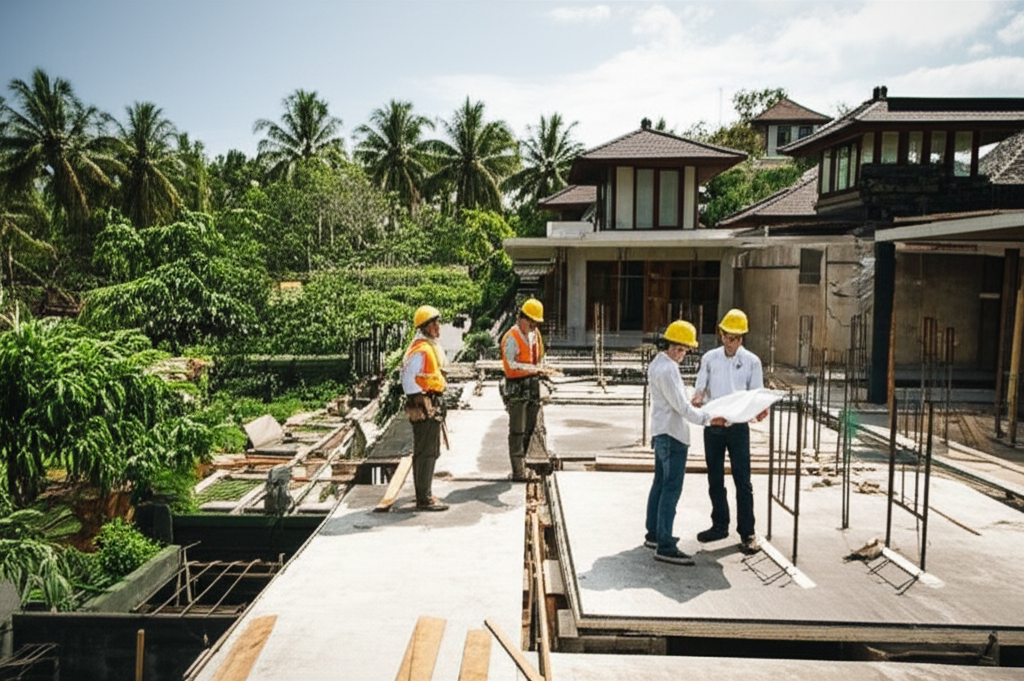
As your vision culminates, the final crucial stages of construction mark the exciting transition from blueprint to reality. This phase is defined by meticulous attention to detail, beginning with comprehensive *final inspections*. Every aspect of the build, from structural integrity to finishing touches, undergoes rigorous scrutiny to ensure it adheres precisely to approved plans, local building codes, and international safety standards. Securing the necessary occupancy permits, such as the *Sertifikat Laik Fungsi (SLF)* in Indonesia, is paramount. This official certification confirms that your property is safe, habitable, and ready for use, validating all the efforts in construction quality control in Bali throughout the project.
The handover process is more than just receiving keys; it’s a detailed transfer of ownership and operational knowledge. This includes providing comprehensive warranties for materials and workmanship, offering peace of mind for your investment. Detailed operational manuals for all installed systems—electrical, plumbing, HVAC, smart home technologies, and more—are provided, empowering new owners or managers with the knowledge to efficiently run the property. Effective property management strategies are then essential for the long-term success of your Bali project. Whether for personal retreat, generating rental income, or operating as a commercial enterprise, consider robust systems for routine maintenance, vigilant security, and ongoing staff training. This continuous care is vital for preserving the property’s value and ensuring its seamless operation, a task simplified with expert residential construction project management in Bali.
Beyond the physical structure, fostering a positive and enduring relationship with the local Balinese community is integral. Your project, no matter how grand, becomes a part of the island’s intricate fabric. This means continued engagement through local employment, respectful participation in community events, and supporting local businesses. Collaborating with a general contractor for residential Bali who understands these nuances can greatly aid in harmonious integration. By embracing these post-completion responsibilities and community engagement, your dream project in Bali truly blossoms, realizing its fullest potential as a valued and harmonious addition to the Island of Gods, echoing the collaborative spirit of local contractors for your Bali project.
Conclusions
Building in Bali is a journey of both immense reward and significant learning. By understanding the local landscape, embracing sustainable practices, and engaging respectfully with the community, your dream project can contribute positively to this extraordinary island. The key lies in meticulous planning, informed decision-making, and a commitment to creating something truly special that resonates with Bali’s unique spirit, ensuring a lasting legacy.