Table of Contents
- Understanding the Balinese Context and Initial Project Scoping
- Navigating Legal and Regulatory Frameworks in Indonesia and Bali
- Strategic Site Selection and Due Diligence
- Harmonizing Design with Balinese Architectural Principles
- Effective Procurement and Resource Management
- Robust Project Management and Quality Control
- Navigating Local Challenges and Ensuring Long-Term Success
- Conclusions
Embarking on a construction project in Bali offers exciting opportunities, but it demands meticulous planning and a deep understanding of the local environment. This article provides a comprehensive guide to essential construction project planning in Bali, covering everything from initial concepts and legal frameworks to design, execution, and navigating the unique cultural and logistical challenges of building on this enchanting Indonesian island. Prepare to lay a solid foundation for your Balinese vision.
Understanding the Balinese Context and Initial Project Scoping
Understanding the Balinese Context and Initial Project Scoping
Embarking on any construction project planning Bali requires a profound appreciation for the island’s distinctive fabric. Bali is not merely a geographic location; it is a vibrant tapestry woven from unique environmental, cultural, and socio-economic threads that profoundly influence the construction landscape. Environmentally, developers must contend with a tropical climate characterized by high humidity and heavy rainfall, demanding specific material choices and robust drainage solutions. The island’s position on the Pacific Ring of Fire also necessitates adherence to stringent seismic safety standards in structural design. Culturally, Bali’s strong Hindu traditions, encapsulated by the philosophy of Tri Hita Karana – harmony between humans, nature, and the divine – deeply impact planning. This often translates into traditional architectural elements, respect for sacred sites, and adherence to auspicious dates for commencing work, which can affect timelines. Socio-economically, Bali’s economy is overwhelmingly tourism-driven, meaning that construction projects often cater to this sector, from luxury villas and resorts to supporting infrastructure. Understanding these inherent factors is the cornerstone of successful construction in Bali.
Crucial to the initial phase is conducting thorough feasibility studies. These studies go beyond mere surface-level assessments, delving into the specifics of site conditions, access to utilities, and potential environmental impacts. For instance, soil composition, water sources, and local infrastructure capacity (roads, electricity, waste management) must be meticulously evaluated to prevent unforeseen challenges and costly revisions later. Concurrently, a robust market analysis tailored to Bali’s tourism-driven economy is indispensable. This involves scrutinizing current tourism trends, identifying saturated market segments versus those with growth potential, analyzing competitor offerings, and understanding the specific demands of prospective clients – whether for boutique hotels, holiday rentals, or long-term residences. For investors considering residential projects, understanding the potential returns on investing in Bali villas is a critical component of this analysis. This insight directly informs the articulation of clear project goals and objectives, defining what success truly looks like for the endeavor.
Beyond technical and financial considerations, the significance of cultural integration and community engagement from the outset cannot be overstated. Bali’s strong community structures, particularly the Banjar system, mean that local acceptance and support are vital. Engaging with local leaders and residents ensures that the project respects customary laws (Adat), provides local employment opportunities, and integrates harmoniously with the existing community fabric. This proactive approach helps mitigate potential disputes and fosters goodwill, contributing to a smoother development process. Collaborating with our Bali contractors who understand these local nuances is invaluable. These initial considerations – a deep understanding of the Balinese context, rigorous feasibility and market analysis, clear goal setting, and genuine community engagement – are not merely preliminary steps; they are fundamental pillars that underpin the long-term success and sustainability of any construction and contractors in Bali project, setting the stage for smooth navigation of the subsequent legal and regulatory frameworks.
Navigating Legal and Regulatory Frameworks in Indonesia and Bali
Navigating Legal and Regulatory Frameworks in Indonesia and Bali
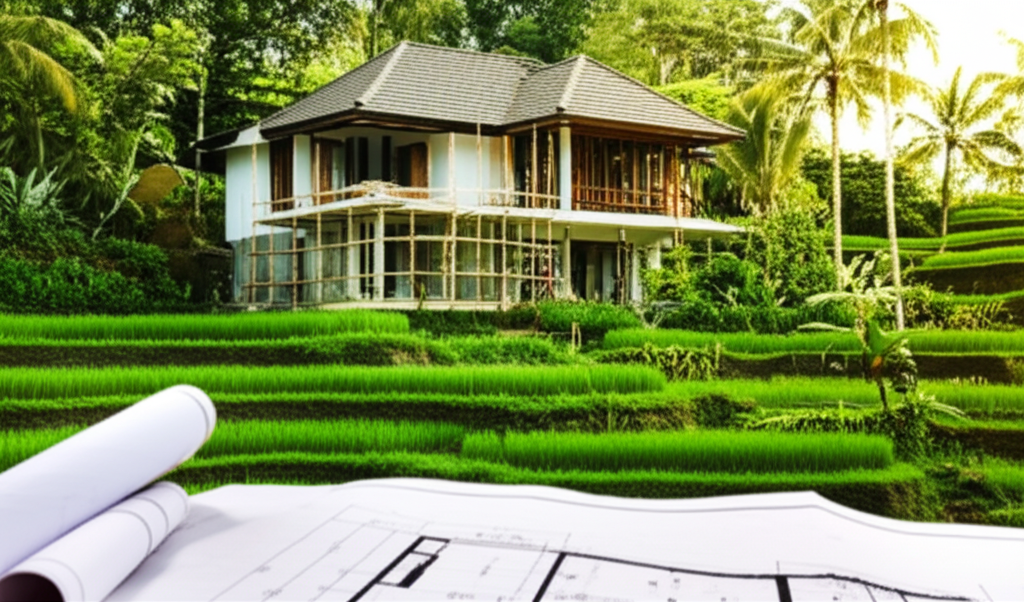
After understanding the unique Balinese context and defining initial project goals, the next critical phase in construction project planning Bali involves meticulously navigating Indonesia’s intricate legal and regulatory landscape. This stage is paramount for laying a secure foundation, ensuring compliance, and mitigating future complications. The process begins with securing the necessary permits and licenses, most notably the Persetujuan Bangunan Gedung (PBG), which replaced the Izin Mendirikan Bangunan (IMB). The PBG is essentially the building approval, outlining the legality of your proposed structure in accordance with spatial planning and building codes. Obtaining this requires a detailed submission of architectural, structural, and utility plans, often involving multiple revisions and approvals from various government bodies, highlighting the need for specialized local expertise. For a comprehensive guide, refer to navigating the PBG process for building in Bali.
Crucially, zoning regulations, encapsulated within the Rencana Tata Ruang Wilayah (RTRW) or regional spatial plan, dictate permissible land use and building types for specific areas. These regulations are complex and vary significantly across different *Kabupaten* (regencies) within Bali, influencing everything from maximum building height to percentage of land that can be built upon. Non-compliance can lead to severe penalties, including demolition. Therefore, a thorough understanding and adherence to these guidelines are indispensable. The role of government agencies, such as the Department of Public Works (PUPR) and the local Investment and One-Stop Integrated Services Agency (DPMPTSP), is central to the approval process, requiring diligent follow-ups and transparent communication.
Land ownership laws in Indonesia present a distinct set of considerations, particularly for foreign investors. While foreigners cannot directly own freehold land (*Hak Milik*), various legal structures like *Hak Guna Bangunan* (Right to Build) or Leasehold agreements are available. Understanding these nuances is vital to secure your investment; often, establishing a PT PMA (foreign-owned company) is the preferred route for significant projects. Explore Freehold vs. Leasehold for foreigners for more details. For larger developments, an Environmental Impact Assessment (AMDAL) is mandatory, analyzing the project’s potential environmental footprint and proposing mitigation strategies. Smaller projects may require a UKL-UPL (Environmental Management Efforts and Environmental Monitoring Efforts). These assessments demonstrate a commitment to sustainable development, a highly valued aspect in Bali.
Finally, strict compliance with Indonesian building codes and safety standards is non-negotiable. These standards cover structural integrity, fire safety, and sanitation, among others, ensuring the long-term durability and safety of the construction. Engaging a reputable local general contractor in Bali and a professional construction project management team with a deep understanding of these specific regulations is paramount. Their expertise will be invaluable in navigating the bureaucratic intricacies and ensuring all legal requirements are met, thus safeguarding your investment and paving the way for a successful project in paradise. For further insights into the regulatory landscape, consult your comprehensive guide to Bali building regulations.
Strategic Site Selection and Due Diligence
Strategic site selection and comprehensive due diligence form the bedrock of successful construction project planning Bali, especially when navigating the unique landscape of this island paradise. After establishing the legal and regulatory framework, the next crucial step involves a meticulous examination of the prospective site itself. Key factors for choosing a location extend beyond mere aesthetics; they encompass practicality, sustainability, and long-term viability. Accessibility is paramount, considering the logistical challenges of transporting materials and personnel. Sites with existing, well-maintained access roads are preferable, reducing costs and delays. The availability and reliability of essential infrastructure, such as electricity, water, and internet, are critical, as developing these from scratch in remote areas can be prohibitively expensive and time-consuming.
Environmental sensitivity is another non-negotiable consideration. Bali’s natural beauty is its greatest asset, and any construction must respect and ideally enhance the local ecosystem. This involves assessing proximity to protected zones, natural waterways, and the iconic subak irrigation systems. Understanding the site’s ecological footprint ensures compliance and aligns with the Balinese ethos of harmony with nature, a principle explored further in subsequent discussions on design. Furthermore, considering proximity to local amenities like markets, health services, and cultural sites can significantly enhance the appeal and functionality of the finished project. Engaging with your local partner or a reputable general contractor early in this phase can provide invaluable insights into these local nuances.
Technical due diligence is equally vital. A thorough land survey establishes precise boundaries and topographical features, preventing future encroachment disputes and informing initial design layouts. Geotechnical investigations delve deeper, analyzing soil composition, bearing capacity, and overall stability. This is absolutely critical for designing strong and enduring foundations, particularly given Bali’s geological characteristics. Checking for potential natural hazards, such as seismic activity (Bali lies within the Pacific Ring of Fire) or erosion risks, especially in coastal or sloped areas, allows for proactive engineering solutions and mitigation strategies. Beyond the physical attributes, legal verification of land titles is indispensable. This ensures undisputed ownership, clarifies any encumbrances, and prevents costly disputes down the line. Finally, a deep understanding of local land use plans, known as _Rencana Tata Ruang Wilayah_ (RTRW), is paramount. The RTRW dictates zoning regulations, permitted building densities, and specific land designations, directly influencing the type and scale of development allowed. This step is crucial for unlocking development potential and ensuring that the proposed project aligns with regional development guidelines. Robust due diligence mitigates unforeseen risks, streamlines the permit process, and ultimately informs sound, strategic decision-making in every aspect of construction project planning Bali.
Harmonizing Design with Balinese Architectural Principles
Harmonizing Design with Balinese Architectural Principles
Beyond the strategic selection of a site, the blueprint for success in Bali’s construction landscape is inextricably linked to harmonizing design with the island’s profound architectural principles. This isn’t merely about aesthetics; it’s a deep dive into creating structures that resonate with the spirit of Bali, ensuring functionality, cultural appropriateness, and environmental consciousness. A truly successful construction project in Bali begins with understanding these foundational philosophies.
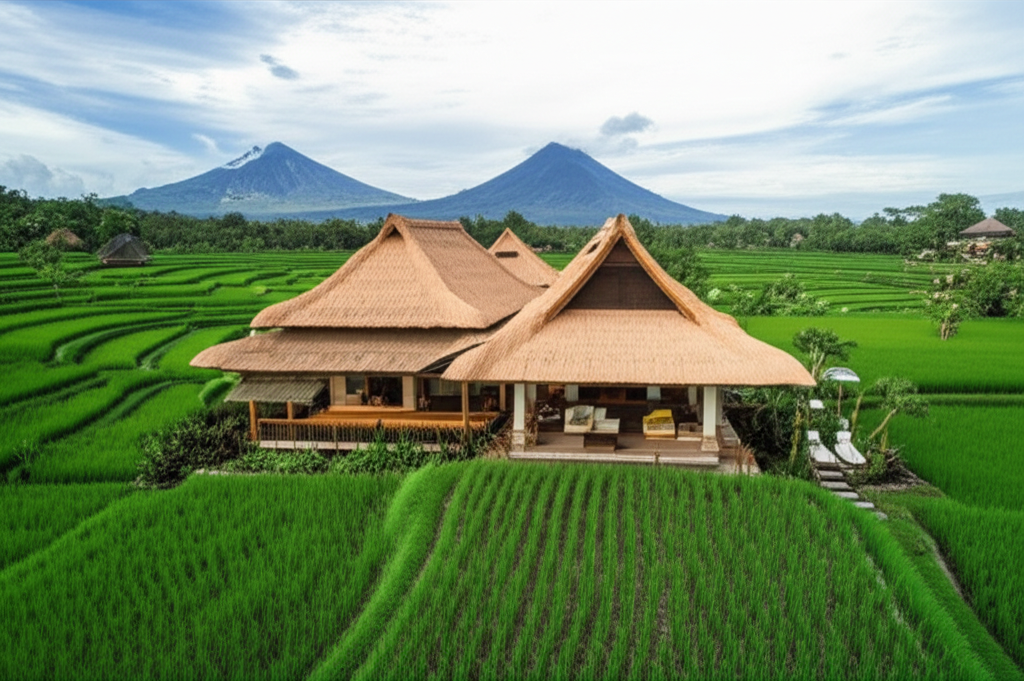
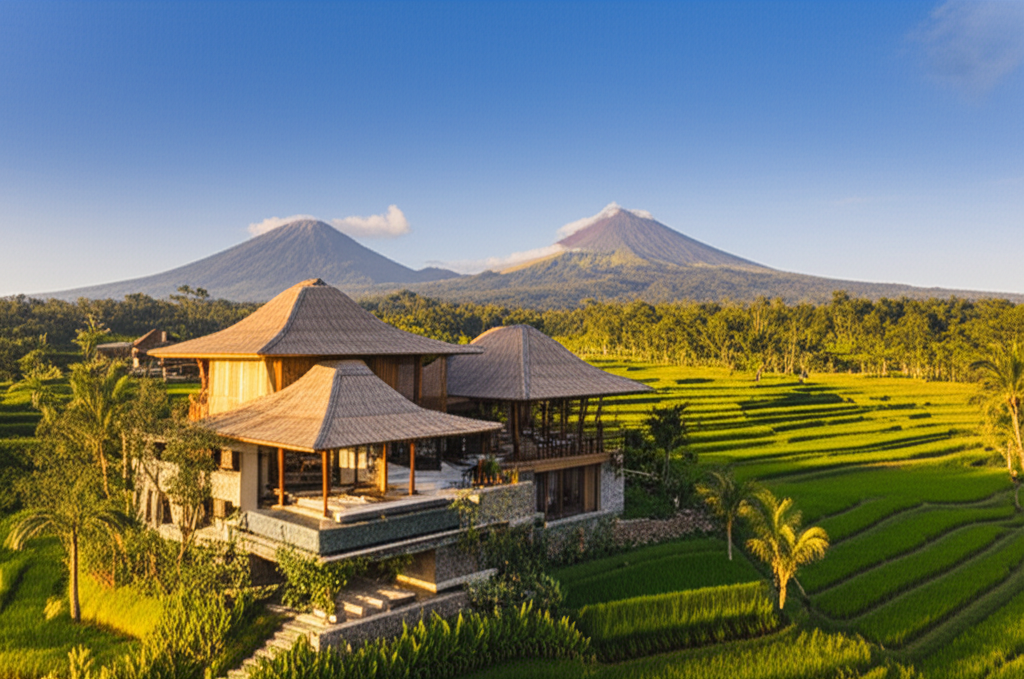
Central to Balinese design is the concept of Tri Hita Karana, the philosophy of harmony between humans, nature, and the divine. This principle guides the entire design process, encouraging architects and builders to create spaces that exist in equilibrium with their surroundings. Practically, this translates into designs that respect natural contours, integrate seamlessly with the existing topography, and minimize environmental disruption. It influences everything from material selection to the orientation of the building, ensuring a respectful coexistence. Complementing this is Tri Mandala, a spatial zoning system that dictates the hierarchical division of a property into sacred, private, and public zones. Understanding these demarcations is crucial for planning the layout of living spaces, gardens, and communal areas, ensuring a flow that respects local customs and spiritual beliefs. Further, Sanga Mandala, or directional orientation, plays a significant role. Buildings are often aligned with sacred mountains (like Mount Agung) or cardinal directions, which not only carries spiritual significance but also optimizes natural ventilation and sunlight, a vital consideration in a tropical climate. For a deeper understanding of integrating these elements into a bespoke design, exploring architectural services for your Bali build is highly recommended.
The incorporation of local and sustainable materials is another cornerstone of authentic Balinese construction. Materials such as lightweight thatch (alang-alang) for roofing, versatile bamboo, durable coconut wood, and local stone like andesite are not only readily available but also possess inherent qualities perfectly suited for the tropical environment. Their use reduces transportation costs and carbon footprint, supports local economies, and provides excellent thermal insulation, contributing to the overall sustainability of the project. Prioritizing these materials is a key aspect of crafting eco-friendly homes and resorts in Bali.
Climate-responsive design strategies are paramount. Given Bali’s hot and humid conditions, intelligent design can significantly reduce reliance on artificial cooling. This includes maximizing cross-ventilation through open-plan layouts, high ceilings, and strategically placed louvered windows. Deep roof overhangs, wide verandas, and natural shading from mature trees or planned landscaping effectively shield interiors from direct sunlight, reducing heat gain. Steeply pitched roofs are essential for efficient rainwater runoff during the monsoon season, while elevated structures protect against moisture and improve airflow beneath the building. These considerations are integral when undertaking villa construction.
Finally, the aesthetic elements and ornamentation applied throughout a project are reflections of Bali’s rich cultural tapestry. Intricate stone carvings depicting Hindu mythological figures, naturalistic motifs, and the strategic placement of water features and lush gardens are not mere decorations. They are imbued with symbolic meaning, contributing to the spiritual harmony of the space. Integrating these traditional arts ensures that the final structure is not only functional and resilient but also a beautiful and respectful addition to the island’s unique architectural legacy. This holistic approach ensures that every structure built tells a story, fitting perfectly within its paradise setting.
Effective Procurement and Resource Management
Successful construction project planning in Bali hinges significantly on meticulously crafted procurement and resource management, transforming design concepts into tangible structures. Bali’s unique island environment demands agile, robust strategies.
Sourcing materials balances local and imported options. Leveraging local resources like stone, bamboo, and ethically sourced timbers contributes to authenticity, sustainability, and often proves cost-effective, reducing transportation footprints. Rigorous quality control is paramount for local materials. For specialized components or finishes not locally available, importing is necessary. This demands early planning for customs, import duties, and extended lead times, significantly impacting timelines and budgets. Establishing strong relationships with trusted local suppliers and experienced importers is crucial for efficient navigation.
Efficient supply chain management is critical given Bali’s island logistics. Geographic isolation, challenging road conditions, and reliance on ferry transport necessitate proactive approaches. A robust system involves detailed inventory tracking, buffer stocks, and reliable logistics partners. Contingency plans are essential to mitigate risks from unforeseen delays due to weather, port congestion, or local holidays. For complex projects, the expertise of a seasoned general contractor in Bali becomes invaluable in orchestrating intricate movements, alongside diligent construction project management in Bali.
Labor management is another cornerstone. Employing local Balinese skilled workers and craftsmen supports the economy and brings invaluable traditional knowledge. Adhering to Indonesian labor laws, ensuring fair wages, and fostering a positive environment are vital. For highly specialized tasks, expatriate expertise may be integrated, requiring careful navigation of visa regulations, work permits, and cultural integration for cohesive teams.
Equipment sourcing and maintenance also demand attention. While basic construction machinery is available, specialized heavy equipment may need importing or renting, adding logistics challenges. A thorough equipment plan should outline rental agreements, maintenance schedules, and backup options to prevent costly downtime. Regular preventative maintenance is key, ensuring longevity and efficient operation in Bali’s tropical climate.
Finally, waste management and sustainable resource utilization are essential for responsible construction in Bali. Proactive planning minimizes waste at the source, through accurate material take-offs and efficient cutting. On-site waste segregation allows for recycling of concrete, metals, and plastics. Reusing excavated earth or timber offcuts contributes to a circular economy. Integrating strategies like rainwater harvesting and energy-efficient practices during construction reinforces a commitment to sustainable design, reducing the project’s environmental footprint. These thoughtful approaches ensure timely delivery and quality while honoring Bali’s natural beauty.
Robust Project Management and Quality Control
Robust project management and stringent quality control are the pillars upon which successful construction in Bali is built, ensuring that projects not only meet expectations but also stand the test of time in a unique environment. The first crucial step involves the implementation of detailed project schedules and timelines. Beyond simple start and end dates, this entails breaking down the entire project into granular tasks, assigning clear responsibilities, and establishing realistic deadlines. Tools like Gantt charts and critical path methodologies become indispensable, allowing project managers to visualize progress, identify interdependencies, and anticipate potential bottlenecks. In Bali’s context, these schedules must incorporate buffers for the rainy season, local holidays, and the often-unpredictable logistics of island life. Regular progress meetings and transparent communication are vital to keep all stakeholders aligned and the project moving forward efficiently. Such meticulous planning is key for professional construction project management in Bali.
Following a well-defined schedule, effective budget management and cost control measures are paramount. While the previous chapter touched upon procurement, this phase focuses on the rigorous tracking and optimization of expenditures. It begins with comprehensive initial cost estimations, factoring in not just materials and labor, but also permits, unforeseen site conditions, and contingency funds. Throughout the construction lifecycle, diligent monitoring of actual spending against the budget is critical. This includes managing change orders meticulously, ensuring all variations are documented, approved, and their financial impact assessed. Regular financial reports provide transparency and allow for timely adjustments, mitigating the risk of cost overruns. Unexpected fluctuations in import tariffs or material availability, common in an island economy, necessitate a proactive approach to cost control, striving for transparent pricing from Bali contractors.
Establishing comprehensive quality assurance and quality control protocols ensures that every aspect of the build adheres to the highest standards. Quality assurance (QA) is a proactive approach, implemented before construction even begins, focusing on preventing defects through detailed specifications, vetting skilled contractors, and implementing standardized processes. Quality control (QC), on the other hand, is reactive, involving regular site inspections, material testing, and verifying adherence to blueprints and local building codes. This includes structural integrity checks, electrical and plumbing inspections, and finishes. Given Bali’s tropical climate and unique architectural styles, specifying appropriate, durable materials and construction methods is essential for longevity, contributing to premier building construction services in Bali.
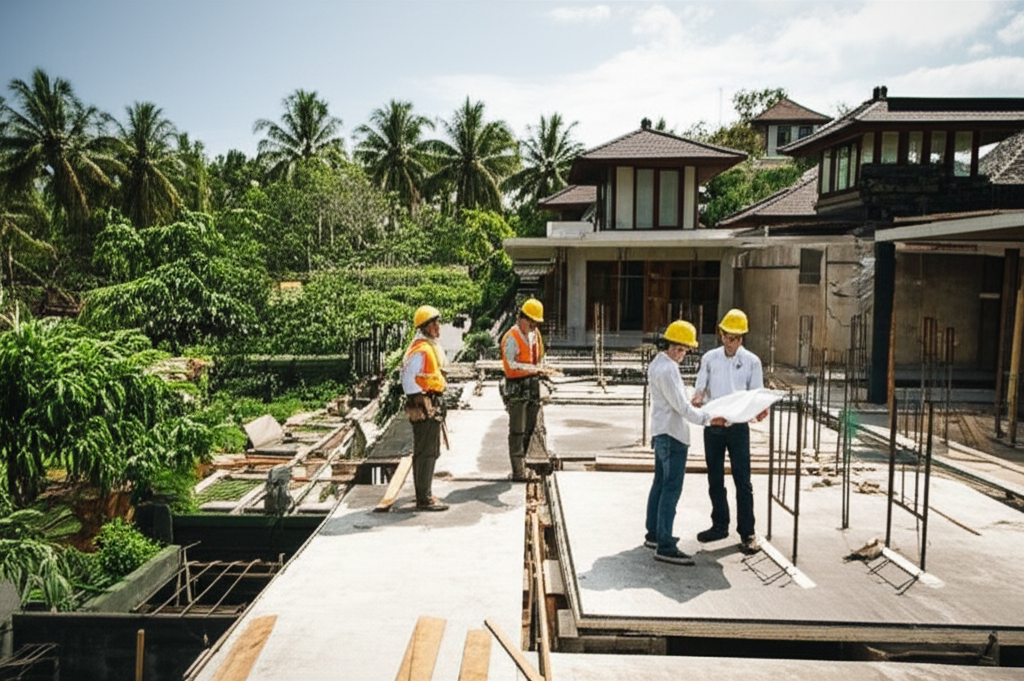
Concurrently, site safety management is non-negotiable, demanding strict adherence to both international best practices and Indonesian safety standards. A comprehensive safety plan must be in place, encompassing risk assessments, emergency procedures, and regular safety training for all personnel, including local workers who may have varying levels of safety awareness. The provision and mandatory use of appropriate Personal Protective Equipment (PPE) are fundamental. Regular safety audits and toolbox talks help foster a safety-conscious culture on site, minimizing accidents and ensuring a healthy working environment. This dedication to safety helps in building strong in Bali.
Finally, risk management strategies are crucial for anticipating and mitigating the common challenges inherent in Bali construction. This involves a systematic process of identifying potential risks—from environmental factors like heavy rains and seismic activity to logistical issues such as supply chain delays, and regulatory changes—assessing their likelihood and potential impact, and developing robust mitigation plans. Contingency planning, including alternative suppliers, flexible scheduling, and comprehensive insurance coverage, provides a safety net. Ongoing monitoring of these risks throughout the project lifecycle allows for prompt responses to unforeseen circumstances, underscoring the indispensable role of a great general contractor in Bali. This holistic approach to management ensures projects are completed efficiently, safely, and to an uncompromised standard of quality.
Navigating Local Challenges and Ensuring Long-Term Success
Beyond the immediate execution of a construction project, ensuring its enduring success in Bali necessitates a keen understanding and proactive navigation of the island’s unique challenges. One of the most critical aspects is navigating cultural nuances and fostering positive relationships with local communities. Bali is deeply rooted in its Hindu traditions and community-centric ‘adat’ customs. Successful general construction in Bali isn’t just about blueprints and materials; it’s about respect, engagement, and integration. This means understanding local ceremonies, community structures, and employing local labor where possible. Transparent communication and a genuine commitment to the community’s well-being can prevent misunderstandings and build invaluable trust, which is a cornerstone for any long-term venture here.
Addressing potential logistical hurdles unique to an island setting is another paramount concern for construction project planning Bali. Importing specialized materials can be slow and expensive due to limited port capacity and island transport. Planning for these challenges requires foresight, establishing reliable supply chains, and considering local material alternatives whenever feasible. The tropical climate also presents its own set of logistical considerations, from heavy rainy seasons impacting work schedules to the need for robust material protection against humidity and pests. This requires adaptable scheduling and a contingency-rich approach.
Furthermore, managing unforeseen environmental or regulatory changes is a constant dynamic. Bali’s natural beauty comes with environmental sensitivities, and regulations, particularly concerning zoning (RTRW) and building permits (PBG, formerly IMB), are subject to evolution. Engaging with knowledgeable local legal and permitting experts is crucial to stay abreast of these shifts. Proactive environmental impact assessments and adherence to sustainable building practices from the outset can mitigate risks and demonstrate a commitment to responsible development, aligning with the spirit of the island. For comprehensive guidance on permits, consider resources like building permits in Bali.
The importance of ongoing maintenance and facility management planning cannot be overstated in Bali’s challenging climate. The high humidity, salt air in coastal areas, and intense sun can rapidly deteriorate structures if not properly maintained. Integrating a robust maintenance plan into the initial project design and budget ensures the longevity and value of the investment. This includes selecting durable, climate-appropriate materials and establishing regular inspection and upkeep schedules for all building components. Neglecting this crucial phase can lead to costly repairs and a diminished asset value.
Finally, contributing positively to the local economy and environment through sustainable practices is not just ethical, but strategically beneficial. Embracing eco-friendly design, sourcing local materials, minimizing waste, and employing energy-efficient solutions enhance the project’s reputation and appeal. Sustainable structures in Bali demonstrate respect for the island’s finite resources and support its vibrant community, fostering a legacy of responsible development that resonates with both residents and conscious visitors.
Conclusions
Effective construction project planning in Bali is a multifaceted endeavor, requiring a blend of strategic foresight, cultural sensitivity, and adherence to local guidelines. By diligently addressing each phase – from legal compliance and site selection to architectural design and sustainable practices – developers can transform their visions into successful realities. Remember, a well-planned project not only achieves its objectives but also contributes positively to the unique charm and environment of Bali, ensuring lasting value and harmony.