Table of Contents
- The Economic Pulse of Bali Driving Commercial Development
- Diverse Commercial Construction Projects Shaping Bali’s Horizon
- Navigating the Regulatory Landscape for Commercial Construction in Bali
- Embracing Balinese Architecture and Cultural Integration in Design
- Sustainable and Resilient Building Practices for Bali’s Future
- Key Considerations for Successful Project Execution in Bali
- The Future Outlook of Commercial Construction in Bali
- Conclusions
The vibrant economy of Bali, largely driven by its booming tourism sector, presents a fertile ground for commercial construction. From luxurious resorts to innovative co-working spaces, the demand for sophisticated infrastructure is soaring. This article delves into the intricacies of commercial construction in Bali, exploring the unique blend of economic opportunity, cultural heritage, and sustainable practices that shape its development. Discover how businesses are powering growth through strategic construction endeavors on this enchanting island.
The Economic Pulse of Bali Driving Commercial Development
The Economic Pulse of Bali Driving Commercial Development
Bali’s economy thrives almost entirely on its robust tourism industry, which remarkably accounts for 80% of its GDP. This profound reliance on tourism directly translates into a relentless demand for commercial construction. As a consistent top global tourist destination, Bali welcomes millions annually, from luxury seekers to digital nomads, necessitating continuous expansion and modernization of its commercial infrastructure. This constant influx fuels a vibrant market for commercial building construction.
Beyond direct tourism, Bali’s economic pulse is invigorated by diverse investment opportunities. The need for sophisticated retail spaces, an array of dining options, and comprehensive support services attracts both international and domestic investors eager to capitalize on the island’s enduring appeal. This creates a fertile ground for a wide range of new construction projects.
Geographically, Denpasar, the bustling capital, serves as the administrative and primary economic engine. This fuels demand for modern office buildings, urban infrastructure, and commercial centers serving a growing expatriate community and local businesses. In contrast, Ubud, celebrated as Bali’s cultural heart, attracts a distinct type of tourism, fostering specialized commercial developments such as upscale wellness retreats, art galleries, and unique culinary venues. These distinct regional needs shape the specific requirements for commercial architecture in Bali.
The environment for construction commercial Bali projects is particularly compelling, supported by governmental efforts to enhance infrastructure and streamline investment processes. This proactive approach makes the island even more appealing for developers. The demand isn’t solely for new builds, but also for commercial building renovation, as existing establishments strive to modernize and maintain their competitive edge.
The active players in this dynamic landscape are varied, including major international hotel groups, niche boutique villa developers, food and beverage enterprises establishing trendy restaurants, and tech companies setting up innovative co-working spaces. High-net-worth individuals and investment funds are also significant contributors, recognizing Bali’s substantial long-term growth potential. This vibrant ecosystem underscores why Bali is a prime location for unlocking new opportunities in commercial construction, demanding expert commercial construction in Bali services.
Diverse Commercial Construction Projects Shaping Bali’s Horizon
Diverse Commercial Construction Projects Shaping Bali’s Horizon
Bali’s flourishing economy, significantly propelled by its tourism sector, has catalyzed a vibrant and multifaceted landscape of commercial construction projects. This growth extends far beyond simple hotel builds, encompassing a sophisticated array of developments designed to meet the evolving demands of both international visitors and the island’s burgeoning resident population. The current wave of commercial construction in Bali reflects a strategic response to market needs, offering unique opportunities for discerning investors and developers.
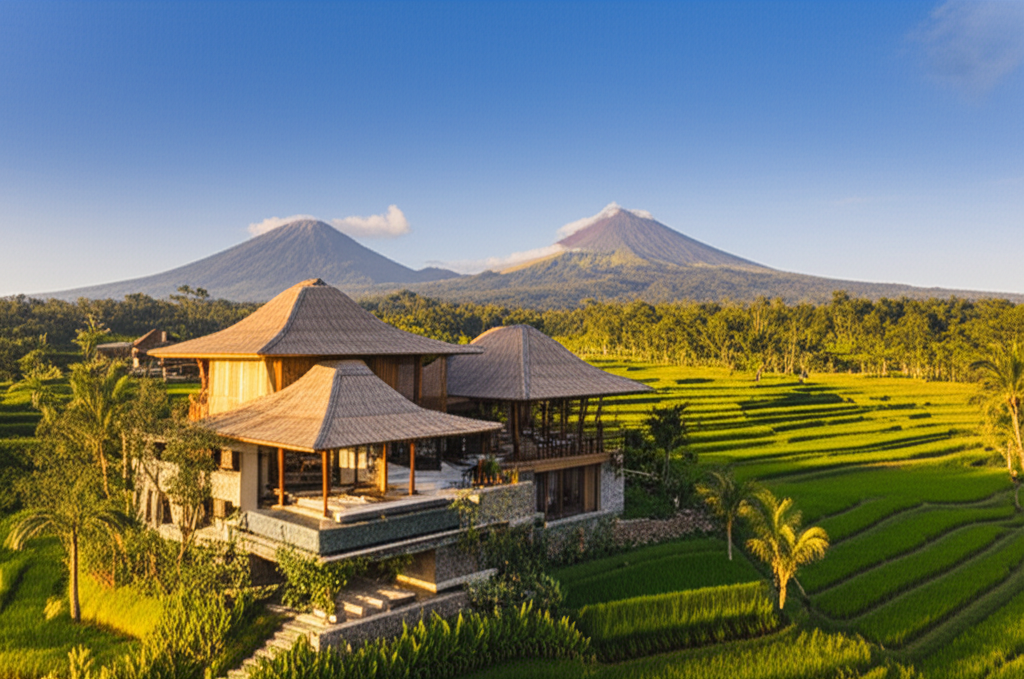
At the pinnacle of this development are luxury hotels and resorts, a cornerstone of Bali’s appeal. Market needs dictate unparalleled experiences, from five-star service to breathtaking views and exclusive amenities. Design considerations often blend traditional Balinese architecture with contemporary luxury, emphasizing expansive open spaces, private pools, and seamless integration with the island’s natural beauty. Sustainability and eco-friendly practices are increasingly paramount, aligning with a global trend towards responsible tourism. These projects present opportunities for high returns on investment, attracting affluent travelers seeking bespoke experiences and establishing strong international brand presence.
Complementing the grand resorts are boutique accommodations and villas, catering to a niche market desiring intimacy, privacy, and authentic cultural immersion. The market here thrives on personalized service and unique aesthetics, appealing to couples, small groups, and those seeking a quieter escape. Design focuses on bespoke interiors, often utilizing local materials, craftsmanship, and innovative layouts that maximize natural light and airflow. Opportunities abound for developers to create distinct, high-yield properties that resonate with specific traveler segments, offering a compelling alternative to larger hotel chains. For visionary designs and execution, working with integrated interior design contractors in Bali is crucial.
The island’s growing population and tourist influx also drive the demand for sophisticated retail spaces and shopping centers. Beyond traditional markets, modern retail developments are emerging, offering international brands, diverse dining options, and entertainment. Design prioritizes visitor flow, climate control, and creating a cohesive shopping experience that often incorporates open-air concepts and lush landscaping. These centers serve both tourists and a growing expat community, providing stable long-term revenue streams for investors and a platform for both local and international businesses.
Bali’s renowned culinary scene fuels continuous investment in restaurants, cafes, and entertainment venues. The market demands diverse gastronomic experiences, from fine dining to casual cafes and vibrant nightlife spots. Design considerations are crucial for creating a compelling ambiance, often focusing on unique themes, indoor-outdoor dining areas, and sophisticated sound and lighting systems. Strategic locations with high foot traffic offer significant opportunities for rapid customer acquisition and brand recognition within the island’s dynamic social landscape.
Reflecting the global shift towards remote work, modern co-working spaces and business centers are in high demand, particularly catering to digital nomads and entrepreneurs flocking to Bali. Market needs include reliable high-speed internet, ergonomic workspaces, meeting rooms, and a strong sense of community. Design emphasizes flexible layouts, contemporary aesthetics, and amenities that support productivity and networking. These ventures tap into a growing demographic seeking long-term stays, offering a stable rental income model and fostering innovation. For any ambitious project, partnering with a reliable general contractor in Bali is essential to bring such visions to life.
Crucially, the expansion of these commercial sectors necessitates robust infrastructure supporting tourism and local businesses. This includes upgrades to road networks, improvements in utilities (water, electricity), waste management facilities, and advancements in digital connectivity. While less glamorous, these projects are foundational for sustainable growth and present significant opportunities for large-scale investment, often involving public-private partnerships. The focus here is on long-term resilience and the capacity to handle increased demand, ensuring Bali’s continued development is not hindered by inadequate foundational systems. Prioritizing innovative and sustainable construction methods in infrastructure is vital for the island’s future. Effective construction management in Bali ensures these complex projects are completed efficiently and to high standards.
Navigating the Regulatory Landscape for Commercial Construction in Bali
The flourishing commercial sector in Bali, encompassing luxury resorts and retail spaces, operates within a well-defined legal framework. Understanding this landscape is essential for any investor undertaking commercial construction in Bali.
The primary step involves securing vital permits. Foremost is the Persetujuan Bangunan Gedung (PBG), or Building Approval, which superseded the Izin Mendirikan Bangunan (IMB). This crucial permit confirms a building’s design adheres to safety, health, environmental, and accessibility standards. Beyond the PBG, projects demand specific business permits like the Nomor Induk Berusaha (NIB), and operational licenses, all processed by local government entities such as the Dinas Penanaman Modal dan Pelayanan Terpadu Satu Pintu (DPMPTSP). Effectively navigating the PBG process for building in Bali is critical.
Land ownership regulations are paramount, especially for foreign investors. While freehold ownership (Hak Milik) is restricted to Indonesian citizens, foreigners typically use Hak Guna Bangunan (HGB), or Right to Build. This grants authority to construct and possess buildings on designated land for a period, usually 30 years, with extension possibilities. Alternatively, long-term lease agreements (Hak Sewa) enable foreigners to lease land for commercial ventures. Engaging expert legal counsel is indispensable to structure these arrangements, ensuring full compliance with Indonesian law. Diligent due diligence on land titles forms the bedrock of any successful construction in Bali endeavor.
Environmental impact assessments and strict adherence to local planning laws are integral for responsible commercial development. Projects with significant environmental effects require an Analisis Mengenai Dampak Lingkungan (AMDAL), a comprehensive impact analysis. Smaller projects typically need an Upaya Pengelolaan Lingkungan Hidup dan Upaya Pemantauan Lingkungan Hidup (UKL-UPL), an environmental management effort. These assessments ensure developments are ecologically sound, aligning with Bali’s commitment to sustainable structures Bali. Furthermore, the Rencana Tata Ruang Wilayah (RTRW), or Regional Spatial Plan, strictly designates land use zones. Adherence to these zoning regulations is crucial, requiring early and thorough assessment as part of diligent permits in Bali acquisition.
Engagement with local government and community stakeholders is pivotal for project approval. Local regency and municipal governments are key authorities for issuing permits and enforcing building codes. Proactive communication with these entities streamlines the permitting timeline. Equally vital, and culturally sensitive, are community consultations. Involving local communities, often through traditional Banjar councils, fosters good relationships. This inclusive approach respects local customs, helps integrate projects harmoniously into Bali’s social and cultural fabric, and mitigates disputes. Emphasizing comprehensive due diligence—covering legal, environmental, and social aspects—is the cornerstone for successful project execution and unwavering compliance for any commercial building in Bali.
Embracing Balinese Architecture and Cultural Integration in Design
The profound influence of Balinese architecture forms the very soul of commercial construction in Bali, transforming mere structures into cultural statements that resonate with the island’s unique identity. This goes beyond superficial aesthetics, delving into deep philosophical principles that guide every aspect of design and construction. At its core is Tri Hita Karana, the profound philosophy of harmony among humans, nature, and the divine. In commercial projects, this translates into designs that prioritize open spaces, natural light, and ventilation, seamlessly blending indoor and outdoor environments. It encourages the integration of lush tropical gardens, water features, and an overall sense of peace and balance, ensuring that commercial ventures not only thrive economically but also contribute positively to the well-being of their occupants and the surrounding ecosystem. This holistic approach ensures that a bustling resort or a modern office complex still feels inherently Balinese, fostering a sense of connection to the island’s spiritual heritage.
Further shaping the spatial organization are the principles of Tri Mandala and Sanga Mandala. Tri Mandala dictates a spatial zoning system, dividing areas into Nista (outer, less sacred), Madya (middle, semi-sacred), and Utama (inner, most sacred) zones. In commercial applications, this might mean carefully planning public access areas (Nista), transitional zones like lobbies or dining areas (Madya), and private or specialized functional spaces (Utama). This structured yet fluid approach ensures intuitive navigation and a sense of progression within the building. Similarly, Sanga Mandala, the nine directional divisions, guides the placement of various building elements and functions, often aligning with cardinal directions and symbolic meanings, to enhance positive energy flow and overall auspiciousness. These traditional frameworks, when applied by a skilled design contractor in Bali, ensure that modern commercial structures remain deeply rooted in local traditions.
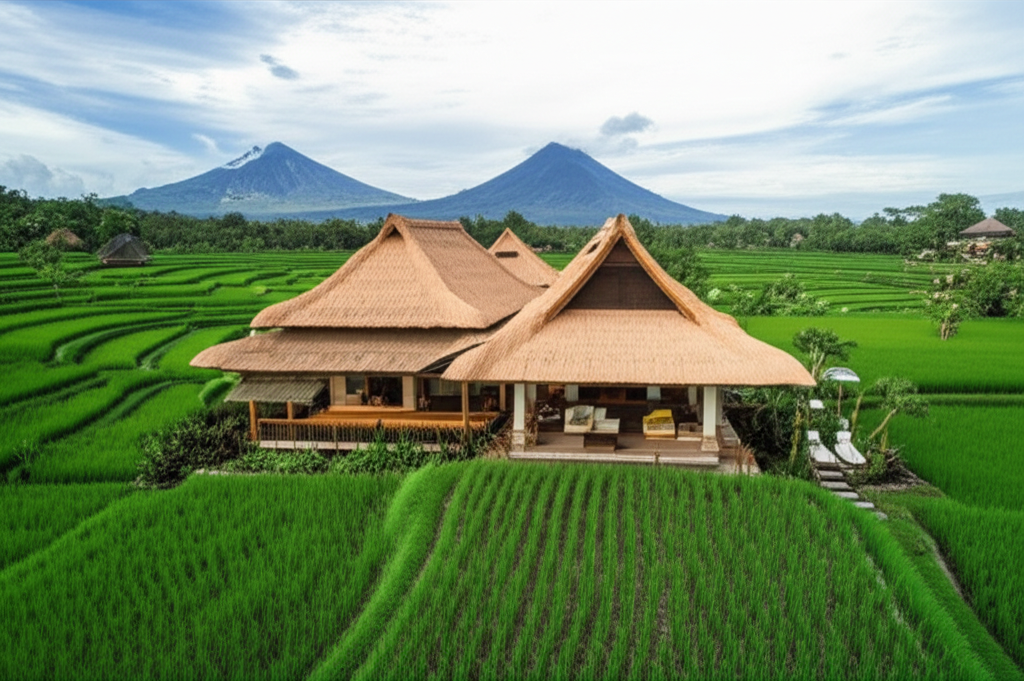
The materiality of Balinese commercial buildings is equally crucial to their cultural integration. The predominant use of natural, locally sourced materials such as traditional thatch, resilient bamboo, robust coconut wood, elegant teak, and various types of brick and natural stone is not merely an aesthetic choice but a sustainable practice. These materials contribute significantly to the building’s environmental performance and aesthetic appeal, lending an authentic charm that manufactured materials cannot replicate. Intricate ornamentation, often carved into wood or stone, depicting mythological figures, floral motifs, or geometric patterns, adorns these structures, showcasing the island’s rich artistic heritage and the exceptional craftsmanship of local artisans. This attention to detail transforms functional elements into exquisite works of art, distinguishing high-end construction in Bali. The emphasis on culturally sensitive designs that skillfully blend modern functionality with authentic Balinese aesthetics enhances the island’s unique appeal, making commercial properties not just profitable investments but also cultural landmarks. This careful integration creates spaces that resonate with visitors and locals alike, reinforcing Bali’s identity as a destination where development and tradition coexist in beautiful harmony, driving commercial construction driving sustainable growth through thoughtful design and execution by expert general builders in Bali. This approach directly links to the broader discourse on sustainable structures Bali, creating commercial spaces that are both beautiful and responsible.
Sustainable and Resilient Building Practices for Bali’s Future
As Bali continues its ascent as a global business and tourism hub, the imperative for sustainable and resilient practices within commercial construction in Bali has intensified. Developers are increasingly recognizing that building for the future means harmonizing economic growth with environmental stewardship, especially in a delicate tropical island ecosystem. This commitment extends beyond mere compliance, embedding deep into the design and execution phases of commercial projects to ensure long-term viability and ecological balance.
A cornerstone of this approach is the judicious use of locally sourced, eco-friendly materials. Moving beyond traditional aesthetic appeal, the focus is now on materials with low embodied energy, renewability, and minimal environmental footprint. This includes certified sustainable timber, such as teak or coconut wood from responsibly managed plantations, along with bamboo, which offers rapid regeneration and impressive structural integrity. Local volcanic stone and recycled aggregates are also being incorporated, reducing transportation emissions and supporting local economies. The innovation extends to engineered bamboo products and composite materials that offer enhanced durability and performance, crucial for Bali’s climate.
Energy-efficient building designs are no longer a luxury but a standard in modern commercial construction in Bali. Architects and engineers are leveraging passive design strategies, optimizing building orientation and natural ventilation to minimize reliance on air conditioning. Expansive overhangs, strategically placed windows, and high thermal mass materials help regulate indoor temperatures naturally. Furthermore, the integration of renewable energy sources, particularly solar photovoltaic (PV) systems, is becoming prevalent. Commercial buildings are designed to accommodate solar panels, often seamlessly integrated into rooflines, significantly reducing operational costs and carbon emissions. This aligns with global green building standards and positions properties as forward-thinking and responsible.
Water conservation and sophisticated waste management systems are equally vital. Given the island’s precious water resources, rainwater harvesting systems are being implemented for landscape irrigation and toilet flushing, reducing strain on potable water supplies. Greywater recycling systems further treat wastewater from sinks and showers for non-potable uses. On the waste front, commercial developments are adopting comprehensive strategies that include on-site organic waste composting, robust recycling programs for plastics, glass, and metals, and partnerships with local waste management initiatives to ensure responsible disposal and upcycling. These measures not only minimize environmental impact but also foster a culture of sustainability among occupants and visitors.
Ultimately, these sustainable practices contribute significantly to minimizing environmental impact and adapting to the challenges posed by climate change, such as rising sea levels and more extreme weather events. Resilient designs incorporate features like elevated foundations, robust storm-resistant construction, and native landscaping that helps prevent erosion and supports local biodiversity. By embracing these innovative approaches, developers are not only constructing physically sound structures but also building properties that resonate with a growing global demand for ethical and environmentally conscious businesses. This foresight ensures the long-term appeal and profitability of commercial properties in Bali, securing their place in a sustainable future. This complex undertaking requires astute project management and a deep understanding of local nuances, setting the stage for successful project execution discussed in the subsequent chapter.
Key Considerations for Successful Project Execution in Bali
Key Considerations for Successful Project Execution in Bali
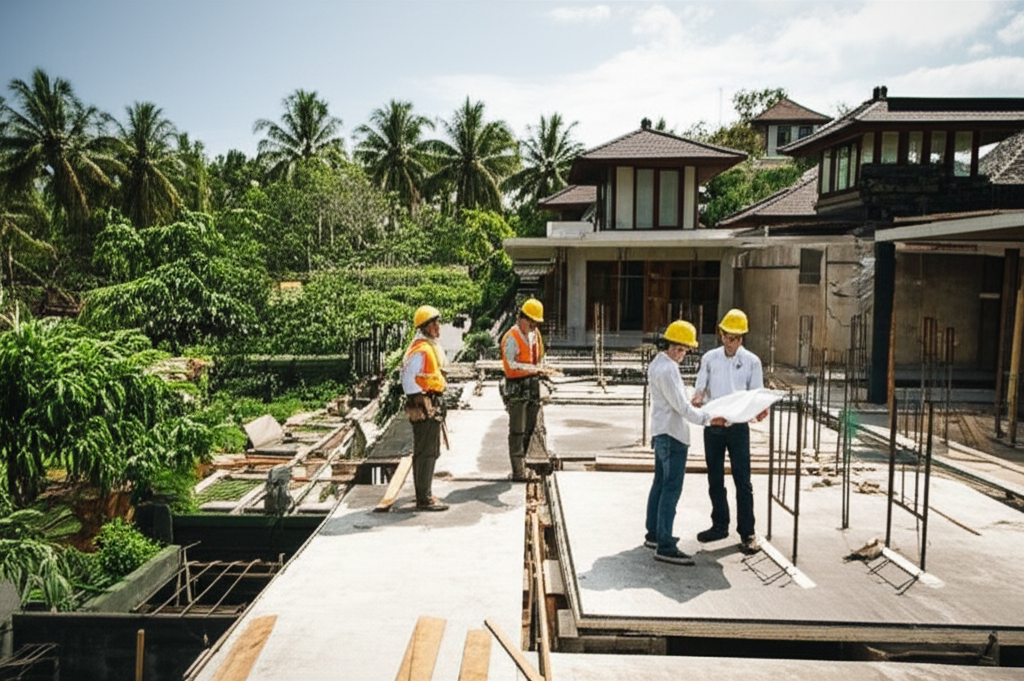
Successful project execution in *construction commercial Bali* demands a nuanced approach that meticulously integrates global best practices with profound local insights. Effective project management strategies are paramount, necessitating a framework that is both rigorous and adaptable to the unique Balinese context. This includes detailed upfront planning for logistics, permits, and resource allocation, recognizing potential delays due to local holidays or bureaucratic processes. Proactive risk management, particularly in navigating regulatory complexities and unforeseen site conditions, is crucial. Regular, transparent communication with all stakeholders, from local authorities to the workforce, ensures alignment and mitigates misunderstandings, fostering a collaborative environment essential for any significant building construction in Bali. Strong on-site supervision by experienced project managers who understand local customs and construction methodologies can bridge cultural gaps and ensure smooth operations. For more on optimizing projects, consider the importance of construction management in Bali.
Hiring and managing local skilled labor is another cornerstone of successful projects. Bali possesses a rich pool of skilled artisans and laborers, but successful integration requires understanding local labor laws, fostering fair employment practices, and investing in workforce development. Training initiatives that upskill local workers in modern construction techniques and safety standards not only enhance project quality but also contribute to the local economy, building goodwill and a reliable labor force. Building strong, respectful relationships with local communities can also facilitate labor sourcing and reduce potential conflicts.
Navigating the supply chain for materials and equipment in Bali presents a dual challenge. While locally sourced materials like sand, stone, and certain timbers are readily available and often more cost-effective, specialized equipment and finishes frequently require importation. This necessitates a thorough understanding of customs procedures, import duties, and lead times to avoid costly project delays. Establishing robust relationships with reliable local suppliers and forward-thinking logistics partners is essential for ensuring timely delivery and managing inventory effectively for any major commercial building construction.
Implementing rigorous quality control and safety standards is non-negotiable for projects aiming for longevity and international appeal. This involves setting clear quality benchmarks from the design phase, conducting regular inspections, and employing qualified personnel for oversight. For detailed guidance on ensuring high standards, exploring resources on construction quality control in Bali is highly recommended. Equally vital is the unwavering commitment to site safety, which includes providing comprehensive safety training, mandatory use of personal protective equipment, and implementing emergency response protocols. Adherence to both Indonesian national safety regulations and international best practices ensures a safe working environment and protects all parties involved. Finally, the role of local partnerships and expert consultants cannot be overstated. Collaborating with seasoned local general contractors in Bali, legal advisors, and environmental consultants provides invaluable insights into local regulations, cultural sensitivities, and practical solutions to unforeseen challenges. These partnerships are instrumental in streamlining operations, securing necessary permits, and ensuring that projects are executed efficiently and ethically, paving the way for sustained success in Bali’s dynamic commercial landscape. Engaging with a reputable contractor in Bali with extensive local experience can significantly de-risk your investment.
The Future Outlook of Commercial Construction in Bali
The future outlook for commercial construction in Bali is poised for significant evolution, moving beyond its traditional reliance on mass tourism to embrace a more diversified economic landscape. Emerging sectors represent exciting new investment hotspots. The rise of the digital nomad phenomenon and the increasing prevalence of remote work are driving demand for sophisticated digital economy infrastructure. This includes not only advanced co-working spaces and tech hubs but also the potential for specialized data centers and smart office complexes that cater to international businesses. Furthermore, Bali’s commitment to sustainability is fostering growth in niche eco-tourism developments. These projects often involve the construction of eco-resorts, wellness retreats, and sustainable accommodation that integrate seamlessly with the natural environment, utilizing green building techniques and local materials. The focus here is on creating high-value, low-impact tourism experiences, which requires specialized new build construction in Bali that prioritizes environmental responsibility and aesthetic harmony.
In the coming years, several challenges and opportunities will shape the trajectory of commercial construction. Global economic shifts, such as fluctuating demand and investment capital, will necessitate adaptive strategies from developers and general contractors for commercial projects in Bali. However, significant opportunities arise from ongoing infrastructure improvements initiated by the Indonesian government, including enhanced road networks, potential airport expansions, and improved digital connectivity, which collectively reduce logistical hurdles and increase accessibility. Policy changes, particularly those aimed at streamlining investment processes and promoting sustainable development, will further incentivize growth. Overcoming challenges like land acquisition complexities and ensuring a skilled workforce, which was touched upon in the previous chapter regarding effective project execution, will remain critical. Opportunities lie in leveraging Bali’s unique appeal to attract specialized foreign direct investment in non-traditional sectors.
Innovation and technology are set to play a transformative role in shaping future construction methods and designs across the island. The adoption of Building Information Modeling (BIM) will become more widespread, enhancing design accuracy, project coordination, and cost management from conception to completion. Sustainable building practices will evolve, with a greater emphasis on locally sourced, environmentally friendly materials and energy-efficient designs. We can anticipate increased integration of smart building technologies, including IoT-enabled systems for energy management, security, and operational efficiency, catering to modern commercial demands. Modular and prefabricated construction techniques, which offer speed, cost-effectiveness, and reduced on-site waste, are also likely to gain traction for certain project types. For complex endeavors, the involvement of expert engineering contractors in Bali will be crucial to implementing these advanced solutions.
Looking long-term, Bali’s growth prospects are robust, reinforcing its position as a strategic hub for both business and leisure in Southeast Asia. The island’s inherent attractiveness, coupled with strategic investments in diverse economic sectors, ensures a steady demand for commercial infrastructure. This includes not just hospitality, but also specialized retail, medical facilities, educational institutions, and even light industrial spaces supporting the creative and digital economies. Bali’s established reputation as a world-class tourist destination provides a strong foundation, which is now being built upon to attract a more diverse demographic of long-term residents, entrepreneurs, and remote workers. The continued evolution of commercial construction in Bali will be central to realizing this vision, ensuring the island’s infrastructure can meet dynamic market demands and solidify its standing as a premier global destination. This forward-looking perspective highlights a dynamic industry ready to embrace change and drive sustained economic development.
Conclusions
Commercial construction in Bali is more than just erecting structures; it’s about thoughtfully integrating modern business needs with the island’s rich culture and natural beauty. The journey from conception to completion demands a deep understanding of local regulations, sustainable practices, and Balinese architectural philosophies. By embracing these elements, developers can contribute to Bali’s continued prosperity, creating spaces that are not only economically viable but also culturally resonant and environmentally responsible. The future of powering business in Bali lies in this harmonious approach to development.