Table of Contents
- The Island’s Embrace Why Choose Bali for Your Renovation
- Navigating the Balinese Renovation Journey Key Considerations
- Harmonious Design and Materials for Your Bali Home
- Realizing Your Vision From Planning to Perfection
- Conclusions
Embark on an inspiring journey to refresh and renew your living space in the enchanting embrace of Bali. This guide delves into the unique allure of a renovation project Bali, offering insights into how you can transform a property into a sanctuary that harmonizes with the island’s spiritual essence and vibrant culture, creating a truly revitalized home.
The Island’s Embrace Why Choose Bali for Your Renovation
The Island’s Embrace Why Choose Bali for Your Renovation
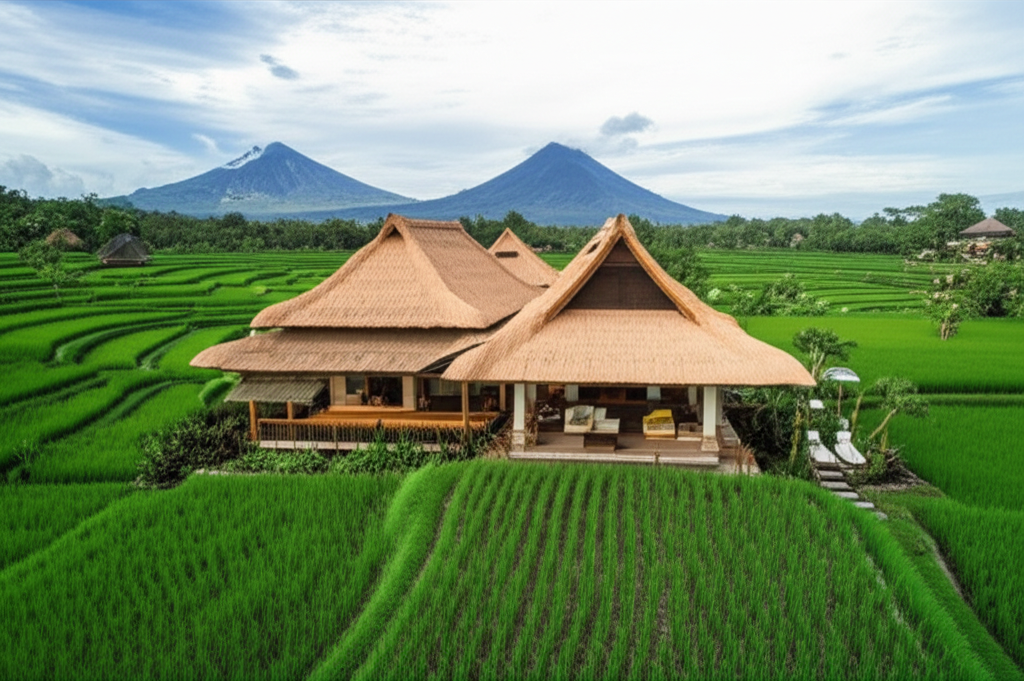
Choosing Bali for your next renovation project transcends a mere structural upgrade; it is an invitation to immerse yourself in an unparalleled tapestry of charm, culture, and profound spiritual essence. Known globally as the “Island of the Gods,” Bali consistently ranks as a top tourist destination, drawing millions with its captivating landscapes, from emerald rice terraces and volcanic peaks to pristine beaches and vibrant coral reefs. Yet, beyond its natural splendor lies a deeply rich cultural heart, a living, breathing testament to highly developed arts. Traditional and modern dance forms tell ancient stories, intricate sculptures adorn every temple and home, paintings explode with color and spirituality, and the mesmerizing sounds of gamelan music fill the air. A renovation project Bali here is not simply about bricks and mortar; it is about engaging with this artistic legacy, allowing it to inform and inspire every design choice.
Embarking on a renovation journey in Bali offers a unique opportunity to weave your personal sanctuary into the fabric of a lifestyle defined by natural beauty, spiritual harmony, and boundless artistic expression. The island’s unique Hindu-majority population upholds ancient traditions and ceremonies, infusing daily life with a sense of purpose and connection to the divine. This pervasive sense of spiritual harmony profoundly influences the aesthetic and architectural principles found across the island, making any property transformation here a truly bespoke endeavor. The very concept of ‘renewal’ aligns perfectly with Bali’s serene environment, where cycles of growth and rejuvenation are deeply respected. It presents a chance to craft a personal haven that embodies both modern comforts and timeless Balinese elegance, a space where the bustling energy of creativity meets tranquil repose.
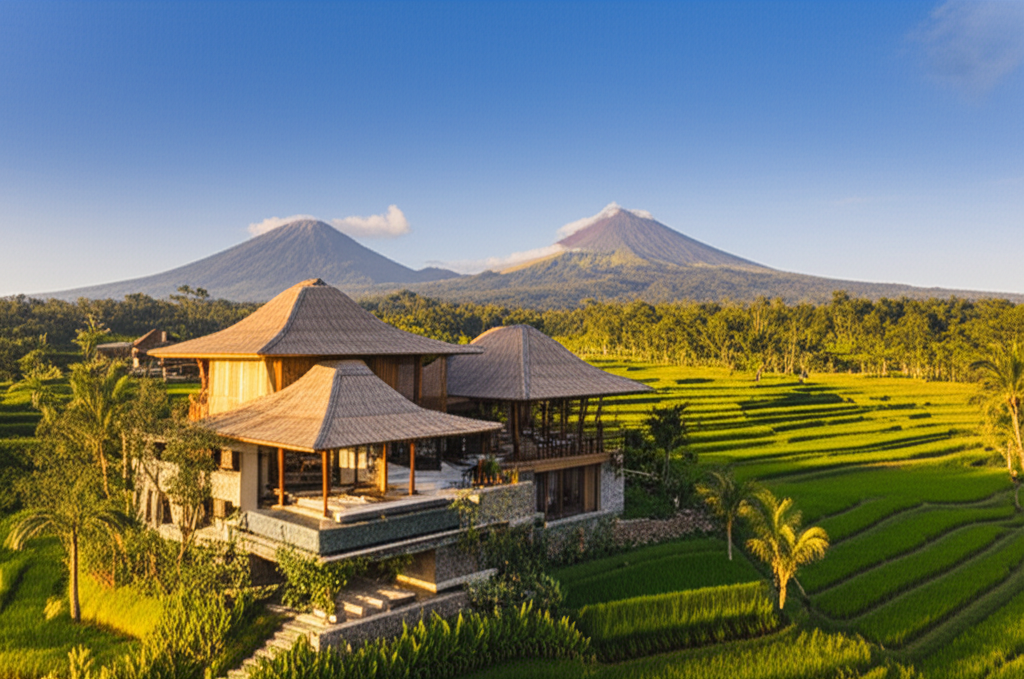
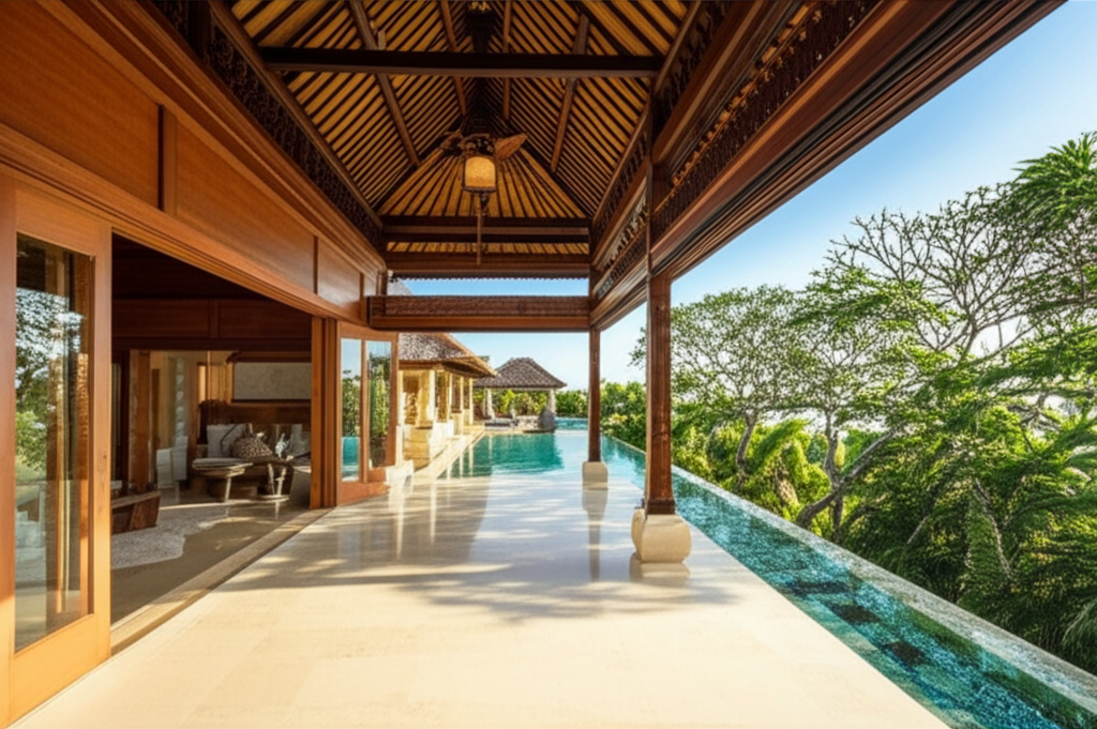
Consider how a thoughtfully executed renovation construction in Bali can integrate elements inspired by its picturesque landscapes and rich cultural tapestry. Imagine a living space that seamlessly blends indoor and outdoor areas, inviting the island’s gentle breezes and lush greenery indoors. Picture intricate carvings that pay homage to local craftsmanship, or architectural features that reflect traditional Balinese design principles while incorporating sustainable practices. This is more than just remodeling; it’s about curating an experience, a dwelling that resonates with the soul of Bali. For those dreaming of an island escape, exploring resources like the ultimate guide to villa construction can provide foundational insights into building or transforming a home in this paradise. Moreover, understanding the art of Bali building: traditional charm, modern quality ensures your project harmonizes with the island’s aesthetic while meeting contemporary standards. Engaging with this profound destination for your renovation means not just changing a space, but enriching a lifestyle.
Navigating the Balinese Renovation Journey Key Considerations
Navigating the Balinese Renovation Journey Key Considerations
Embarking on a renovation project Bali is an exciting endeavor that promises a unique blend of aesthetic beauty and cultural immersion. However, to ensure a smooth and successful transformation, a thorough understanding of the practical aspects of undertaking such a project is absolutely essential. The first and most critical step involves comprehending and meticulously navigating local building regulations and obtaining all required permits. Bali, while famed for its relaxed atmosphere, has specific zoning laws and building codes that must be strictly adhered to. The primary permit you’ll encounter is the Persetujuan Bangunan Gedung (PBG), which replaced the Izin Mendirikan Bangunan (IMB). Securing a PBG requires detailed architectural plans, structural calculations, and adherence to specific land-use regulations. Failure to comply can lead to costly delays, fines, or even the demolition of unauthorized structures. To avoid such pitfalls, it is highly advisable to engage local legal counsel or experienced project managers early in the process. These professionals possess the intricate knowledge of local bureaucracy and can guide you through the permit application process, ensuring full compliance from the outset. For comprehensive guidance on this, consider resources on navigating the PBG process for building in Bali.
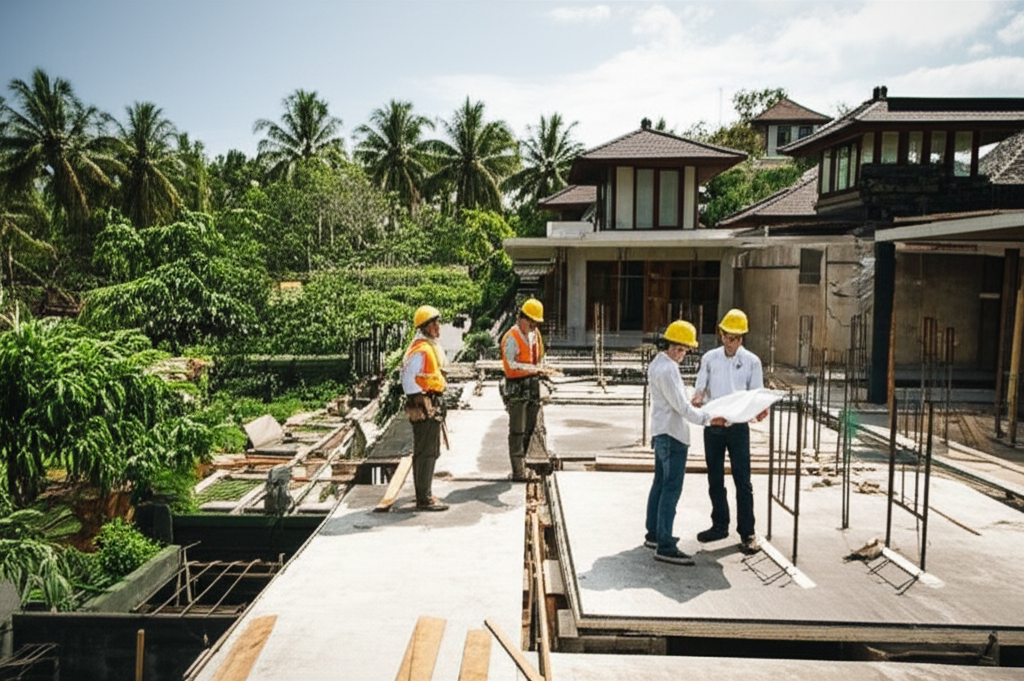
Identifying and collaborating with reputable local contractors, architects, and skilled artisans is another cornerstone of a successful renovation. Beyond technical proficiency, it is crucial to partner with individuals and firms who possess a deep understanding of Balinese architectural principles, traditional construction methods, and local materials. Local contractors are invaluable not only for their construction expertise but also for their network of reliable suppliers and skilled labor, which can significantly streamline your project. They are adept at working with the tropical climate and can recommend appropriate techniques and materials for durability and comfort. Finding the right partner is paramount, and you can explore options for finding the perfect contractor in Bali. Architects specialized in Balinese design can harmoniously blend modern living with traditional aesthetics, while skilled artisans are vital for incorporating the intricate carvings and details that define Balinese charm. These experts also play a crucial role in managing the project effectively, from initial concept to final touches, ensuring that your vision is realized efficiently. For more insights into local expertise, refer to why our Bali contractors are your best bet and for overall project oversight, consider engaging with firms offering project management for builders in Bali.
Critically, any renovation project in Bali should discuss and integrate Balinese philosophical concepts into its design and execution. The principle of Tri Hita Karana, which emphasizes harmony among humans, nature, and the gods, profoundly influences Balinese architecture. This philosophy encourages designs that respect the natural environment, utilize sustainable practices, and incorporate spiritual elements. Similarly, understanding the Tri Mandala, or spatial zoning rules, is crucial. This concept divides space into three realms: the Nista Mandala for outer, less-sacred realms (such as service areas or garages), the Madya Mandala for middle, semi-sacred realms (living spaces, bedrooms), and the Utama Mandala for inner, most-sacred realms (such as family shrines or altars). A knowledgeable architect will ensure that your design respects and incorporates these cultural and spiritual considerations, creating a space that is not only beautiful but also culturally aligned.
Finally, the nuances of land acquisition or renovating existing structures, including leasehold versus freehold considerations, must be thoroughly understood. For foreigners, leasehold is the most common form of property ownership, allowing you to lease land for a significant period, typically 25 to 30 years, with options for extension. Renovating a leasehold property requires careful review of the existing lease agreement, particularly clauses related to structural changes and renewal terms. Freehold ownership, while offering full control, is generally restricted to Indonesian citizens, though complex legal structures exist for foreigners to control freehold land. Regardless of the ownership type, due diligence is paramount to ensure the legality and security of your investment. A clear understanding of these legal frameworks, often guided by local legal professionals, will protect your interests throughout your comprehensive construction services in Bali. For more information on land ownership, refer to freehold vs leasehold for foreigners.
Harmonious Design and Materials for Your Bali Home
A successful renovation project Bali starts with a vision that respects the island’s timeless aesthetic while embracing contemporary living. The goal is to create a space where modern comforts coexist harmoniously with deep-rooted cultural heritage and architectural principles. Imagine expansive open-plan living areas flowing into a traditional Balinese courtyard garden, or sleek, minimalist interiors accented by elaborately carved wooden panels. This delicate balance ensures your renewed home feels both current and intrinsically Balinese. Integrating elements like smart home technology and efficient kitchens should enhance, not disrupt, the inherent tranquility and spiritual resonance. Preserving the island’s unique character means understanding subtle design nuances, allowing modern functionality to elevate indigenous beauty. For expert design guidance that respects Bali’s unique landscape and culture, consider consulting with a premier design contractor in Bali.
The essence of Balinese architecture lies in its profound connection to nature, echoed in the abundant use of natural, locally sourced materials. These choices are not only aesthetically pleasing but also inherently durable and perfectly suited for the tropical climate. Thatch roofing, for instance, encompasses various forms: ijuk from black aren palm fibers for exceptional longevity, dried coconut or rumbia leaves for a lighter, rustic charm, or sirap hardwood shingles for superior durability and refined appearance. Bamboo poles are used for structural or decorative elements, and intricately woven bamboo panels add natural texture and promote airflow. Coconut wood and robust teak wood are prized for their strength and natural resistance to the elements, often used for structural beams, decking, flooring, and furniture. Red brick, a common building material, forms foundational walls, complementing other natural finishes. Natural stones like sandstone and andesite are fundamental to Balinese construction, celebrated for their cool touch and artistic versatility, frequently carved into exquisite ornamentation that brings cultural narratives and spiritual protection to life.
Incorporating traditional Balinese artistry is crucial for an authentic and exquisite finish. This artistry is manifested in sophisticated sculpting and rich ornamentation, transforming functional elements into works of art—from protective dvarapalas (guardian figures) at entrances to intricate kala’s head motifs above doorways, and delicate floral patterns adorning pillars and panels. Such artistic integration reflects the Tri Hita Karana philosophy, emphasizing harmony with nature. Beyond aesthetics, a truly renewed Bali home embraces sustainable practices. Maximizing natural light through strategic window placement and open designs reduces reliance on artificial lighting. Promoting cross-ventilation through clever architectural planning—such as high ceilings, open pavilions, and louvred windows—provides passive cooling, minimizing the need for air conditioning. Efficient water management systems, including rainwater harvesting and greywater recycling, are vital for preserving the island’s precious resources. Choosing eco-friendly finishes, from low-VOC paints to sustainably harvested wood and recycled materials, further aligns your renovation project Bali with the ‘renew’ aspect. For a deeper understanding of building practices that align with these values, explore insights on smart solutions for sustainable building and innovative construction in Bali. Selecting a trusted general contractor in Bali, knowledgeable in both traditional techniques and modern sustainable practices, is paramount. This commitment creates a beautiful and comfortable living space, honoring the Balinese ethos of respect for the environment and holistic well-being.
Realizing Your Vision From Planning to Perfection
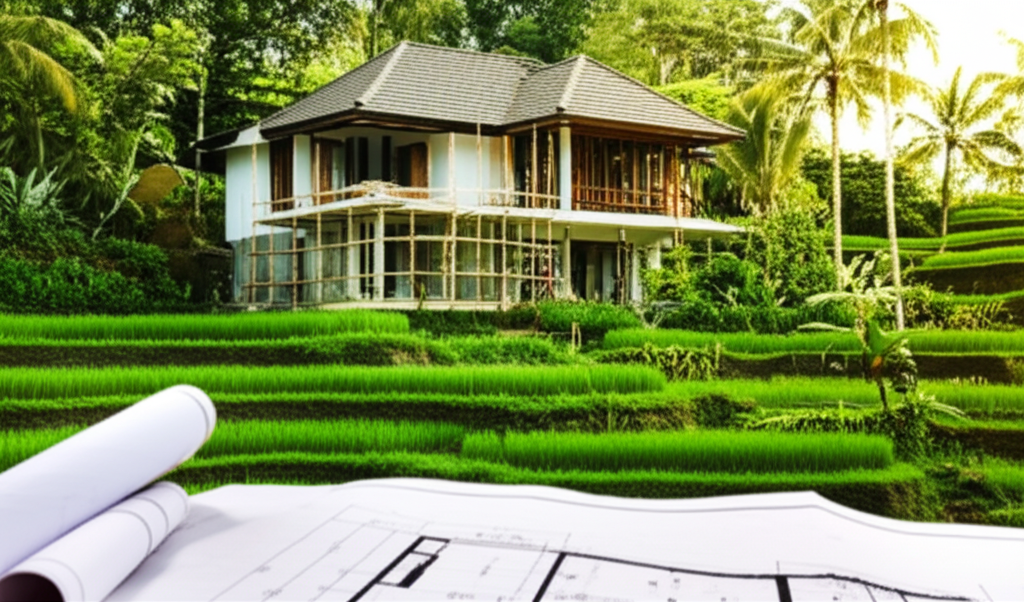
Realizing your vision for a Bali home renovation is an intricate dance between meticulous planning and flexible execution. The transition from beautiful blueprints to tangible structures demands diligent project management. Establishing realistic timelines is paramount; the pace of construction in Bali, while often efficient, can be influenced by local ceremonies, holidays, and the sometimes-unpredictable availability of specialized materials or skilled artisans. A buffer for unforeseen delays is not merely advisable but essential, preventing undue stress and allowing for thoughtful problem-solving. Complementing this, a detailed budget must go beyond initial contractor quotes. Account for permits, unforeseen site conditions, potential design changes, and a contingency fund, typically 10-15% of the total cost, to navigate unexpected expenses without derailing the project. Effective construction cost management in Bali is a continuous process, requiring regular tracking and review to ensure financial prudence.
Quality control measures are the bedrock of superior craftsmanship, especially when working with traditional techniques and natural materials. This involves clear specifications in contracts, regular site inspections, and open dialogue with your premier general contractor in Bali. Implement a systematic approach to check work against approved designs and standards, ensuring that every detail, from structural integrity to the finish of a carved door, meets your expectations. For a comprehensive overview, consider exploring how construction quality control in Bali ensures projects are built to last.
Effective communication is perhaps the most critical component. Navigating language differences and cultural nuances requires patience, respect, and often, the expertise of a local project manager or a contractor well-versed in both Western and Balinese working styles. Be explicit with expectations, utilizing visual aids like detailed drawings and material samples. Listen attentively to local insights; often, the team on the ground possesses invaluable knowledge about local conditions and practical solutions. Regular site visits are indispensable, offering firsthand insight into progress, allowing for immediate clarification of issues, and fostering a collaborative spirit with your construction team. These visits are also crucial for managing unforeseen challenges. Flexibility is key; embracing local solutions and adapting plans when necessary, rather than rigidly adhering to original concepts, can often lead to more harmonious and authentic outcomes.
As your renovation project Bali nears completion, the true reward begins to unfold. Transitioning into your newly transformed space is more than just occupying a house; it’s about inhabiting a home that deeply connects with its surroundings. Take time to savor the renewed ambiance, how the natural light now plays across rejuvenated surfaces, and how the flow of air enhances comfort. Beyond the aesthetics, a thoughtfully executed renovation enriches your life on the island, creating a sanctuary that embodies the serene spirit of Bali. Embrace the opportunity to integrate further into the local Balinese community, finding joy in daily rhythms and appreciating the profound spiritual and aesthetic value that your refreshed and renewed home brings to your well-being. This renewed space should not merely be a reflection of your vision but a harmonious extension of Bali itself, a place where you can truly refresh and renew your spirit. For guidance on navigating the execution phase efficiently, delve into the specifics of professional construction project management in Bali. If you are looking for specific expertise, you can find expert renovation contractors in Bali to help realize your vision.
Conclusions
A renovation project Bali is more than just construction; it’s an opportunity for profound refresh and renewal, blending modern comfort with timeless Balinese traditions. By embracing local wisdom, sustainable practices, and skilled craftsmanship, your transformed home will not only be a beautiful space but also a harmonious reflection of the island’s spirit, enriching your life in paradise.