Table of Contents
- Laying the Foundation Legalities and Land Acquisition
- Designing Your Dream Villa Blending Tradition with Modernity
- The Construction Journey From Blueprint to Reality
- Post-Construction and Embracing Your Bali Lifestyle
- Conclusions
Dreaming of a luxurious escape in Bali? Constructing a villa on this beautiful island can be a rewarding endeavor, but it requires careful planning and expert execution. This article will guide you through the intricate process of Bali villa construction, from understanding the initial legalities and design philosophies to the practicalities of building and maintaining your tropical sanctuary. Get ready to embark on a journey that transforms your vision into a tangible piece of paradise.
Laying the Foundation Legalities and Land Acquisition
Laying the Foundation: Legalities and Land Acquisition
The journey to building your dream villa in paradise begins not with bricks and mortar, but with a robust understanding of Bali’s legal landscape concerning land acquisition. For any foreigner embarking on villa construction Bali, navigating these foundational legalities is paramount to securing a successful and unencumbered investment. Without proper due diligence and expert guidance, even the most picturesque plot of land can become a source of unforeseen complications.
The primary hurdle for non-Indonesian citizens is the direct ownership of land, as Indonesian law generally restricts foreigners from holding “Hak Milik” (Freehold title). This crucial distinction necessitates exploring alternative, legally compliant ownership structures. The most common and secure methods for foreigners to acquire land rights for villa construction are through a “Hak Sewa” (Leasehold agreement) or a “Hak Guna Bangunan” (HGB – Right to Build) title, often held through a foreign-owned company (PT PMA).
The Leasehold option, or Hak Sewa, involves leasing land directly from an Indonesian landowner for a specified period, typically ranging from 25 to 30 years, with options for extensions often outlined in the initial agreement. This provides a direct, albeit temporary, right to use and develop the land. While straightforward, it’s vital to ensure the lease agreement is meticulously drafted, covering extension terms, payment schedules, and clauses for any potential sale of the land during the lease period. Thorough due diligence is critical here to verify the landowner’s legitimate title and ensure no encumbrances exist on the property.
For those seeking a more substantial and longer-term investment, particularly for commercial ventures or larger residential projects, the Hak Guna Bangunan (HGB) title, held by a PT Penanaman Modal Asing (PT PMA – Foreign Investment Company), is a popular route. An HGB title grants the right to construct and possess a building on state land or land owned by another party for an initial period of up to 30 years, extendable for 20 years, and then renewable for another 30 years. This structure effectively allows foreign entities to control land for an extended duration, providing greater security and flexibility for development. Establishing a PT PMA involves a more complex registration process but offers significant advantages in terms of legal standing and future scalability. Understanding these structures is a critical first step in Bali property investment.
Regardless of the chosen ownership structure, *due diligence* is non-negotiable. This meticulous investigation ensures the land is free from disputes, accurately surveyed, and suitable for your intended construction. Key components of due diligence include:
* *Land Surveys*: Engaging a professional surveyor to verify the exact boundaries and dimensions of the plot. This prevents encroachment issues with neighboring properties and ensures the land size matches the certificate.
* *Verifying Land Titles*: A thorough check of the land certificate (Sertifikat Tanah) at the National Land Agency (BPN – Badan Pertanahan Nasional) is essential. This confirms the rightful owner, checks for any existing mortgages, liens, or other encumbrances that could affect your rights, and verifies the land’s designated purpose.
* *Zoning Regulations*: Ascertaining the local zoning (Rencana Tata Ruang Wilayah – RTRW) of the land is paramount. Bali has strict zoning laws that dictate what type of development is permitted in specific areas (e.g., residential, tourism, green belt). Building on inappropriately zoned land can lead to severe penalties, demolition orders, and significant financial losses.
Once land acquisition is underway, the next critical phase involves securing the necessary permits and licenses before breaking ground. The primary permit for any construction in Bali is the *Persetujuan Bangunan Gedung* (PBG), which has largely replaced the former Izin Mendirikan Bangunan (IMB). The PBG is an approval from the local government confirming that your building plan complies with all relevant technical standards and regulations. The application requires detailed architectural drawings, structural calculations, and often environmental impact documentation. For most villa projects, an *Upaya Pengelolaan Lingkungan Hidup dan Upaya Pemantauan Lingkungan Hidup* (UKL-UPL) environmental permit will be necessary, though larger, more impactful developments might require an *Analisis Mengenai Dampak Lingkungan* (AMDAL). Navigating the PBG process for building in Bali effectively is crucial.
The necessity of engaging experienced local legal counsel and consultants cannot be overstated. Indonesian law, particularly concerning land and property, is intricate and subject to change. A reputable local lawyer specializing in property law will guide you through ownership structures, draft and review contracts, perform due diligence, and ensure all transactions are legally sound and registered correctly. Similarly, consultants with expertise in zoning, environmental regulations, and building codes can streamline the permit application process, saving invaluable time and mitigating risks. These professionals act as your local representatives, translating legal jargon and cultural nuances, providing invaluable insights into project management for builders in Bali.
The typical timeline for these bureaucratic processes can vary significantly but generally requires patience and realistic expectations. Land due diligence and acquisition can take anywhere from a few weeks to several months, depending on the complexity of the title and negotiations. Obtaining a PBG and associated environmental permits often spans several months, typically three to six months, but can extend longer if there are complications or revisions required. Managing these expectations from the outset, with clear communication from your legal and construction teams, is vital for a stress-free experience.
In summary, laying a solid legal foundation for your Bali villa involves understanding your ownership options, conducting thorough due diligence to verify land titles and surveys, and meticulously securing all required building permits and environmental approvals. Partnering with a trusted general contractor in Bali alongside seasoned legal and property consultants will ensure compliance with Indonesian law, protect your investment, and ultimately pave the way for a smooth transition from legalities to the exciting design and construction phases. This comprehensive approach to the initial steps of villa construction Bali is your first and most important step towards realizing your dream home in paradise.
Designing Your Dream Villa Blending Tradition with Modernity
Designing Your Dream Villa Blending Tradition with Modernity
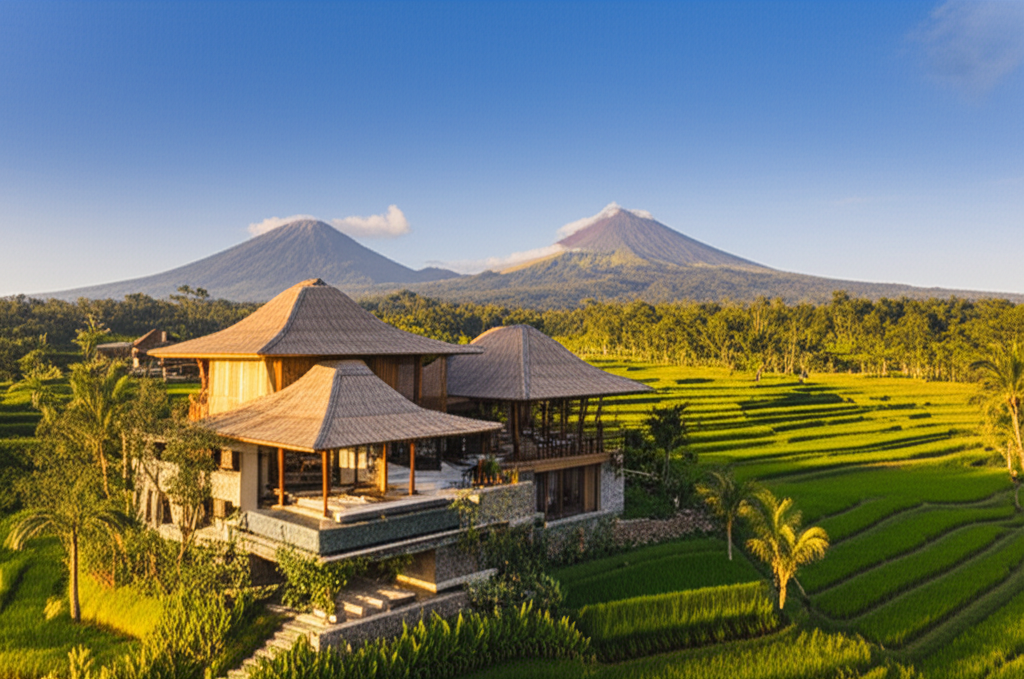
Building on the foundational knowledge of land acquisition and legalities, the exhilarating journey into designing your Bali villa commences. This phase is where your vision truly begins to take shape, a unique opportunity to weave the island’s rich cultural tapestry with contemporary living. The essence of Balinese architecture, deeply rooted in Hindu principles and ancient Javanese styles, offers a timeless aesthetic that can be beautifully integrated with modern design for a truly distinctive home in paradise. This blend is not merely superficial; it involves a profound understanding of philosophical concepts that have guided Balinese construction for centuries, ensuring your villa resonates with the spirit of the island. For more insights into the architectural heritage, explore the magic of Bali villa architecture.
Central to Balinese design is the philosophy of Tri Hita Karana, meaning harmony with human beings, nature, and the divine. This profound concept profoundly influences architectural layout, encouraging open-plan living that seamlessly merges indoor and outdoor spaces. Villas designed with Tri Hita Karana in mind often feature lush gardens, water elements, and strategic openings that invite natural light and air circulation, blurring the lines between the built environment and the tropical landscape. The aim is to create a dwelling that fosters peace and well-being, where residents feel connected to their surroundings.
Further shaping the layout and ambiance are the principles of Tri Mandala and Sanga Mandala. Tri Mandala dictates spatial zoning, dividing a property into three distinct areas: a sacred or private zone (often the north-east, for temples or family shrines), a middle or semi-private zone for living and sleeping quarters, and an outer or public zone for entrances, service areas, and guest amenities. This thoughtful segregation ensures both privacy and functionality. Sanga Mandala, on the other hand, refers to directional orientation, aligning structures with cardinal directions based on spiritual significance and practical considerations like sunlight exposure and prevailing breezes. Understanding these principles allows for a design that is not only aesthetically pleasing but also harmonically aligned with Balinese culture and climate.
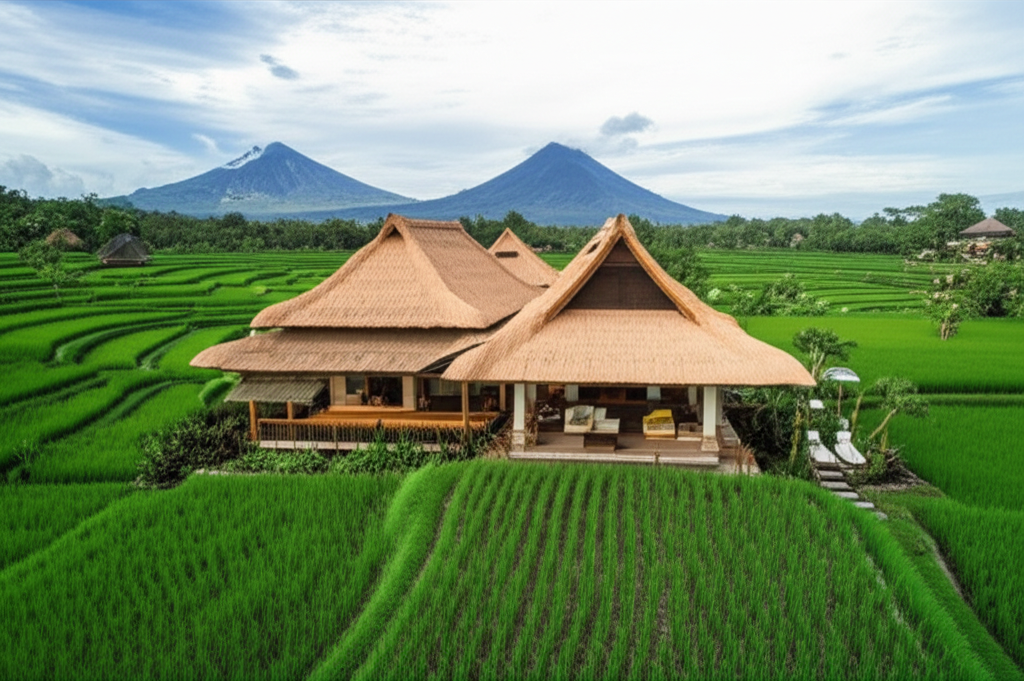
The selection of materials is another critical aspect, with traditional Balinese construction heavily relying on locally sourced natural elements that are both beautiful and resilient. Thatch roofing, for instance, is a quintessential feature, offering excellent insulation in the tropical heat. Options include ijuk (black palm fiber), dried coconut leaves, or rumbia leaves, each providing a unique texture and character. Another popular choice is sirap, thin wooden shingles, often made from ironwood, which offers durability and a sleek appearance. Bamboo, with its incredible strength and flexibility, is extensively used for structural elements, decorative screens, and furniture, embodying sustainable building practices.
Beyond roofing and structural elements, coconut wood and teak are prized for their beauty and durability, commonly utilized for flooring, decking, intricate carvings, and robust furniture. Local red bricks form the basis of many walls, often left exposed or rendered to complement the natural environment. For ornamentation and structural elements, various local stones are employed, such as sandstone and andesite. Sandstone, with its earthy tones, is perfect for carved panels and wall cladding, while the dark, volcanic andesite is often used for foundations, garden features, and pathways, providing a striking contrast against lush greenery. Incorporating these materials not only grounds your villa in its Balinese context but also contributes to a naturally cool and comfortable interior, reducing the need for excessive air conditioning. For those interested in innovative and sustainable approaches to construction, consider exploring sustainable structures Bali.
Engaging with local architects and designers is paramount for navigating this design process. They possess an invaluable understanding of the Balinese climate, culture, and specific structural requirements necessary for building on the island. Their expertise ensures that your design is not only visually appealing but also structurally sound, culturally sensitive, and highly functional for tropical living. A skilled local architect can interpret your vision through a Balinese lens, integrating traditional elements with your modern preferences while adhering to local building codes and material availability. They are also adept at managing local artisans and craftsmen, ensuring the intricate details that define Balinese architecture are executed with authenticity. Finding the right professionals can be challenging, but partnering with experienced firms offering build and design services in Bali is key to a successful outcome.
Finally, the importance of sustainable design practices and energy efficiency cannot be overstated, especially in a tropical environment where energy consumption for cooling can be substantial. A well-designed villa will incorporate passive cooling techniques such as strategic orientation to maximize cross-ventilation, ample shading through overhangs and verandas, and high ceilings to allow hot air to rise. Rainwater harvesting systems, solar panels, and the use of natural, locally sourced materials further enhance a villa’s eco-friendly footprint. These considerations not only contribute to a healthier planet but also result in lower operational costs for your villa in the long run. By thoughtfully blending tradition with modernity and embracing sustainable practices, your Bali villa construction will culminate in a sanctuary that reflects both your personal taste and the enchanting spirit of Bali. To ensure the highest standards for your project, it’s advisable to collaborate with a premier general contractor in Bali from the outset.
The Construction Journey From Blueprint to Reality
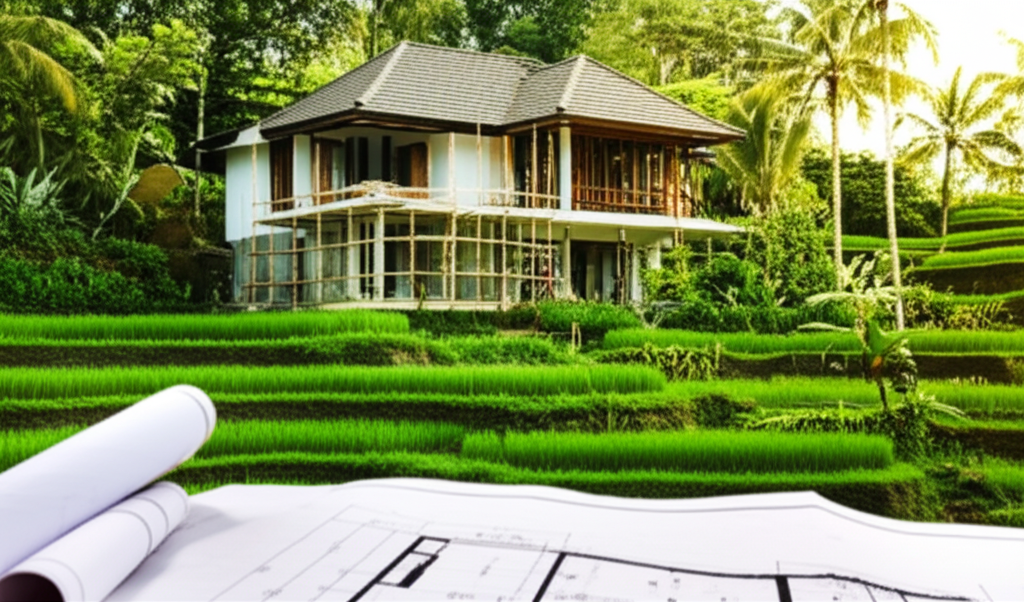
The transition from intricate blueprints to tangible structures marks a pivotal phase in your Bali villa journey. With a meticulously crafted design now in hand, the focus shifts to the practical realities of villa construction Bali, an undertaking that requires precision, expert management, and a deep understanding of the local environment. The construction timeline, while variable depending on scale and complexity, typically follows a logical sequence of key phases, each critical to the overall integrity and longevity of your dream villa.
The initial phase is comprehensive site preparation. This involves clearing the land, ensuring proper access for materials and machinery, and meticulously leveling the designated building area. Crucially, a thorough geological survey and soil testing are performed to inform the most suitable foundation design. Given Bali’s diverse terrain, from volcanic soil to more sandy coastal areas, selecting the correct foundation technologies for enduring properties is paramount. This might range from conventional strip foundations to more robust pile or raft foundations, engineered to provide maximum stability against seismic activity, which, while infrequent, must always be considered in tropical island construction. Following this, the foundation laying commences, forming the robust base upon which your villa will stand.
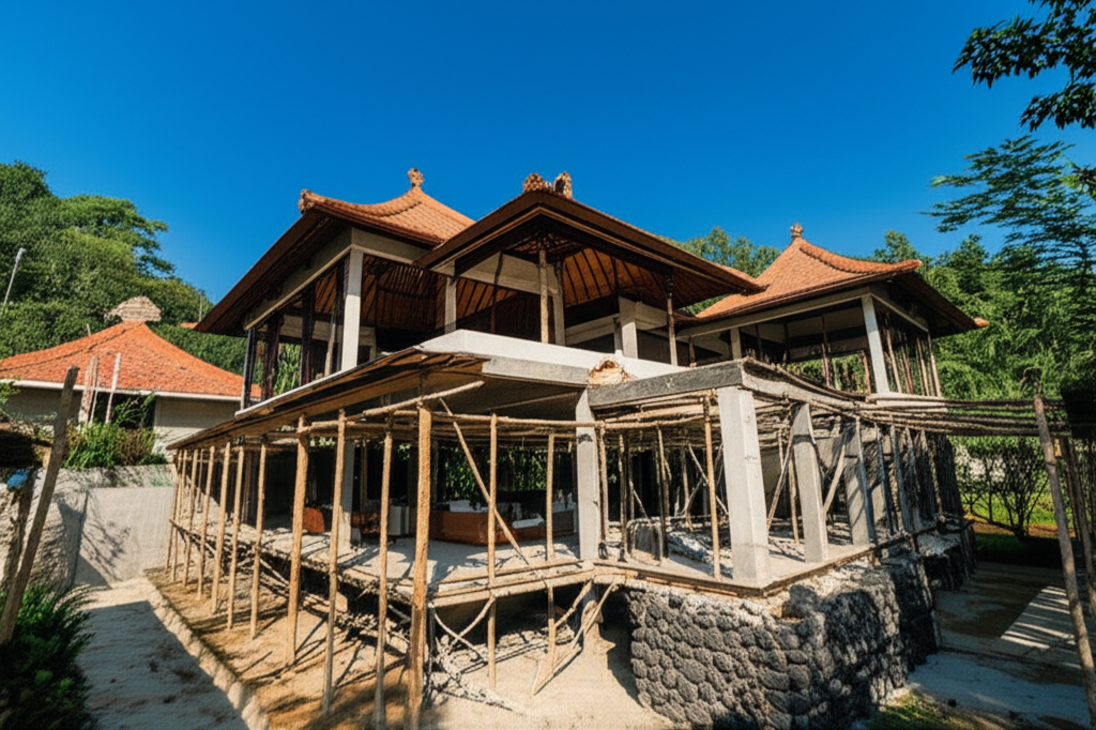
Next comes the structural work, the skeleton of your future home. This primarily involves the construction of reinforced concrete columns, beams, and slabs, forming the framework that defines the villa’s shape and provides its inherent strength.
Balinese construction practices often integrate earthquake-resistant design principles into this phase, utilizing high-quality steel reinforcement and concrete mixes to ensure structural integrity. Once the main structure is complete, the roofing phase begins. While the previous chapter touched upon traditional roofing materials, here the practical installation takes precedence. Whether it’s the intricate layering of natural alang-alang thatch, the precision of sirap wood shingles, or more modern tile and metal options, the roof provides essential protection from Bali’s intense sun and heavy rainfall, requiring skilled application to ensure waterproof and durable performance.
The interior finishing stages transform the raw structure into a livable, luxurious space. This includes the construction of internal walls, installation of doors and windows (often custom-made from local hardwoods), comprehensive electrical and plumbing rough-ins, and the application of tiling for bathrooms, kitchens, and floors. Fine carpentry for built-in furniture and cabinetry, plastering, painting, and the installation of all fixtures and fittings bring the design to life. Each step requires meticulous attention to detail to achieve the desired aesthetic and functionality.
The selection and procurement of high-quality materials are central to both the cost-effectiveness and durability of your Bali villa. While the previous chapter highlighted the aesthetic appeal of local materials like sandstone, paras, teak, and coconut wood, in the construction phase, their functional properties and availability are key. Local materials are often more sustainable and cost-effective, readily available, and inherently suited to the tropical climate. However, certain specialized items, such as high-performance window systems, specific plumbing fixtures, or advanced electrical components, might need to be imported. A skilled premier general contractor in Bali will navigate the balance between local resources and imported necessities, ensuring that all materials are procured efficiently, meet international quality standards, and contribute to the villa’s long-term resilience against humidity, pests, and sun exposure. This strategic sourcing directly impacts the project’s budget and future maintenance requirements.
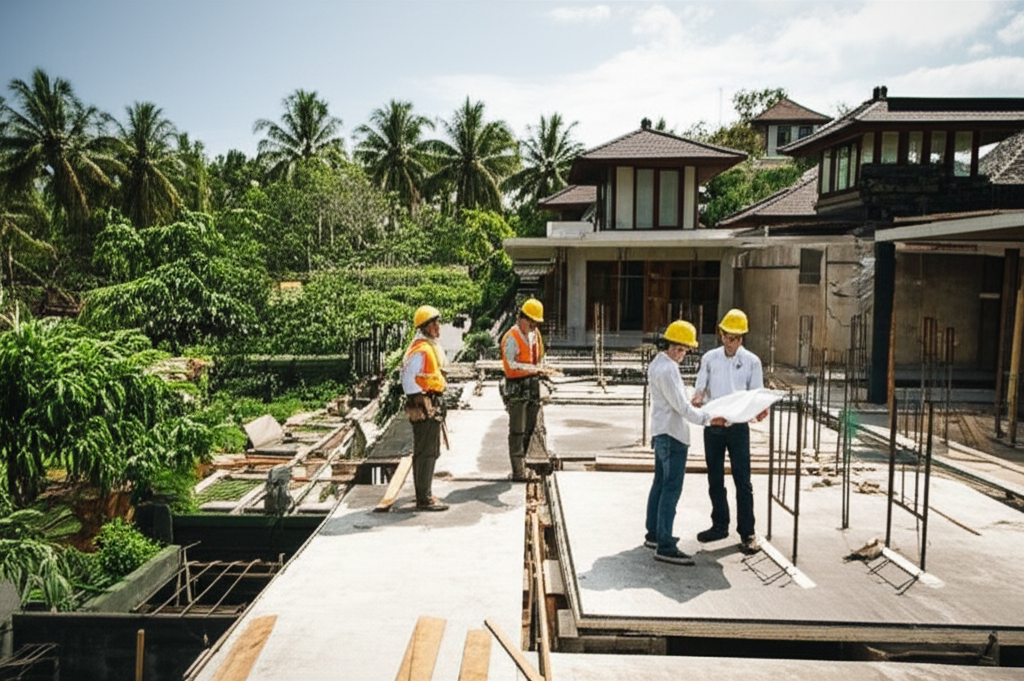
The success of any construction project, especially in a unique locale like Bali, hinges on expert project management and a highly skilled construction team. The role of a dedicated project manager in Bali cannot be overstated. They are the central nervous system of the build, responsible for overseeing the entire process from start to finish. Their duties include rigorous scheduling, stringent budget control, coordination of various subcontractors and trades, and ensuring all work adheres to the approved designs and engineering specifications. Clear and consistent communication is paramount; this often involves bridging potential language barriers with the local workforce, conducting regular site meetings, and providing comprehensive progress reports to the client. Regular site visits by the project manager, often daily, combined with stringent construction quality control in Bali measures, are essential to identify and rectify issues promptly, ensuring that every element of the build meets desired standards.
Building in Bali presents its own set of unique challenges that demand experienced management. Logistics can be complex; navigating local infrastructure for material delivery, especially to more remote sites, requires local knowledge and planning. Weather conditions are another significant factor; Bali’s distinct wet and dry seasons can impact construction schedules. Heavy rains during the wet season can cause delays, especially during excavation and foundation work, while intense heat can affect worker productivity and the curing of concrete. Cultural considerations are also vital when managing a local workforce. Understanding local customs, respecting Balinese holidays (such as Galungan, Kuningan, and Nyepi which see island-wide closures), and fostering a positive, respectful working environment are crucial for smooth operations and high morale. Effective project managers anticipate these challenges and build contingencies into the schedule and budget.
Finally, managing the financial aspect with transparency and foresight is critical for a stress-free experience. A detailed, itemized budget breakdown, initially established during the planning phase, serves as the financial roadmap. However, unexpected costs are an almost inevitable part of any construction project. These can arise from unforeseen site conditions, fluctuations in material prices, changes requested by the owner, or delays due to external factors. Establishing a realistic contingency fund (typically 10-15% of the total project cost) is a best practice. The project manager’s role includes maintaining a transparent financial overview throughout the construction process, providing regular expenditure reports, and seeking approval for any variations or additional costs. This proactive approach to demystifying construction costs in Bali ensures that your Bali Villa Awaits: Expert Construction from Start to Finish remains a smooth, controlled, and financially sound process, setting the stage for the next exciting phase: enjoying your newly built paradise.
Post-Construction and Embracing Your Bali Lifestyle
After the meticulous construction journey, where every beam was set and every finish applied, the moment arrives for your villa to transition from a construction project to a cherished home. The final stages are not just formalities; they are crucial steps to ensure your investment is fully compliant, flawless, and ready to offer the serene Bali lifestyle you’ve envisioned. This marks the culmination of the intensive phase of *villa construction Bali*, bringing your dream closer to reality.
The first critical hurdle after the physical construction concludes is the comprehensive final inspection. This isn’t a cursory glance; it’s a detailed walkthrough with your project manager and potentially independent inspectors. Every system, every finish, and every structural element must be scrutinized. We’re looking at plumbing for leaks, electrical systems for functionality and safety, and air conditioning units for efficient cooling. Check all doors and windows for smooth operation and proper sealing, crucial in Bali’s humid climate. Examine tiles for inconsistencies, paintwork for blemishes, and built-in carpentry for precision. Any identified imperfections, often referred to as “snagging issues,” must be meticulously documented. A reputable builder will have a clear process for addressing these, typically involving a punch list that details each item requiring attention and a timeline for its rectification. It’s imperative that these snags are resolved to your satisfaction before final payments are made and formal handover occurs.
Simultaneously, the administrative groundwork shifts towards obtaining the necessary occupancy permits (often integrated with the IMB – Izin Mendirikan Bangunan – or its modern equivalent, the PBG – Persetujuan Bangunan Gedung). This legal document certifies that your villa has been constructed in accordance with the approved plans and local building codes, making it fit for habitation. Navigating the PBG process for building in Bali requires local expertise, and your chosen general contractor or legal representative will be instrumental in ensuring all documentation is submitted correctly and approvals are secured efficiently. Without this, your villa, however beautiful, is not legally ready for you or tenants to occupy.
Once the interior is perfected and the legalities are settled, attention turns to the external sanctuary: your landscaping. This is where your villa truly merges with the Balinese environment. Beyond aesthetic appeal, thoughtful landscaping offers natural cooling, privacy, and enhances the overall property value. Consider integrating local flora such as frangipani, bougainvillea, and various palm species, which thrive in the tropical climate and require less intensive care than exotic imports. Water features, from tranquil koi ponds to cascading waterfalls, not only add a soothing ambiance but also contribute to natural air circulation. The goal is to create a harmonious outdoor living space that complements your villa’s architecture, providing shaded retreats and vibrant splashes of color. For inspiration on how to harmonize your villa with its surroundings, explore guides on designing your perfect island home.
With the physical structure and immediate surroundings complete, setting up essential utilities is the next practical step. This includes connecting to the local electricity grid, ensuring stable and sufficient power for all your needs. Water supply, often sourced from wells or local networks, needs to be established and tested for quality and pressure. High-speed internet is no longer a luxury but a necessity, whether for personal use or for managing your property remotely. Investing in robust security systems, including CCTV and alarm systems, provides peace of mind, especially if your villa will be unoccupied for periods or used as a rental property.
For many villa owners, especially those not permanently residing on the island or planning to generate rental income, engaging professional property management services becomes invaluable. A reputable property management company can handle everything from routine maintenance – a critical aspect in Bali’s humid, tropical climate to prevent issues like mold, pest infestations, and structural wear – to managing bookings, guest relations, and staffing. This can include hiring and overseeing housekeepers, gardeners, pool attendants, and security personnel. This hands-off approach allows you to enjoy your investment without the daily operational burden. When considering the financial aspects, understanding how to maximize your return is key; insights into investing in Bali villas can help you make informed decisions.
Long-term maintenance in a tropical environment is a continuous commitment to preserving the beauty and structural integrity of your investment. Regular preventative maintenance schedules are paramount. This means routine checks for leaks, pest control, treatment of wooden elements against termites and rot, and consistent cleaning to combat humidity-related issues. Special attention should be paid to roofing, as Bali’s heavy rains can test even the most robust structures; understanding optimal roofing solutions for Bali’s tropical climate is crucial. Exterior paintwork may require refreshing more frequently than in temperate climates due to sun exposure and humidity. Proactive maintenance not only extends the life of your villa but also prevents minor issues from escalating into costly repairs.
Finally, with your expertly constructed villa ready, the true reward is the opportunity to integrate into the local community and embrace the unique Bali lifestyle. This isn’t just about owning a beautiful property; it’s about experiencing the island’s rich culture, warm hospitality, and spiritual essence. Engage with local vendors, participate in community events, and respect local customs. Your villa, meticulously planned and brought to fruition through expert construction from start to finish, becomes more than just a house; it transforms into a personal sanctuary and a gateway to an enriching life in paradise. This final stage marks the culmination of your vision and the beginning of countless unforgettable moments in your Bali villa. The journey of construction in Bali is complete, and a new chapter of island living begins.
Conclusions
Embarking on villa construction Bali is an exciting journey that culminates in owning a bespoke piece of paradise. From meticulous legal planning and culturally-inspired design to rigorous construction and thoughtful post-completion care, every step is crucial. By embracing expert guidance and local wisdom, your dream of a Bali villa can become a stunning reality, offering a tranquil sanctuary and a smart investment. Your Bali Villa Awaits: Expert Construction from Start to Finish, ready to create unforgettable memories in the heart of Indonesia.