
Table of Contents
- Laying the Foundation Legalities and Location for Your Bali Villa
- Designing Your Sanctuary Aesthetic and Sustainable Bali Villa Living
- Bringing Your Vision to Life Expert Construction Practices in Bali
- From Completion to Paradise Furnishing and Living in Your Bali Villa
- Conclusions
Dreaming of a luxurious escape in Bali? The journey to owning your own private villa is an exciting one, but it requires expert guidance from the initial vision to the final touches. This article delves into the intricate process of villa construction in Bali, offering insights and a clear roadmap for realizing your tropical dream home, ensuring a seamless and rewarding experience.
Laying the Foundation Legalities and Location for Your Bali Villa
Laying the Foundation: Legalities and Location for Your Bali Villa
Your Bali Villa Awaits: Expert Construction from Start to Finish begins with the critical initial steps. Embarking on a villa construction Bali project necessitates a meticulous approach to selecting the ideal location. This decision significantly impacts not only the aesthetic appeal and daily enjoyment of your dream home but also its long-term viability and investment potential. Factors such as accessibility are paramount; easy access to main roads, proximity to Ngurah Rai International Airport, and well-maintained local infrastructure ensure convenience for residents and guests alike. The views offered by your chosen plot can be a defining feature, with options ranging from breathtaking ocean vistas to serene rice paddy panoramas, lush jungle backdrops, or majestic volcano outlooks. Beyond the immediate visual appeal, consider proximity to essential amenities like reputable international schools, medical facilities, vibrant dining scenes, boutique shopping, and recreational activities. Moreover, successful integration with the local community is often overlooked but profoundly important. Understanding and respecting local customs, engaging with village leaders, and potentially contributing to local employment fosters harmonious relationships, which can be invaluable during and after construction. A thoughtfully chosen location can elevate your Bali villa from a mere dwelling to a truly integrated paradise. For deeper insights into prime spots, explore our guide on unveiling Bali’s premier locations for villa construction.
The legal landscape surrounding foreign land ownership in Indonesia, particularly in Bali, is complex and requires careful navigation. Direct foreign ownership of freehold land (Hak Milik) is generally not permitted under Indonesian law. However, several legitimate structures allow foreigners to control and develop property. The most common structure for individual villa owners is Leasehold (Hak Sewa). This arrangement allows foreigners to lease land from an Indonesian landowner for a predetermined period, typically 25 to 30 years, with options for extensions, often totalling up to 100 years or more. Under a leasehold agreement, you gain the right to use and build on the land, and crucially, to transfer or sell the lease to another party. The terms of these agreements are critical, and they must be meticulously drafted and reviewed by legal professionals. Another viable option is the Right to Use (Hak Pakai), which grants foreigners the right to use state-owned land or land owned by another party, similar to how Indonesian citizens can hold such rights. Hak Pakai certificates are typically issued for periods of 25-30 years and are also extendable. This structure provides a strong legal basis for occupancy and development. While less common for individual foreign villa owners, the Right to Build (Hak Guna Bangunan – HGB) is primarily applicable to Indonesian legal entities or specific foreign investment companies (PT PMA) that undertake larger-scale developments. HGB allows the holder to construct and possess buildings on state land or Hak Milik land for a set period, typically 30 years, extendable for further periods. Understanding these distinctions is fundamental to securing your investment and ensuring legal compliance. For a comprehensive comparison, refer to our article on Bali property investment unveiled: freehold vs leasehold for foreigners.
Beyond securing the land, the villa construction Bali project demands a thorough understanding of essential permits and licenses. The primary building permit, historically known as the Izin Mendirikan Bangunan (IMB), has been reformed and is now referred to as the Persetujuan Bangunan Gedung (PBG). The PBG is a crucial document that certifies your building plans adhere to spatial planning regulations, structural safety standards, and environmental requirements. Obtaining a PBG involves a detailed submission process including architectural drawings, structural calculations, and environmental impact assessments, depending on the scale and nature of your project. In addition to the PBG, other vital environmental and spatial planning approvals are necessary. These may include an Environmental Management Effort and Environmental Monitoring Effort (UKL-UPL) or a full Environmental Impact Assessment (AMDAL) for larger developments, ensuring your project minimizes its ecological footprint. Furthermore, spatial planning approvals, such as the Conformance of Spatial Utilization Activity (KKPR), are essential to confirm that your proposed construction aligns with the designated land use zones. Navigating this intricate web of regulations can be daunting, but it is non-negotiable for a legitimate and stress-free build. A detailed breakdown of this process can be found in our guide to navigating the PBG process for building in Bali.
Given the intricate legalities and bureaucratic procedures, the necessity of engaging experienced local legal counsel and notaries cannot be overstated for any villa construction Bali endeavor. These professionals are indispensable in:
* Conducting thorough due diligence on land titles and ownership histories.
* Drafting, reviewing, and perfecting leasehold or Hak Pakai agreements.
* Assisting with the complex application processes for the PBG and other requisite permits.
* Ensuring all contracts and agreements are legally sound and protect your interests.
* Providing ongoing legal advice throughout the construction phase.
* Mediating any potential disputes with landowners or local authorities.
Their deep understanding of Indonesian property law, local customs, and bureaucratic nuances will be your strongest asset, safeguarding your investment and preventing costly future complications. Choosing the right legal partner from the outset is as crucial as selecting the right plot of land for your dream home in paradise. This foundational legal work, expertly managed, ensures a secure and smooth beginning to your Bali villa construction project, laying the groundwork for a successful build from start to finish. For further information on general construction practices and legal frameworks, visit construction.monad.now.
Designing Your Sanctuary Aesthetic and Sustainable Bali Villa Living
Following the meticulous groundwork of securing your ideal location and navigating the intricate legalities, the journey to your dream Balinese sanctuary transitions into the exhilarating design phase. Here, aesthetic aspirations merge with the practicalities of tropical living, creating a home both beautiful and intrinsically suited to its environment. The essence of successful villa construction Bali lies in a design that respects the island’s unique climate, culture, and natural beauty.
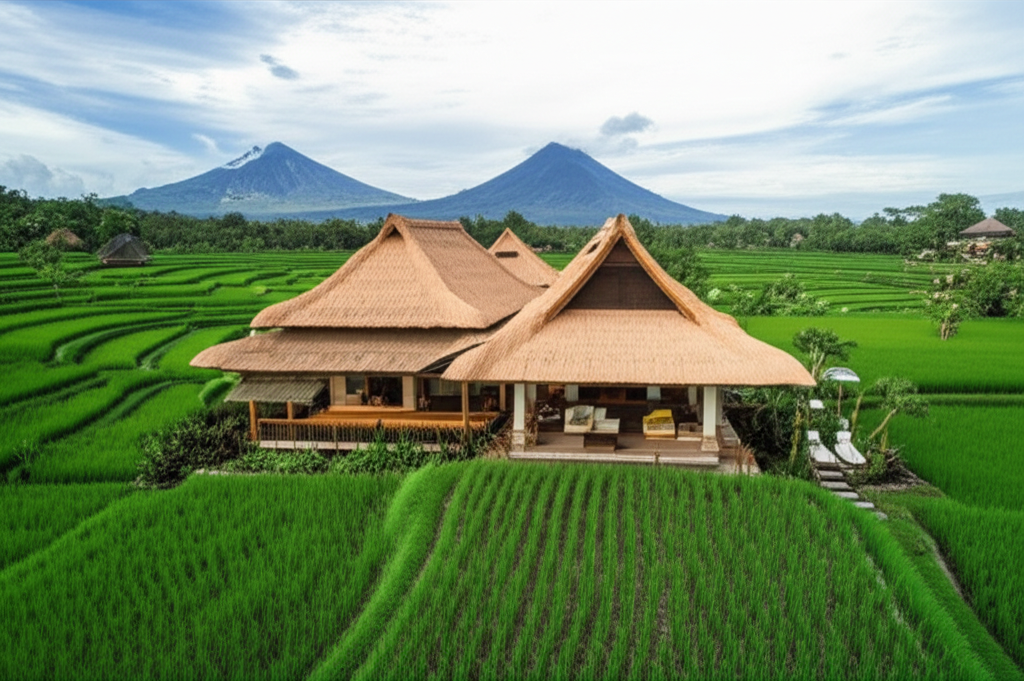
Bali’s architectural landscape features two prominent styles: traditional Balinese influences and tropical modernism. Traditional Balinese architecture, rooted in spiritual philosophy, embraces open-plan living, with interiors flowing into lush gardens. Natural ventilation is paramount, using strategically placed openings and high ceilings for tropical heat mitigation. Integration with nature is fundamental, featuring courtyards and water features as living space extensions. Designs often reference traditional Balinese compounds—separate pavilions for living, sleeping—arranged around a central courtyard, embodying the Tri Hita Karana philosophy of harmony. Indigenous materials like locally sourced timber, natural stone, and thatch or bamboo roofing are common. Understanding these principles is key for villa construction in Bali.
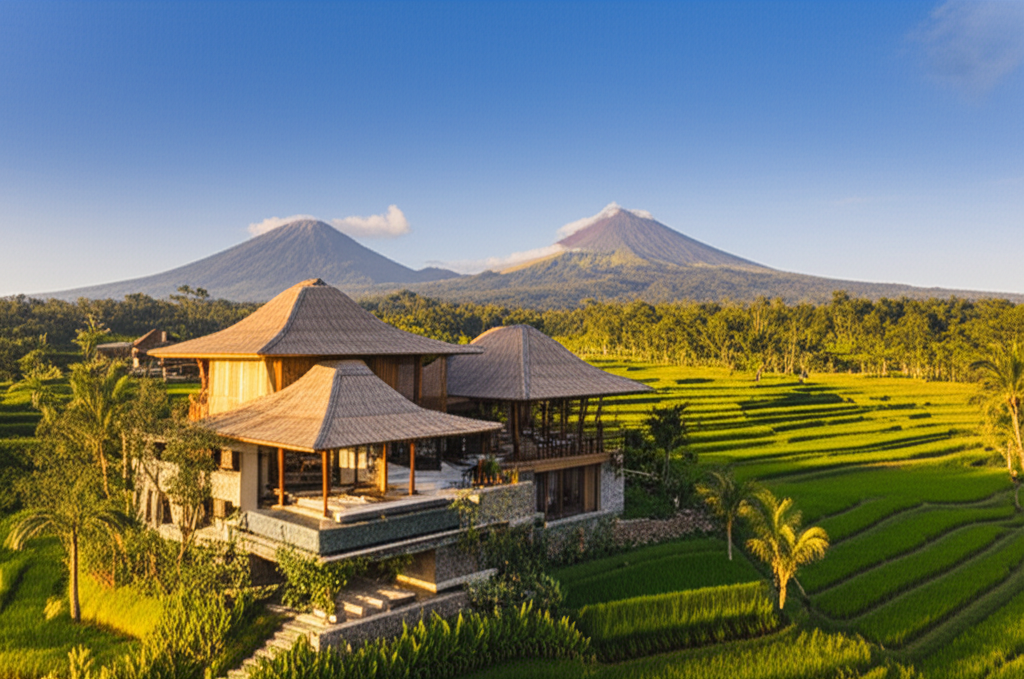
In contrast, tropical modernism offers a contemporary interpretation, fusing modernist principles with tropical vernacular traditions. This style prioritizes environmental responsiveness and passive cooling strategies, such as deep overhangs, louvred screens, and carefully oriented windows, providing effective shading while maximizing natural light and cross-ventilation. Seamless indoor-outdoor connection is amplified through expansive sliding glass doors and cantilevered roofs, blurring boundaries between built form and landscape. Materials are a refined mix, incorporating polished concrete, steel, and glass alongside natural elements like timber and stone, creating a sophisticated yet comfortable environment.
Strategic natural ventilation and shading are central, ensuring comfort and energy efficiency. For insights into innovative building approaches, explore our guide on innovative construction in Bali.
Regardless of your chosen aesthetic, collaborating with experienced architects and designers is crucial. These professionals possess an intimate understanding of Bali’s unique climate, cultural nuances, and local building regulations. They translate your vision into a practical, buildable design that meets aesthetic desires and complies with all necessary permits and structural requirements. Their expertise is invaluable in navigating local material sourcing, understanding seismic considerations, and ensuring the longevity of your future home. Selecting the right team is a pivotal step in your overall Bali villa construction from start to finish.
Beyond aesthetics, sustainable design principles are vital in Bali, aligning with the island’s ethos of environmental respect. Integrating eco-friendly practices and materials minimizes environmental impact, enhancing longevity and energy efficiency. Locally sourced timber, such as responsibly harvested teak or ironwood, offers durability and aesthetic appeal, supporting local industries. Natural stone, including volcanic lava stone, provides excellent thermal mass. Bamboo, a fast-growing, versatile resource, can be utilized for structural elements, flooring, or cladding, offering a truly sustainable alternative. Incorporating recycled materials further reduces waste. Sustainable practices extend to passive solar design, rainwater harvesting, and greywater recycling, contributing to a self-sufficient, ecologically responsible home. Discover more about design contractor services in Bali.
A well-conceived sustainable design also translates into long-term cost savings. Optimizing natural light and ventilation significantly reduces reliance on artificial cooling, lowering energy bills. Durable, locally sourced materials mean less transportation cost and easier maintenance. Thoughtful landscaping with native plants reduces water consumption and provides natural cooling. Architects specializing in sustainable tropical design guide element incorporation, ensuring a harmonious blend of luxury, comfort, and environmental stewardship for your Bali villa. For broader construction in Bali, these principles are fundamental. Finally, ensuring your design aligns with local cultural sensitivities is paramount. Balinese culture, rich with symbolism, can be woven into your villa’s design, fostering positive community relationships. Our Bali building insights blog offers further architectural journey insights.
Bringing Your Vision to Life Expert Construction Practices in Bali
Bringing Your Vision to Life Expert Construction Practices in Bali
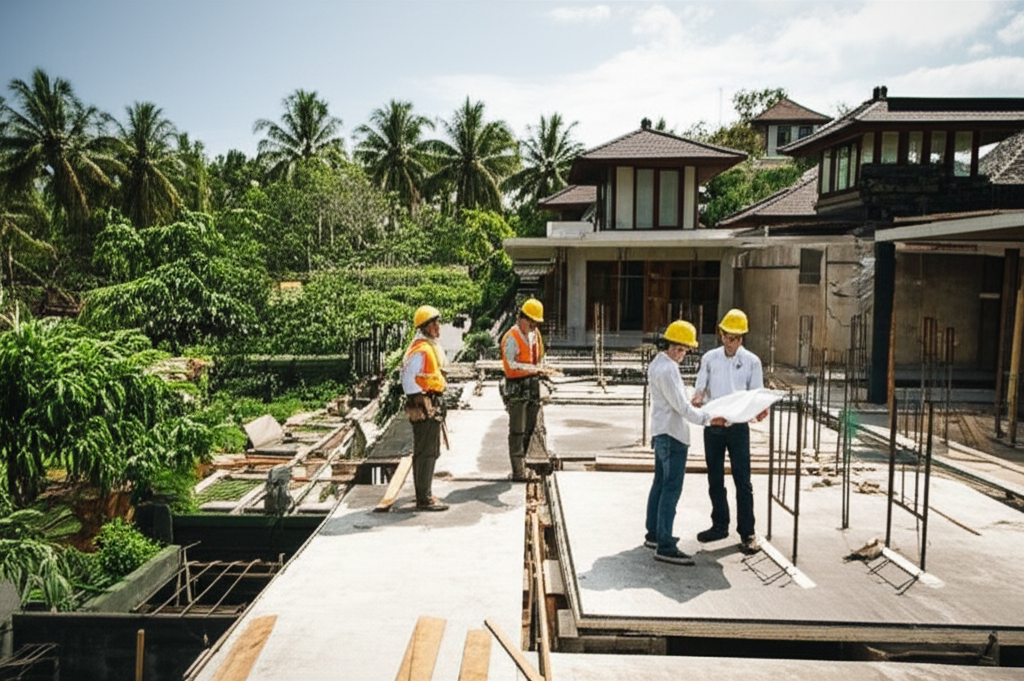
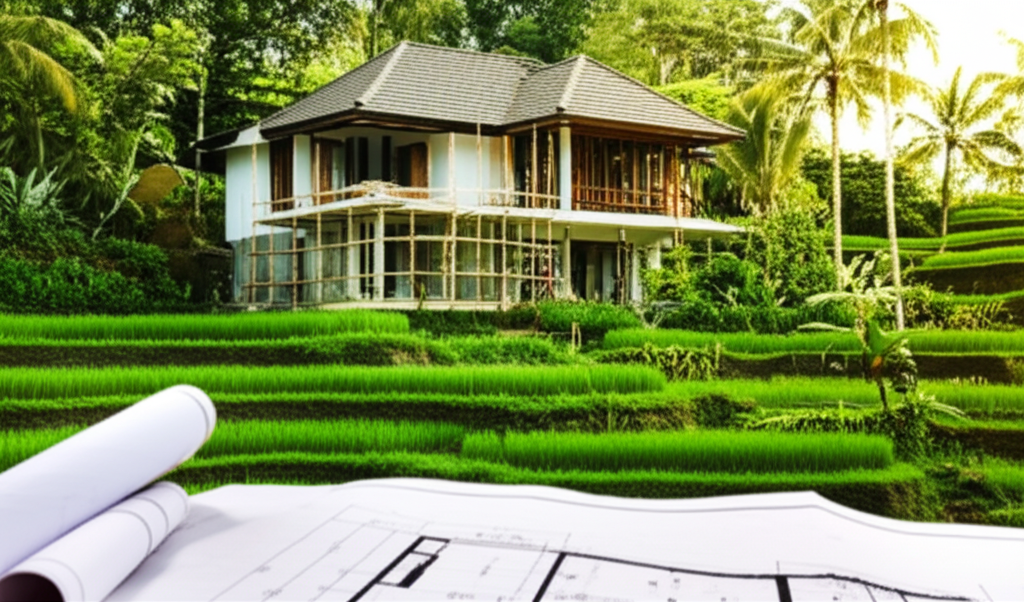
Moving from meticulous planning and inspired design, the creation of your Bali villa enters its tangible phase: expert construction. Here, blueprints transform into breathtaking structures, taking root in the paradisiacal landscape. The actual villa construction Bali demands a precise sequence of operations, unwavering attention to detail, and a deep understanding of local conditions. From groundbreaking to final exterior finishes, every stage is critical to ensure your dream home is not only aesthetically pleasing but also structurally sound and enduring.
The process begins with rigorous site preparation, a foundational step crucial in Bali’s unique terrain. This involves land clearing, establishing proper drainage for tropical rainfall, and meticulous surveying. Subsequently, vital foundation work commences. Given Bali’s diverse soil, selecting appropriate foundation technologies is paramount, ranging from traditional strip to complex pile foundations, all engineered for optimal stability and longevity. Professional installers ensure a robust base, resilient against seismic activity and prepared for subsequent structural loads.
Once foundations are laid, the structural development of your Bali villa construction begins to rise. This typically involves a robust framework of reinforced concrete, favored for its strength, durability, and resistance to tropical humidity. Steel reinforcement is meticulously placed and encased in high-quality concrete, forming the columns, beams, and slabs that define the building’s skeleton. This phase demands exceptional precision, adhering strictly to engineering specifications to guarantee structural integrity, providing a secure and long-lasting framework.
Following the structural shell, focus shifts to enclosing the villa with roofing and exterior finishes. Bali roofing blends practical climate considerations with aesthetic appeal, utilizing materials like traditional Balinese alang-alang, durable shingles, or contemporary flat roofs. The choice significantly impacts thermal comfort and architectural character. Exterior finishes bring the design to life, ranging from local natural stone and timber cladding to rendered and painted walls, reflecting Balinese artistry. These elements both protect the structure and contribute to the villa’s visual harmony.
Central to a successful Bali villa construction from start to finish is the strategic selection of reputable local contractors and project managers. These professionals possess invaluable insights into Indonesian building codes, local customs, and the nuances of working within the island’s environment. A seasoned general contractor, particularly one with a proven track record in residential Bali projects, navigates regulatory complexities and manages the build with expertise. Their familiarity with quality standards and ability to interpret designs into practical construction methods are indispensable. When seeking a general contractor for residential Bali, transparency, communication, and a comprehensive understanding of your vision are key.
Effective project management strategies are the bedrock of a smooth construction process, ensuring your Bali villa project stays on track and within budget. Rigorous budgeting, encompassing contingencies beyond initial quotes, is paramount. A detailed construction budget in Bali should account for all material costs, labor, permits, and administrative fees. Concurrently, a precise construction schedule provides a roadmap for the entire build. Experienced project managers monitor progress, anticipate delays, and proactively implement solutions, keeping stakeholders informed and the project advancing efficiently.
Beyond budgeting and scheduling, unwavering quality control measures are non-negotiable for a premium villa construction Bali. This involves regular site inspections by the project manager and often independent auditors, verifying material compliance and workmanship standards. Each stage, from concrete pouring to exterior finish installation, undergoes scrutiny. This proactive approach to construction quality control in Bali minimizes errors, reduces rework, and ultimately ensures the finished villa embodies the excellence envisioned, providing peace of mind that your investment is sound.
However, building in paradise presents unique challenges. Common hurdles include logistics, especially transporting specialized materials to remote sites, and sourcing specific materials. Labor management also has its dynamics, necessitating clear communication and cultural sensitivity. Expert oversight, typically provided by an experienced construction and project management in Bali team, is crucial for mitigation. Their local networks, problem-solving acumen, and adaptability ensure potential roadblocks are efficiently navigated, safeguarding build quality.
Ultimately, achieving high-quality results for your Bali villa construction from start to finish hinges on the synergy between expert design and impeccable execution. With a skilled team guiding every step – from precise site preparation and robust structural development to the nuanced application of roofing and exterior finishes – your vision is brought to life with precision and care. Meticulous management of budgeting, scheduling, and quality control, coupled with proactive problem-solving, ensures your villa in paradise is not merely a building but a testament to superior craftsmanship, ready to become your sanctuary.
From Completion to Paradise Furnishing and Living in Your Bali Villa
Upon the successful completion of your villa construction Bali, the focus transitions to the exhilarating phase of interior design and furnishing, transforming the robust structure into your personal paradise. This stage imbues your dream home with character, seamlessly blending architectural integrity with Bali’s rich cultural heritage and lush tropical environment. The objective is to create spaces that are not only aesthetically pleasing but profoundly functional, fostering a continuous connection between indoor comfort and outdoor serenity. Balinese design principles emphasize natural materials, exquisite craftsmanship, and an inherent fluidity between living areas, establishing an atmosphere of tranquil elegance throughout.
Central to achieving an authentic Balinese aesthetic is the integration of custom-made wooden furniture. Local artisans, celebrated for their generational skills, craft bespoke pieces from sustainable hardwoods such as teak or suar. These unique items often feature hand-carved details, reflecting traditional motifs or contemporary designs that resonate with the island’s vibrant artistic scene. From grand four-poster beds to elegant dining tables and comfortable lounge chairs, custom furniture ensures a perfect fit for your villa’s layout and design philosophy, while also supporting local expertise and preserving traditional crafts. Complementing these statement pieces, elements crafted from rattan, bamboo, and woven natural fibers introduce essential texture and warmth, enhancing the villa’s organic appeal. Integrating local artistry further enriches the interior; Bali, a global hub for creativity, offers an unparalleled array of artworks, textiles, and sculptures. Incorporating these elements allows your villa to narrate a unique story, deeply rooted in the island’s profound cultural tapestry. Hand-painted canvases, intricately woven batik fabrics, finely sculpted stone carvings, and distinctive ceramic pieces can instantly elevate any space into a captivating focal point, infusing your home with a profound sense of place and individuality. Crucially, the Balinese lifestyle blurs the lines between indoor and outdoor living, demanding the creation of inviting outdoor spaces. Expansive verandas, open-air lounges, and tranquil poolside gazebos become natural extensions of your interior. These areas are thoughtfully furnished with durable, weather-resistant materials, plush cushions, and comfortable seating, inviting perpetual enjoyment of the tropical climate and the soothing sounds of nature.
Beyond the expertly furnished interiors, the surrounding landscape is equally vital in crafting your private sanctuary. Meticulous landscaping is fundamental to seamlessly integrate your completed villa into Bali’s naturally verdant environment, ensuring it appears as an organic part of the ecosystem. This approach creates a harmonious natural setting that not only complements the architecture but significantly enhances the overall living experience. The goal is to cultivate a serene tropical ambiance that invites relaxation and a deeper connection with the natural world. The design of your outdoor spaces begins with a thoughtful plan that accounts for local microclimates, sunlight patterns, and desired privacy. Indigenous plants form the cornerstone of an authentic Balinese garden. Fragrant frangipani trees, graceful swaying palms, vibrant bougainvillea, and a rich variety of tropical ferns and heliconias thrive in the climate, embodying the classic Balinese garden aesthetic. These native species require less intensive care once established and contribute significantly to local biodiversity. Strategic planting also offers natural shade, reducing the need for excessive air conditioning and enhancing the villa’s sustainability. Varying plant heights and textures creates visual interest, while winding pathways invite leisurely exploration through the lush greenery. Water features are indispensable for achieving true tranquility. From natural stone ponds adorned with lotus flowers and darting fish to elegantly designed infinity pools that seem to merge with the horizon, water introduces both a calming auditory and a captivating visual dimension. Cascading waterfalls or serene reflection pools serve as powerful focal points, soothing the senses and drawing the eye. The harmonious blend of trickling water and rustling leaves amplifies the tropical ambiance, making your garden a genuine oasis. Thoughtfully placed outdoor lighting further enhances the appeal, illuminating pathways, highlighting botanical features, and creating a magical evening atmosphere, extending the beauty and utility of your garden after sunset. This meticulous exterior design, much like the expert construction from start to finish, underscores a commitment to unparalleled quality.
Owning a villa in Bali is a dream realized, but preserving its beauty, ensuring operational efficiency, and maintaining its value requires ongoing property management and diligent maintenance. This phase is dedicated to safeguarding your investment and maximizing your enjoyment of your tropical haven. Whether you envision full-time residency or leveraging it as an exclusive holiday retreat, a robust management strategy is absolutely critical for seamless living. Effective staffing is paramount for smooth operation. A dedicated and trustworthy team is essential to manage daily requirements, offering owners invaluable peace of mind. This team typically encompasses:
* Housekeeping staff: Responsible for maintaining impeccable cleanliness.
* Gardening staff: Crucial for tending to the vibrant tropical gardens.
* Security personnel: Providing an indispensable layer of safety and privacy.
* Villa Manager/Supervisor: Especially for rental properties, overseeing staff, bookings, maintenance, and guest relations.
Routine upkeep extends beyond daily tasks, mandating comprehensive, regular inspections of all critical systems—plumbing, electrical, air conditioning, and swimming pool filtration—to prevent minor issues from escalating into costly repairs. Preventive maintenance, such as pest control, roof inspections, and exterior repainting, is vital given the tropical climate’s impact on building materials. Establishing a clear budget and maintenance schedule, ideally with a trusted local property management firm, ensures your villa remains in exemplary condition. Such firms possess extensive networks of skilled local tradespeople and an intimate understanding of regional regulations, offering truly comprehensive construction services in Bali. Beyond personal enjoyment, your Bali villa can also be a significant investment opportunity. Many owners wisely capitalize on Bali’s flourishing tourism by offering their properties for short-term or long-term rentals, generating substantial income and attractive returns. For rental properties, proficient property management becomes even more critical, handling marketing, booking management, guest relations, and maintaining high service standards. A reputable team ensures your villa attracts discerning guests and achieves strong occupancy rates. Research into Bali’s dynamic rental market trends and potential profitability is highly recommended for sustained success for your Bali villa.
Embracing life in your custom-built villa in Bali, seamlessly integrated and meticulously designed, offers an unparalleled sense of joy and an extraordinary lifestyle. It stands as a profound testament to the entire journey of building your Bali dream, from initial vision to the exquisite final touches. This culmination truly represents a tangible slice of paradise, expertly crafted to perfection, poised for you to immerse yourself in the unique Balinese way of life.
Conclusions
Building a villa in Bali is a significant undertaking, but with the right expertise, it transforms into a rewarding journey. From navigating complex legalities and meticulous design to overseeing expert construction and final landscaping, every step contributes to creating your perfect tropical sanctuary. By embracing careful planning and collaborating with seasoned professionals, your dream Bali villa will not only materialize but also offer an unparalleled lifestyle amidst the island’s enchanting beauty.