Table of Contents
- Envisioning Your Balinese Sanctuary The Initial Dream and Vision
- Navigating the Legal Landscape and Land Acquisition in Bali
- Architectural Design and Sustainable Building Practices for Your Bali Villa
- The Construction Process From Groundbreaking to Finishing Touches
- Project Management Handover and Long-Term Maintenance for Your Bali Villa
- Conclusions
Embarking on the journey of villa construction in Bali is a thrilling prospect, promising a blend of tropical luxury and serene island living. This article provides an expert, start-to-finish guide, unveiling the intricacies of transforming your vision into a tangible architectural masterpiece. We will explore everything from initial planning and legalities to design principles and sustainable construction, ensuring your Bali villa becomes a reality built on solid foundations.
Envisioning Your Balinese Sanctuary The Initial Dream and Vision
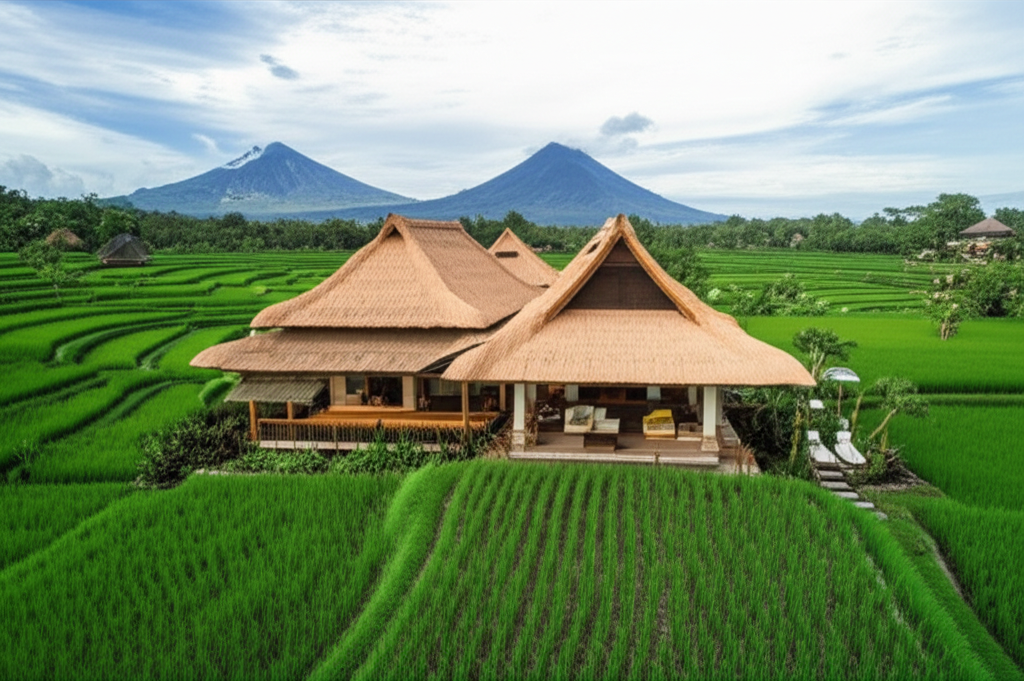
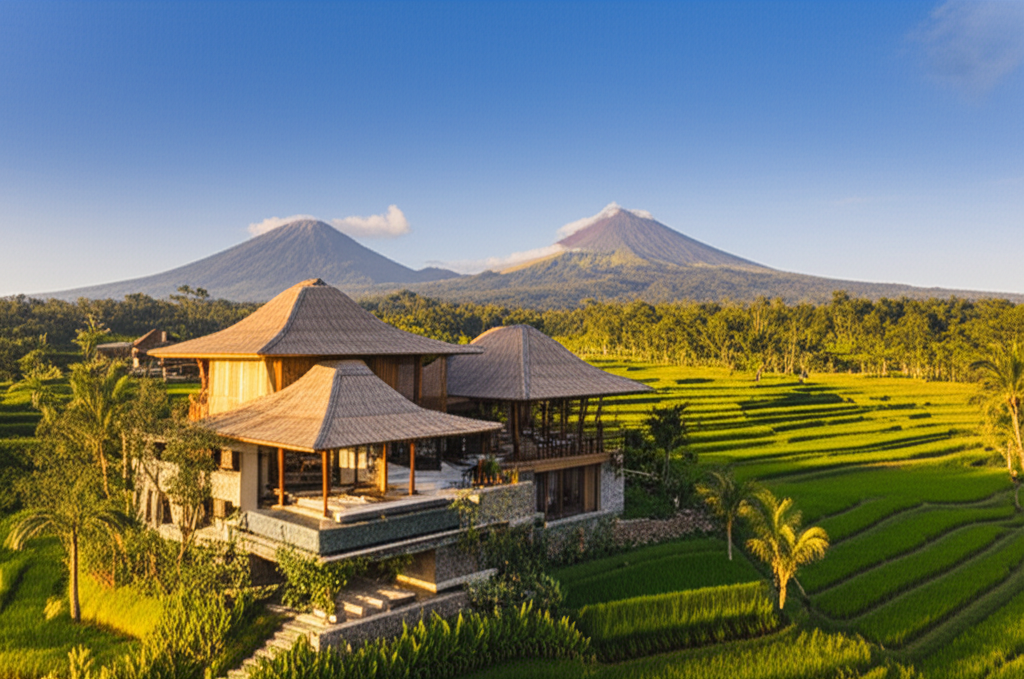
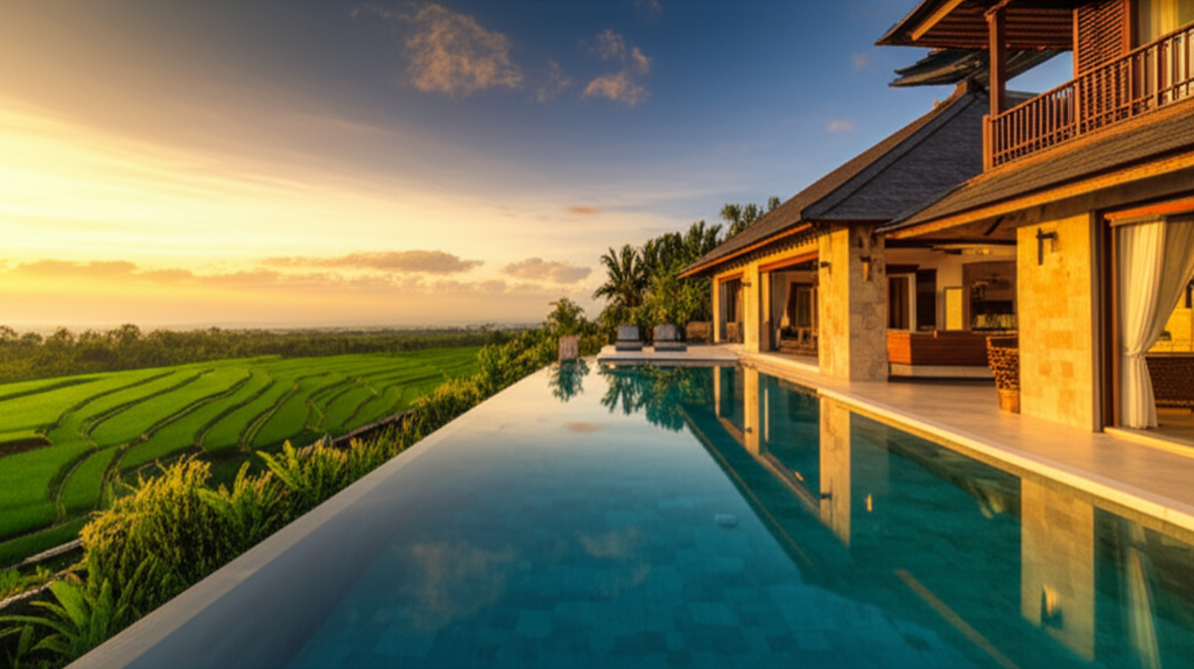
The journey of realizing Your Bali Villa Awaits: Expert Construction from Start to Finish begins not with blueprints or budgets, but with a vivid dream. It starts with the allure of Bali itself – the promise of a unique lifestyle, the compelling investment potential, or simply the profound desire to craft a truly bespoke home in paradise. Many are drawn by the island’s serene beauty, its vibrant culture, and the opportunity to wake up to lush rice paddies or the calming sounds of the ocean. This initial conceptualization phase for your villa construction Bali project is paramount, serving as the very bedrock upon which your future sanctuary will rise.
Defining this core vision demands thoughtful introspection. Begin by identifying your personal needs and aesthetic preferences. Do you envision a minimalist retreat, a testament to clean lines and understated elegance? Or perhaps a more traditional Balinese aesthetic, rich with intricate carvings, open pavilions, and seamless integration with nature? The increasingly popular tropical modern style, blending contemporary design with local materials and lush greenery, also offers a compelling option. Equally crucial is considering the intended use of your villa. Will it be a private residence, a tranquil haven for personal escapes, or primarily a rental property designed to maximize investment returns? A hybrid approach, offering both personal enjoyment and rental income, is also a popular choice. Each intended use has significant implications for design, amenities, and operational planning.
Establishing a preliminary budget and realistic timeline expectations early on is a critical step in this envisioning process. While these figures will evolve, an initial framework prevents costly surprises down the line. Simultaneously, begin researching desirable locations within Bali. Areas like Seminyak and Canggu offer vibrant energy and strong rental markets, while Ubud promises cultural immersion and serene landscapes. The Bukit Peninsula boasts stunning cliffside views, ideal for luxury escapes. Each region possesses unique characteristics that will profoundly influence your construction possibilities and lifestyle. A clear vision, refined through these considerations, is the indispensable foundation for a successful expert construction from start to finish project. This meticulous early planning is not just an exercise in imagination; it’s a strategic investment that ultimately saves considerable time and resources in the subsequent, more complex stages of development. It ensures that your Bali villa will be a true reflection of your dream, perfectly harmonized with the island’s natural splendor and cultural richness.
Navigating the Legal Landscape and Land Acquisition in Bali
Navigating the legal landscape and land acquisition is a critical initial step for any villa construction Bali project, transforming your initial vision into a tangible reality. Understanding the intricacies of Indonesian land law is paramount, especially for foreign investors seeking to build their dream home in paradise. In Bali, two primary land ownership options exist: Freehold (Hak Milik) and Leasehold (Hak Sewa). Freehold title grants full ownership rights, similar to Western concepts, but is generally reserved for Indonesian citizens and legal entities. Foreign investors typically opt for Leasehold agreements, which allow for the long-term use and development of land, often for durations of 25 to 30 years, with options for extension. This structure provides a secure basis for investment, but it is crucial to clearly define terms and renewal clauses in the lease agreement to ensure a smooth future for your Bali property investment.
Once land acquisition is underway, obtaining the necessary building permits is the next vital stage in your expert construction from start to finish journey. The primary permit required is now known as Persetujuan Bangunan Gedung (PBG), which replaced the previous Izin Mendirikan Bangunan (IMB). The PBG process is comprehensive, requiring detailed architectural drawings, structural calculations, and often environmental impact assessments (UKL-UPL or AMDAL for larger projects) to be submitted to the local government. This ensures your proposed construction adheres to local standards and regulations. The application steps involve thorough documentation, official reviews, and a general timeline that can vary depending on the complexity of the project and the local authority’s caseload. Engaging experienced local consultants is highly recommended to navigate this bureaucratic process efficiently.
Zoning regulations, known as Rencana Tata Ruang Wilayah (RTRW), significantly influence where and what you can build. These laws dictate specific land uses, such as residential zones, tourism zones, green belt areas, and agricultural land. It is imperative to verify the zoning classification of your chosen plot, as restrictions on building height, setbacks from property lines, rivers, and roads are strictly enforced. Building in a green belt or agricultural zone, for instance, is often prohibited or heavily restricted, underscoring the importance of due diligence. Additionally, environmental considerations play an increasing role in Bali’s construction landscape. Projects, particularly larger developments or those in sensitive coastal or mountainous regions, may require specific environmental permits or assessments to ensure minimal ecological impact and promote sustainable practices.
Before any commitment to land acquisition, thorough due diligence is non-negotiable. This critical step involves a comprehensive investigation of the property, including verifying the authenticity of land certificates with the National Land Agency (BPN), conducting detailed land surveys to confirm boundaries, and checking for any existing encumbrances such as mortgages, disputes, or shared access rights. It’s also vital to confirm the land’s zoning classification aligns with your construction aspirations. Skipping this phase can lead to significant legal complications, delays, and financial losses down the line, turning your dream into a nightmare. A reputable legal team and a professional land surveyor are indispensable partners in this phase, ensuring a secure foundation for your Bali construction project and the beginning of your expert construction from start to finish journey.
Architectural Design and Sustainable Building Practices for Your Bali Villa
Now that the legalities are understood, the exciting phase of bringing your vision to life begins with the architectural design and sustainable building practices for your Bali villa. The island’s unique charm influences prevalent architectural styles, ranging from the timeless elegance of traditional Balinese influences, characterized by intricate carvings, open pavilions, and harmonious integration with nature, to the sleek lines of tropical modern and contemporary designs that blend seamlessly with the lush environment. These styles often prioritize an immersive indoor-outdoor living experience, achieved through expansive glass doors, open-plan layouts, and strategically placed outdoor spaces that invite the tropical breeze and natural light.
Optimizing natural light and ventilation is paramount not only for comfort but also for reducing energy consumption, making strategic window placement and high ceilings essential design principles. Incorporating local materials like natural stone, various hardwoods such as teak, and traditional thatch (alang-alang) further grounds the villa in its Balinese setting, enhancing its aesthetic appeal and cultural authenticity.
A commitment to sustainable construction practices is increasingly vital for any Bali villa construction. This involves thoughtful integration of systems such as rainwater harvesting and greywater recycling, which significantly reduce water consumption, a valuable resource. The tropical sun offers an abundant source for solar energy integration, whether for powering the villa or heating water, thereby minimizing reliance on conventional energy sources and reducing utility costs. Passive cooling techniques are crucial for maintaining comfort without excessive air conditioning; this includes strategic building orientation to minimize direct sun exposure, generous roof overhangs that shade walls and windows, and maximizing cross-ventilation throughout the structure. Utilizing locally sourced, environmentally friendly materials not only supports the local economy but also reduces the carbon footprint associated with transportation. Furthermore, meticulous waste management on site, focusing on reduction, reuse, and recycling, ensures the construction process is as eco-conscious as possible. For those looking for smart solutions, consider exploring options for innovative construction in Bali.
When considering structural integrity and material selection, it is imperative to design for Bali’s tropical conditions, which include high humidity and heavy rainfall. Robust structural design, often involving reinforced concrete, is critical to ensure the longevity of your villa. Given Bali’s location in a seismically active region, earthquake considerations are a significant factor in the design process, necessitating adherence to stringent building codes and engineering standards to ensure the safety and resilience of the structure. Selecting durable, high-quality materials that can withstand these environmental challenges, such as treated timbers, corrosion-resistant fixtures, and appropriate roofing solutions, is a non-negotiable aspect of expert construction from start to finish.
Bringing your architectural vision to fruition requires engaging design professionals. Architects are pivotal in translating your dreams into tangible blueprints, ensuring structural soundness, aesthetic harmony, and compliance with local regulations. Interior designers work to create cohesive, functional, and aesthetically pleasing indoor spaces that reflect your personal style while complementing the Balinese ambiance. Lastly, landscape architects play a crucial role in harmonizing the villa with its natural surroundings, designing inviting outdoor living areas, swimming pools, and gardens that enhance the property’s beauty and provide a sense of tranquil paradise. Their combined expertise ensures both aesthetics and functionality in a villa construction Bali project, moving the project from start to finish with thoughtful planning and execution. For comprehensive assistance, it’s beneficial to partner with a team offering build and design services in Bali. Investing in high-end residential construction in Bali guarantees a property that is both beautiful and built to last.
The Construction Process From Groundbreaking to Finishing Touches
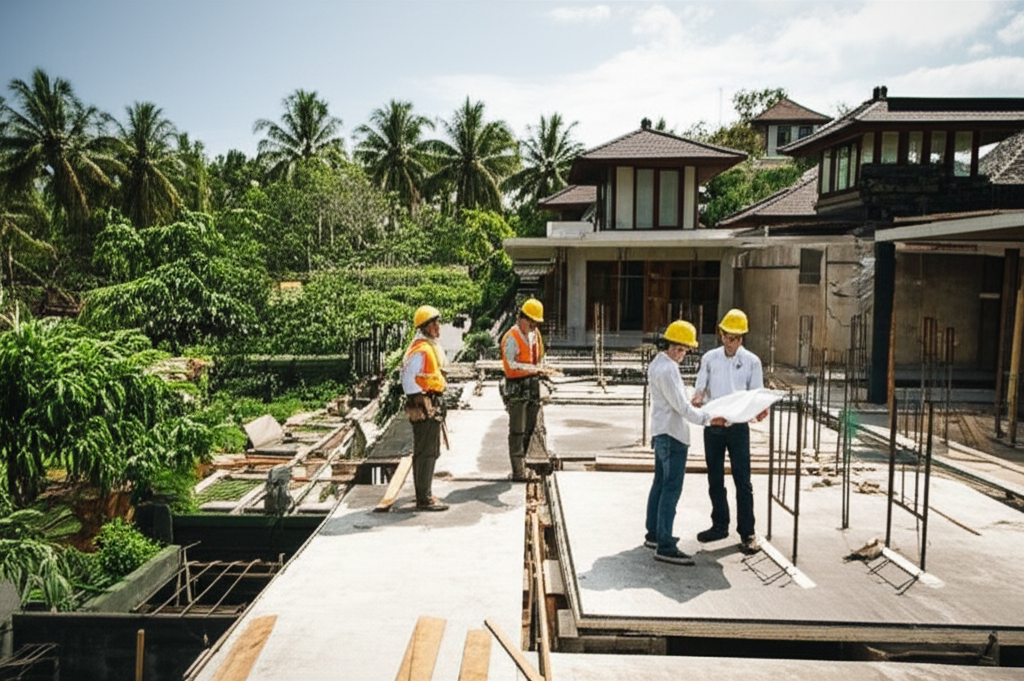
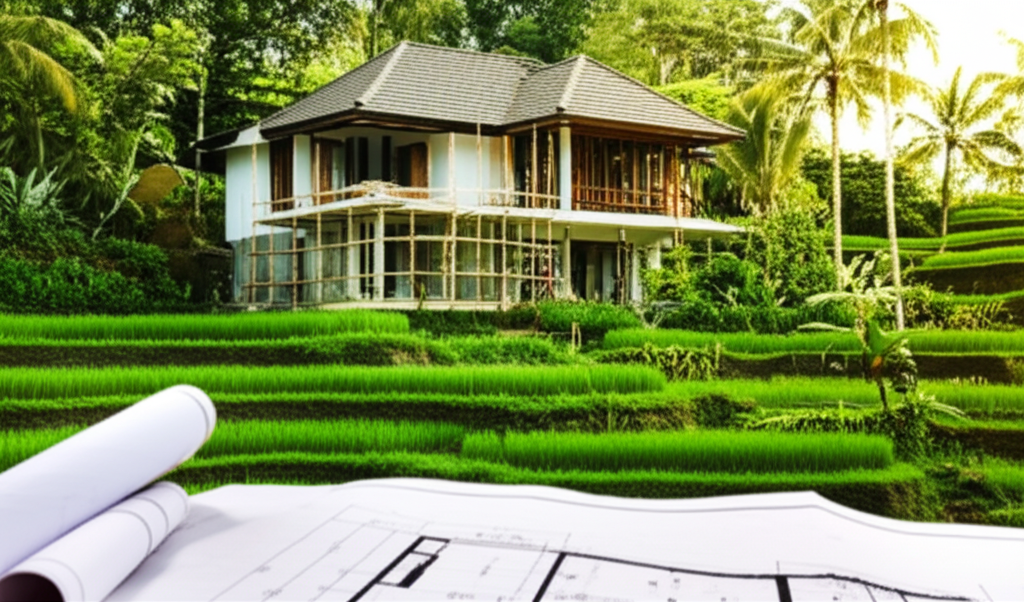
The journey of building your Bali villa moves from conceptualization into tangible reality through a meticulously planned and executed construction process. This phase requires expert coordination and a deep understanding of local conditions to transform blueprints into a stunning home from start to finish.
The initial stage, Site Preparation and Foundation Work, is critical. This involves clearing the land, which in Bali can mean navigating dense tropical vegetation or uneven terrain. Thorough excavation then follows, accounting for Bali’s diverse soil types, ranging from volcanic to sandy or clay-rich earth. Understanding these characteristics through professional soil testing is paramount for designing a stable foundation. Proper groundwork also includes establishing robust drainage systems, an essential consideration given Bali’s heavy rainfall, to prevent future water damage and ensure the longevity of your property. For a strong start, engaging professional foundation installers in Bali is indispensable.
Next, the Structural Framework takes shape. This is where the core strength of your villa is established through the construction of columns, beams, and the initial roofing structure. Given Bali’s seismic activity, reinforced concrete structures are commonly employed, designed to provide resilience and stability. The quality of steel reinforcement and its correct installation are not negotiable. This phase demands precision and adherence to structural engineering principles to ensure the building can withstand tropical conditions and environmental factors. Prioritizing building with strength structural construction in Bali ensures peace of mind.
Following the main framework, the Walls and Roofing are erected. Internal and external walls are built using materials chosen for their durability and aesthetic appeal, such as brick, lightweight concrete, or natural stone, often complemented by traditional Balinese accents. The roofing materials are selected not only for their visual impact but also for their ability to protect against the tropical climate, incorporating features like ample overhangs for shade and proper ventilation to dissipate heat. Expert waterproofing is integrated at this stage to safeguard the structure against moisture ingress.
The installation of Mechanical, Electrical, and Plumbing (MEP) systems is a complex but vital stage. This encompasses all wiring, piping, air conditioning, and ventilation systems. Adherence to local safety regulations and international standards is rigorously maintained. Proper grounding for electrical systems, efficient water distribution, and effective wastewater management are key considerations. Skilled technicians ensure all systems are seamlessly integrated for optimal functionality and comfort, truly moving beyond the walls with expert MEP engineering in Bali.
As the structure becomes complete, the Finishing Work begins, bringing your villa to life. This includes laying flooring (from natural stone to polished concrete or timber), intricate tiling in bathrooms and kitchens, and applying weather-resistant paints. Bespoke carpentry for doors, windows, and built-in furnishings, often crafted from locally sourced timbers, adds unique character. The installation of fixtures and fittings marks the refinement of both interior and exterior spaces, showcasing the vision from the design phase. This stage often benefits from the best interior design contractors in Bali.
Concurrently, Landscaping and Outdoor Spaces are developed. This involves designing and executing lush gardens, inviting swimming pools, pathways, and various outdoor living areas that seamlessly blend with the natural surroundings. Considerations for proper drainage, irrigation, and the selection of indigenous plants suitable for Bali’s climate are paramount to creating a harmonious outdoor oasis.
Throughout every stage, Quality Control and Inspections are paramount. Regular site visits by project managers and independent inspectors ensure adherence to approved plans and building codes. Comprehensive quality assurance checks are performed on materials and workmanship from delivery to installation. This continuous oversight, part of construction quality control in Bali, is crucial for identifying and rectifying any issues promptly, guaranteeing that every element of your Bali villa is built to the highest standards.
Project Management Handover and Long-Term Maintenance for Your Bali Villa
With the physical structure of your Bali villa expertly erected and the intricate finishing touches applied, the journey shifts towards ensuring its successful completion, smooth handover, and sustained longevity. This crucial phase of expert construction from start to finish hinges on meticulous project management, followed by a proactive approach to long-term maintenance, guaranteeing your investment remains a paradise for years to come.
Effective project management begins long before the final nail is hammered, starting with the careful selection and management of your contractors. Choosing a reliable contractor in Bali requires thorough due diligence, including scrutinizing their portfolio, checking references, and assessing their local experience with tropical builds. Beyond competitive bids, prioritize transparency, clear communication channels, and a comprehensive contract that outlines the scope of work, payment schedules, and dispute resolution mechanisms. Regular site meetings, detailed progress reports, and a designated point of contact are indispensable for keeping everyone aligned and addressing issues promptly.
Budget and timeline management are the twin pillars of a successful project. Implement rigorous systems for monitoring expenditures, ensuring every Rupiah spent aligns with the approved budget. Maintaining a clear cash flow statement and regularly comparing actual costs against projections will highlight potential overruns early, allowing for timely adjustments. Similarly, adherence to the project schedule demands constant vigilance. Utilize critical path analysis to identify interdependent tasks, conduct frequent progress reviews, and implement contingency measures to mitigate delays caused by unforeseen circumstances, such as material supply chain interruptions or adverse weather conditions. For a deeper understanding of financial planning, explore managing your budget effectively.
Risk management is proactive problem-solving. Anticipate potential challenges – from material delays and labor shortages to unexpected ground conditions or changes in local regulations – and develop robust contingency plans. This might involve identifying alternative suppliers, allocating a buffer in both budget and timeline, and maintaining open lines of communication with all stakeholders to quickly adapt to evolving situations. A well-prepared approach minimizes stress and keeps your Bali villa construction project on track.
The culmination of the build is marked by final inspections and the official handover. This critical stage involves comprehensive quality checks, where every aspect of the villa, from structural integrity to MEP systems and aesthetic finishes, is meticulously inspected. Develop a detailed snag list (or punch list) documenting any defects or incomplete items that require rectification before acceptance. Crucially, ensure all necessary completion certificates, such as the PBG (Persetujuan Bangunan Gedung) and SLF (Sertifikat Laik Fungsi), are obtained from the relevant authorities. The official handover includes the transfer of all critical documents, warranties, keys, and operational manuals, providing you with full control and peace of mind. For insights into regulatory compliance, see obtaining completion certificates.
Post-construction, your beautiful Bali villa requires ongoing care to preserve its pristine condition and functionality. Establishing a routine maintenance schedule is paramount, especially given Bali’s tropical climate. This includes regular checks for moisture, mold, and mildew, along with treatments for wooden elements to prevent rot and pest infestation. Effective pest control, particularly against termites and mosquitoes, is essential. Property security, whether through staff, CCTV systems, or smart home technology, is another vital consideration. If you plan to rent out your villa or simply prefer assistance, managing staff for cleaning, gardening, and general upkeep will be a key aspect of your long-term ownership. Finally, understand the specifics of your contractor’s warranty and consider engaging in a long-term maintenance agreement for comprehensive after-sales support. This holistic approach ensures your new Bali villa construction remains a cherished home in paradise for many years.
Conclusions
Building your Bali villa is a journey of meticulous planning, expert execution, and a deep appreciation for the island’s unique charm. By understanding the legal landscape, embracing sustainable design, and partnering with experienced professionals, you can navigate the construction process with confidence. Your dream home, a sanctuary of bespoke design and tropical elegance, awaits its completion, promising a lifetime of unparalleled island experiences.