
Table of Contents
- Initial Planning and Legal Foundations for Your Bali Villa
- Designing Your Dream Bali Villa The Architectural Vision
- Expert Construction Phases Building Your Bali Villa
- Finishing Touches and Handover Creating Your Bali Sanctuary
- Conclusions
Embark on the journey of a lifetime by constructing your dream villa in Bali, a paradise known for its stunning landscapes and vibrant culture. This article provides an expert guide to Bali villa construction, covering everything from initial planning and legalities to design, build, and finishing touches. Discover how to navigate the process seamlessly, ensuring your bespoke Balinese sanctuary is built to perfection, embodying both luxury and local charm.
Initial Planning and Legal Foundations for Your Bali Villa
Embarking on the journey of villa construction Bali requires a meticulous approach, particularly concerning the foundational legal and planning stages. For foreign investors and dreamers looking to establish a presence in paradise, understanding the intricacies of Indonesian property law is paramount. This initial phase is not merely about selecting a plot of land; it’s about laying a secure legal groundwork that will safeguard your investment and ensure a smooth construction process for your Bali villa awaits: expert construction from start to finish.
Land acquisition for foreigners in Indonesia is primarily facilitated through specific long-term usage rights rather than outright freehold ownership (Hak Milik), which is generally reserved for Indonesian citizens. The two most common and secure methods for foreigners to acquire land for development are leasehold (Hak Sewa) and right to use (Hak Pakai). Leasehold, or Hak Sewa, involves leasing land from an Indonesian landowner for a predetermined period, typically ranging from 25 to 30 years, with options for extension. This arrangement is widely preferred due to its straightforward nature and flexibility. Under a leasehold agreement, you gain the exclusive right to use and develop the land for the duration of the lease, including the ability to build and own structures on it. It’s crucial that the lease agreement clearly outlines renewal terms, rental payments, and any specific conditions for the land’s use. Thorough due diligence is essential to verify the landowner’s rights and ensure the land is free from disputes or encumbrances. The long-term security offered by a properly executed leasehold agreement provides a stable platform for your villa construction project, making it a popular choice for foreign developers.
Alternatively, the right to use (Hak Pakai) offers a stronger, albeit more complex, form of land tenure for foreigners. Hak Pakai grants an individual or legal entity the right to use and/or collect produce from state land or land owned by another party, which typically includes the right to build. For foreign individuals, Hak Pakai can be granted for a period of up to 30 years, extendable for another 20 years, and potentially renewed for an additional 30 years, totaling a maximum of 80 years. This right is registrable with the National Land Agency (BPN) and provides a higher degree of legal certainty compared to leasehold, as it is directly issued by the state or granted by a freehold owner. It’s often used for larger investments or when a foreigner establishes a PT PMA (foreign-owned company) in Indonesia, which can then hold the Hak Pakai title. Understanding the nuances between these two options is vital, and the choice will depend on your specific investment goals, risk tolerance, and the long-term vision for your Bali villa.
Regardless of the chosen land acquisition method, engaging local legal counsel and a reputable Notaris (public notary) from the outset is not merely advisable; it is absolutely indispensable. A qualified legal team will conduct comprehensive due diligence on the land title, verify its zoning designation (Izin Lokasi), and ensure that all contractual agreements—from the initial land lease or Hak Pakai arrangement to construction contracts—are legally sound, transparent, and fully compliant with Indonesian law. The Notaris plays a critical role as an impartial public official responsible for authenticating and registering all legal documents related to property transactions and corporate formations. Their involvement ensures the legality and enforceability of your agreements, preventing future disputes and safeguarding your investment. This is a non-negotiable step to navigate the complexities of Bali building regulations and secure your interests.
Once the land acquisition is legally solidified, the next major hurdle is obtaining the necessary construction permits. Indonesia has recently streamlined its permitting process, with the Persetujuan Bangunan Gedung (PBG) now serving as the primary permit required before any construction can commence. The PBG has replaced the former Izin Mendirikan Bangunan (IMB) and is a crucial document that certifies that your building plan complies with spatial planning regulations, building codes, and safety standards. The application for a PBG involves submitting detailed architectural, structural, and mechanical-electrical-plumbing (MEP) drawings, along with a comprehensive technical study, to the local government’s Public Works and Spatial Planning Office. This process is rigorous and requires expert input from architects and engineers to ensure all technical specifications meet the required standards. Obtaining the PBG is a foundational step, as building without it can lead to severe penalties, including demolition orders or hefty fines. It ensures that your villa construction Bali adheres to all legal and safety stipulations from the very beginning.
Following the successful completion of construction and before the villa can be legally occupied, the Sertifikat Laik Fungsi (SLF), or Certificate of Building Worthiness, must be obtained. The SLF is the final stamp of approval, confirming that the constructed building is safe, functional, and in full compliance with the approved PBG and all relevant building standards and environmental requirements. This permit is issued after a thorough inspection by government authorities to verify that the completed structure aligns with the approved plans and meets all safety, health, and comfort criteria for occupancy. The process typically involves a detailed inspection of the structural integrity, fire safety systems, electrical installations, plumbing, and general readiness for habitation. Securing the SLF is critical not only for legal occupancy but also for utility connections and ensures the long-term value and safety of your investment. It’s a testament to a compliant and secure foundation for your Bali villa, allowing you to confidently enjoy your newly built paradise. Engaging a knowledgeable general contractor in Bali who is well-versed in navigating these permitting processes is invaluable.
Designing Your Dream Bali Villa The Architectural Vision
Designing Your Dream Bali Villa: The Architectural Vision
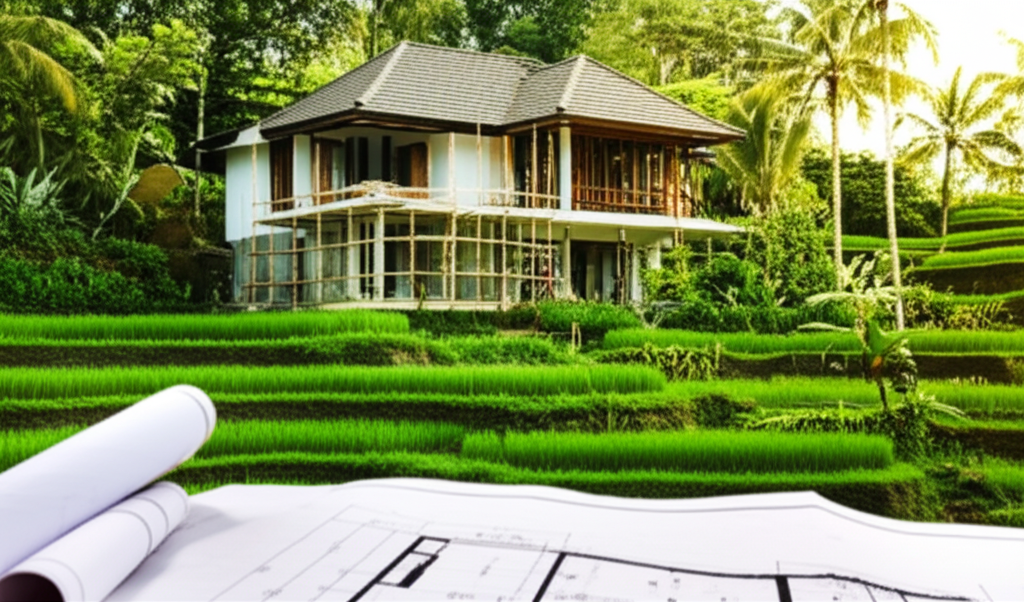
Once the foundational legalities and initial planning for your Bali villa have been meticulously handled, the true creative journey begins with the architectural vision. This phase is where your aspirations for a tropical sanctuary take tangible form, transforming abstract ideas into a detailed blueprint for your future home. The architectural design is paramount to the success of your expert construction from start to finish project, blending aesthetic desires with practical considerations for Bali’s unique climate and cultural context.
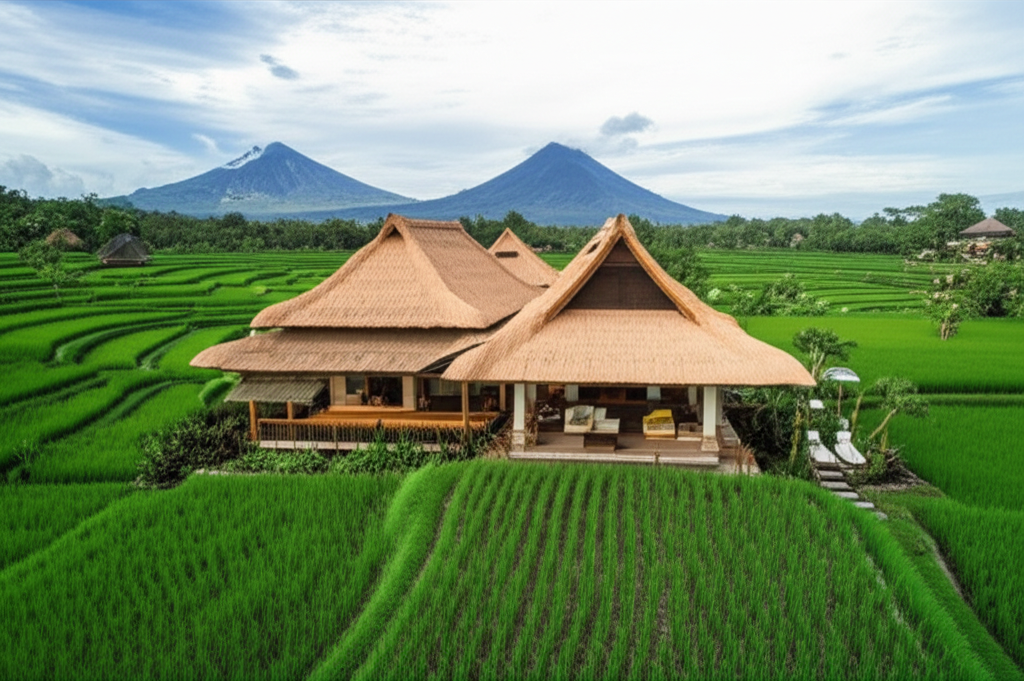
Bali’s rich heritage and stunning natural environment have given rise to distinctive architectural styles, primarily categorized into traditional Balinese and modern tropical architecture. Understanding these styles and their underlying philosophies is crucial for informing your design choices. Traditional Balinese architecture is deeply rooted in the concept of Tri Hita Karana – harmony between humans, nature, and the spiritual realm. This philosophy translates into designs that emphasize open-plan living, seamlessly integrating indoor and outdoor spaces. Key features include expansive courtyards, airy open-sided pavilions known as *bale*, and strategically placed openings that promote natural cross-ventilation, keeping interiors cool without heavy reliance on air conditioning. Natural, locally sourced materials are central to this style, with intricate carvings often adorning wooden elements, stone facades, and vibrant gardens that become extensions of the living areas. The use of materials like *alang-alang* (thatch) for roofing, river stone, and various local hardwoods not only grounds the villa in its surroundings but also contributes to its inherent thermal comfort. These designs are a testament to living in concert with the environment, offering a tranquil and authentic Balinese experience.
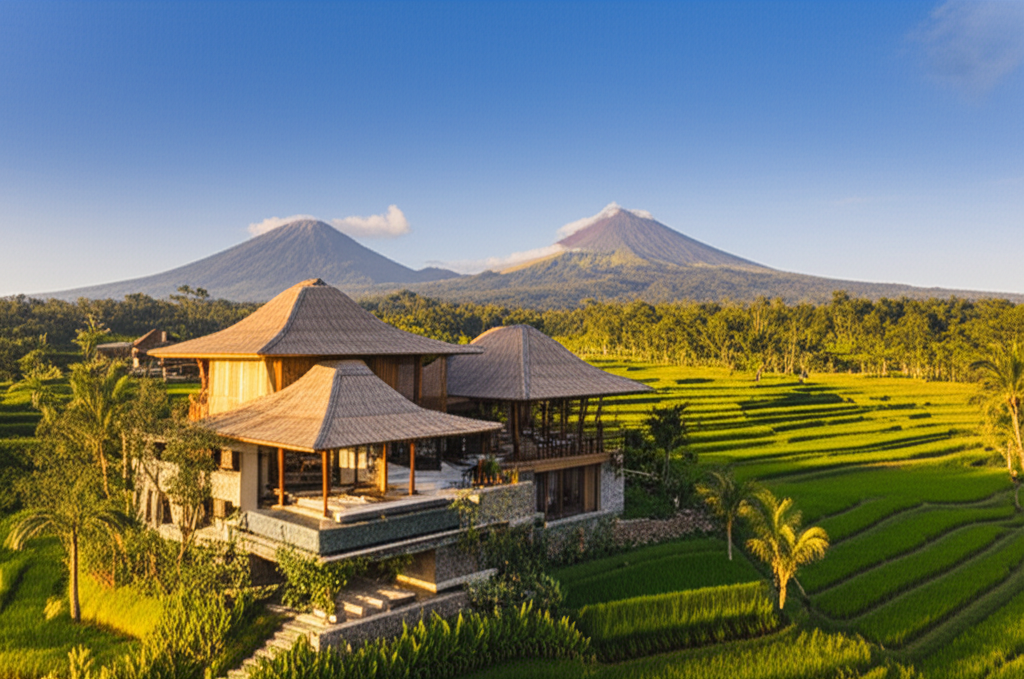
In contrast, modern tropical architecture offers a contemporary interpretation of island living. It embraces clean lines, minimalist aesthetics, and expansive glazing to maximize views and natural light, while still prioritizing climate-responsive design. This style often incorporates large roof overhangs that provide crucial shade from the intense equatorial sun and protection from heavy rains, characteristic of the tropical climate. Strategic placement of windows and doors, along with clever manipulation of building orientation, ensures optimal cross-ventilation, maintaining a comfortable interior temperature. Materials might include a blend of natural stone, exposed concrete, steel, and glass, often softened by lush landscaping and integrated water features such as infinity pools or decorative ponds, which further enhance the cooling effect. Modern tropical designs aim for a sophisticated yet comfortable dwelling that harmonizes with the natural beauty of Bali while offering contemporary amenities and a sleek aesthetic. Deciding between these styles, or opting for a thoughtful fusion of both, will largely dictate the character and ambiance of your dream villa.
The cornerstone of a successful architectural vision is the selection of an experienced architect. It is not enough to find a talented designer; for villa construction Bali, you need an architect intimately familiar with local building codes, Balinese aesthetics, and the specific challenges of designing in a tropical environment. An architect well-versed in the nuances of Bali will guide you through optimizing passive cooling strategies, harnessing natural light, and selecting materials that withstand the humidity and potential seismic activity. They will also understand how to respectfully integrate your villa into the local landscape and cultural context, a crucial aspect often overlooked by those unfamiliar with the island. Seeking architectural services for your Bali build from a firm with a proven track record on the island will pay dividends in both design integrity and project efficiency.
Before any lines are drawn, a comprehensive site analysis is indispensable. This goes beyond merely assessing the size and shape of your plot. A skilled architect will conduct a thorough investigation into the site’s topography, understanding its contours and natural drainage patterns. They will study the sun path throughout the year to strategically orient the building for optimal natural light and shade, mitigating direct sun exposure. Understanding prevailing wind patterns is critical for designing effective cross-ventilation systems. Existing vegetation, such as mature trees, can be integrated into the design to provide natural shade and enhance privacy, or carefully removed and repurposed if necessary. The goal is to optimize breathtaking views of the ocean, rice paddies, or volcanoes while simultaneously ensuring natural light penetration and effective climate control. This meticulous analysis ensures that the villa is not merely built *on* the land, but *with* it, fostering a deep connection to its surroundings.
Finally, the architectural vision must embrace sustainable design practices and the intelligent selection of appropriate, durable materials. In a world increasingly conscious of environmental impact, a Bali villa designed with sustainability in mind offers both ecological benefits and long-term cost savings. This includes implementing passive cooling techniques that reduce reliance on energy-intensive air conditioning, designing for effective rainwater harvesting and greywater recycling systems, and choosing materials that are locally sourced, renewable, or recycled. Beyond environmental considerations, durability is paramount in Bali’s tropical climate. Materials must be able to withstand high humidity, heavy rainfall, potential seismic activity, and resist pests like termites. Employing robust materials such as reinforced concrete for structural elements, high-quality local stone like *paras* or river stone for cladding, sustainably harvested hardwoods like teak or ironwood, and modern, weather-resistant finishes will ensure your villa stands the test of time. Exploring sustainable structures Bali will guide you towards an eco-conscious and resilient build. This holistic approach to design ensures that your Bali villa is not only aesthetically pleasing but also functional, environmentally responsible, and a lasting testament to thoughtful construction. This meticulous architectural planning lays the groundwork for the subsequent construction phases, ensuring a cohesive and well-executed project from inception to completion.
Expert Construction Phases Building Your Bali Villa
Bringing your Bali villa to life transitions from the architectural vision into a meticulously managed series of physical construction phases. This journey demands expert execution at every turn, ensuring that the finished structure not only embodies your dream aesthetic but also stands resilient against Bali’s tropical environment. The initial and arguably most critical phase commences with thorough site preparation and foundation work. Given the island’s unique soil conditions, often influenced by volcanic activity and high humidity, a robust and expertly engineered foundation is paramount. This involves careful excavation, soil testing, and the installation of appropriate footings and slab systems designed to provide an unyielding base. Choosing professional foundation installers in Bali who understand these local geological nuances is crucial for the long-term stability and integrity of your villa. The foundation is not merely a base; it is the anchor that withstands seismic activity and heavy monsoon rains, making its precise construction a cornerstone of your overall solid structure foundation in Bali.
Once the foundation is established, the focus shifts to erecting the structural framework. This involves the careful construction of columns, beams, and load-bearing walls that define the building’s shape and provide its core strength. Whether opting for reinforced concrete, steel, or a hybrid system, adherence to international building codes and rigorous quality control are non-negotiable. Following the framework, the roofing phase begins. In Bali’s climate, the roof serves a dual purpose: aesthetic appeal and crucial protection against sun and rain. Options range from traditional alang-alang thatch, requiring specialized installation and maintenance, to more modern, durable materials like ceramic tiles or metal roofing, all designed to offer optimal insulation and water resistance. Optimal roofing solutions for Bali’s tropical climate are a key consideration for both comfort and longevity.
Concurrently with the structural work, essential Mechanical, Electrical, and Plumbing (MEP) installations are meticulously integrated. This involves laying out the intricate networks of wiring for electricity, piping for water supply and drainage, and ducting for air conditioning and ventilation. Expert MEP engineering ensures efficiency, safety, and seamless functionality for your villa. Proper planning and installation at this stage prevent costly rectifications later. Imagine a perfectly designed villa without adequate power points, efficient water pressure, or effective climate control—the experience would be severely diminished. Therefore, collaborating with expert MEP engineering in Bali is vital to guarantee that your villa is not only beautiful but also fully functional and comfortable.
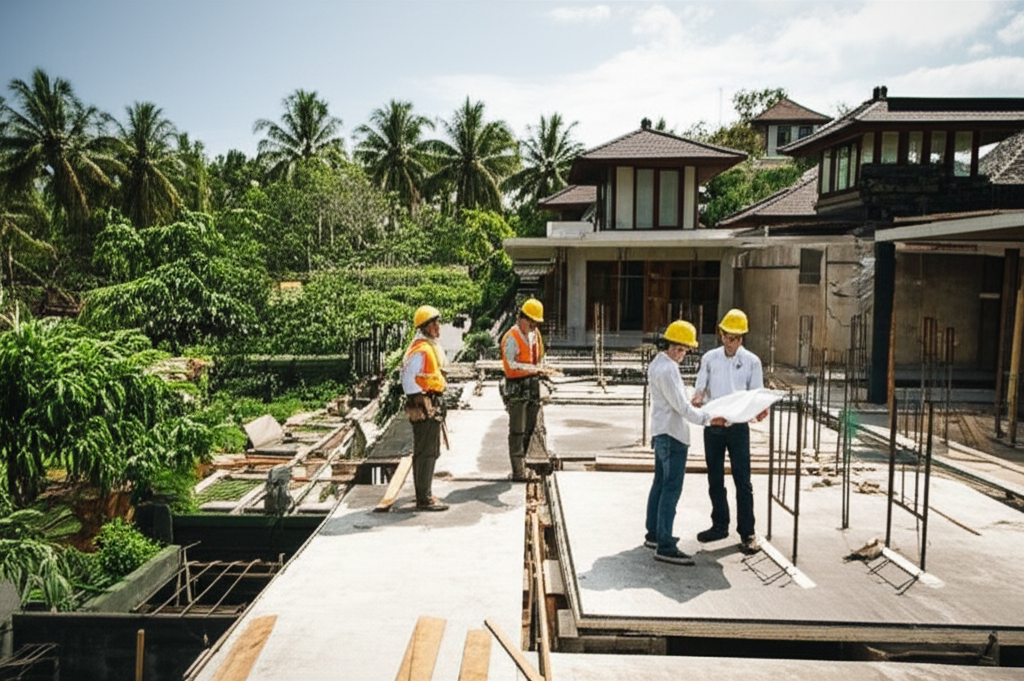
Throughout these technical phases, robust project management is the backbone of a successful Bali villa construction. This encompasses precise budgeting, strict timeline adherence, and unwavering quality control at every stage. A detailed budget, established early with your chosen contractor, acts as a living document, tracking all expenditures and anticipating potential variations. Maintaining a realistic and well-managed construction project schedule is equally important, as delays can significantly impact costs and your anticipated move-in date. Most importantly, continuous quality control, through regular site inspections and material checks, ensures that construction meets both international standards and your specific requirements for your expert construction from start to finish project. This vigilance prevents costly rework and guarantees the durability and aesthetic integrity of your investment.
The success of your Bali villa project hinges significantly on selecting reliable local builders and contractors. Look for partners with a proven track record in Bali, evidenced by a portfolio of successfully completed villas and positive client testimonials. A reputable premier general contractor in Bali will possess an intimate understanding of local building practices, material sourcing, and navigating regulatory processes. Clear communication is paramount; regular meetings, detailed progress reports, and transparent problem-solving are indicators of a professional team. Furthermore, consistent site inspections, either by you or a designated project manager, are essential to verify that work is progressing according to plans and specifications. This proactive approach ensures that the construction quality aligns perfectly with your vision for your Bali villa. Ultimately, partnering with the right local experts is the key to transforming your dream into a tangible, high-quality reality.
Finishing Touches and Handover Creating Your Bali Sanctuary
The journey of creating your Bali sanctuary culminates in the meticulous application of finishing touches and the formal handover of your completed villa. This transformative stage is where the robust structure, carefully erected through expert construction phases, blossoms into a luxurious haven tailored to your vision. It’s an intricate process, marrying sophisticated design with the island’s natural charm, ensuring every detail contributes to an atmosphere of unparalleled comfort and elegance.
The interior design elements are paramount in crafting this sanctuary. Choices in materials are crucial, often drawing from Bali’s rich natural resources. Think cool, polished floors of local stone, such as dark volcanic lava stone or warm, earthy sandstone, offering both aesthetic appeal and practical cooling in the tropical climate. Walls might feature smooth stucco, rich wood paneling crafted from sustainable local hardwoods like teak or ironwood, or even intricate carved stone reliefs that tell a story. Custom furniture, often designed specifically for your villa, plays a vital role. Local artisans, with generations of craftsmanship, can create bespoke pieces that perfectly blend modern comfort with traditional Balinese aesthetics. From grand four-poster beds carved with mythological motifs to sleek dining tables fashioned from single slabs of reclaimed wood, these elements provide character and authenticity. Furthermore, incorporating local artisan crafts – be it hand-woven textiles, intricate silverwork, spiritual paintings, or evocative sculptures – infuses the villa with the soul of Bali, transforming it from a mere dwelling into a true cultural experience. The integration of these elements is where your integrated contractor and interior designer in Bali truly shines, ensuring a harmonious and luxurious outcome.
Beyond the walls, the creation of outdoor spaces is equally significant in defining your Bali villa’s allure. Landscaped gardens are meticulously designed to blend seamlessly with the surrounding environment, fostering a sense of peace and privacy. Native plants like frangipani, hibiscus, bougainvillea, and various species of palms thrive in the tropical climate, offering vibrant colors and soothing fragrances with minimal maintenance. Water features, such as tranquil koi ponds, cascading stone waterfalls, or serene reflecting pools, are often incorporated to enhance the serene ambiance, their gentle sounds adding to the sensory experience of paradise. The swimming pool, undoubtedly a focal point, is designed and constructed to perfection. Options range from classic rectangular pools lined with natural stone to dramatic infinity pools that appear to spill into the horizon, offering breathtaking views of rice paddies or the ocean. Careful consideration is given to filtration systems, lighting, and surrounding decking, which often features non-slip local timber or natural stone. Building your dream villa in Bali means ensuring these outdoor elements are as thoughtfully crafted as the interiors.
In addition to aesthetic finishes, modern amenities are seamlessly integrated to provide unparalleled convenience and luxury. Smart home technology is increasingly popular, allowing for effortless control over lighting, climate (including energy-efficient air conditioning), security systems, and entertainment from a central panel or even your smartphone. These sophisticated systems are installed with an emphasis on user-friendliness and reliability, ensuring they enhance your living experience without detracting from the villa’s natural charm.
The concluding stage involves a rigorous final inspection process, often referred to as ‘snagging’. This comprehensive walkthrough, conducted by you, your project manager, and the construction team, meticulously identifies any minor imperfections, unfinished details, or elements that do not meet the agreed-upon standards. From a slight misalignment in cabinetry to a patch of paint needing a touch-up, every ‘snag’ is documented. The contractor then provides a clear timeline for addressing and rectifying all identified issues, ensuring every aspect of your new Bali villa meets the highest quality expectations before the official handover. This commitment to quality control is a hallmark of expert construction in Bali.
The formal handover of the property is a significant milestone. During this process, you will receive all essential documentation, including architectural plans, engineering certificates, warranties for structural elements and appliances, and manuals for all installed equipment. The construction team will provide detailed explanations of all systems, from plumbing and electrical to smart home controls, ensuring you are fully equipped to operate and manage your new sanctuary. This marks the culmination of your expert construction from start to finish project.
Post-construction considerations are vital for the long-term enjoyment and value of your Bali villa. Understanding the warranty coverage – typically a structural warranty and individual warranties for various components and appliances – provides peace of mind. Ongoing maintenance is crucial in a tropical climate; this includes routine treatments for timber, regular pool maintenance, and professional garden care to preserve the villa’s pristine condition. For owners who do not reside in Bali full-time, professional property management services are an invaluable asset. These services can handle everything from routine maintenance and security to rental management, ensuring your investment is well-protected and continues to generate income, if desired, without requiring your constant presence. Opting for a high-end general contractor in Bali often means a smoother transition into these post-construction services, ensuring your paradise remains flawless for years to come.
Conclusions
Constructing your Bali villa is an intricate yet incredibly rewarding endeavor. By understanding the local regulations, engaging expert professionals, and making informed design choices, you can successfully bring your vision to life. This guide has illuminated the essential stages of villa construction Bali, offering insights into creating a secure, sustainable, and stunning property. With careful planning and execution, your dream Balinese retreat will soon become a reality, truly representing expert construction from start to finish.