Table of Contents
- Planning, Permits, and Land Acquisition
- Designing Your Dream Bali Villa
- The Construction Journey Quality and Craftsmanship
- Finishing Touches Handover and Beyond
- Conclusions
Embarking on the journey of villa construction in Bali is a dream for many, promising a luxurious escape amidst tropical beauty. This article serves as your comprehensive guide, navigating every crucial step from the initial planning stages to the joyous moment your exquisite Balinese villa is complete. Discover how expert construction transforms your vision into a tangible paradise, ensuring a seamless and successful build.
Planning, Permits, and Land Acquisition
“Your Bali Villa Awaits: Expert Construction from Start to Finish” begins with critical foundational steps: meticulous planning, navigating permits, and securing land tenure. Before any groundbreaking, a precise approach to these initial stages is paramount for seamless villa construction in Bali.
The initial planning phase demands a clear vision and realistic expectations. Paramount is setting a comprehensive budget, which extends beyond construction costs to include land acquisition, legal and permit fees, consultant charges, potential infrastructure development, landscaping, and a crucial 10-15% contingency fund for unforeseen expenses. Defining the project’s scope precisely is equally vital, detailing everything from the number of rooms and amenities to swimming pool dimensions, guiding all subsequent decisions. To navigate these early complexities, engaging reputable legal counsel specializing in Indonesian property law, alongside experienced local consultants such as architects, land surveyors, and project managers, is indispensable. These professionals offer invaluable insights into local regulations, cultural nuances, and potential pitfalls, ensuring your project begins on solid legal and logistical footing.
One of the most intricate aspects for foreign investors embarking on villa construction Bali is land acquisition. Indonesian law restricts outright foreign ownership of freehold land (Hak Milik). Therefore, common legal frameworks for foreigners typically involve long-term leasehold agreements, known as Hak Sewa, or the Right to Use (Hak Pakai) title for individuals. A Hak Sewa agreement allows you to lease land for an extended period, commonly 25 to 30 years, often with options for extension, providing secure land tenure for your investment duration. It is imperative to conduct thorough due diligence before committing to any land acquisition. This includes verifying the land certificate’s authenticity, checking for encumbrances or disputes, ensuring the seller possesses the legal right to transfer, and confirming the land’s zoning designation. A professional land surveyor should confirm boundaries, and legal experts must scrutinize the lease agreement to protect your interests regarding tenure duration, extension clauses, and transfer conditions. Rushing this stage can lead to significant complications, underscoring the importance of meticulous legal review to ensure your investment is protected and your tenure is secure.
The critical process of obtaining necessary building permits is the next major step. In Bali, the primary building permit is the Persetujuan Bangunan Gedung (PBG), which superseded the Izin Mendirikan Bangunan (IMB). The PBG serves as a technical approval, ensuring your proposed construction adheres to structural integrity, safety standards, architectural design, and environmental compliance as stipulated by local regulations. The documentation required for a PBG application is extensive, typically including: copies of the land certificate (Hak Sewa or Hak Pakai), detailed architectural drawings (floor plans, elevations, sections), structural calculations certified by an engineer, geotechnical reports, environmental impact assessments (UKL-UPL or AMDAL, depending on project scale), a Statement of Building Technical Data (SPTBG), and personal identification documents of the applicant. The typical timeline for obtaining a PBG can vary significantly, often ranging from 3 to 6 months, though complex projects or bureaucratic delays can extend this. Patience and persistence, often facilitated by local consultants, are key. Beyond the PBG, other local licenses may be required, such as operational permits if the villa is intended for commercial rental, or specific permits for water abstraction or waste management.
Crucially, understanding and adhering to local zoning laws and environmental regulations in Bali is not merely a bureaucratic formality; it is essential to avoid future complications and ensure sustainable development. Bali’s spatial planning (Rencana Tata Ruang Wilayah – RTRW) designates specific zones for various land uses, such as residential, tourism, agricultural, green belt, or protected areas. Building in a zone not designated for construction, particularly in agricultural or green belt areas, is strictly prohibited and can lead to severe penalties, including demolition. An experienced local consultant can help you ascertain the correct zoning for your chosen plot. Environmental regulations also play a significant role. Bali is committed to preserving its natural beauty, and building practices must align with these goals. This includes considerations for wastewater treatment, waste disposal, drainage systems, and respecting local flora and fauna. Ensuring all legal requirements are met from the outset of your project by working with a competent general construction contractor in Bali who understands these nuances, like those specializing in new construction in Bali, is paramount. This proactive approach not only streamlines the permitting process but also contributes to the long-term success and integrity of your investment, providing peace of mind navigating residential construction project management in Bali and ensuring your villa is a harmonious addition to the island’s unique landscape. Furthermore, engaging with professionals who prioritize smart solutions for sustainable building innovative construction in Bali will not only meet regulatory standards but also enhance the property’s value and appeal. A clear understanding of the demystifying construction costs in Bali your budget breakdown from the very beginning, facilitated by expert planning, prevents unexpected expenses and ensures financial stability throughout the project. The journey towards your dream Bali villa truly begins with these critical preparatory steps, shaping the entire trajectory of your build and guaranteeing a solid foundation for your tropical oasis.
Designing Your Dream Bali Villa
Designing your dream Bali villa is an art form, a nuanced process that intertwines aesthetic aspirations with the profound cultural and environmental ethos of the island. Unlike typical architectural endeavors, Bali villa architecture draws heavily from ancient philosophies that dictate not just the appearance, but the very essence and feel of a space. Central to this is the concept of Tri Hita Karana, a fundamental Balinese principle emphasizing harmony and balance between three interconnected elements: Pawongan (humans), Palemahan (nature), and Parahyangan (gods). In practical villa design, this translates into creating environments where human comfort coexists seamlessly with the natural surroundings, and where spiritual reverence is subtly integrated.
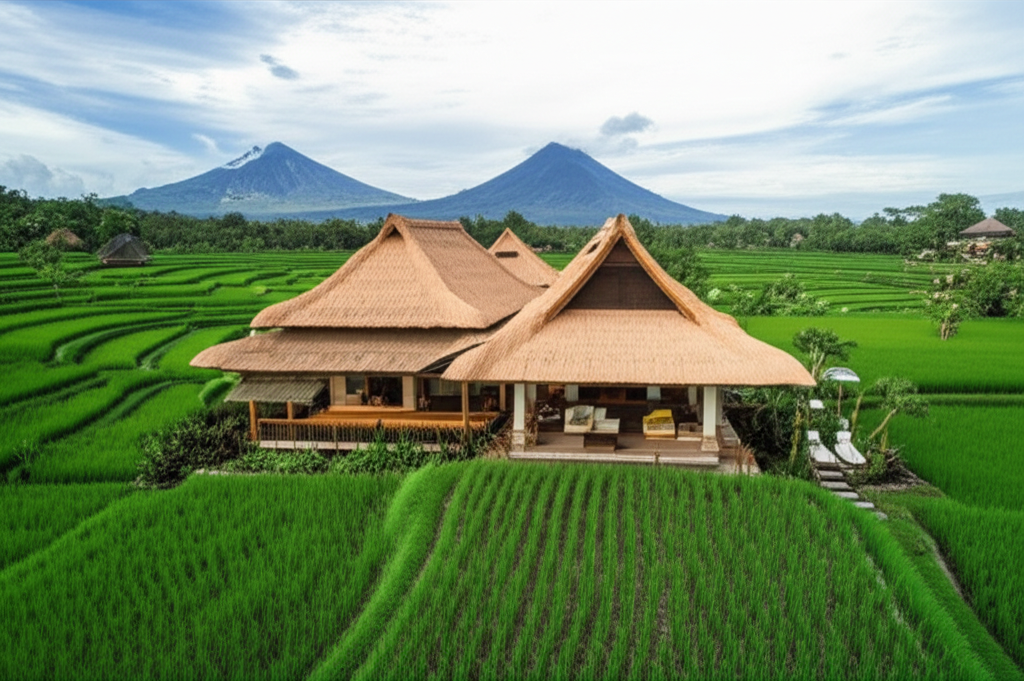
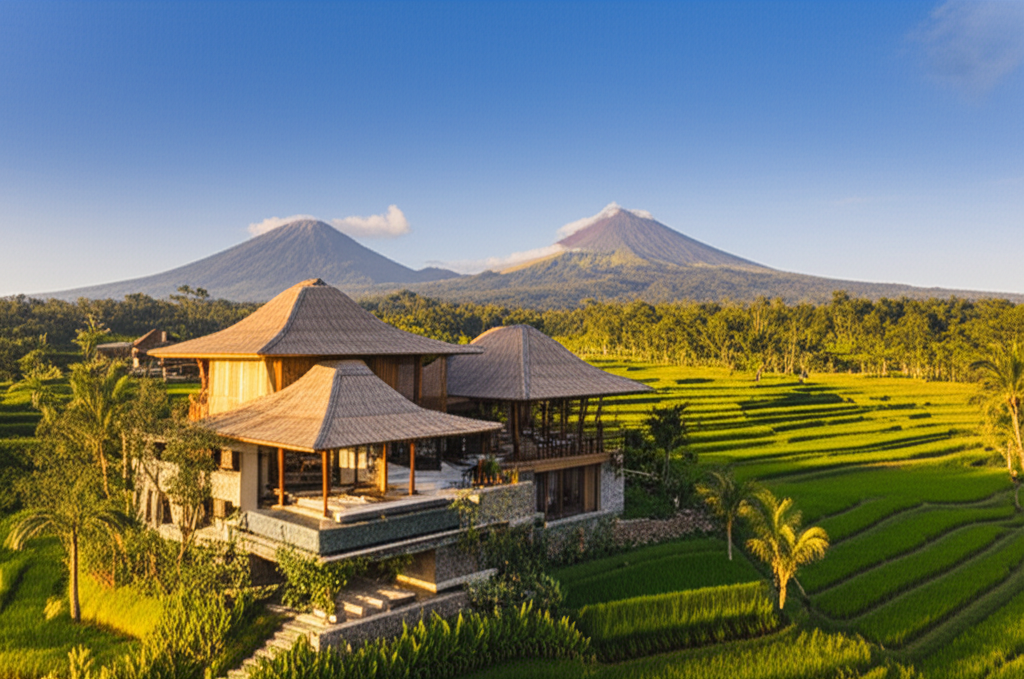
This means orienting living spaces to capture breathtaking views of rice paddies, volcanoes, or the ocean, while ensuring gardens flow naturally into the interior, blurring the lines between indoors and outdoors. It also guides the use of locally sourced, natural materials that resonate with the earth, fostering a sense of belonging and respect for the island’s spirit.
Further guiding the spatial layout are the principles of Tri Mandala and Sanga Mandala. Tri Mandala divides the property into three zones: Nista Mandala (the outer, less sacred zone, often for service areas or guest parking), Madya Mandala (the middle zone, for living spaces and bedrooms), and Utama Mandala (the inner, most sacred zone, typically reserved for family shrines or meditation areas). This hierarchical arrangement ensures a respectful progression through the property, enhancing the spiritual and practical flow. Complementing this is Sanga Mandala, a directional zoning system based on nine cardinal points, each associated with specific deities and functions. While not always strictly adhered to in modern contemporary Bali villa designs, experienced local architects skillfully adapt these concepts, for instance, by strategically placing the main living areas to face east for optimal morning light and positive energy, or by positioning service areas in less auspicious directions. These philosophical underpinnings result in villas that are not just beautiful structures, but living spaces imbued with a unique sense of place and spiritual resonance, offering more than just shelter, but a holistic living experience.
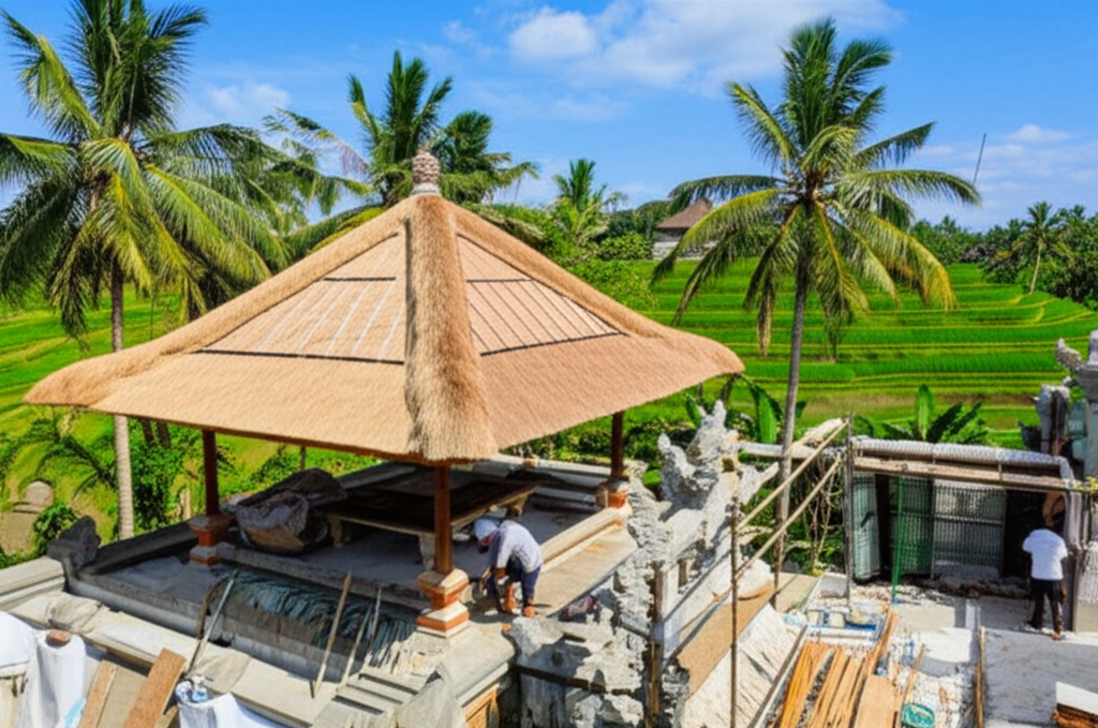
The selection of materials is another critical aspect that defines the authenticity and sustainability of a Bali villa. The tropical climate demands materials that are not only durable but also naturally cooling and aesthetically pleasing. Traditional thatch roofing, such as *ijuk* (black palm fibers), dried coconut leaves, or *rumbia* leaves, and wooden shingles (*sirap*), offer excellent insulation and a timeless, organic look that blends harmoniously with the environment. Beyond roofing, sustainable choices abound. Bamboo, a remarkably fast-growing and strong resource, is frequently used for structural elements, decorative panels, and even furniture, offering a lightweight yet robust solution. Coconut wood, locally abundant, provides a distinctive grain and durability for flooring, decking, and joinery. Teak, a classic choice for its unparalleled strength and resistance to pests and weather, is often sourced from sustainable plantations, adding a touch of timeless luxury. For robust construction, locally produced bricks are a common choice, providing structural integrity. Various types of local stone, such as warm sandstone and rugged andesite, are utilized for intricate ornamentation, pathways, and wall cladding, grounding the villa in the island’s natural geology. These materials not only contribute to the villa’s unique aesthetic but also boast significant environmental benefits, reducing the carbon footprint by minimizing transportation and supporting local industries. They naturally regulate indoor temperatures, reducing the need for excessive air conditioning and aligning with sustainable design principles for Bali construction.
Bringing these elements together requires the expertise of experienced local architects and designers who possess a deep understanding of both international construction standards and Balinese cultural nuances. Collaborating with such professionals is paramount for a successful villa construction Bali project. They are adept at interpreting your vision while ensuring the design respects local traditions and regulations. An expert local team will guide you in creating a layout that maximizes natural light and cross-ventilation, crucial for comfort in Bali’s humid climate, thereby reducing reliance on artificial cooling. They will ingeniously integrate the stunning tropical environment into the design, perhaps through expansive open-plan living areas, strategically placed windows, and inviting outdoor spaces like infinity pools and lush gardens. Simultaneously, these designers are skilled at incorporating contemporary comforts and technologies, from efficient plumbing and electrical systems to smart home features, all while maintaining the authentic Balinese aesthetic. Their local knowledge is invaluable for navigating material sourcing, understanding the intricacies of the Balinese landscape, and ensuring that your dream villa is not only aesthetically pleasing and culturally resonant but also highly livable and enduring. Choosing the right design partner is the cornerstone of translating your vision into a truly remarkable Bali villa.
The Construction Journey Quality and Craftsmanship
With the architectural blueprints finalized and materials thoughtfully chosen, the transition from design conceptualization to the tangible reality of your Bali villa begins. This phase, “Your Bali Villa Awaits: Expert Construction from Start to Finish,” is where meticulous planning meets skilled execution, transforming drawings into a living space that embodies both your vision and Balinese charm. The journey of expert construction from start to finish is a symphony of coordinated efforts, ensuring every beam, wall, and wire contributes to a structurally sound and aesthetically pleasing sanctuary.
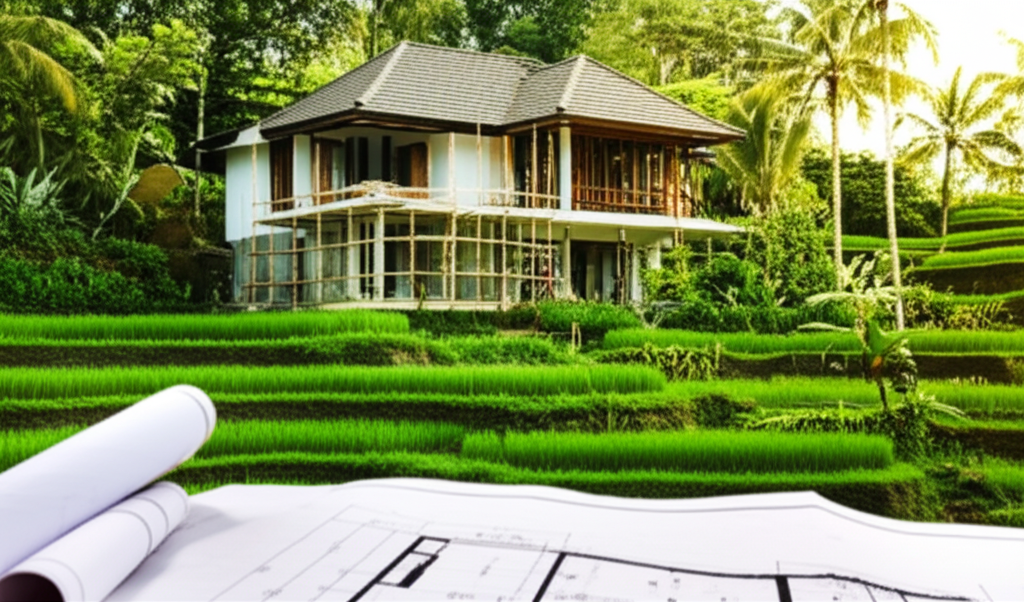
The practical phases commence with crucial site preparation. This involves clearing the land, ensuring proper leveling, and establishing necessary access routes for materials and machinery. Given Bali’s diverse topography, from flat coastal plains to undulating hillsides, thorough geotechnical surveys are indispensable to understand soil conditions. Following this, the foundation laying marks a critical milestone. This isn’t merely about digging trenches; it involves expert engineering to design and implement foundations – be it pile foundations for softer soils or robust raft foundations – that can withstand Bali’s seismic activity and tropical climate. Precision in this stage, executed by professional foundation installers, is paramount for the long-term stability and integrity of your villa, preventing future structural issues and ensuring a solid base for generations to come.
Once the foundation is secure, the structural framework rapidly takes shape. This involves the erection of columns, beams, and load-bearing walls, typically using reinforced concrete, steel, or locally sourced sturdy timber, all designed to meet stringent engineering standards. This skeletal phase, often referred to as the ‘rough construction,’ brings the villa’s volume and layout into clear view. Following the structural integrity, roofing installation becomes a key focus. While materials were chosen in the design phase, their expert installation is vital. Whether it’s traditional ijuk thatch, durable ceramic tiles, or modern shingle systems, the roofing must be meticulously installed to provide optimal insulation and protection against Bali’s intense sun and monsoon rains. Proper waterproofing and drainage systems are integrated at this stage to safeguard the villa from moisture ingress, a common challenge in tropical environments. Simultaneously, or shortly thereafter, the intricate dance of Mechanical, Electrical, and Plumbing (MEP) systems integration begins. This includes laying conduits for electrical wiring, installing plumbing lines for water supply and drainage, and setting up air conditioning systems. Expert MEP engineering is crucial, ensuring efficient and safe utility systems that are discreetly integrated into the villa’s design, providing all modern comforts without compromising the aesthetic. This phase is complex and requires specialized knowledge, emphasizing the value of expert MEP engineering in Bali.
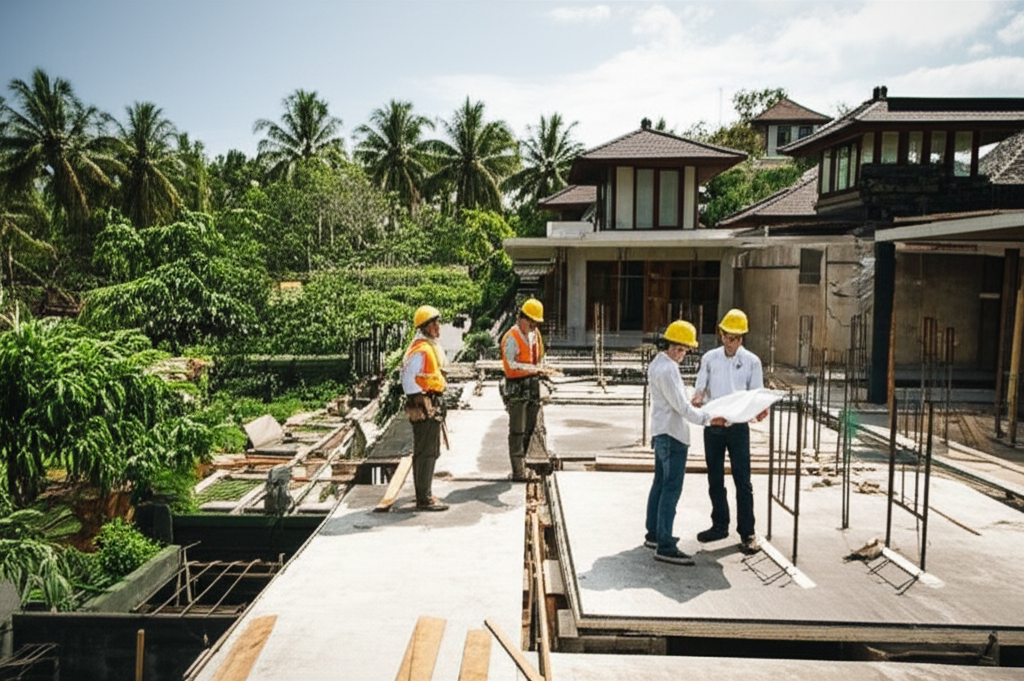
Throughout these practical phases, robust project management is the backbone of successful villa construction Bali. This encompasses rigorous scheduling, meticulous quality control protocols, and continuous, hands-on supervision. A comprehensive construction schedule is developed, detailing every task, its duration, and its dependencies. This dynamic document, often managed by an experienced general contractor in Bali, is regularly updated to track progress and anticipate potential delays, allowing for proactive adjustments. Quality control protocols are implemented at every stage, from inspecting raw materials upon delivery to verifying the correct execution of each construction task against specifications and international building codes. This includes regular structural checks, plumbing pressure tests, and electrical safety audits. Continuous supervision by experienced site managers ensures that workmanship meets the highest benchmarks and that any deviations are promptly identified and rectified, reflecting a steadfast commitment to construction quality control in Bali.
A distinguishing factor in Bali villa construction is the invaluable engagement of skilled local craftsmen. Bali boasts a rich heritage of artisanal excellence, and these craftsmen bring generations of expertise in traditional building techniques and intricate finishing details. Their hands craft bespoke timber carvings, intricate stone masonry, and elegant tile work, imbuing the villa with an authentic Balinese soul. Their understanding of local materials, climate, and aesthetics is unparalleled, ensuring that every detail, from a hand-carved door to a precisely laid mosaic, contributes to the villa’s unique character and enduring beauty. Effective communication with these contractors and construction teams is paramount for a seamless process. Regular site meetings, clear progress reports, and open dialogue ensure that all parties are aligned with the project goals, timelines, and quality expectations. Cultural sensitivity and respect are also key when working with local teams, fostering a collaborative and productive environment.
Despite the best planning, construction projects can face challenges. These might include unexpected weather patterns typical of a tropical island, logistical hurdles in material delivery, or unforeseen ground conditions. However, a seasoned project management team anticipates these possibilities and develops robust mitigation strategies. This could involve contingency planning for material sourcing, flexible scheduling to account for weather, and a responsive approach to on-site problem-solving. By ensuring the project stays on track, within budget, and adheres to the highest quality benchmarks, the commitment to expert craftsmanship in your Bali villa project is not just a promise but a tangible reality, laying the groundwork for a truly exceptional home before the finer details of interior design and landscaping begin to unfold.
Finishing Touches Handover and Beyond
As the structural integrity and essential systems of your Bali villa come to their full form, the journey shifts focus to the artistry of its completion, moving from the foundational elements discussed previously to the masterful building project management in Bali that brings your vision to life. This crucial phase is where the dream takes on tangible beauty, beginning with the meticulous interior design considerations that will define your living experience. Here, furniture selection transcends mere functionality; it becomes an extension of the Balinese aesthetic, often incorporating locally sourced teak, rattan, and other natural materials. Custom-made pieces are frequently commissioned, ensuring a harmonious blend of traditional craftsmanship and contemporary comfort. Bespoke fittings, from intricately carved wooden doors to hand-hammered metal accents, add character and authenticity. Decor is carefully curated to evoke a sense of serene luxury, with vibrant textiles, local artworks, and thoughtfully placed lighting fixtures creating inviting atmospheres. The aim is to craft spaces that are not only visually stunning but also deeply resonant with the island’s tranquil spirit, reflecting a seamless integration of integrated contractor interior design in Bali.
Equally vital to the Bali villa experience is the creation of breathtaking outdoor spaces. These are not mere afterthoughts but central to the island lifestyle, designed to be extensions of your living areas. Landscape design in Bali is an art form, transforming raw land into lush, tropical sanctuaries. This involves careful planning of indigenous plants, such as frangipani, bougainvillea, and various palms, strategically placed for shade, privacy, and visual appeal. Garden creation often incorporates natural stone pathways, tranquil water features like koi ponds or bubbling fountains, and terraced planting to maximize the natural contours of the land. Central to most Bali villas is the swimming pool, often serving as the focal point of the outdoor area. Whether an elegant infinity edge blending with horizon views or a natural stone-lined oasis, the pool’s construction involves sophisticated filtration systems, appropriate decking materials like local stone or composite wood, and thoughtful lighting to create an enchanting ambiance both day and night. Surrounding these pools, inviting outdoor living spaces emerge, from shaded gazebos perfect for relaxation to sun-drenched decks ideal for leisure, all designed to immerse you in the tropical environment.
As the aesthetic elements are perfected, the practical infrastructure receives its final touches. This includes the installation of all final utilities, ensuring robust connections for electricity, fresh water, and high-speed internet – a modern necessity even in paradise. Many contemporary Bali villas also incorporate smart home systems, allowing for effortless control over lighting, climate, entertainment systems, and security with a touch of a button. Modern amenities, from state-of-the-art kitchen appliances to luxurious bathroom fittings, are seamlessly integrated, enhancing comfort and convenience. Every electrical outlet, plumbing fixture, and network point is meticulously tested to ensure full functionality and compliance with safety standards. This detailed attention to both visible and hidden infrastructure guarantees a living experience that is both beautiful and utterly practical.
The concluding phase of construction involves a series of rigorous final inspections, a critical step in ensuring the flawless delivery of your new villa. This comprehensive review, often involving the client, project manager, and lead contractors, systematically scrutinizes every aspect of the build. A ‘snag list’ is meticulously compiled, detailing any minor imperfections, aesthetic issues, or functional adjustments required. This could range from a paint touch-up or a misaligned cabinet door to the fine-tuning of a smart home system or a slight adjustment to the pool’s water chemistry. Addressing these rectification works promptly and efficiently is paramount, demonstrating a commitment to construction quality control in Bali. Every item on the snag list is tracked until satisfactorily resolved, ensuring that the finished product meets the highest standards of craftsmanship and the client’s exact expectations. Only when all systems are fully functional, and every detail polished to perfection, is the project deemed ready for official handover.
The official handover process marks the culmination of the construction journey, a moment of immense satisfaction for both the builder and the new villa owner. During this phase, comprehensive documentation is provided, including architectural plans, operating manuals for all appliances and smart home systems, and vital warranty information covering structural elements, finishes, and installed equipment. Understanding these warranties is crucial for long-term peace of mind. Beyond the handover, essential post-construction support is invaluable. A reputable builder will offer guidance on maintaining your tropical sanctuary. Maintenance tips will cover everything from routine cleaning schedules, particularly for outdoor areas and pools, to pest control strategies, HVAC system checks, and recommendations for preserving the integrity of wooden elements against Bali’s humid climate. Ongoing garden care and periodic inspections help preserve the beauty and longevity of your investment. This continuous support, akin to the services provided by residential renovation contractors in Bali, ensures that your newly built Bali villa remains a pristine tropical haven for years to come, allowing you to fully enjoy your completed sanctuary. This meticulous approach to every stage, from conceptualisation to the moment you step into your completed residence, embodies the spirit of a general contractor’s guide to building in Bali, ensuring your tropical dream is not just built, but perfectly realized.
Conclusions
Building your dream Bali villa is a significant undertaking, yet with careful planning, expert guidance, and a deep appreciation for local culture and craftsmanship, it becomes a truly rewarding experience. From navigating complex regulations to embracing sustainable Balinese architectural principles and overseeing meticulous construction, every step contributes to a bespoke sanctuary. Your finished villa will not only be a testament to quality construction but also a harmonious extension of Bali’s enchanting spirit, ready for you to enjoy.