Table of Contents
- Laying the Foundation Your Bali Villa Construction Journey Begins
- Engineering Excellence Building the Structure of Your Dream Villa
- Crafting Interiors and Exteriors The Art of Balinese Finishes
- Project Management and Handover Ensuring Quality and Sustainability
- Conclusions
Embarking on the journey of villa construction in Bali is an exciting venture, promising a bespoke tropical sanctuary. This article provides a comprehensive guide to expert construction, detailing every critical stage from initial concept to final handover. Discover how meticulous planning, skilled craftsmanship, and an understanding of local nuances bring your dream Bali villa to life, ensuring a seamless and successful build.
Laying the Foundation Your Bali Villa Construction Journey Begins
Laying the Foundation Your Bali Villa Construction Journey Begins
Embarking on the journey of villa construction in Bali is an exhilarating prospect, promising a bespoke retreat that marries tropical luxury with Balinese charm. However, the path to realizing this dream demands meticulous preparation, particularly in its foundational stages. Expert construction from start to finish hinges on a comprehensive understanding and precise execution of these initial steps, transforming your vision into a tangible reality with unwavering stability and legal soundness.
The critical process of land acquisition in Bali forms the bedrock of your entire project. This involves far more than simply identifying a picturesque plot; it necessitates rigorous due diligence. Prospective buyers must conduct thorough title checks to verify ownership, ensure clear boundaries, and identify any existing encumbrances or disputes. Understanding local land ownership regulations in Indonesia is paramount, especially the distinction between leasehold (Hak Sewa or Hak Pakai) and freehold (Hak Milik). For foreign individuals, direct freehold ownership of land is generally not permitted, necessitating alternative structures like long-term leasehold agreements or foreign investment company (PMA) structures that allow for rights such as Hak Guna Bangunan (Right to Build) or Hak Guna Usaha (Right to Cultivate). These arrangements require careful legal structuring, often involving a reputable local notary and legal advisor, to safeguard your investment and operational rights. Neglecting this crucial phase can lead to significant complications down the line. To delve deeper into these crucial distinctions, consider reading about freehold vs leasehold for foreigners in Bali.
Following land acquisition, navigating the intricate legal framework and permit acquisition process specific to building in Bali becomes the next formidable task. The primary building permit, known as the Persetujuan Bangunan Gedung (PBG) – which replaced the former Izin Mendirikan Bangunan (IMB) – is mandatory for any construction project. Acquiring a PBG demands comprehensive documentation, including certified land certificates, detailed architectural drawings, structural calculations, and often environmental assessments such as UKL-UPL (Upaya Pengelolaan Lingkungan Hidup dan Upaya Pemantauan Lingkungan Hidup), depending on the project’s scale and potential environmental impact. Approvals from various local authorities, including the Banjar (traditional village council), village office, and district administration, are integral parts of this process. This bureaucratic journey can be time-consuming and complex, highlighting the indispensable need for local expertise to ensure compliance with all Indonesian and Balinese regulations. A comprehensive guide to these procedures can be found by exploring Bali building regulations.
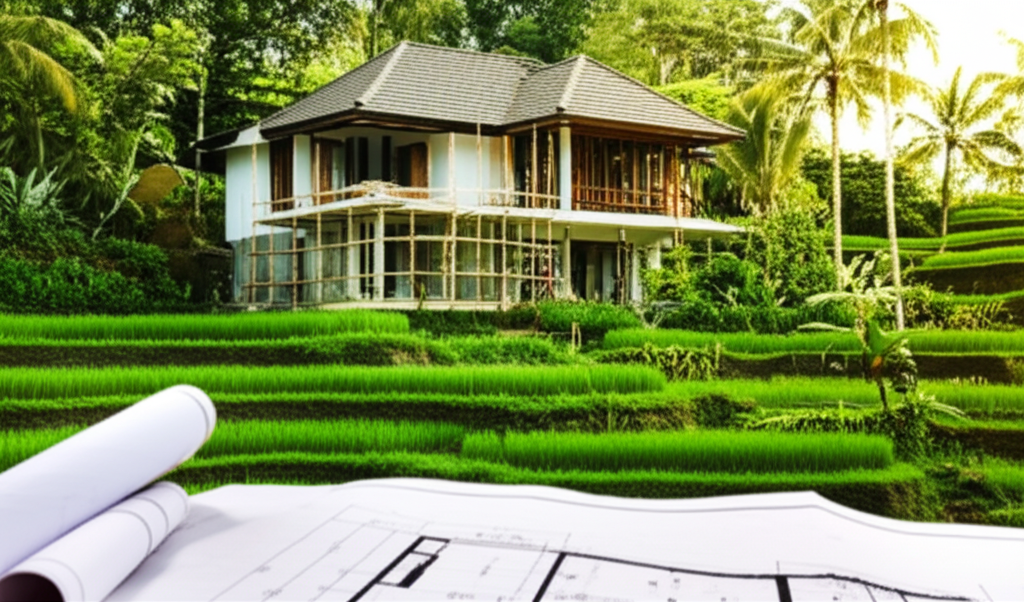
The importance of selecting the right architectural firm cannot be overstated. Your chosen firm should possess demonstrable expertise in tropical design, understanding how to harness natural ventilation, maximize daylight while providing ample shade, and seamlessly integrate indoor and outdoor living spaces that are characteristic of Balinese aesthetics. Their ability to effectively translate your unique vision into a practical, buildable design, respecting local cultural nuances and material preferences, is critical. This collaborative process involves detailed design briefs, numerous consultations, and the development of 3D renderings and material boards to ensure every detail aligns with your dream.
Essential preliminary site assessments are fundamental for a sound and sustainable foundation. A thorough topography analysis will reveal the land’s contours, slopes, and natural drainage patterns, which directly influence the villa’s orientation, design, and foundation requirements. Equally vital is comprehensive soil testing, which identifies the soil’s composition, bearing capacity, and seismic stability. Bali’s diverse geology, ranging from volcanic soil to sandy coastal areas, necessitates specific foundation technologies to ensure structural integrity. Furthermore, environmental impact considerations must be addressed early on. This includes planning for efficient water management, responsible waste disposal, and conscious efforts to preserve natural flora and fauna. These assessments not only prevent future structural issues but also ensure your villa aligns with principles of sustainable development.
Budgeting and financial planning for these initial phases demand utmost transparency to avoid hidden costs. Beyond the purchase price of the land, allocate funds for legal fees, notary services, architectural design, engineering consultations, permit applications, and all preliminary site assessments. It is wise to include a contingency fund—typically 10-15% of the total budget—to account for unforeseen issues such as unexpected ground conditions or regulatory changes. Clear contracts with detailed cost breakdowns from all service providers are crucial. For a clear understanding of what to expect, review resources on construction costs in Bali.
Finally, the invaluable role of a local consultant or legal advisor cannot be overemphasized. They act as your indispensable guide, assisting with due diligence, navigating complex legalities, facilitating permit acquisition, and mediating with local communities. Their deep understanding of Indonesian and Balinese laws, cultural protocols, and administrative procedures ensures compliance from the very beginning of the project. This early engagement of local experts is pivotal for ensuring an efficient and compliant villa construction Bali project, thereby paving the way for the smooth execution of subsequent stages and ultimately, a successful and stress-free build. These initial, often complex, steps are the cornerstone for achieving truly expert construction from start to finish, setting the stage for the structural marvel that will soon follow.
Engineering Excellence Building the Structure of Your Dream Villa
The transition from meticulous planning and foundational groundwork seamlessly ushers in the pivotal phase of structural construction, where the blueprints for your Bali villa begin to materialize into a tangible form. This stage is the backbone of your dream retreat, demanding nothing less than expert construction techniques tailored specifically for Bali’s unique tropical climate and seismic activity. The integrity of your villa, its longevity, and its ability to withstand environmental challenges are all forged during this critical period.
Central to engineering excellence in Bali villa construction is the judicious selection of materials. Reinforced concrete stands as a cornerstone for structural stability, offering unparalleled strength and durability, particularly vital for foundations, columns, and beams. Its ability to create a robust, monolithic structure is indispensable in a region prone to seismic events, providing a secure skeleton for your home. However, its thermal properties necessitate thoughtful design, such as strategic shading and natural ventilation, to ensure cool interiors in the tropical heat. Complementing concrete’s strength, local hardwoods such as Teak, Ironwood, and Merbau are often integrated, not just for their inherent beauty and Balinese aesthetic appeal but also for their structural applications in roofing trusses, decking, and decorative elements. While these woods lend an organic warmth, their selection demands careful consideration of sustainability and proper treatment against pests and moisture, ensuring their longevity in the humid environment. Natural stone, widely available in Bali like Andesite or Paras, offers both structural integrity and aesthetic charm, providing excellent thermal mass for cooling and a beautiful, earthy finish for retaining walls or feature elements. The weight of stone, however, requires robust foundational support. A balanced approach, leveraging the strengths of each material, is key to creating a resilient and aesthetically harmonious villa.
Bali’s location within the Pacific Ring of Fire necessitates a profound focus on seismic considerations in all villa construction Bali projects. Structural engineering practices here are not merely about erecting a building, but about designing a lifeline. This begins with sophisticated foundation design; often utilizing deep pile foundations or reinforced raft foundations that distribute the building’s weight evenly and anchor it securely into the earth, mitigating the impact of ground movement. Reinforcement is paramount, with steel rebar meticulously placed within all concrete elements – columns, beams, and slabs – to enhance ductility, allowing the structure to flex and absorb seismic energy without catastrophic failure. Shear walls, designed to resist lateral forces, and moment-resisting frames further contribute to the villa’s resilience, ensuring safety and structural integrity against natural events. This intricate engineering ensures that your retreat is not only beautiful but also a fortress against the elements. For detailed insights on foundational safety, see Building Strong in Bali: Foundation Technologies for Enduring Properties.
The construction of the main framework typically involves a robust skeletal system of reinforced concrete columns and beams. This framework provides the essential load-bearing structure, defining the villa’s spatial dimensions and supporting its upper floors and roofing system. Roofing systems in Bali are specifically designed to combat both heavy tropical rainfall and intense heat. Steep pitches are common, allowing for efficient rainwater runoff and preventing water accumulation that could lead to leaks or structural damage. Extensive overhangs provide crucial shade, protecting walls and windows from direct sunlight and reducing internal heat gain. Materials range from traditional alang-alang thatch, which offers excellent insulation and a classic Balinese look, to durable clay tiles or ironwood shingles, all chosen for their ability to withstand the tropical climate. Effective heat dissipation is also achieved through proper ventilation within the roof cavity, often incorporating vents or strategically placed openings to allow hot air to escape. Wall construction methods often utilize local red brick (batu bata) or concrete blocks, which are then plastered and finished. Consideration is given to thermal mass and, in some designs, cavity walls are employed to provide an additional layer of insulation, further enhancing internal comfort.
The seamless integration of essential utilities is another cornerstone of expert construction. Plumbing systems are designed for efficiency and longevity in a tropical setting, using high-quality PVC or PPR pipes to resist corrosion and ensure reliable water flow. Proper grading for all drainage pipes is critical to prevent blockages and ensure waste removal, often leading to modern septic tank systems or, where available, connections to municipal sewage lines. Rainwater harvesting can also be incorporated to supplement water supply and reduce reliance on municipal sources. Electrical wiring is meticulously planned, with underground cabling often preferred for aesthetic appeal and protection from the elements. Robust grounding systems, surge protection, and appropriately sized circuit breakers are non-negotiable for safety and reliability. All wiring and fixtures are chosen to withstand humidity and ensure long-term performance. Efficient drainage systems around the villa’s perimeter and within the landscape are vital to manage Bali’s heavy rainfall, preventing erosion, waterlogging, and foundation damage. These systems can include French drains, catch basins, and strategically sloped landscaping to divert water effectively. For more on optimizing utility installations, explore Beyond the Walls: Expert MEP Engineering in Bali.
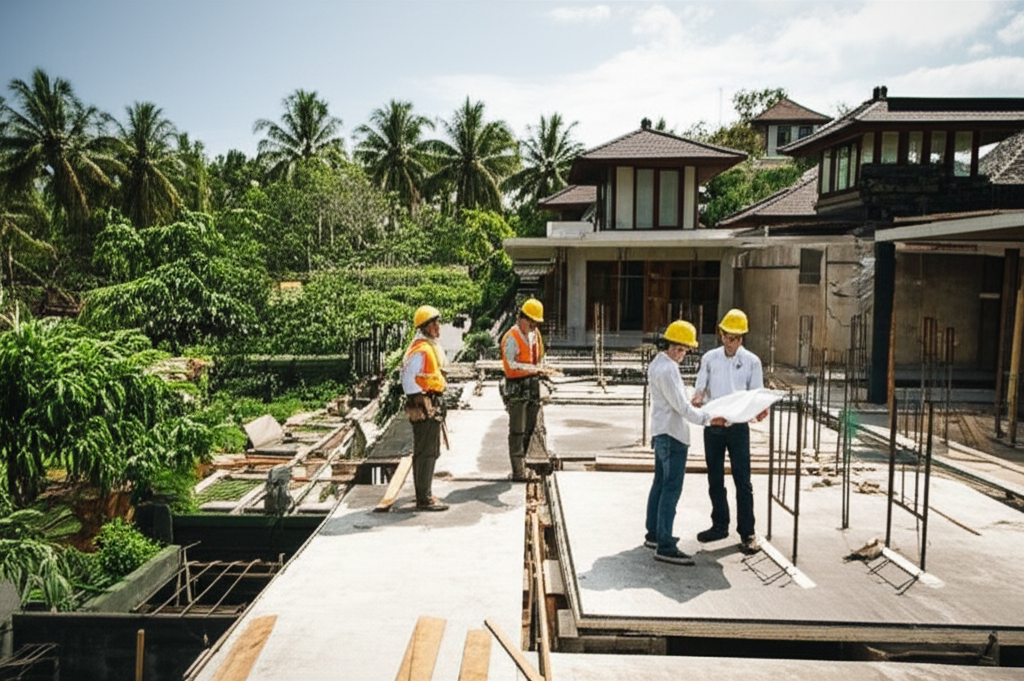
Quality control and supervision during the structural build are paramount, acting as the vigilant guardians of your villa’s integrity. Regular and rigorous site inspections by experienced structural engineers and project managers are essential to ensure that every pour of concrete, every rebar placement, and every beam installation precisely adheres to the approved blueprints and engineering specifications. This proactive oversight includes verifying concrete strength through testing, checking the quality and correct installation of steel reinforcement, and ensuring accurate dimensions and alignments of all structural elements. Any deviations are immediately identified and rectified, preventing minor issues from escalating into significant structural concerns. This unwavering commitment to quality control not only guarantees the overall integrity and safety of the villa construction Bali but also safeguards your investment, ensuring the building stands strong for generations. For more insights into maintaining high standards, see Built to Perfection: Construction Quality Control in Bali.
Furthermore, an increasing emphasis is placed on sustainable building practices, reflecting a commitment to environmental stewardship and long-term efficiency. Sourcing local materials not only reduces the carbon footprint associated with transportation but also supports the Balinese economy and ensures materials are naturally suited to the local climate. Energy-efficient structural designs are integrated from the outset, focusing on passive cooling techniques that leverage natural cross-ventilation, strategic shading through architectural elements, and the use of thermal mass materials to regulate indoor temperatures without excessive reliance on air conditioning. This forward-thinking approach ensures that your Bali villa is not only a masterpiece of engineering but also a harmonious extension of its beautiful natural surroundings. For a deeper dive into eco-friendly construction, explore Sustainable Structures Bali: Crafting Eco-Friendly Homes and Resorts. The meticulous execution of this structural phase, underpinned by expert construction and rigorous oversight, lays an unshakeable foundation, preparing your villa for the aesthetic and functional enhancements that will transform it into your ultimate Balinese retreat. The journey from bare framework to a vibrant living space is well underway, moving closer to the finishing touches.
Crafting Interiors and Exteriors The Art of Balinese Finishes
Crafting Interiors and Exteriors The Art of Balinese Finishes
With the robust skeleton of your Bali villa firmly established through expert construction, the focus shifts to imbuing the structure with the soul and splendor of Balinese living. This crucial phase is where the raw build transforms into a luxurious retreat, meticulously detailed from the inside out. The principles of Balinese interior design are deeply rooted in harmony with nature, fostering open-plan living that effortlessly embraces the tropical environment. This translates into spaces designed for natural ventilation, allowing the gentle island breezes to flow freely, and a seamless integration of indoor and outdoor environments. Large sliding doors, expansive windows, and shaded terraces blur the lines between shelter and garden, inviting the lush surroundings to become an intrinsic part of the home’s aesthetic. The goal is not merely a house, but a sanctuary that breathes with its environment, maximizing natural light and offering constant connection to Bali’s serene beauty. For a deeper understanding of how integrated design drives project success, visit Integrated Contractor Interior Design in Bali.
The selection of interior finishes is paramount in defining the villa’s character. For flooring, popular choices include natural stone, such as local lava stone, cool marble, or sophisticated terrazzo, offering a luxurious yet grounded feel.
These materials are not only aesthetically pleasing but also practical for the tropical climate, providing a naturally cooling effect. Polished concrete offers a contemporary, minimalist edge, while warm, rich tones of local hardwoods like teak or ironwood bring an undeniable sense of timeless elegance and comfort to bedrooms and living areas. Wall treatments often lean towards natural textures, with lime wash finishes, natural render, or carefully placed exposed brick or stone walls adding depth and character. Ceilings are often designed to enhance the sense of space and airflow, frequently featuring high elevations with exposed timber beams, or in some cases, the iconic alang-alang thatch, providing an authentic Balinese touch while maintaining modern standards.
Bespoke fixtures and fittings are the jewels that adorn your Bali villa, elevating its comfort and functionality. Lighting design is a nuanced art, balancing ambient, task, and accent lighting to create inviting atmospheres throughout the day and night. This often involves integrating locally crafted lamps made from rattan, bamboo, or carved wood, alongside subtle recessed lighting or elegant imported fixtures. Plumbing fixtures are chosen for both their aesthetic appeal and durability, with options ranging from rustic-chic exposed copper or brass to sleek, modern designs that prioritize water efficiency. Custom cabinetry, whether for the gourmet kitchen, lavish bathrooms, or integrated storage, is frequently crafted from local hardwoods by skilled artisans, often featuring intricate carvings or unique detailing that speak to Bali’s rich artistic heritage. This blend of high-quality imports and local craftsmanship ensures both reliability and a unique, culturally resonant style. Our commitment to high-end finishes is consistently upheld, as explored at Luxury Living Expertly Built.
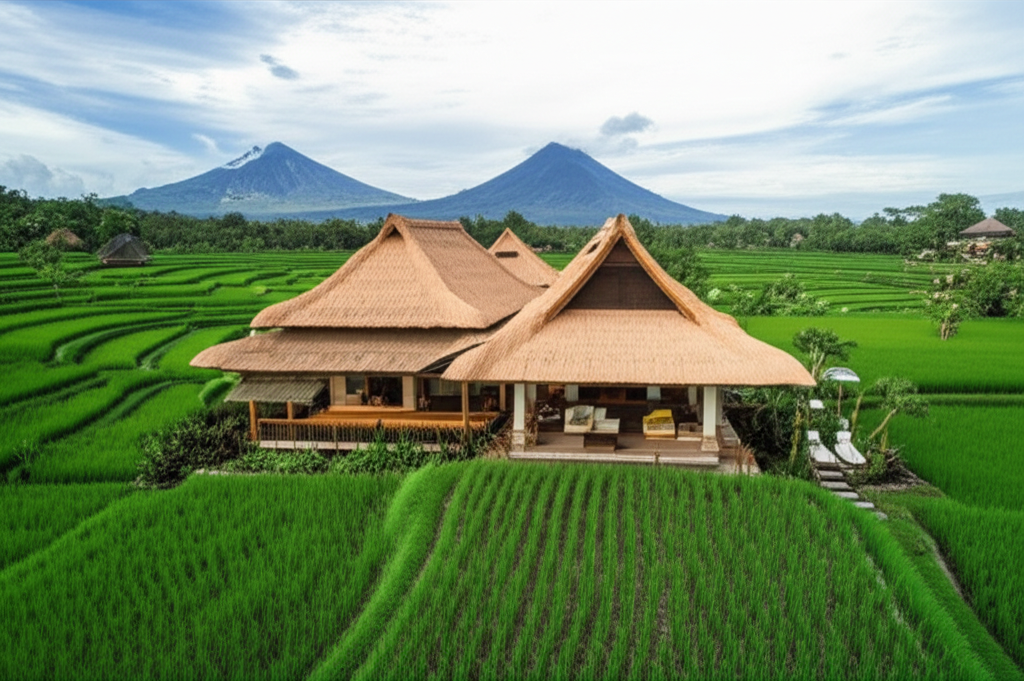
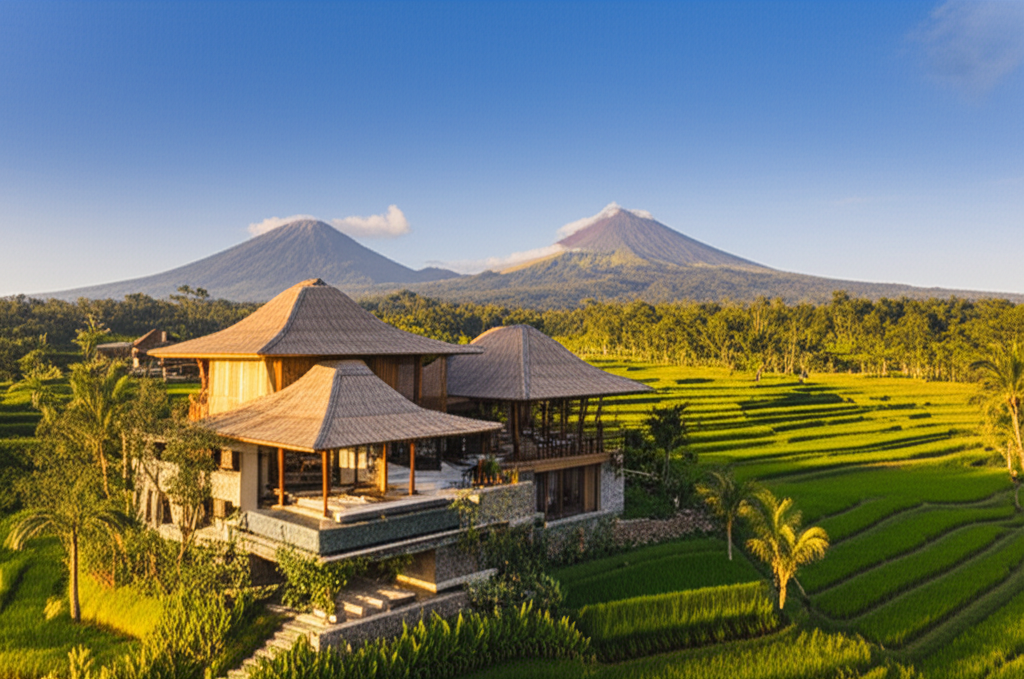
Beyond the walls, landscape architecture and garden design are crucial for completing the villa experience. The exterior spaces are conceptualized as extensions of the living areas, creating serene outdoor sanctuaries. This involves designing inviting pavilions, pergolas draped with flowering vines, comfortable daybeds for lounging, and elegant outdoor dining areas. Swimming pools are often the focal point, featuring natural stone surrounds and infinity edges that blend seamlessly with the horizon, whether it be rice paddies, lush jungles, or ocean views. Water features, from tranquil ponds to gentle cascades and fountains, are integral to Balinese design, providing soothing sounds and enhancing the tropical ambiance. The tropical gardens themselves are meticulously planned, incorporating a rich variety of local flora – fragrant frangipani, vibrant bougainvillea, towering palms, and native ferns – to create a secluded, verdant paradise that perfectly complements the villa’s architecture. This artistic integration of the build with its environment is a hallmark of truly The Art of Bali Building.
The soul of a Bali villa often lies in the hands of its local artisans and craftsmen. Their expertise is invaluable in weaving traditional Balinese elements into the contemporary design. Intricate stone carvings, adorning entrance gates, wall panels, or garden statues, tell stories and add profound cultural depth. Detailed wood carvings on doors, window frames, or bespoke furniture pieces showcase generations of inherited skill. Textile accents, from hand-woven fabrics used in upholstery to traditional batik or ikat patterns in decorative cushions, introduce vibrant colors and textures, ensuring authenticity and uniqueness that cannot be replicated by mass production. This collaboration with local talent not only supports the community but also imbues your villa with an unparalleled sense of place and artistry.
While deeply respecting tradition, a modern Bali villa also embraces contemporary comforts. Thoughtful integration of smart home technology allows for discreet automation of lighting, climate control, and security systems, enhancing convenience without compromising the villa’s traditional charm. Energy-efficient air conditioning, intelligent ventilation systems, and strategically placed ceiling fans ensure comfort, while robust security measures offer peace of mind. The blend of contemporary living with traditional aesthetics is a testament to sophisticated design and execution. Our team’s commitment to turning your vision into reality is documented in our success stories, like From Vision to Reality: Bali’s Top Building Contractor Team.
Ensuring the continuity of expert construction standards through these intricate finishing stages is absolutely critical for achieving a flawless result. Just as the structural integrity of the foundation and framework demanded precision, so too do the delicate applications of finishes and the installation of custom elements. Rigorous quality checks, meticulous attention to detail during every installation, and a steadfast adherence to design specifications are paramount. This phase is where the vision comes to life, and the initial investment in a strong, well-engineered structure truly pays off as it provides the perfect canvas for these final artistic touches. The goal is a Bali villa that is not only beautiful and luxurious but also exemplifies enduring quality and master craftsmanship, fulfilling the promise of expert construction from start to finish.
Project Management and Handover Ensuring Quality and Sustainability
Your dream Bali villa culminates in diligent project management and seamless handover—processes vital for guaranteeing its longevity, quality, and sustainable operation. From ground breaking to key delivery, professional project management oversees every phase of your Bali villa construction. This ensures your vision is met, strictly adhering to timelines, budget, and superior quality standards. A dedicated project manager coordinates tasks, resources, and personnel, acting as the vigilant mind on-site. They proactively address bottlenecks, resolve issues, and ensure every element contributes to a cohesive structure. Their expertise in construction logistics and local nuances transforms plans into an exceptional retreat. For deeper insight, explore the art of construction management in Bali.
Effective communication and collaboration are essential for a successful luxury Bali villa build. A professional project management approach establishes robust dialogue channels among client, architect, main contractor, and specialized sub-contractors. Regular, structured meetings, both on-site and virtual, facilitate transparent updates, problem-solving, and strategic adjustments, ensuring consistent alignment with project objectives. Prompt issue resolution, where challenges are identified early and collaboratively tackled, prevents minor hitches from escalating. This cooperative spirit, fostered by clear reporting and a single point of contact, maintains strong project momentum, guaranteeing every decision contributes positively to the villa’s ultimate form.
Integral to delivering an enduring and impeccable Bali villa is a comprehensive system of quality assurance and control. This ongoing process is woven into the entire build, from diligent material sourcing through meticulous execution to rigorous inspections. Regular site visits by the project manager, often complemented by independent third-party inspectors, scrutinize every detail, including structural integrity, precision of installations (electrical, plumbing, HVAC), and flawless application of finishes. All aspects of villa construction Bali must rigorously adhere to international building codes and local regulations, ensuring safety, legality, and structural soundness. This unwavering commitment to quality is continuously monitored through systematic checklists, performance tests, and photographic documentation, providing a transparent audit trail. More on perfection can be found by understanding construction quality control in Bali.
Beyond structural excellence, the modern Bali villa embraces sustainability. Implementing eco-friendly practices throughout construction is a responsible approach. This involves strategic waste management, segregating materials on-site for recycling or proper disposal, minimizing environmental impact. Energy-efficient systems are crucial: solar panels for electricity offset, high-efficiency air conditioning reducing power usage, and smart lighting. Water harvesting solutions, like rainwater collection, provide sustainable sources for irrigation and non-potable uses, reducing municipal reliance. These choices ensure your Bali villa is not only luxurious but also environmentally conscious, blending with the island’s natural beauty and contributing to ecological preservation.
As construction nears completion, the critical phase of final inspection and snagging takes center stage. Here, the villa undergoes a meticulous review by the project manager, client, and often the architect. A detailed checklist systematically identifies any minor defects, imperfections, or incomplete elements—commonly “snags,” ranging from a chipped tile to a faulty light fixture. Each snag is meticulously documented, often with photographs, and assigned for rectification. This ensures every detail meets agreed-upon quality standards before official project completion. The contractor is responsible for promptly and efficiently addressing all identified snags, ensuring the villa is delivered in immaculate condition, precisely as envisioned.
The culmination of the journey is the official handover, a formal process transferring the completed Bali villa and its responsibilities to you, the owner. This pivotal stage involves more than just keys; it encompasses comprehensive documentation vital for ongoing care. You receive structural warranties for building integrity and appliance guarantees for all installed equipment. Detailed maintenance guides are supplied, offering instructions on caring for materials, systems (plumbing, electrical, HVAC, pool filtration), and finishes. Operational manuals for all smart home technology and amenities are also included. This thorough documentation empowers you to effectively manage and maintain your new Bali villa, preserving its beauty and functionality for years.
While handover signifies completion, support for your Bali villa can extend further. Many reputable construction firms offer invaluable post-construction support and property management options. This ranges from rapid response for unforeseen issues to ongoing maintenance contracts for the property, garden, and pool. For owners using their villa as an investment or residing elsewhere, comprehensive property management services are a game-changer, including rental management, guest services, routine inspections, security, and financial reporting. This ensures your investment remains profitable and meticulously cared for in your absence. This extended partnership provides unparalleled peace of mind, allowing you to fully enjoy your expertly constructed Bali villa without day-to-day management burdens. Choosing Bali’s general contractor experts ensures a seamless experience from conception to continuous care.
Conclusions
Bringing your Bali villa construction dream to fruition requires a blend of vision, expertise, and careful execution. By understanding each phase, from legalities and design to structural integrity and exquisite finishes, you ensure a high-quality build. With expert construction management and a commitment to local aesthetics, your magnificent Bali villa will stand as a testament to thoughtful design and tropical living, ready for you to enjoy.