Table of Contents
- Foundations and Legal Frameworks for Your Bali Villa
- Designing Your Tropical Haven Balinese Architectural Principles
- The Art of Building in Paradise Construction and Project Management
- From Vision to Reality Finishing Touches and Handover
- Conclusions
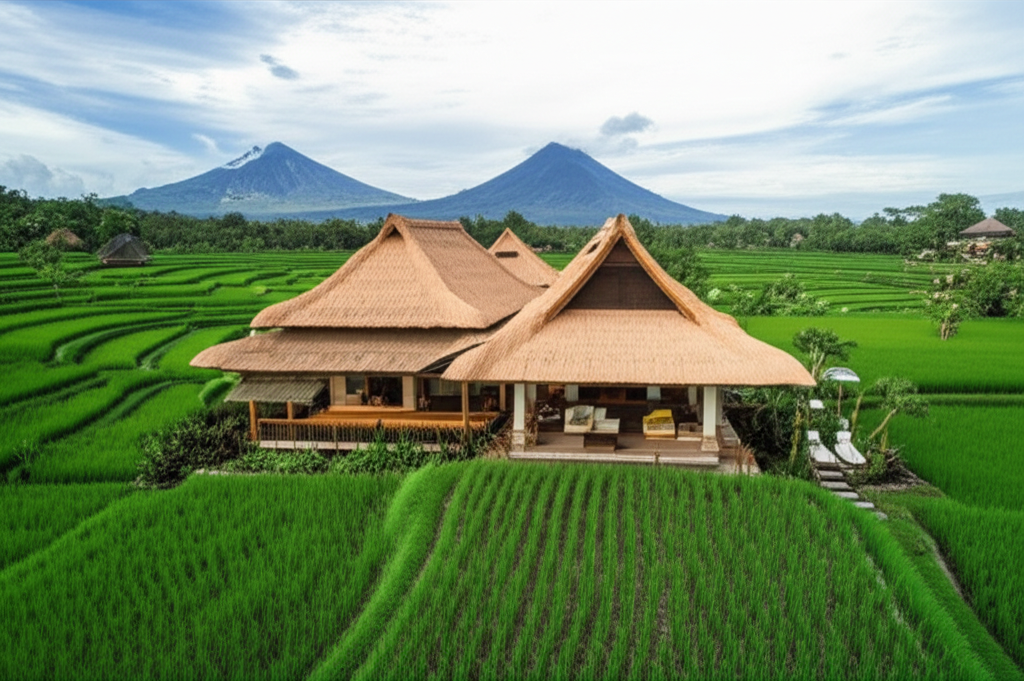
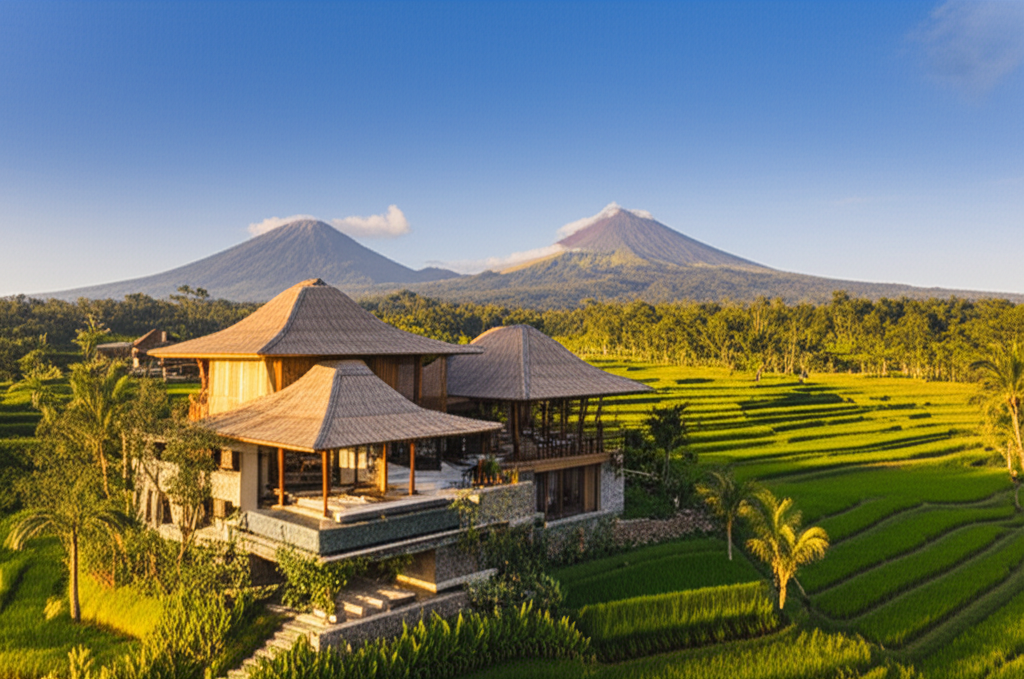
Dreaming of a bespoke sanctuary in the heart of Indonesia’s paradise island? Constructing a villa in Bali is an exciting endeavor that blends architectural vision with local craftsmanship and natural beauty. This article guides you through every critical stage of villa construction Bali, from initial legal steps to the final handover, ensuring your journey to owning a tropical haven is seamless and successful.
Foundations and Legal Frameworks for Your Bali Villa
The initial phase of embarking on a villa construction Bali project is arguably the most critical: establishing solid foundations, not just structurally, but legally. Navigating the intricate landscape of Indonesian property law, particularly for foreigners, requires a meticulous approach to ensure your dream villa is built on firm ground, free from future complications. This involves understanding land acquisition options, performing rigorous due diligence, and securing all mandatory permits.
For foreign individuals, direct freehold ownership (Hak Milik) of land in Indonesia is generally not permitted. This fundamental restriction necessitates exploring alternative, legally sound avenues for securing land for your Bali villa. The most common and viable options include Hak Pakai (Right to Use), Hak Guna Bangunan (Right to Build), and Hak Sewa (Leasehold). Each carries distinct implications for duration, control, and future flexibility.
Hak Pakai, or the Right to Use, is a title that grants the holder the right to use state land or land owned by another party for a specific period, typically 25 years, extendable for further terms. While it offers a degree of control, this right is often associated with entities like foreign investment companies (PMA companies) or can be granted to foreign individuals residing in Indonesia for certain purposes. It allows for the construction of buildings and has a transferable nature, though its complexities often lead individual villa owners to consider other options.
A more robust option, particularly for significant developments, is Hak Guna Bangunan (HGB) or the Right to Build. This title allows an Indonesian legal entity or an Indonesian citizen to construct and possess a building on state land or Hak Milik land for a period of up to 30 years, extendable for an additional 20 years, and potentially renewable for another 30 years. Foreigners can indirectly acquire HGB rights by establishing an Indonesian-registered company (PT PMA) which then holds the HGB title. This route offers greater long-term security and control over the built structure, making it attractive for larger investments or commercial ventures.
However, for most individual foreign investors looking to build a private residence, Hak Sewa, or Leasehold, is the most straightforward and widely utilized option. Under a leasehold agreement, a foreigner leases land from an Indonesian owner for a predetermined period, often ranging from 25 to 30 years, with options for extensions clearly stipulated in the contract. While you don’t own the land itself, you gain full rights to use and develop it for the duration of the lease. This model provides substantial security for your investment in the villa itself, as the building constructed on leasehold land remains your asset. It is imperative that these lease agreements are meticulously drafted and registered to protect your interests, outlining clear terms for extension, transferability, and the rights and obligations of both lessor and lessee. Engaging a reputable local legal counsel is paramount in this process to ensure all clauses are fair, enforceable, and fully compliant with Indonesian law.
The critical importance of legal due diligence cannot be overstated. Before any financial commitment is made, a thorough legal investigation of the prospective land parcel is indispensable. This due diligence process involves verifying the true ownership of the land, checking for any existing encumbrances such as mortgages or disputes, confirming the land’s zoning designation to ensure it permits villa construction (e.g., not agricultural or green belt land), and verifying clear access rights to the property. Failure to conduct comprehensive due diligence can lead to costly legal battles, construction delays, or even the loss of your investment. This is where the expertise of local legal counsel becomes invaluable. They possess an intimate understanding of Indonesian land law, local customs, and the bureaucratic processes involved. Their role extends beyond mere document review; they will conduct land title searches, negotiate terms, draft legally binding agreements, and represent your interests throughout the acquisition process, safeguarding your investment from potential pitfalls. You can find more insights on this at Monad Construction Bali Blog.
Once land acquisition is secured, the next major hurdle for your Bali villa construction is obtaining the necessary permits. The most significant of these is the Izin Mendirikan Bangunan (IMB), now largely replaced by the Persetujuan Bangunan Gedung (PBG), or Building Approval. The PBG is a mandatory permit issued by the local government that authorizes the construction, alteration, expansion, reduction, or demolition of a building. Its purpose is multifaceted: it ensures that your proposed villa design adheres to local zoning regulations, structural integrity standards, safety codes, and environmental considerations. Without a valid PBG, any construction is deemed illegal and can face severe penalties, including fines, demolition orders, and significant legal repercussions.
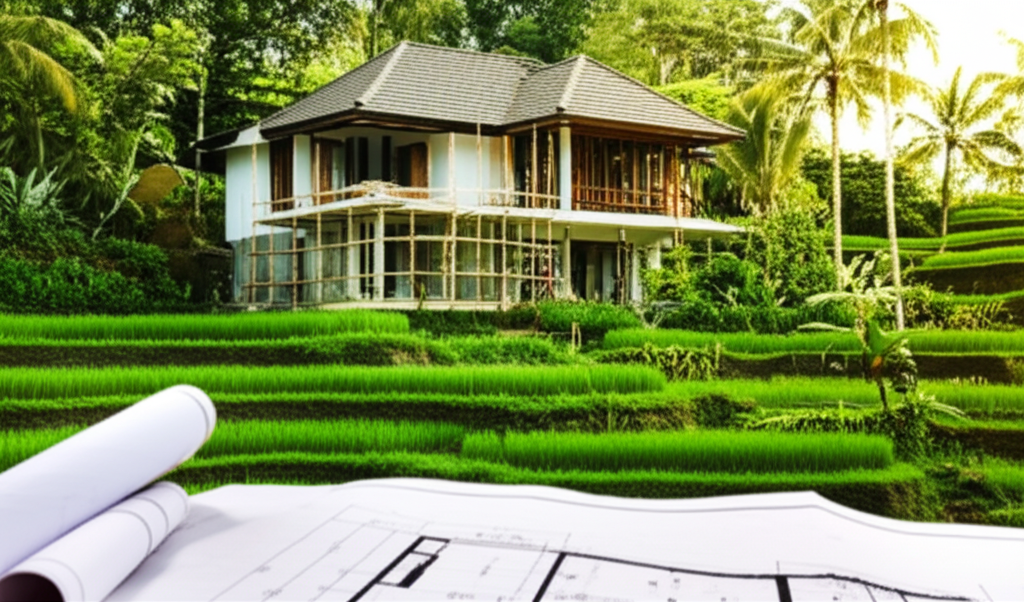
The general process for obtaining a PBG involves several detailed steps. Firstly, architectural drawings, structural calculations, and a site plan must be prepared by a licensed architect and engineer, adhering to specific technical requirements. These documents are then submitted to the local government’s Investment and One-Stop Integrated Services Agency (DPMPTSP). The application undergoes a rigorous review process, where various departments assess compliance with spatial planning regulations (Rencana Tata Ruang Wilayah – RTRW), which dictate land use, building height limits, setbacks from boundaries, and the overall density permitted in an area. Environmental permits, such as an Environmental Management Effort (UKL) and Environmental Monitoring Effort (UPL) report, or even a full Environmental Impact Analysis (AMDAL) for larger projects, may also be required, ensuring the construction minimises its ecological footprint. Furthermore, permits for connecting to essential utilities like electricity and water, along with approvals for waste management plans, are integral parts of the overall regulatory framework.
Compliance with all local regulations is absolutely paramount to ensure a smooth and legal building process for your Bali villa. Any deviation or attempt to bypass these requirements can lead to significant delays, financial penalties, and potentially the halting of your construction project. It is advisable to engage a professional general contractor in Bali or project management firm that has extensive experience navigating these local bureaucratic processes. They can guide you through each step, ensuring all documentation is accurate, submissions are timely, and your project remains compliant from conceptualisation to completion. This diligent adherence to legal and regulatory frameworks lays the undisputed groundwork for a successful, stress-free, and ultimately rewarding Bali villa construction journey.
Designing Your Tropical Haven Balinese Architectural Principles
After successfully navigating the foundational and legal complexities of land acquisition and permits for your Bali villa, the exciting phase of design commences. This is where your vision truly begins to take shape, intertwining with the island’s profound architectural philosophy and commitment to sustainable living. Crafting a custom villa in Bali is an art, deeply rooted in authentic Balinese architectural principles that seek to create harmony not just within the structure itself, but also with its natural surroundings and the spiritual realm.
Central to Balinese design is the philosophical underpinning of Tri Hita Karana, a concept emphasizing three causes of well-being and happiness: harmony among people, harmony with nature, and harmony with God. This profound belief system guides every aspect of traditional Balinese architecture and can be beautifully woven into contemporary villa designs. For instance, creating harmony with nature translates into designs that respect the existing landscape, integrate lush gardens, and maximize natural light and airflow. Buildings are often oriented to capture breezes and sunlight while minimizing their impact on the environment. Harmony among people is reflected in spaces designed for communal living and comfortable individual retreats, fostering a sense of peace and connection. Finally, harmony with God encourages the incorporation of spiritual elements, from strategically placed altars and offerings to the respectful orientation of sacred spaces within the property, often facing Mount Agung.
Another influential concept is Tri Mandala, which dictates spatial divisions based on their sacredness. This principle divides a property into three distinct zones: Nista Mandala (the outer, profane zone, typically the entrance or service areas), Madya Mandala (the middle, semi-sacred zone, housing living areas and bedrooms), and Utama Mandala (the innermost, sacred zone, often reserved for family temples or highly revered spaces). In modern villa designs, Tri Mandala can guide the thoughtful layout of your property, ensuring a natural flow from public entertaining spaces to private sanctuaries. This might manifest as clearly defined entrance courtyards, expansive living pavilions opening to swimming pools and gardens, and secluded bedroom suites, all contributing to an organized, intuitive, and spiritually resonant living experience. Understanding these principles allows for the creation of a Bali villa that is not merely a structure, but a living extension of the island’s cultural soul. For more insights into crafting your ideal island home, explore designing your perfect island home.
The selection and integration of local, natural materials are paramount in achieving both aesthetic appeal and functional benefits within Bali’s tropical climate. Thatch roofing, a hallmark of Balinese architecture, comes in several forms: ijuk (black palm fiber), coconut/rumbia leaves, and sirap (wooden shingles, typically ironwood). Ijuk and coconut/rumbia thatch offer exceptional insulation, keeping interiors cool during hot days and providing warmth during cooler evenings. They lend an unmistakable organic charm and integrate seamlessly with the natural landscape. Sirap, while also providing good insulation, offers a more refined, durable, and fire-resistant option.
Bamboo stands as a marvel of sustainable construction in Bali. Its incredible strength-to-weight ratio, rapid growth, and versatility make it ideal for structural elements, walls, flooring, and decorative features. From robust columns to intricate weaves, bamboo adds an authentic, earthy elegance. Coconut wood, often sourced from older, non-fruit-bearing trees, presents a sustainable alternative to traditional hardwoods. Its distinctive grain and robust nature make it suitable for structural beams, flooring, and furniture. For more premium applications, teak wood remains a highly sought-after material, celebrated for its unparalleled durability, natural resistance to pests and moisture, and rich, golden hue, often utilized for elegant flooring, doors, windows, and exquisite carvings. Local stone, such as sandstone and andesite, is extensively used for foundations, retaining walls, paving, and decorative elements, providing a natural, grounding aesthetic and excellent thermal mass properties that help regulate indoor temperatures. Traditional bricks also play a vital role, offering structural integrity and contributing to the island’s vernacular architecture.
Sustainable design elements are not just trends; they are intrinsic to comfortable and responsible villa construction in Bali. Passive cooling strategies are crucial, leveraging the island’s natural breezes. This involves designing villas with high ceilings to allow hot air to rise, and implementing cross-ventilation through strategically placed windows and doors that facilitate continuous airflow. Effective shading, achieved through generous roof overhangs, deep verandas, pergolas, and strategically planted vegetation, prevents direct solar gain, keeping interiors naturally cooler. Maximizing indoor-outdoor connections is another cornerstone, achieved through expansive sliding glass doors, open-air living pavilions, and seamless transitions to terraces, gardens, and swimming pools. These elements create an environmentally responsive and comfortable living space, blurring the lines between habitation and nature, and reducing the reliance on energy-intensive air conditioning. To delve deeper into eco-conscious building, consider learning about sustainable design in Bali.
Engaging with local Balinese architects and designers is an invaluable step in this journey. Their profound understanding of traditional architectural principles, local building codes, material availability, and climatic considerations is unmatched. They possess the expertise to translate your vision into a design that is not only aesthetically pleasing and functional but also deeply culturally resonant. These professionals can guide you in integrating the rich artistry in ornamentation and sculpture that defines traditional Balinese architecture. Imagine intricately carved stone reliefs depicting mythological tales or elegant wooden panels adorning your living spaces, each piece imbued with local craftsmanship and spiritual significance. Collaborating with local talent ensures that your Bali villa will be an authentic tropical haven, a testament to both modern luxury and timeless Balinese heritage. For a comprehensive overview of the construction process, from initial designs to final touches, explore our insights on expert construction from start to finish. Our team is ready to guide you through every step, ensuring your dream villa construction in Bali is realized with confidence and expertise.
The Art of Building in Paradise Construction and Project Management
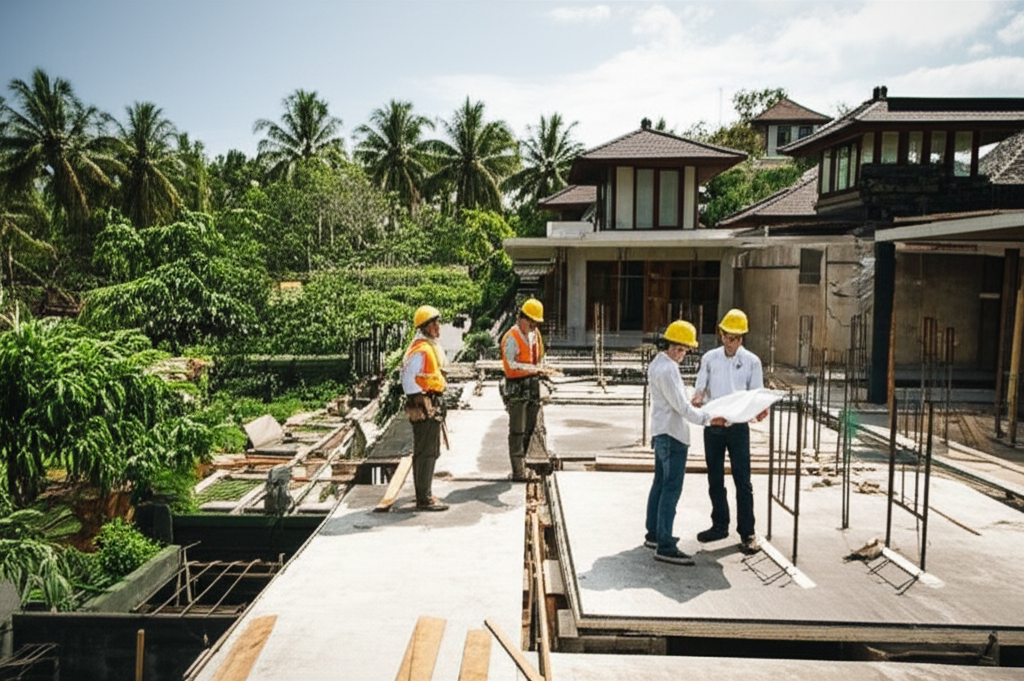
The journey of building your Bali villa transitions from conceptual designs to tangible structures through a meticulously orchestrated construction process. This phase begins with comprehensive site preparation, an often-underestimated but critical step. It involves clearing the land, ensuring proper access for materials and machinery, and setting up temporary utilities and site offices. Following this, meticulous foundation installation is paramount, especially given Bali’s geological context. Geotechnical surveys inform the most appropriate foundation type, whether it’s a raft, pile, or strip foundation, designed to provide superior stability against potential seismic activity and varying soil conditions. Reinforcement with high-grade steel rebar and precise concrete pouring are executed to exacting standards, forming the bedrock of a resilient structure. Once the foundation is solid, the structural work commences. This involves the erection of a robust framework, typically utilizing reinforced concrete columns and beams that are expertly formed and poured. These elements provide the skeletal strength of your villa, built to withstand the tropical climate’s demands. Walls are then constructed using quality bricks or concrete blocks, laid with precision to create the designated spaces outlined in your architectural plans. The structural integrity at this stage is continually verified through rigorous inspections. Finally, the roofing phase protects the entire structure. While the aesthetic choices for roofing materials, such as various types of thatch or traditional tiles, are made during the design process, the construction aspect focuses on proper installation techniques to ensure watertight seals, effective insulation against the tropical sun, and robust anchoring to resist strong winds. Attention to detail here prevents future leaks and helps maintain comfortable interior temperatures.
While the previous chapter explored the aesthetic and philosophical aspects of material choice, here we delve into their functional implications for constructing your Bali villa. Durability and resilience are key. Materials must withstand intense UV radiation, heavy tropical rainfall, and high humidity without succumbing to rot, mold, or degradation. For instance, specific treatments are applied to wooden elements, beyond their natural beauty, to enhance their resistance against termites and other common tropical pests. Similarly, local stone, while beautiful, needs to be correctly sourced and installed to prevent issues with moisture retention. Concrete mixes are carefully formulated to ensure optimal strength and longevity in this climate. Seismic considerations are integrated into every structural element, not just the foundation. This includes reinforcing concrete with appropriate rebar spacing and ensuring flexible connections where necessary to allow the building to sway safely during an earthquake. Effective pest control strategies are also woven into the construction fabric from the outset; this isn’t just about post-construction spraying, but incorporating physical barriers, treated timber, and design choices that minimize entry points for insects and other critters.
A successful villa construction Bali hinges on stringent quality control measures implemented throughout every phase. This means continuous oversight from the initial rebar cage assembly in the foundation to the final electrical wiring and plumbing installations. Each batch of concrete is tested for strength, walls are checked for plumb and level, and every structural connection is verified against engineering specifications. This relentless pursuit of quality ensures that your investment stands the test of time and delivers the comfort and safety you expect. Complementing this is effective project management, which acts as the backbone of the entire endeavor. A skilled project manager develops a comprehensive schedule, meticulously tracking progress against milestones and adapting to unforeseen challenges with agility. They are responsible for diligent budget management, ensuring that resources are allocated efficiently to prevent cost overruns, a common pitfall in complex builds. This involves rigorous cost tracking, proactive procurement, and maintaining strong relationships with suppliers.
The engagement of skilled local craftsmen and contractors offers invaluable benefits to your Bali villa project. Their deep understanding of traditional Balinese building techniques, passed down through generations, allows for an authentic integration of local aesthetics with robust construction methods. They possess an intimate knowledge of local materials, knowing precisely how to source, treat, and apply them for optimal performance and longevity in the tropical environment. This local expertise not only ensures culturally resonant craftsmanship but also translates into efficiency, as they are adept at working with available resources and have established supply chains. Beyond technical skills, local teams bring an inherent respect for the land and its traditions, often working with a communal spirit that contributes positively to the construction atmosphere. Partnering with the best local contractors for your Bali project is an investment in both quality and cultural authenticity.
Effective site supervision is paramount to maintaining the project’s integrity, schedule, and budget. This involves daily monitoring of work, ensuring adherence to architectural plans and engineering specifications, and promptly addressing any on-site issues. Regular progress meetings, both on-site and remotely, keep all stakeholders informed and aligned. Transparent and consistent communication strategies are crucial; this means clear reporting from the site manager to the project manager and, ultimately, to you, the client. Utilizing modern communication tools for sharing photos, videos, and daily logs can provide a real-time window into the progress, even if you are not physically present. Proactive problem-solving, immediate clarification of doubts, and a collaborative approach ensure that any potential deviations from the plan are identified and corrected swiftly. This proactive approach, coupled with a commitment to construction quality control in Bali, ensures that your vision for your Bali villa is realized exactly as intended, leading smoothly into the finishing stages where your tropical haven truly begins to take shape.
From Vision to Reality Finishing Touches and Handover
From Vision to Reality Finishing Touches and Handover
As the structural integrity of your Bali villa takes its final form, and the meticulous process of site preparation, foundation laying, and robust structural work discussed in previous chapters culminates, attention gracefully shifts to transforming the raw construction into a living, breathing sanctuary. This crucial stage, often overlooked in its complexity, is where the vision truly crystallizes, adding layers of comfort, beauty, and functionality that define your island home. This is where your Bali villa awaits, meticulously crafted from the inside out, moving beyond mere walls to embody a lifestyle.
The interior design choices are paramount in reflecting the tranquil spirit of Bali and harmonizing with its tropical environment. Far from being a mere afterthought, interior design should be thoughtfully integrated from the initial planning stages to ensure a seamless aesthetic. Consider a palette that embraces natural, earthy tones, complemented by vibrant accents drawn from local flora and fauna. Furniture selection is key; opt for pieces crafted from sustainable local hardwoods like teak, suar, or rattan, which not only withstand the tropical climate but also infuse a sense of authentic Balinese craftsmanship. Custom-made furniture is often the best approach, allowing for specific dimensions and designs that maximize space and flow, creating open, airy interiors that invite the outside in. Lighting, too, plays a pivotal role in setting the mood. Beyond functional illumination, strategic ambient, task, and accent lighting can highlight architectural features, artwork, and natural textures, transforming spaces from day to night. Think about soft, diffused light for relaxation areas and brighter, focused light for tasks. For decor, embrace local artistry: hand-carved wooden panels, intricate textiles, stone sculptures, and vibrant paintings sourced from local markets or artisans will imbue your villa with a unique character and support the local economy. This approach ensures your interiors are not just beautiful but deeply connected to their Balinese context.
Equally vital are the landscaping considerations that sculpt your outdoor oasis. In Bali, the line between indoor and outdoor living is beautifully blurred, and your external spaces are an extension of your home. The goal is to create lush, functional environments that are in perfect harmony with the natural surroundings. Tropical gardens, brimming with vibrant bougainvillea, fragrant frangipani, elegant palm trees, and native ferns, provide both visual appeal and natural cooling. Thoughtful planting can create privacy, shade, and a sense of serenity. A swimming pool is often the centerpiece of a Bali villa, designed not just for recreation but as an aesthetic element. Consider natural stone finishes, infinity edges that blend with the horizon, or surrounding decks made of non-slip, heat-resistant materials. Outdoor living areas, such as shaded pavilions (bales), open-air dining spaces, and comfortable lounging zones, are essential for embracing the island lifestyle. These areas should be strategically positioned to capture breezes, offer stunning views, and provide shelter from the sun or occasional rain. Integrating water features like koi ponds or stone fountains can further enhance the tranquility and natural ambiance. For a deeper understanding of integrating design and structure, you can explore insights into integrated contractor and interior design in Bali.
The often-unseen but critically important aspect of the finishing stages involves the installation of essential utilities. A comfortable and modern villa requires robust infrastructure. For water, this typically involves connecting to a municipal supply or, more commonly in certain areas, utilizing a deep well system with appropriate filtration to ensure potable water. Electrical infrastructure demands careful planning, ensuring sufficient capacity for air conditioning, kitchen appliances, and entertainment systems. Given Bali’s power grid, many villas opt for backup generator systems to ensure uninterrupted power supply. Internet connectivity is no longer a luxury but a necessity; fiber optic connections are becoming more prevalent in developed areas, while satellite or dedicated wireless solutions may be necessary in more remote locales. Ensuring these systems are professionally installed, tested, and meet all safety standards is paramount for a truly comfortable and functional home. To ensure your project benefits from expert oversight, exploring the role of a general contractor in Bali is highly recommended.
Finally, the culmination of your entire villa construction Bali journey arrives with the critical steps involved in final inspections and the official handover process. This is the moment to meticulously review every detail of the completed work. A comprehensive walkthrough with your general contractor and project manager is essential, creating a “snag list” of any minor imperfections, touch-ups, or rectification works required. This could range from paint finishes and door alignments to the functionality of all fixtures and appliances. A reputable contractor will have a defined period for addressing these items to your satisfaction. Alongside physical inspection, the administrative handover is equally vital. Ensure all necessary documentation is in order, including official building permits (IMB/PBG), certificates of occupancy (SLF), warranties for appliances and structural elements, and detailed manuals for installed systems. A thorough handover provides you with peace of mind, ensuring that all legal and practical aspects are covered. With all documentation in hand and your exquisite villa impeccably finished, you can confidently take possession and begin enjoying the unparalleled luxury and tranquility of your new home. For a comprehensive overview of the entire process, refer back to the main article: Your Bali Villa Awaits: Expert Construction from Start to Finish. For those interested in deeper insights into the building process, the Monad Construction Bali Blog offers valuable articles. This meticulous conclusion ensures that your dream of building a villa in Bali transitions smoothly from vision to reality, ready for you to create lasting memories.
Conclusions
Embarking on villa construction in Bali is a transformative journey, culminating in a personalized tropical retreat. By understanding the legal landscape, embracing thoughtful design, meticulous construction, and careful finishing, your dream Balinese villa becomes a tangible reality. With expert guidance and a clear vision, your unique sanctuary in paradise truly awaits, ready to offer unparalleled comfort and serenity.