Table of Contents
- Laying the Foundation Understanding Bali’s Unique Building Landscape
- Navigating Regulations and Permits for Your Bali Villa
- Designing Your Dream Villa Blending Aesthetics and Functionality
- The Construction Journey From Groundbreaking to Handover
- Sustainable Living and Post-Construction Care
- Conclusions
Welcome to the enchanting world of Bali, where the dream of owning a villa becomes a stunning reality. This guide unveils the intricate journey of villa construction in Bali, from the initial spark of an idea to the final breathtaking handover. We delve into expert insights, local nuances, and crucial steps, ensuring your investment blossoms into a tropical sanctuary. Prepare to explore the fascinating process of crafting your bespoke haven on the Island of Gods.
Laying the Foundation Understanding Bali’s Unique Building Landscape
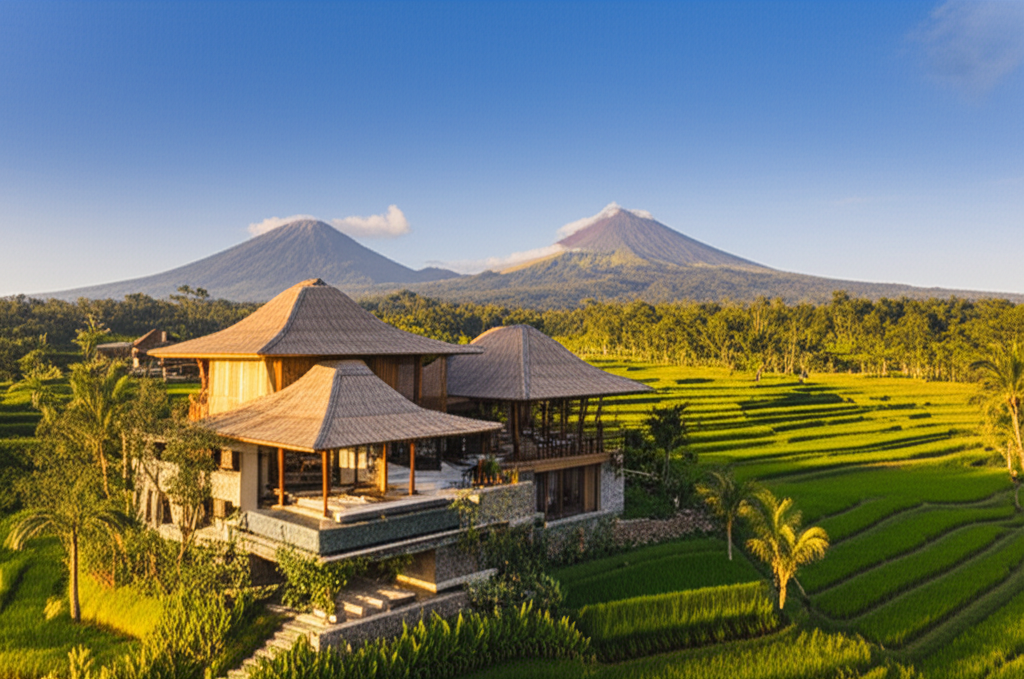
Bali’s allure as a destination for villa construction Bali is undeniable, drawing investors and dream-home seekers alike with its enchanting blend of natural splendor, vibrant cultural tapestry, and robust tourism sector. The island offers a breathtaking canvas, from the emerald terraces of its rice paddies and the dramatic slopes of its volcanoes to its pristine coastlines and iconic surf breaks. This diverse topography provides a wealth of scenic locations, each offering a unique backdrop for a bespoke villa. Beyond its visual charm, Bali is a living cultural museum, where ancient Hindu traditions are woven into daily life. Elaborate ceremonies, traditional arts, and a profound sense of community infuse the island with an inimitable spirit that many seek to integrate into their living spaces. This deep cultural richness not only offers an inspiring aesthetic but also fosters a respectful approach to development. Economically, Bali’s enduring popularity as a global tourism hotspot ensures a constant demand for high-quality accommodation, making villa development a compelling investment opportunity with significant rental yield potential. These combined factors solidify Bali’s position as an exceptional choice for those embarking on the journey of building a dream villa.
Before any physical groundwork begins, a thorough understanding of Indonesia’s foundational legal framework is paramount for Your Bali Villa Awaits: Expert Construction from Start to Finish. Indonesia operates under a civil law system, a legacy of its historical ties, which governs broad aspects of property and contractual agreements. However, this national framework is uniquely complemented and often influenced by the co-existence of local customary law, known as *adat*, particularly prominent in Bali. Adat law plays a significant role in community land matters and traditional practices, often interacting with or even superseding certain aspects of formal legislation in specific contexts. Furthermore, the legal landscape is multi-layered, comprising national laws, provincial regulations specific to Bali, and even more localized city or regency ordinances. Navigating this intricate hierarchy of legislations requires careful consideration and expert guidance. Disregarding any layer of this legal system can lead to substantial delays, legal challenges, and unforeseen costs. Therefore, early engagement with qualified legal professionals who specialize in Indonesian property and construction law is not just advisable but essential to establish a solid legal footing for your project. This foundational understanding sets the stage for comprehending the specific permits and compliance requirements detailed in subsequent discussions.
The groundwork for construction in Bali extends far beyond legalities; it demands an intimate understanding of the island’s unique environmental and cultural nuances. Bali’s tropical climate, characterized by distinct wet and dry seasons, profoundly influences architectural design and material selection. Considerations such as optimal ventilation, robust drainage systems to manage heavy rainfall, and the selection of materials resilient to humidity and intense sun are critical for the longevity and comfort of your villa. Soil conditions, which can range from volcanic to coastal sands, necessitate specific foundation technologies to ensure structural integrity. Understanding the local topography is also vital for maximizing views, optimizing natural light, and integrating the villa seamlessly into its surroundings. Culturally, Balinese architectural principles, deeply rooted in the philosophy of *Tri Hita Karana* (harmony between humans, nature, and God), offer invaluable guidance. This philosophy encourages respectful site placement, often orienting buildings in deference to sacred mountains or the sea, and integrating natural elements. The use of locally sourced materials and the embrace of traditional Balinese craftsmanship not only support local communities but also imbue the villa with an authentic sense of place. Ignoring these sensitivities risks creating a structure that feels alien to its environment or, worse, offends local customs. Therefore, comprehensive early-stage research into these environmental and cultural factors is not merely a design preference but a fundamental requirement, shaping every aspect of the architectural blueprint and construction methodology to ensure your Bali villa truly becomes a harmonious part of its paradise setting. This deep engagement ensures that Bali villa architecture is not just built, but thoughtfully crafted.
Navigating Regulations and Permits for Your Bali Villa
Successfully navigating the legal and bureaucratic landscape is a cornerstone of any successful *villa construction Bali* project. While the allure of creating Your Bali Villa Awaits: Expert Construction from Start to Finish is strong, understanding the essential permits and ownership structures is paramount. The primary permit required for any construction endeavor in Indonesia is the Izin Mendirikan Bangunan (IMB), which translates to Building Permit. Although the specifics of its application and exact terminology may evolve (and have recently transitioned to a system involving Persetujuan Bangunan Gedung or PBG, reflecting a shift towards performance-based building approvals), its fundamental purpose remains unchanged: to ensure that your proposed structure complies with local zoning laws, safety standards, architectural guidelines, and environmental regulations. It is a critical safeguard, ensuring the structural integrity of the building, the safety of its occupants, and its harmonious integration into the surrounding community. Without this crucial approval, any construction would be deemed illegal, leading to potential fines, demolition orders, and significant legal complications, thereby jeopardizing your entire investment. Securing a building permit is a detailed process that typically involves submitting architectural drawings, structural calculations, environmental impact assessments (depending on the project’s scale), and proof of land ownership or right to build.
Beyond the actual construction permits, the complexities of land ownership for foreigners in Indonesia present another vital area for careful consideration. Indonesian law generally prohibits direct freehold land ownership by foreign individuals. This necessitates creative and legally sound structures to enable foreigners to develop property. Two common and legitimate avenues include *Hak Guna Bangunan* (HGB), or the Right to Build, and *Hak Sewa*, which refers to leasehold agreements. Hak Guna Bangunan grants a foreign-owned company (PMA or Penanaman Modal Asing) the right to construct and possess a building on a plot of land for a set period, typically 30 years, extendable for further terms. This structure is often preferred for larger investment projects or commercial ventures, as it provides a more robust legal basis for development and potential resale through the company. For individual investors, the *Hak Sewa* or leasehold agreement is a widely utilized and effective option. Under a leasehold, a foreign individual leases land from an Indonesian owner for a predetermined period, often ranging from 25 to 30 years, with options for extensions. This grants the lessee the full right to use and develop the land for the duration of the lease, including building a villa. Crucially, the lease agreement should be meticulously drafted by legal professionals and registered to protect the foreign investor’s rights. Understanding these distinctions and choosing the appropriate ownership structure is fundamental to the long-term security of your investment. You can find more detailed information on ownership structures by exploring Bali property investment unveiled: freehold vs leasehold for foreigners.
Given these intricate legal frameworks, the indispensable role of experienced local professionals cannot be overstated. Engaging reputable local notaries, legal consultants, and building permit agents is not merely a convenience; it is a critical investment in the security and smooth progression of your villa project. A local notary will ensure all land transactions and agreements are legally sound and properly registered, acting as an impartial legal witness. Legal consultants specialized in Indonesian property law can guide you through the nuances of ownership structures, contractual agreements, and dispute resolution. Building permit agents possess invaluable knowledge of the latest regulations, local government processes, and established relationships, which can significantly expedite the often-complex permit application process. These professionals will act as your advocates, navigating the bureaucracy, verifying documentation, and ensuring compliance at every stage. For comprehensive guidance on permits, consider reviewing Building Dreams in Paradise: Your Guide to Permits in Bali and Navigating the PBG Process for Building in Bali: A Comprehensive Guide. Their expertise is vital in preventing costly delays, legal pitfalls, and misunderstandings that can arise from a lack of familiarity with the local system.
The cornerstone of a secure and compliant project lies in rigorous *due diligence* and the establishment of crystal-clear contractual agreements. Before any significant financial commitment, thoroughly research the land’s history, zoning status, and any encumbrances. Verify the seller’s legitimacy and the authenticity of all land certificates. Engage your legal team to conduct comprehensive land checks and scrutinize all proposed agreements. This includes purchase agreements, leasehold contracts, and construction contracts. Every detail, from payment schedules and material specifications to timelines and dispute resolution mechanisms, should be explicitly defined and mutually agreed upon. Ambiguity in contracts is a breeding ground for future disputes and financial losses. Ensure all agreements are translated and understood by all parties, and that local customs and practices are respected while maintaining legal robustness. By prioritizing transparent communication, diligent vetting of all parties involved, and legally watertight agreements, you lay a solid foundation for a stress-free and ultimately successful construction journey, leading to the realization of your Bali villa dream. This meticulous approach to legal and regulatory compliance is an integral part of expert construction from start to finish.
Designing Your Dream Villa Blending Aesthetics and Functionality
Designing your dream Bali villa is an exhilarating journey, one where creativity meets the lush tropical landscape to forge a truly unique sanctuary. After navigating the essential legalities and permits, as discussed in the previous chapter on Bali building regulations, the focus shifts to bringing your vision to life through thoughtful design. This process is about more than just aesthetics; it’s about crafting a home that breathes with its surroundings, blending modern comfort with the timeless serenity of Balinese architectural traditions.
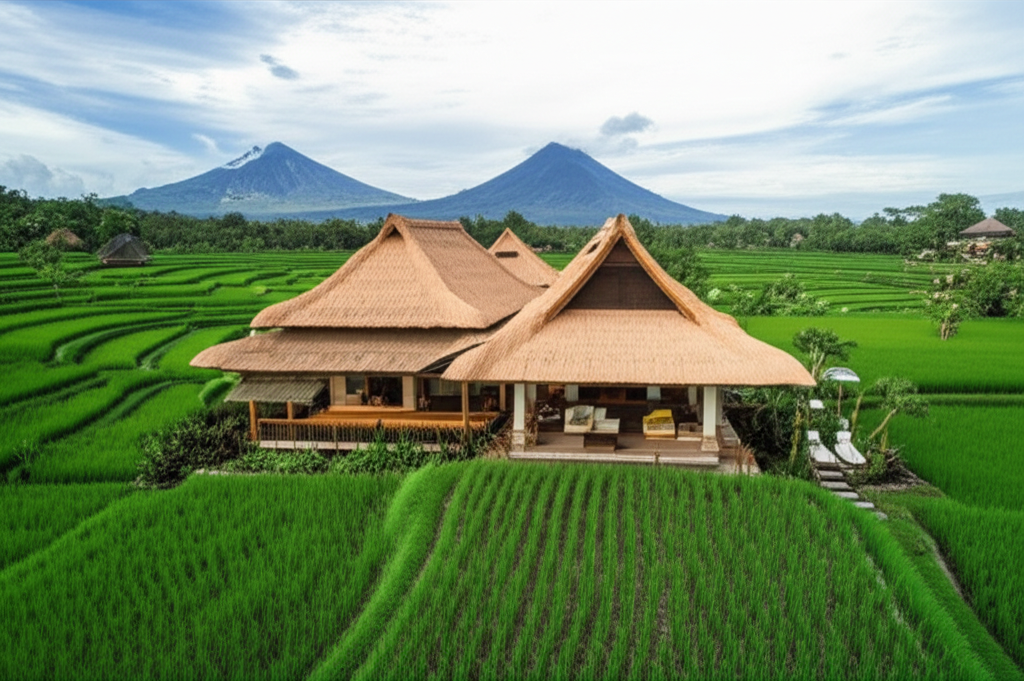
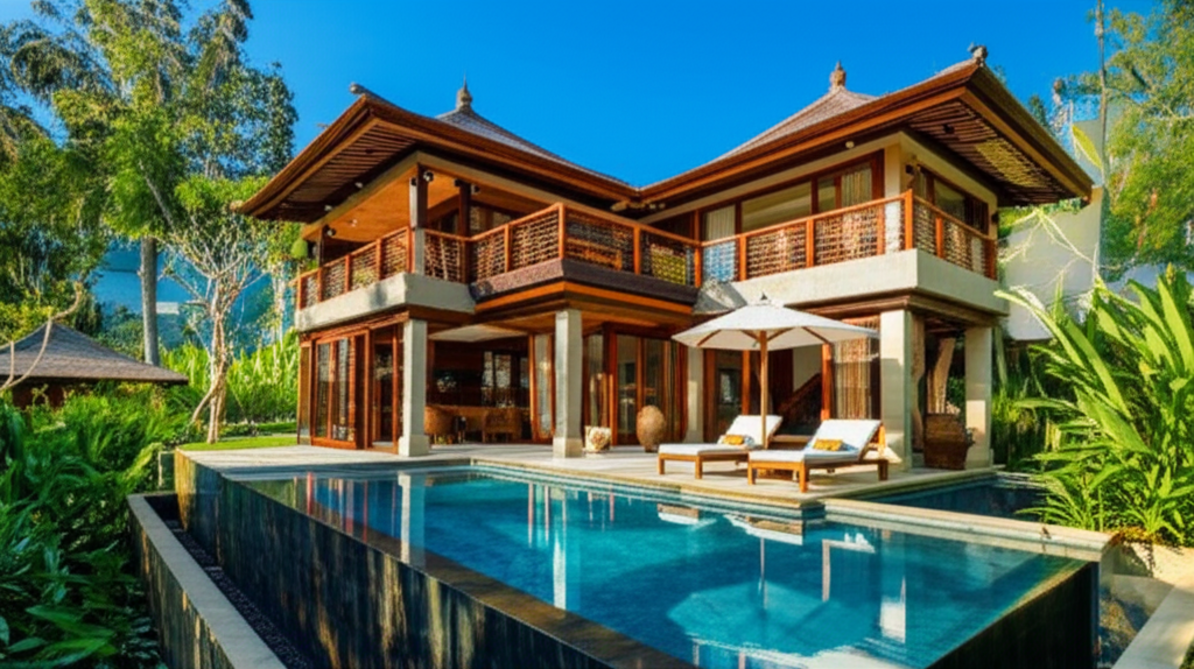
The core of Balinese villa design lies in its harmonious relationship with nature. This philosophy translates into key design principles such as open-plan layouts, which blur the lines between indoor and outdoor living. Imagine vast living areas that flow seamlessly onto spacious terraces, inviting the gentle breeze and natural light into every corner of your home. Natural ventilation is paramount in Bali’s tropical climate, meticulously integrated through strategic window placement, high ceilings, and traditional alang-alang (thatch) roofs or well-ventilated timber structures that allow air to circulate freely. Integrating your villa with nature isn’t merely about views; it’s about incorporating lush gardens, water features, and existing trees into the architectural plan, creating pockets of tranquility and privacy. This approach ensures that your villa doesn’t just sit *on* the landscape but becomes an *extension* of it.
The selection of materials plays a pivotal role in achieving this seamless integration and is fundamental to expert construction from start to finish. Bali offers a treasure trove of indigenous resources that are both aesthetically appealing and perfectly suited for its climate. Bamboo, championed by visionaries like Elora Hardy and her work with Ibuku, stands out as a remarkably strong, sustainable, and versatile material that evokes a natural, earthy elegance. Its lightweight nature and rapid growth make it an eco-conscious choice, offering excellent thermal properties to keep interiors cool. Local stone, such as paras (volcanic tuff), provides structural integrity and a grounded, organic feel, often used for feature walls, pathways, and outdoor showers. Rich local woods, including teak and ironwood, are prized for their durability and natural beauty, lending warmth and character to flooring, decking, and intricate carvings. Traditional thatch roofing (alang-alang) not only offers superior insulation, keeping interiors cool, but also adds an iconic Balinese charm, while modern alternatives can emulate its look with enhanced longevity. Utilizing these materials not only reduces the environmental footprint but also ensures your villa resonates with the island’s authentic spirit.
Beyond material choices, sustainable design practices are increasingly vital in Bali, mirroring Indonesia’s broader commitment to environmental stewardship. Incorporating rainwater harvesting systems can significantly reduce reliance on municipal water, providing a sustainable source for irrigation and non-potable uses. Passive cooling strategies, such as strategic shading, cross-ventilation, and the use of thermal mass, minimize the need for energy-intensive air conditioning. The integration of solar energy through photovoltaic panels offers a clean, renewable power source, further enhancing your villa’s eco-friendly credentials. These sustainable elements not only reduce operational costs in the long run but also contribute to the island’s ecological well-being, aligning with the principles of responsible sustainable construction in Bali.
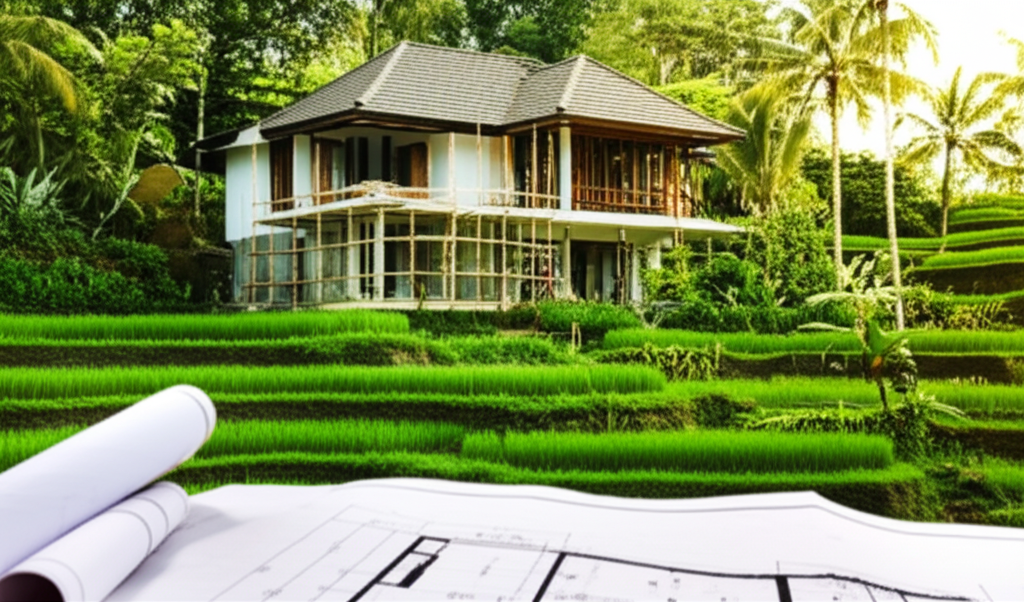
To truly capture the essence of Balinese living while ensuring structural integrity and functional excellence, working with architects and designers experienced in Bali’s unique environmental and cultural context is invaluable. These local experts possess an intimate understanding of zoning regulations, material sourcing, climactic challenges, and traditional aesthetics. They can translate your personal vision into a design that is not only visually stunning but also practical, durable, and respectful of local customs. Their expertise is crucial in harmonizing your desires with the realities of creative construction in Bali, ensuring your dream home reflects both your individual style and the island’s captivating charm. This partnership is a cornerstone of the entire process, ensuring your Bali villa awaits you with expert construction from start to finish. A seasoned design team will guide you through every decision, from initial concept sketches to detailed blueprints, setting the stage for the physical construction phase that follows.
The Construction Journey From Groundbreaking to Handover
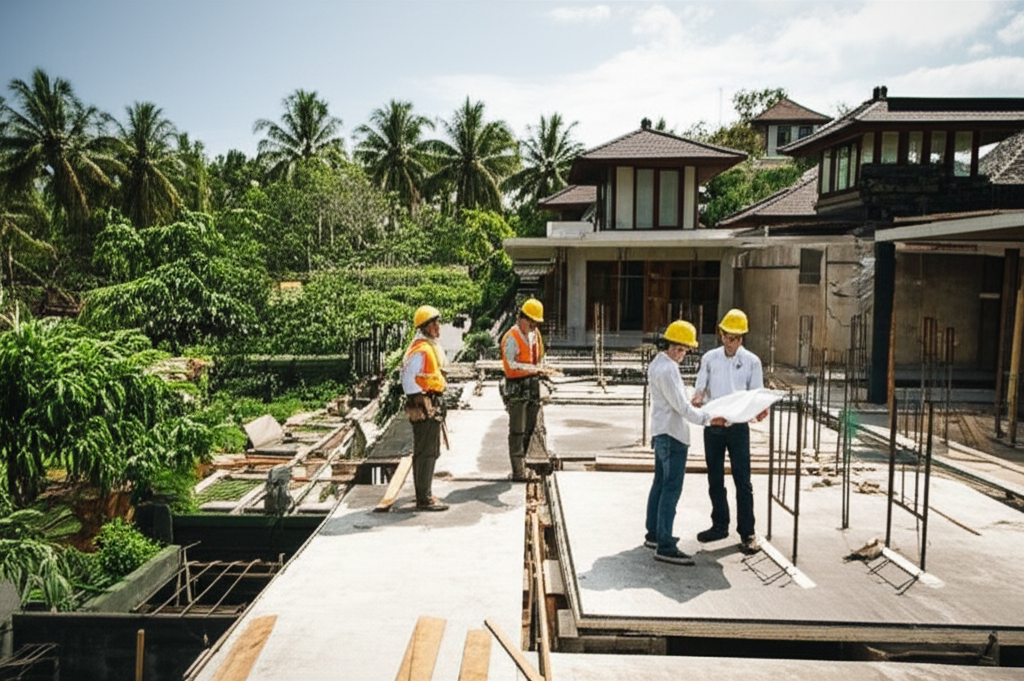
The realization of your Bali villa dream transitions from intricate design to tangible structure through a carefully orchestrated construction journey. This phase, from the initial groundbreaking to the final handover, demands precision, expert oversight, and a deep understanding of local conditions to ensure that your vision of expert construction from start to finish is meticulously delivered. The foundation of a successful build lies in the selection and management of your construction team. It is paramount to engage reputable contractors with extensive experience in villa construction in Bali. Look for teams with a proven track record, positive client testimonials, and a transparent operational philosophy. A local partner often brings invaluable insights into regulatory landscapes, material sourcing, and labor management, making a strong case for choosing local Bali contractors.
Once selected, clear and consistent communication becomes the bedrock of the entire project. This involves regular site meetings, detailed progress reports, and an open channel for addressing queries or making minor adjustments. Crucially, a comprehensive contractual agreement should be in place before any work commences. This document must clearly outline the scope of work, project timelines, detailed budget breakdowns, payment schedules, and mechanisms for dispute resolution. This ensures both parties have a clear understanding of expectations and obligations, minimizing potential misunderstandings in a cross-cultural building environment. Regular site supervision, whether directly by the owner or through a trusted project manager, is essential for maintaining construction quality control in Bali and ensuring adherence to the architectural plans and design specifications.
The practical phases of construction unfold systematically. It begins with *site clearing and preparation*, where the land is readied, utilities are established, and initial groundwork is laid out. Following this, *foundation work* commences, a critical stage that determines the structural integrity and longevity of your villa. Given Bali’s diverse topography and seismic considerations, advanced foundation technologies for enduring properties are often employed, from robust piled foundations to reinforced concrete slabs. Next comes the *structural framing*, which defines the skeleton of your villa, including columns, beams, and floor slabs, often utilizing reinforced concrete for its durability in the tropical climate. After the main structure is in place, *roofing* takes precedence, protecting the interior from the elements. This stage requires careful consideration of materials and design to suit Bali’s tropical climate, ensuring both aesthetic appeal and practical functionality against heavy rains and strong sun.
Simultaneously, *electrical and plumbing installations* are integrated throughout the structure. These “behind-the-walls” elements require meticulous planning and execution by licensed professionals to ensure safety, efficiency, and future accessibility. Finally, the villa moves into the *finishes stage*, where the design truly comes to life. This encompasses everything from wall treatments, flooring (tiles, timber, natural stone), fixed cabinetry, windows and doors, and the installation of all fixtures and fittings. Landscaping, often designed to blend seamlessly with the interior, also begins to take shape.
Building in Bali presents unique challenges that require proactive project management. Logistics for materials can be complex, especially for specialized or imported items, necessitating careful planning and sourcing to avoid delays. Managing local labor involves cultural understanding and clear guidance to ensure consistent quality and efficiency. Furthermore, adapting to Bali’s weather conditions, particularly the rainy season, requires flexible scheduling and the use of weather-resistant materials and construction methods to prevent disruptions and damage. Effective project management strategies are crucial for navigating these complexities, ensuring *quality control* through regular inspections, *adherence to timelines* with realistic scheduling and contingency plans, and stringent *budget management*. Keeping a close eye on expenditures and maintaining transparent financial reporting are key to staying on budget, ensuring that the promise of expert construction from start to finish is not just a slogan but a lived reality, culminating in the handover of your perfectly built Bali villa.
Sustainable Living and Post-Construction Care
The culmination of expert construction from start to finish on your Bali villa is not merely about erecting a beautiful structure; it’s about creating a harmonious, sustainable living space that endures. Integrating sustainability into your villa construction Bali project begins with thoughtful design and material selection. Imagine your new villa constructed with reclaimed hardwoods, often salvaged from old Javanese homes or fishing boats, lending a unique character and rich history while significantly reducing environmental impact. Beyond aesthetics, adopting efficient waste management systems during and after construction is paramount. This involves meticulous sorting of construction debris for recycling, composting organic waste, and minimizing landfill contributions, aligning with Bali’s growing commitment to environmental stewardship. Landscaping plays a vital role, too. Opting for native Balinese plants not only celebrates the island’s natural beauty but also drastically reduces the need for irrigation and maintenance, creating a resilient, eco-friendly garden that thrives in the tropical climate. This thoughtful approach ensures your property becomes a living testament to sustainable design and eco-friendly homes.
Further enhancing this commitment to a forward-thinking lifestyle, smart home technology offers unparalleled benefits for both energy efficiency and security. Picture a system that intelligently manages your villa’s lighting and air conditioning, optimizing usage based on occupancy and external conditions, thereby significantly lowering energy consumption. Integration of solar panels, seamlessly woven into the architectural design, can further reduce your reliance on grid electricity, making your Bali villa a beacon of self-sufficiency. For peace of mind, smart security features, including remote-controlled access, integrated CCTV, and motion sensors, provide robust protection, allowing you to monitor your property from anywhere in the world. This blend of sustainable building practices and cutting-edge technology ensures your villa is not just a home, but a smart, responsible investment, reflecting the innovative spirit of innovative construction in Bali.
Once the final touches are made and your Bali villa awaits, proper post-construction care becomes critical for its longevity, especially in the challenging tropical climate. Routine checks are non-negotiable: regularly inspect roofing for any signs of leakage or damage from heavy rains, ensure all drainage systems are clear to prevent water ingress, and meticulously examine plumbing and electrical installations. The high humidity necessitates constant vigilance against mold and mildew, particularly on organic materials. Pest control is another crucial aspect; Bali’s climate is conducive to various insects, especially termites and mosquitoes. Implementing preventative measures and scheduled treatments will protect your investment. Materials like tropical hardwoods and natural stone require specific upkeep. Wood needs periodic sealing and anti-fungal treatments to prevent rot and pest infestation, while natural stone should be cleaned and sealed to maintain its integrity and prevent staining. Understanding these nuances is part of the broader commitment to building strong in Bali and ensuring the enduring quality of your dream property.
Ultimately, truly embracing a harmonious and sustainable lifestyle in your new Bali villa extends beyond the physical structure. It involves building a strong, respectful relationship with the local community. Engaging with your neighbors, understanding and respecting local customs and traditions, and contributing to the local economy – perhaps by sourcing local produce or employing local staff for maintenance and services – fosters a sense of belonging and mutual respect. This thoughtful integration into the community enriches your own experience and contributes positively to the island’s unique cultural fabric, completing the journey of ‘Your Bali Villa Awaits: Expert Construction from Start to Finish’ with a truly holistic vision for paradise living, guided by expert general contractors in Bali. For further insights into the ongoing life of your villa and the broader building landscape, you can always explore Bali building insights.
Conclusions
Embarking on villa construction in Bali is more than a building project; it’s the creation of a legacy. By understanding the legal landscape, embracing local design, and prioritizing expert execution, your dream villa will stand as a testament to thoughtful planning. We hope this guide has illuminated the path to realizing your Balinese paradise, offering a foundation for a rewarding and beautiful construction journey. Your Bali villa awaits, crafted with expertise from start to finish.