Table of Contents
- Laying the Foundation Understanding Bali’s Unique Landscape and Legalities
- Designing Your Dream Balinese Villa Harmonizing Aesthetics and Functionality
- The Construction Team Building Trust and Expertise
- Sustainable Building Practices and Materials Embracing Eco-Friendly Bali Villas
- Navigating the Construction Process From Groundbreaking to Finishing Touches
- Interior Design and Landscaping Creating Your Balinese Sanctuary
- Post Construction Management and Maintenance Protecting Your Investment
- Conclusions
Dreaming of a bespoke sanctuary amidst Bali’s serene landscapes? Constructing your own villa on the Island of the Gods is an exciting venture that demands careful planning and expert execution. This guide delves into every facet of villa construction Bali, from navigating legalities and choosing the right plot to embracing sustainable design and finding trusted builders, ensuring your vision becomes a breathtaking reality.
Laying the Foundation Understanding Bali’s Unique Landscape and Legalities
Laying the groundwork for your dream villa construction Bali begins with a meticulous understanding of the island’s unique landscape and intricate legal framework. Due diligence in site selection is the cornerstone of a successful project, demanding a thorough evaluation of geographical factors. Consider the terrain – flat plots offer easier construction, while slopes might present stunning views but require more complex engineering for stability and drainage. Proximity to essential amenities such as utilities, accessible roads, and local services significantly impacts both convenience and long-term value. Equally vital is assessing the environmental impact, ensuring your build integrates harmoniously with Bali’s natural beauty and avoids sensitive ecosystems.
Navigating the legalities of foreign ownership and construction is a critical initial step. For foreigners, land lease agreements like Hak Sewa (Right to Lease) and Hak Pakai (Right to Use) are common, offering secure tenure for extended periods. While Hak Milik (freehold) is generally reserved for Indonesian citizens, nominee structures exist but carry inherent risks that require robust legal counsel. Understanding zoning regulations, known as ITR – Rencana Tata Ruang Wilayah, is paramount, as they dictate permissible land usage and building types in specific areas. Obtaining necessary permits, particularly the IMB (Izin Mendirikan Bangunan), the main building permit, and Pondok Wisata if your villa is intended for commercial rental, is non-negotiable for a legal and smooth construction process. This comprehensive approach is part of our commitment to expert construction from start to finish.
Beyond national laws, Balinese customary law (adat) holds significant sway and must be respected. Engaging with the local community, particularly the Banjar (village council), is crucial. Their insights can influence everything from building setbacks to the timing of construction activities, ensuring cultural sensitivity and community acceptance. Ignoring these customs can lead to delays and conflicts. Potential challenges, such as navigating complex bureaucratic processes or unforeseen site conditions, can be mitigated by partnering with experienced local legal advisors and a reputable general contractor in Bali who understands the nuances of island development. This proactive approach ensures a seamless journey from concept to completion. For more insights into permits, visit Building Dreams in Paradise: Your Guide to Permits in Bali.
Designing Your Dream Balinese Villa Harmonizing Aesthetics and Functionality
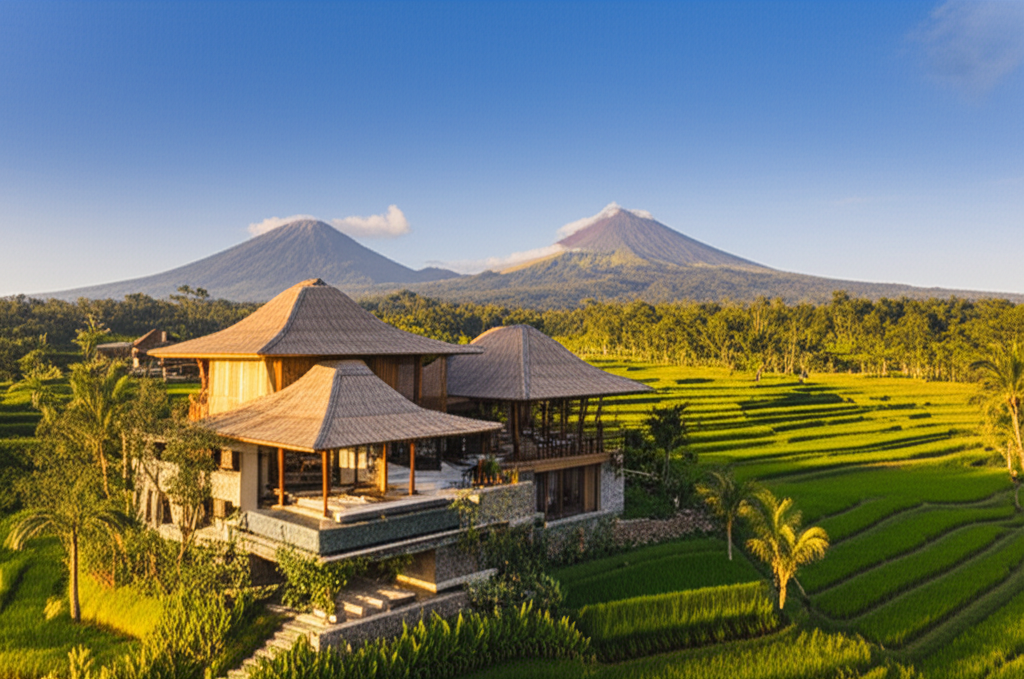
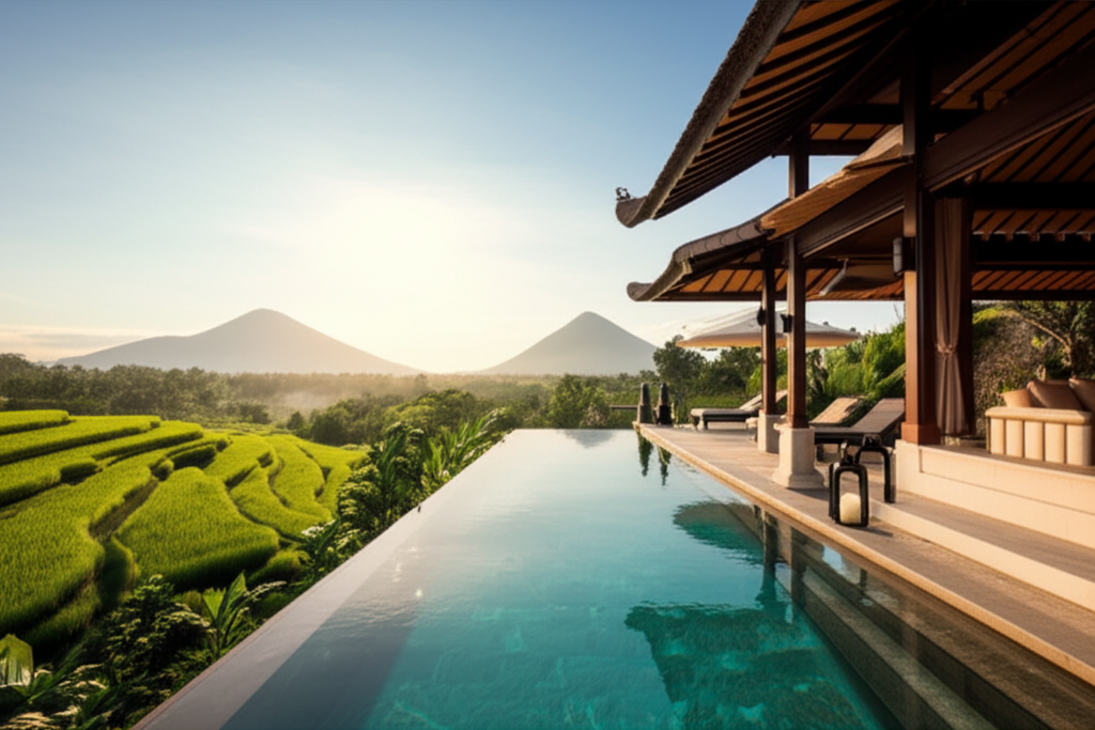
The architectural design phase for your Bali villa is where your vision truly begins to take shape. This critical stage involves harmonizing desired aesthetics with practical functionality, deeply rooted in traditional Balinese architecture. Principles like Tri Hita Karana—emphasizing harmony between God, humans, and nature—guide the layout, promoting open spaces that invite the lush tropical environment indoors. Tri Mandala defines spatial zoning, creating distinct sacred, public, and private areas, while Sanga Mandala dictates a directional layout, often aligning with cardinal points for spiritual balance. Integrating these ancient philosophies with modern comforts means designing for open-plan living, where living areas seamlessly blend with expansive tropical gardens and serene water features. Maximizing natural light and cross-ventilation is paramount, reducing reliance on artificial cooling and embracing Bali’s refreshing breezes.
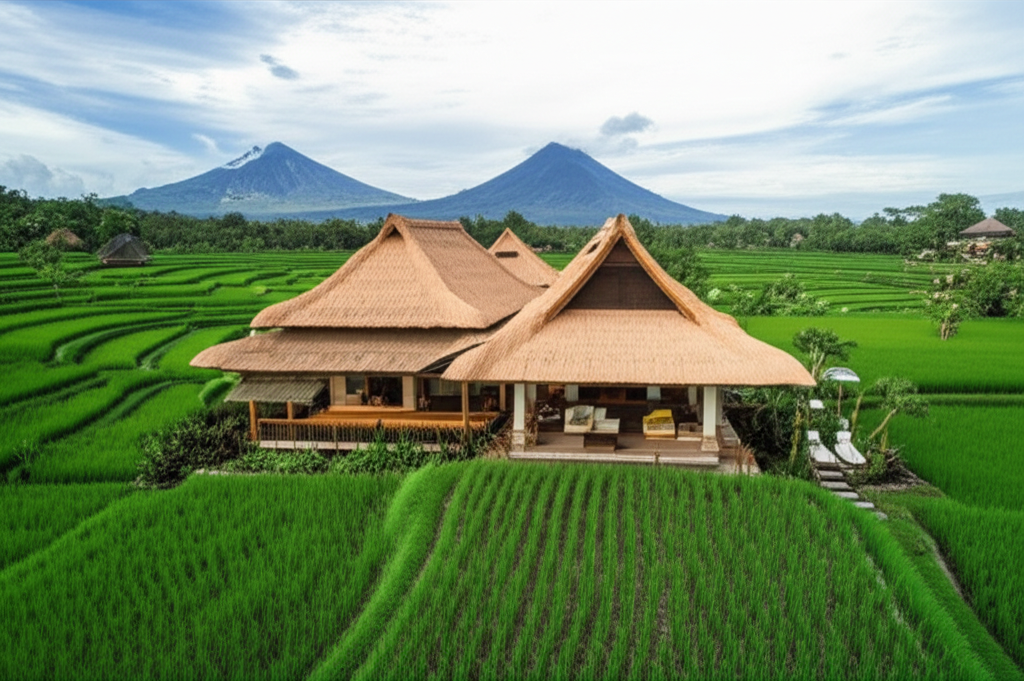
The selection of materials is equally vital, favoring those indigenous to the island for authenticity and sustainability. Consider durable thatch roofing (ijuk) for its traditional charm and natural insulation, or the versatile beauty of bamboo and coconut wood for structural and decorative elements. Local stones like andesite and sandstone lend a timeless, earthy elegance, while rich teak wood is favored for its resilience and classic appeal. Working with architects deeply experienced in tropical and Balinese design is crucial. They understand not only the aesthetic nuances but also the practicalities of building in this unique climate, ensuring your villa is a functional, aesthetically pleasing, and culturally sensitive home. This collaborative design process sets the stage for successful villa construction Bali. For more insights on blending tradition with modern design, explore our blog on Bali villa architecture and consider the architectural requirements in Bali. Prioritizing sustainable structures in Bali is fundamental for a harmonious build.
The Construction Team Building Trust and Expertise
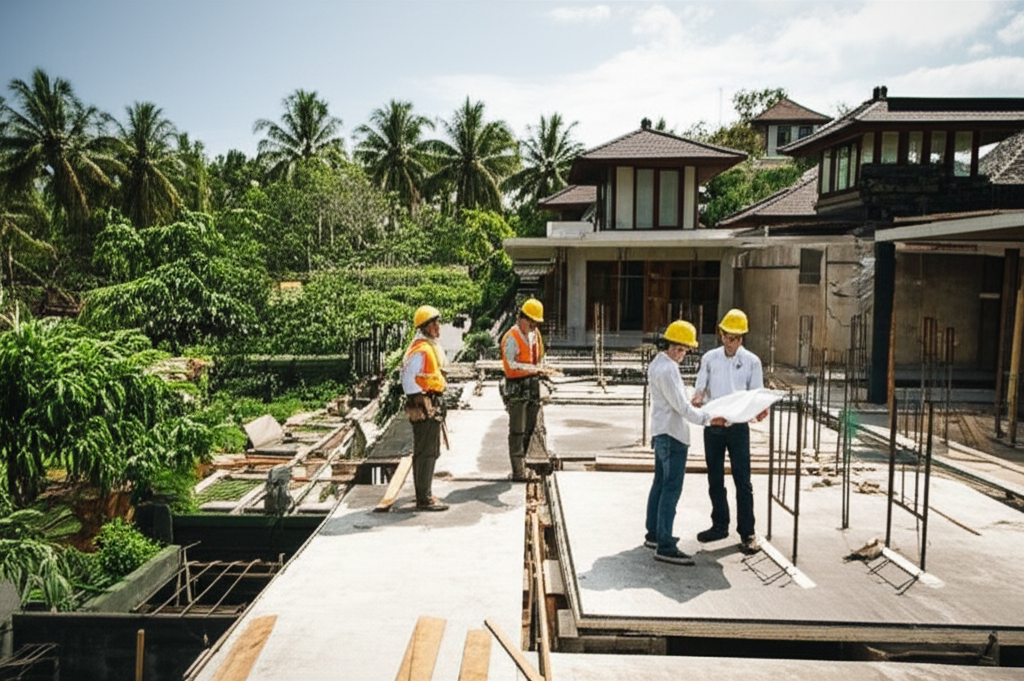
Beginning the actual construction phase for your Bali villa demands assembling a highly skilled and trustworthy team. The foundation of any successful project lies in selecting reputable local contractors and experienced project managers. It is paramount to conduct thorough due diligence, starting with a review of their past projects and portfolios, especially those showcasing expert construction in Bali. Seek out comprehensive references from previous clients, delving into their satisfaction with timelines, budget adherence, and the quality of workmanship. Clear and consistent communication from the outset is non-negotiable, ensuring your vision translates accurately into reality. A transparent general contractor will prioritize this, providing regular updates and promptly addressing concerns.
A typical Bali construction project team comprises several key roles. The project manager serves as your central point of contact, orchestrating all activities, from procurement to supervising day-to-day operations. Beneath them, site supervisors oversee the skilled laborers, including masons, carpenters, electricians, and plumbers, who bring the architectural designs to life. For authentic Balinese aesthetics, specialized artisans may be engaged for intricate carvings or traditional roofing applications.
Formal contractual agreements are indispensable, clearly outlining the scope of work, materials specifications, timelines, and payment schedules. These documents should detail progress-based payments, liquidated damages for delays, and liability considerations to protect all parties. Maintaining effective oversight and stringent quality control throughout the ‘Start to Finish’ process is crucial. Regular site visits, progress reports, and professional inspections ensure the project adheres to the agreed specifications and high construction standards for your Bali villa, safeguarding your investment in paradise. This diligent approach helps to mitigate risks and ensures your dream home is built to lasting perfection.
Sustainable Building Practices and Materials Embracing Eco-Friendly Bali Villas
Embracing eco-friendly practices in villa construction Bali is not merely a trend, but a profound commitment to preserving the island’s natural beauty and ensuring long-term sustainability. This approach to sustainable construction in Bali transcends basic building codes, integrating design principles that significantly reduce environmental impact and operational costs for your dream home. Key among these are advanced green building techniques. Rainwater harvesting systems, for instance, capture Bali’s abundant rainfall, providing a sustainable source for irrigation and non-potable uses, thus conserving valuable fresh water. The integration of solar power is another transformative element, leveraging the tropical sun to provide clean, renewable energy, minimizing reliance on conventional grids and substantially lowering electricity bills. Furthermore, intelligent architectural design prioritizes natural ventilation systems, harnessing cross-breezes and strategic openings to maintain comfortable indoor temperatures without heavy reliance on air conditioning, aligning with the relaxed Bali lifestyle.
Beyond these technical innovations, the selection of materials plays a critical role in responsible villa construction Bali. Moving past conventional options, our focus shifts to sustainable and locally sourced alternatives like recycled wood, which minimizes deforestation, and engineered bamboo, a rapidly renewable resource offering exceptional strength and aesthetic appeal. The use of low-VOC (Volatile Organic Compound) finishes ensures healthier indoor air quality, contributing to a truly responsible Bali villa. Thoughtful site orientation, meticulous landscaping, and the preservation of existing trees are not just aesthetic considerations; they are crucial elements of passive cooling and energy efficiency. Strategically placed trees offer natural shade, reducing solar heat gain, while building orientation can maximize natural light and airflow, further lowering energy consumption. These conscious choices not only protect Bali’s delicate ecosystem but also foster a deep connection with the island’s spirit of harmony with nature, creating a sanctuary that is both luxurious and environmentally sound. For further insights into innovative building, explore innovative construction in Bali.
Navigating the Construction Process From Groundbreaking to Finishing Touches
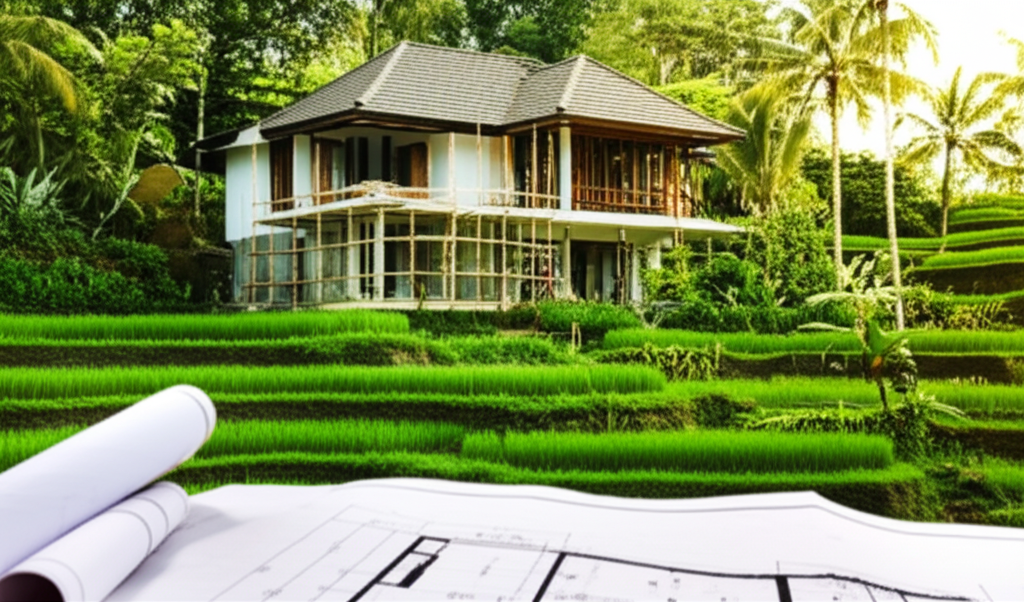
The journey of realizing your Bali villa begins with meticulous site preparation, involving surveying, clearing, and leveling the land. Following this, the foundation is laid – a cornerstone for any enduring structure in Bali’s unique environment. Whether opting for robust concrete footings, reinforced steel frames, or a strategic mix, the structural framework provides the skeleton of your dream home. Expertise in foundation installation and structural construction is paramount for stability and longevity.
Once the structure takes shape, attention turns to the building’s envelope. Roofing, often incorporating traditional Balinese elements or modern flat designs, is installed to provide essential protection from the tropical climate. Concurrently, walls are erected, defining the internal spaces. Vital utility installations, including comprehensive electrical wiring, efficient plumbing networks, and crucial wastewater treatment systems, are seamlessly integrated for optimal functionality, all designed to local standards.
As the physical shell nears completion, the focus shifts to the aesthetic and functional details. This involves the careful selection and application of interior and exterior finishes. Elegant flooring (natural stone, polished concrete) and intricate tiling in wet areas contribute significantly to the overall ambiance. Painting sets the mood, and custom joinery – bespoke cabinetry and doors – adds unique craftsmanship. Throughout this process, regular site inspections and strict adherence to architectural plans are non-negotiable. Experienced project management in Bali is essential for anticipating and resolving challenges. Final stages involve system commissioning and rigorous quality checks, ensuring every detail from ‘Start to Finish’ meets expectations. This meticulous approach prepares your Bali villa for its interior and exterior transformation.
Interior Design and Landscaping Creating Your Balinese Sanctuary
Once the structural integrity of your Bali villa is assured through meticulous construction from start to finish, the focus shifts to transforming the robust shell into a living, breathing sanctuary. This is where interior design and landscaping converge to create an authentic Balinese experience. For the interiors, the choice of furnishings is paramount, aiming to complement the island’s serene aesthetic. Embrace local artisanal crafts, such as intricately carved wooden furniture, hand-woven textiles, and pottery, which not ably infuse cultural richness but also support local communities. Natural textures like rattan, bamboo, and indigenous hardwoods should be prioritized, contributing to a tactile and organic feel. A harmonious color palette, typically drawing from earthy tones, lush greens, and calm blues inspired by Bali’s natural environment, will foster a tranquil atmosphere. Understanding the local context is key to all aspects of building in Bali.
A hallmark of tropical Bali villas is the seamless integration of indoor and outdoor living spaces. This involves thoughtful architectural design, often featuring expansive sliding doors, open-air living areas, and covered verandas that blur the lines between inside and out, inviting refreshing breezes and natural light indoors.
For the exterior, landscaping plays an equally crucial role in establishing privacy, ambiance, and a sense of paradise. Designing lush gardens with indigenous plants like frangipani, heliconias, and various palm species ensures flora that thrives in Bali’s climate. Integrating tranquil water features, such as koi ponds or natural stone fountains, adds a soothing auditory element. Strategic planting also creates natural screens, enhancing seclusion. Collaborating with experienced interior designers and expert landscapers who possess an intimate understanding of Bali’s unique climate, local materials, and cultural nuances is indispensable. Their expertise ensures the finished environment for your Bali villa is not only visually stunning but also inherently functional, paving the way for easier post-construction management and maintenance. Such partnerships with qualified general contractors in Bali are vital to embody the essence of island living.
Post Construction Management and Maintenance Protecting Your Investment
As your new Bali villa construction nears completion, the focus shifts to the vital final stages: the handover and securing occupancy. A meticulous handover process ensures all agreed-upon specifications and finishes are met. This includes comprehensive final inspections with your chosen general contractor and construction team, meticulously checking every detail from structural integrity to the last paint stroke. Obtaining all necessary legal documentation, notably the Occupancy Permit (often referred to through the newer PBG system in Bali), is paramount for legal occupancy. Understanding and navigating this process is paramount, a topic further elaborated in our comprehensive guide on navigating the PBG process for building in Bali.
Once occupied, establishing a rigorous maintenance schedule is crucial for protecting your investment in Bali’s tropical climate. This encompasses diligent pest control, preventing issues common in humid environments. Material care is equally important: regular treatment for wooden elements against termites and moisture, inspection and potential re-thatching for traditional roofs, and cleaning and sealing of natural stone to prevent mold and mildew. Pool maintenance, involving chemical balancing and filtration system checks, is a daily necessity. For owners who plan to rent out their property or use it as a holiday home, engaging a reputable property management service, or continuing with your trusted general contractor experts in Bali for ongoing oversight, is highly recommended. These services can cover everything from security and staff management (gardeners, housekeepers, pool attendants) to comprehensive rental marketing and guest services. Proactive maintenance and professional management are the cornerstones to ensuring the longevity, sustained value, and high returns of your expertly constructed Bali villa, truly completing the journey of your Bali villa awaits: expert construction from start to finish.
Conclusions
Embarking on villa construction in Bali is a journey that, with expert guidance, culminates in a personal paradise. By understanding the intricate balance of local regulations, sustainable practices, and cultural aesthetics, you can create a home that truly reflects your dreams while respecting the island’s unique spirit. Your Bali Villa Awaits – a testament to thoughtful design and meticulous craftsmanship, ready for you to enjoy for years to come.