Table of Contents
- Navigating the Foundations Legalities and Site Selection
- Crafting Your Vision Balinese Design and Sustainable Practices
- From Groundwork to Structure The Building Journey
- Realizing Your Retreat Interiors Exteriors and Handover
- Conclusions
Embarking on the journey of villa construction in Bali is an exciting prospect, promising a bespoke tropical sanctuary. This article provides a comprehensive guide, from initial concepts to final touches, ensuring your dream Bali villa is expertly realized. We will navigate the intricate processes, legalities, design philosophies, and practical steps involved, making your vision of a perfect Balinese retreat a tangible reality.
Navigating the Foundations Legalities and Site Selection
The journey to building your dream Bali villa commences long before the first shovel breaks ground. It begins with a meticulous initial planning phase, demanding thorough research and clear goal setting. Understanding your vision, whether it’s a serene family retreat, a luxurious rental property, or a blend of both, is paramount. This initial clarity will dictate every subsequent decision, from the choice of location to the intricate design elements and ultimately, the budget.
One of the most critical early decisions is site selection. Bali offers a myriad of landscapes, each with unique advantages and considerations. When scouting for the perfect plot, evaluate factors such as the desired ambiance—do you envision the tranquil rice paddies of Ubud, the bustling energy of Seminyak, or the coastal charm of Uluwatu? Accessibility is key; consider road access, proximity to major infrastructure, and essential amenities like hospitals, international schools, and local markets. The views, whether a sweeping ocean panorama, verdant jungle, or iconic volcano, will profoundly influence your villa’s design and value. Beyond aesthetics, delve into environmental factors: assess soil stability to prevent future structural issues, ensure reliable water sources, and understand local drainage patterns, especially given Bali’s heavy rainfall during the wet season. For a deeper dive into optimal locations, explore Unveiling Bali’s Premier Locations for Villa Construction.
Navigating land ownership laws for foreigners in Indonesia and Bali requires expert guidance. Direct freehold ownership (Hak Milik) is generally reserved for Indonesian citizens. Foreigners commonly opt for leasehold agreements (Hak Sewa), which grant long-term usage rights, typically for 25 to 30 years, often with options for extension. Another avenue involves acquiring land through a local Indonesian legal entity, such as a PT PMA (Perseroan Terbatas Penanaman Modal Asing – Foreign Investment Limited Liability Company), which can hold Hak Guna Bangunan (Right to Build) or Hak Pakai (Right to Use). While nominee structures were once prevalent, they carry significant legal risks and are strongly discouraged. Rigorous legal due diligence is indispensable; consulting with experienced local lawyers is not merely a recommendation but a necessity to mitigate risks and ensure compliance. For a comprehensive overview, see Bali Property Investment Unveiled: Freehold vs. Leasehold for Foreigners.
Equally vital is understanding the process of obtaining essential building permits. The primary permit required is the Persetujuan Bangunan Gedung (PBG), which replaced the Izin Mendirikan Bangunan (IMB). This approval confirms that your building plans comply with local regulations and technical standards. The application typically requires architectural and structural drawings, a land certificate, and personal identification documents. Crucially, you must understand local zoning regulations (Rencana Tata Ruang Wilayah – RTRW) which dictate what can be built where. These regulations cover aspects like green belt areas (often rice paddies), height restrictions, and whether a plot is designated for residential or commercial use. Neglecting these zoning laws can lead to significant delays or even the inability to build. A thorough understanding of this process is detailed in Navigating the PBG Process for Building in Bali: A Comprehensive Guide.
The critical role of legal counsel and local expertise throughout this pre-construction phase cannot be overstated. A local general contractor and legal team will provide invaluable insights into local customs, bureaucracy, and potential pitfalls, ensuring all contracts are sound, permits are processed efficiently, and your project adheres to Indonesian law. This expertise is crucial in mitigating risks and ensuring compliance. To find the right partner, consider Your Key to a Stress-Free Build: Bali’s General Contractor Experts.
Finally, budgeting for initial costs is a significant component of this phase. This includes not only the land acquisition cost (whether leasehold premium or freehold purchase through a legal entity) but also substantial permit fees, professional fees for legal counsel, surveyors, and initial architectural consultations. These upfront investments are crucial for a solid and legally compliant foundation for your Bali villa construction project. Understanding the local context and regulations is the bedrock upon which a smooth and successful build will be realized. For more insights on the entire process, refer to Your Bali Villa Awaits: Expert Construction from Start to Finish.
Crafting Your Vision Balinese Design and Sustainable Practices
Crafting your dream Bali villa begins not with groundbreaking, but with a meticulously developed architectural brief. This foundational document is where your aspirations for a paradise home take tangible form, clearly articulating your vision, lifestyle requirements, budget constraints, and the desired aesthetic for your Bali villa construction. It’s a collaborative dialogue, translating abstract ideas into a comprehensive roadmap that guides every subsequent design decision.
Central to creating an authentic island sanctuary is the integration of Balinese architectural principles.
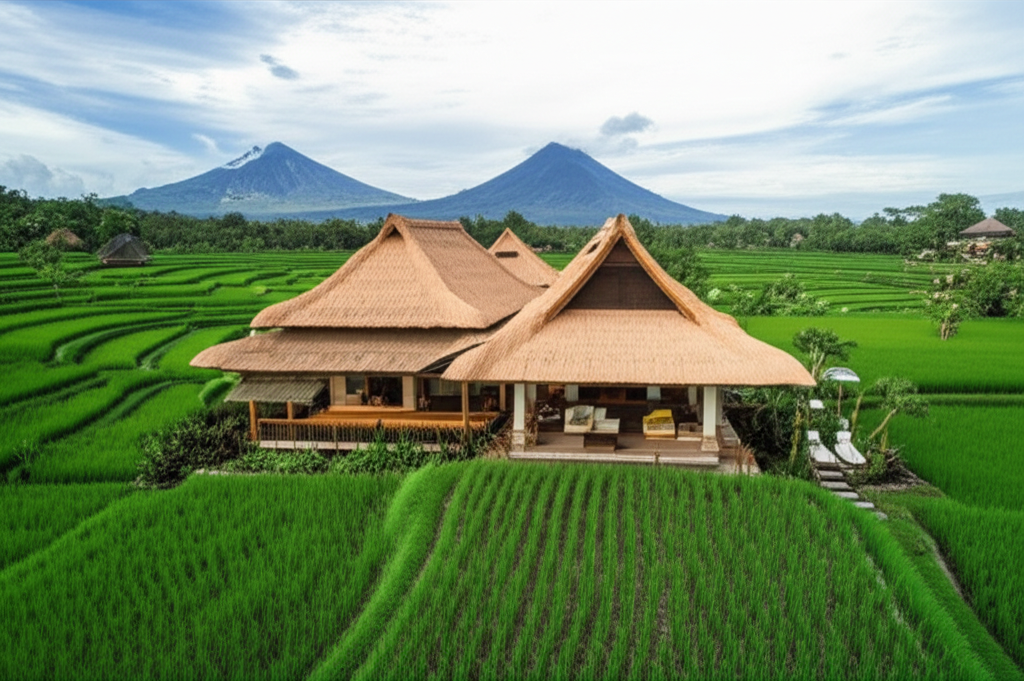
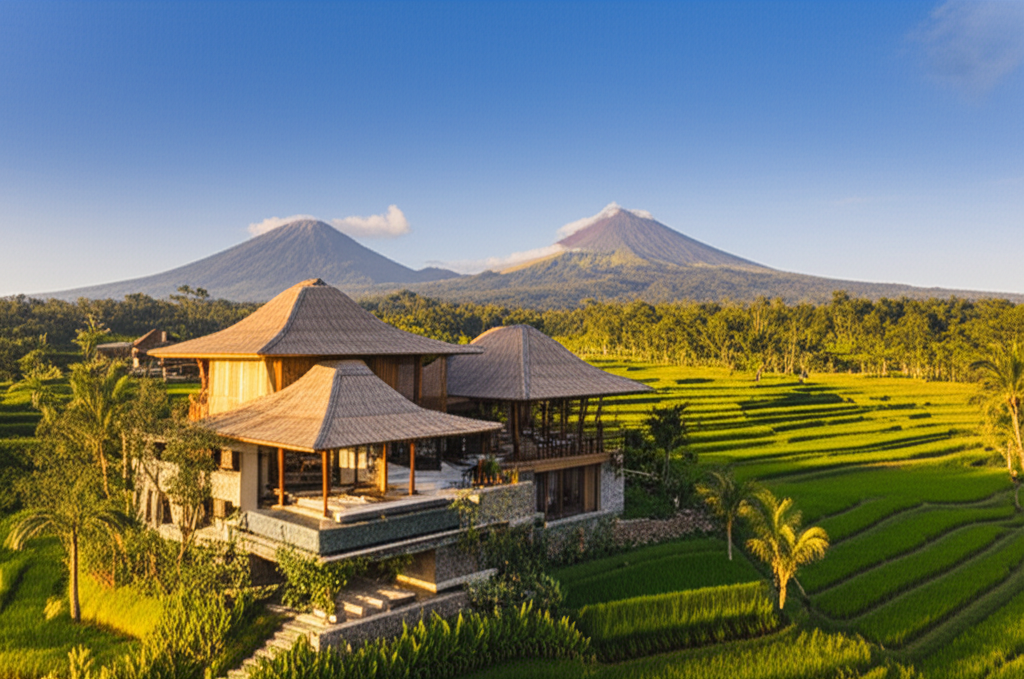
These designs inherently embrace the tropical environment, featuring expansive open-plan living spaces that ingeniously maximize natural airflow and abundant light, blurring the lines between indoor comfort and outdoor serenity. The choice of materials is crucial, drawing heavily on the island’s natural bounty. Imagine roofs crafted from traditional thatch, using either ijuk or rumbia leaves, or the elegant durability of sirap hardwood shingles. Bamboo, coconut wood, and local stones like sandstone and andesite, alongside the distinctive red bricks, are not merely building components but expressions of Balinese identity and resourcefulness. Underlying these material and spatial choices are deep philosophical underpinnings such as Tri Hita Karana, promoting harmony among humans, nature, and the divine, and Tri Mandala, which dictates sacred spatial divisions, influencing the layout and flow of the villa to foster spiritual and practical balance. The artistic craftsmanship evident in ornamentation and sculpture further elevates the villa from a mere structure to a work of art, telling a story through intricate details. This thoughtful incorporation creates a truly inspired Bali home.
Beyond aesthetics, modern Bali villa construction increasingly champions sustainable practices, drawing profound inspiration from pioneering examples like the Green School Bali. Strategies here are multi-faceted: embracing passive design principles for natural ventilation and cooling to minimize reliance on artificial air conditioning, and optimizing solar orientation for enhanced energy efficiency. A commitment to sustainability also means sourcing local and eco-friendly materials whenever possible, reducing carbon footprint and supporting local economies. Implementing rainwater harvesting systems ensures a sustainable water supply, while effective waste management strategies are crucial for minimizing environmental impact. The potential for integrating renewable energy sources, such as discreetly placed solar panels and the use of efficient appliances, transforms a villa into a truly eco-conscious retreat. For those looking to build with a conscience, exploring sustainable construction in Bali is key.
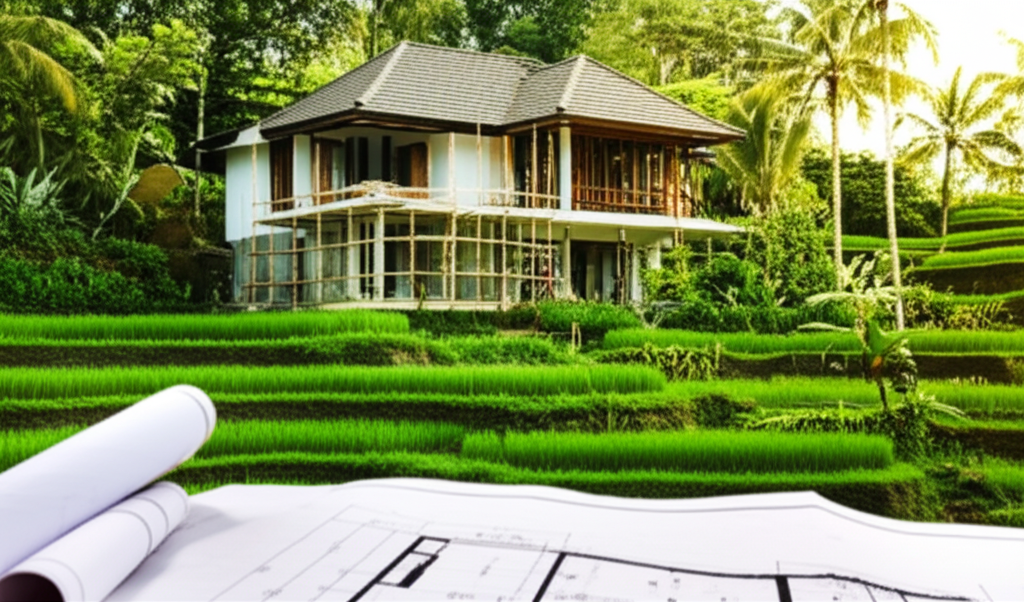
Translating this holistic vision into detailed blueprints and captivating 3D renderings requires a collaborative process involving a team of specialized professionals. This includes visionary architects, skilled interior designers who curate every element of your living space, landscape designers who seamlessly blend the villa with its natural surroundings, and diligent structural engineers who ensure safety and durability. Each plays a vital role in bringing your dream Bali villa to life. Critical considerations also involve adapting the design to the unique tropical climate, addressing high humidity, heavy rainfall, and intense sunlight through clever architectural solutions like generous overhangs, strategic window placement, and appropriate material selection. The synergy of these elements culminates in a visually appealing, inherently functional, and environmentally responsible Bali villa, perfectly poised for its journey from design concept to tangible reality. This detailed planning phase ensures that when it comes to the actual villa construction Bali, every aspect is thoughtfully considered and executed.
From Groundwork to Structure The Building Journey
From Groundwork to Structure The Building Journey
With the architectural vision firmly in place and sustainable design principles integrated, the transformation of your Bali villa dream into a tangible reality begins with meticulous groundwork. This initial phase is critical for the long-term integrity and stability of your island sanctuary. Site preparation in Bali starts with careful land clearing, removing existing vegetation while often preserving significant trees where feasible, a nod to local cultural respect for nature. Following this, precise grading is executed to manage Bali’s often varied topography and heavy rainfall effectively. This involves shaping the land to ensure proper water runoff, preventing erosion and directing water away from the future structure, safeguarding it against moisture infiltration. Finally, excavation for foundations meticulously carves out the earth, preparing for the crucial base of your villa.
Choosing the appropriate foundation type is paramount, considering Bali’s tropical climate and its location within a seismically active region. For many Bali villa construction projects, a reinforced concrete slab foundation is a common and robust choice, providing a solid, monolithic base that evenly distributes the load over stable soil. In areas with softer or more challenging soil conditions, raft foundations may be employed, essentially creating a large concrete mat beneath the entire structure to spread the weight over a greater area. For properties on slopes or requiring deeper support, pile foundations driven into stable ground offer superior stability against seismic activity and soil movement, crucial for foundation technologies for enduring properties in this environment.
Once foundations are laid, the erection of the structural framework commences. Reinforced concrete, comprising columns, beams, and slabs, is the predominant material for its strength and resilience against tropical weather and seismic forces. Steel elements are often integrated for larger spans or specific architectural requirements, while engineered timber can be used for aesthetic touches or certain structural components, adhering to stringent Indonesian building codes. Seismic considerations are inherently woven into engineering practices, ensuring ductility and structural integrity to withstand potential tremors, providing a robust skeleton for your villa. Our expert structural contractors in Bali ensure every aspect meets the highest safety standards.
For wall construction, options range from traditional red brick, offering excellent thermal mass and a classic Balinese aesthetic, to natural stone for feature walls, lending an organic, luxurious feel. Modern alternatives like concrete blocks provide efficiency and a consistent finish, often rendered and painted. Roofing systems in Bali are as diverse as the island’s landscapes. Traditional choices include the rustic charm of thatched roofs like alang-alang (dried grass) or rumbia (sago palm leaves), offering natural insulation but requiring regular maintenance. More durable and popular options include sirap (hardwood shingles), providing a distinct aesthetic and longevity, or ceramic and concrete tiles, known for their robustness and minimal upkeep. Regardless of the choice, meticulous attention is paid to waterproofing, insulation against the tropical sun, and wind resistance to protect against seasonal storms, all critical aspects for optimal roofing solutions for Bali’s tropical climate.
Concurrently with the structural build, the installation of MEP (Mechanical, Electrical, Plumbing) rough-ins is strategically planned and executed. This involves laying the groundwork for all essential utilities: water supply systems, whether from drilled wells or municipal connections; sophisticated sewage and wastewater treatment, typically involving modern septic tanks or bio-filtration systems to meet environmental standards; intricate electrical wiring for lighting, outlets, and appliances; and provisions for modern amenities such as air conditioning and high-speed internet infrastructure. Early and precise planning in expert MEP engineering in Bali prevents costly rework later.
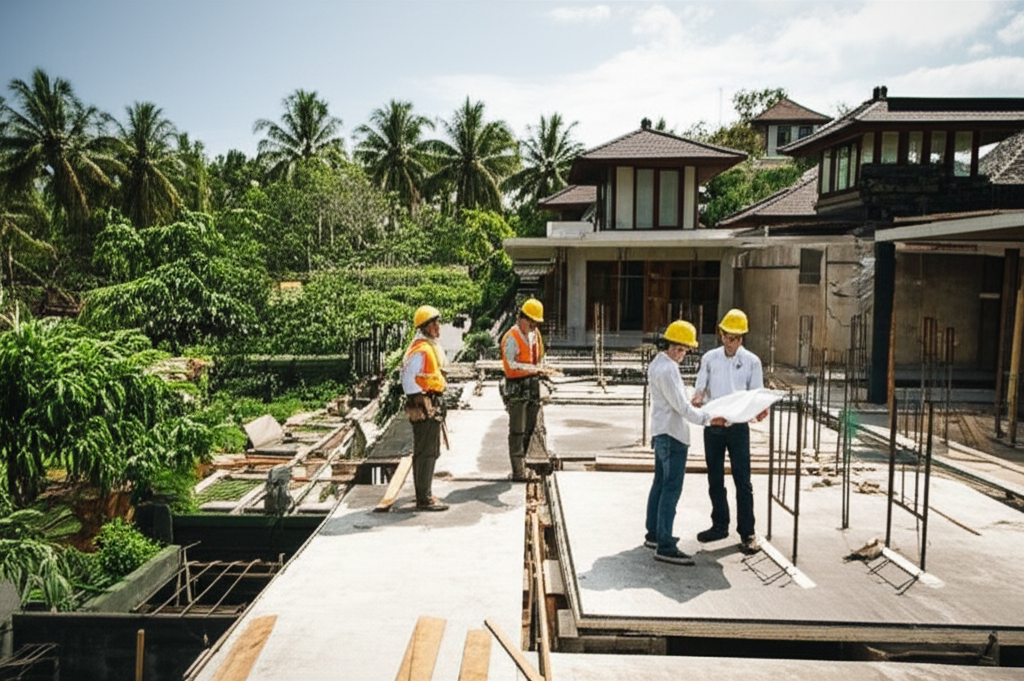
Throughout this intricate process, rigorous quality control and project management are indispensable. The presence of experienced local project managers is crucial for navigating site logistics, cultural nuances, and communication. Regular site inspections ensure adherence to design specifications and building codes. Efficient management of local labor, respecting local customs and work practices, fosters a productive environment. Strategic material procurement, often sourcing local materials to align with sustainable practices while importing specialized components when necessary, requires foresight and strong networks. This commitment to construction quality control in Bali is what sets apart a successful villa build.
Common challenges during villa construction in Bali can include sourcing highly specialized materials that might need to be imported, managing the cultural aspects of a local workforce, logistical complexities of transporting materials to often remote sites, and adapting to unpredictable weather patterns, especially during the rainy season. Practical insights for a smooth process involve fostering strong relationships with local suppliers and contractors, maintaining clear communication, and implementing flexible scheduling to accommodate unforeseen circumstances. Engaging with a seasoned partner for premier general construction in Bali is key to mitigating these challenges and ensuring your villa progresses efficiently towards its finishing stages.
Realizing Your Retreat Interiors Exteriors and Handover
Realizing Your Retreat Interiors, Exteriors, and Handover
With the structural framework firmly in place, the exciting phase of bringing your dream Bali villa to life truly begins: the meticulous application of interior and exterior finishes, transforming a robust structure into a luxurious, habitable retreat. This stage focuses on the sensory details that define the character and comfort of your home in paradise.
The interior finishing touches are where personal style truly shines. For flooring, options abound, each contributing distinct aesthetics and practical benefits. Local timbers like teak or ironwood lend warmth and a classic Balinese elegance, often utilized in living areas and bedrooms. Natural stone, such as exquisite travertine or marble, offers a touch of opulent coolness, ideal for high-traffic zones, while more rustic river stone can create unique textures. Durable and easy-to-maintain ceramic tiles are also popular, particularly in service areas and bathrooms. Wall treatments range from smooth, painted surfaces providing a clean canvas to textured renders, natural stone accents, or even custom wood paneling. Ceiling designs often feature high pitches with exposed timber beams, enhancing air circulation and echoing traditional Balinese architecture, or modern false ceilings with integrated, subtle lighting. Custom cabinetry and built-in furniture, crafted from local hardwoods by skilled artisans, are integrated seamlessly into the villa’s design, maximizing space and providing both functionality and a cohesive aesthetic flow.
The selection and installation of fixtures and fittings are crucial for both comfort and efficiency. High-quality plumbing fixtures for bathrooms and kitchens are paramount, considering the tropical environment. Luxurious rain showers, elegant freestanding bathtubs, and efficient water-saving taps contribute to a lavish yet practical living experience. Diverse lighting solutions are employed to create ambiance and functionality, with layered lighting schemes incorporating ambient, task, and accent lighting. Strategic placement of electrical outlets ensures convenience throughout the villa, while options for smart home automation systems can enhance comfort, security, and energy efficiency, allowing control over climate, lighting, and entertainment at your fingertips.
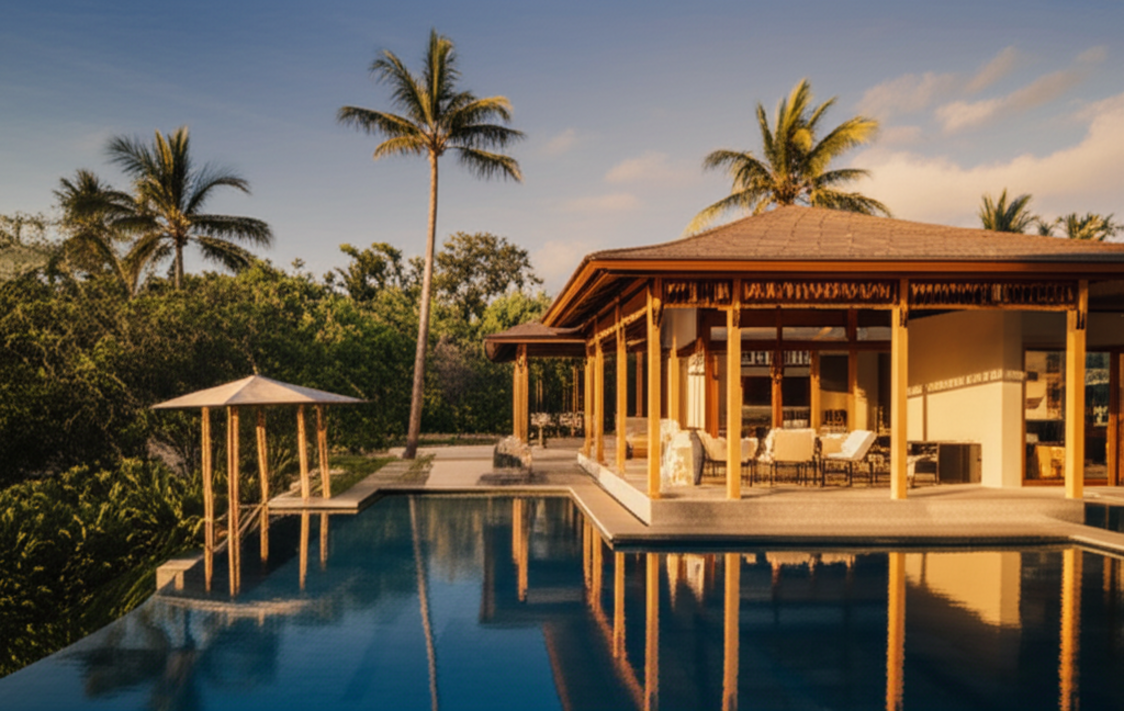
Comprehensive landscaping for Bali villas is integral to creating a secluded and breathtaking oasis. Lush tropical gardens, designed with native plants like frangipani, hibiscus, and heliconia, blend seamlessly with the natural surroundings, offering vibrant colors and refreshing scents. The design and construction of swimming pools are central to the outdoor experience; whether an infinity pool capturing panoramic views, a sleek lap pool for exercise, or a tranquil plunge pool for intimate relaxation, the choice of natural stone or mosaic tiles profoundly impacts the aesthetic. Inviting outdoor living areas, such as traditional Balinese pavilions (bale), expansive wooden decks, or shaded stone patios, provide perfect spaces for relaxation and entertaining. Soothing water features, from serene lotus ponds to gentle fountains, add an element of tranquility, while strategic privacy hedging using bamboo or dense palms creates a truly secluded sanctuary.
Exterior finishes complete the architectural vision, providing both protection and visual appeal. Durable, weather-resistant paints are chosen to withstand Bali’s humidity and sun, maintaining the villa’s pristine appearance. Natural stone cladding, using local paras or lava stone, adds texture and grounds the structure within its environment. Wood decking, often made from resilient ironwood or high-quality composites, enhances outdoor living spaces, especially around pools. The design and construction of gates and boundary walls are not merely functional but also incorporate Balinese aesthetics, often featuring intricate carvings or natural stone elements that reflect the island’s rich cultural heritage. Choosing a reputable general contractor in Bali ensures expert execution of these details, guaranteeing longevity and beauty.
Furniture and décor selection is the final layer of personalization, infusing the villa with character. This stage involves sourcing exquisite local Balinese craftsmanship, from intricate wood carvings and hand-woven textiles (like ikat and batik) to unique art pieces that tell a story. Integrating these local treasures with carefully selected imported pieces creates a harmonious interior design that complements the architectural style of your dream Bali villa, ensuring a seamless blend of traditional charm and modern luxury.
The critical process of quality assurance and final inspections ensues to guarantee every detail meets the highest standards. A detailed snagging list is developed during thorough walkthroughs, meticulously documenting any imperfections, incomplete work, or areas requiring adjustment. All installed systems – electrical, plumbing, smart home, and pool filtration – undergo rigorous testing to ensure optimal functionality and safety. Compliance with the original design specifications is verified, ensuring the finished villa perfectly aligns with your vision before project management concludes.
Project handover and documentation mark the official completion. Essential documents, including warranties for appliances and materials, comprehensive user manuals for all systems, detailed utility connection information, and as-built drawings, are provided. The final payments are processed, bringing the financial aspect of the construction to a close. This step is vital for a smooth transition, as detailed in our guide to construction costs in Bali.
Finally, post-construction considerations are essential for the long-term enjoyment and protection of your investment. Advice on reputable property management services can assist with rental operations and routine upkeep. Ongoing maintenance requirements for a tropical climate, such as regular pest control, pool servicing, and landscaping upkeep, are crucial. Implementing effective security measures, including CCTV, alarm systems, and secure access points, provides peace of mind. Regular maintenance, as part of comprehensive contractor services in Bali, will protect your investment and ensure your villa remains a pristine sanctuary.
These meticulous finishing stages, from the selection of interior surfaces and fixtures to the creation of lush outdoor environments and diligent handover, transform a construction project into a fully realized, luxurious, and livable Balinese retreat, transforming a mere structure into a living work of art that truly embodies the spirit of Bali construction.
Conclusions
Realizing your dream Bali villa requires meticulous planning, expert execution, and an understanding of local nuances. From navigating legalities and embracing Balinese architectural principles to overseeing the construction and adding bespoke finishes, every step contributes to creating a unique paradise. With the right team and a clear vision, your Bali villa construction journey will culminate in a stunning home that truly reflects your aspirations in this island haven.