
Table of Contents
- Vision to Blueprint – Initial Planning & Design for Your Bali Villa
- Navigating the Legal Landscape – Permits and Regulations for Bali Villa Construction
- Laying the Groundwork – Site Preparation and Foundation for Your Bali Villa
- Building the Core – Structural Work and Roofing for Your Bali Villa
- Crafting Interiors – Finishes, Fixtures, and Aesthetic Integration in Your Bali Villa
- The Final Touch – Landscaping, Pool Installation & Handover of Your Bali Villa
- Conclusions
Dreaming of a luxurious escape? Bali, with its vibrant culture and stunning landscapes, is the perfect place for your private villa. This article delves into the intricate process of villa construction in Bali, guiding you through every crucial step. From initial design concepts to the final landscaping, discover how expert builders bring architectural dreams to life in this tropical paradise, ensuring your vision becomes a tangible reality.
Vision to Blueprint – Initial Planning & Design for Your Bali Villa
Vision to Blueprint – Initial Planning & Design for Your Bali Villa
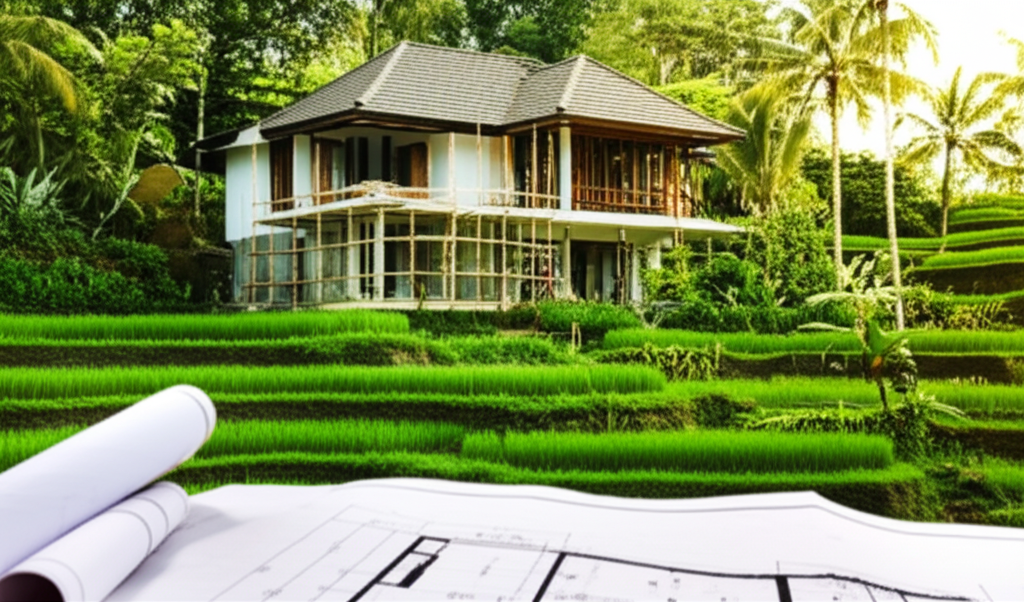
The journey to building your dream villa in Bali commences long before any ground is broken, with the critical phase of initial planning and design. This foundational stage is where your aspirations and lifestyle coalesce into a tangible architectural vision, ultimately translated into a comprehensive blueprint for construction in Bali. It begins with an in-depth exploration of your desires, understanding how you envision inhabiting the space, what amenities are essential, and the overall ambiance you wish to cultivate in your tropical sanctuary. This collaborative process with a skilled design team ensures that every element, from the flow of rooms to the choice of materials, reflects your unique taste and functional requirements.
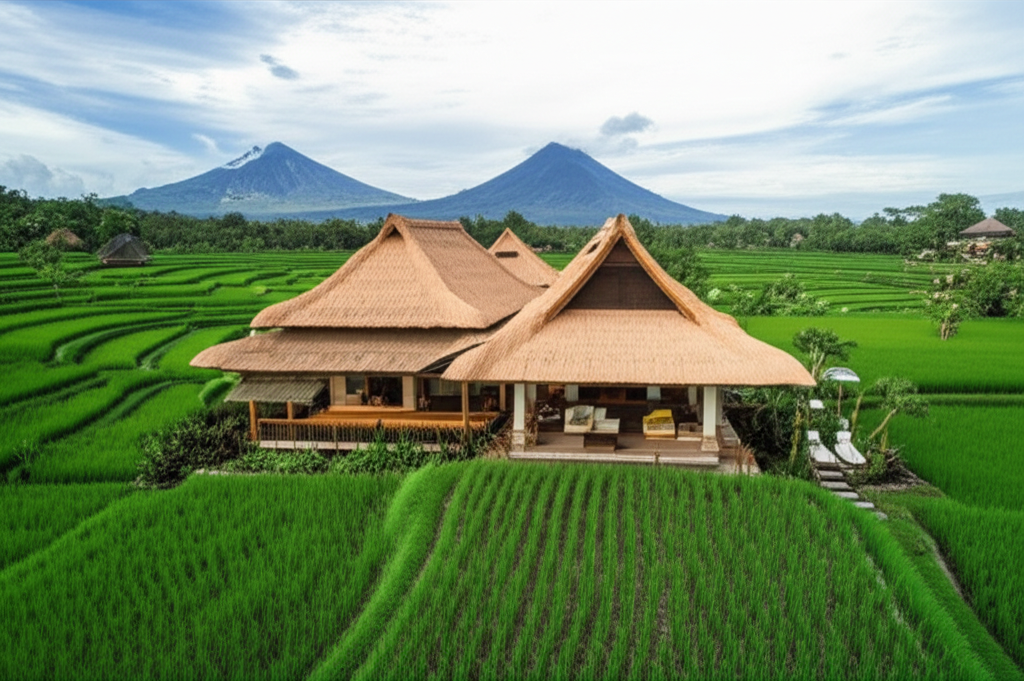
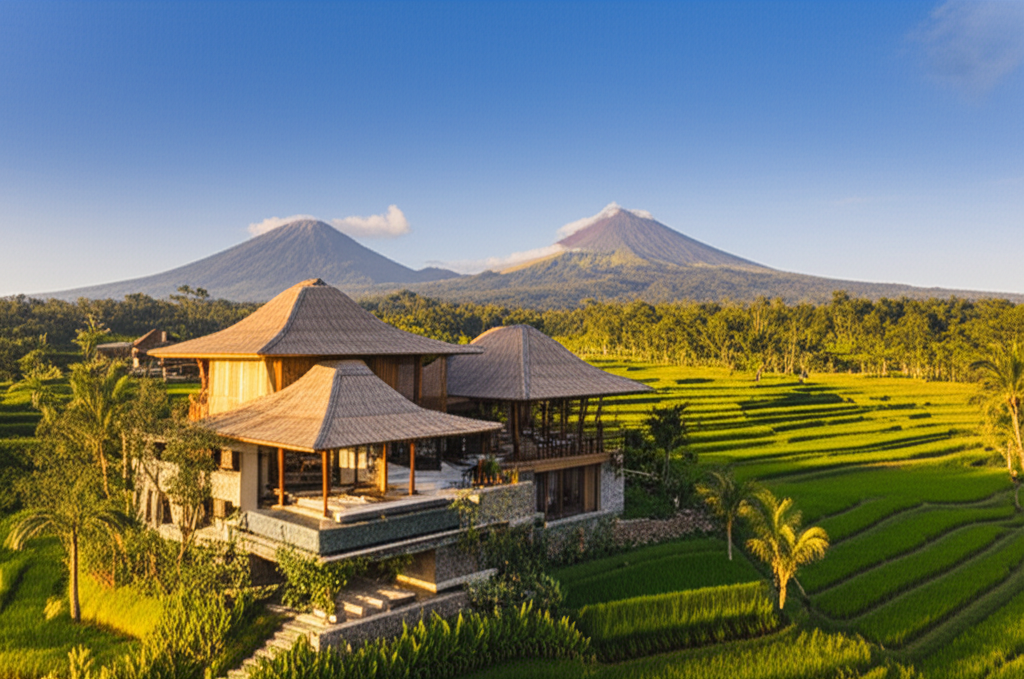
A crucial aspect of this phase involves selecting the architectural style that resonates with your vision while harmonizing with Bali’s distinctive environment. Many clients gravitate towards elements of Tropical Modernism, an aesthetic defined by its open-plan layouts, expansive glass, natural ventilation, and seamless integration with lush outdoor spaces. This style effectively leverages Bali’s balmy climate, inviting cool breezes and natural light deep into the interiors. Alternatively, a more traditional Balinese design might be preferred, characterized by its reliance on natural materials like local timber and stone, intricate carvings, open-sided pavilions, and a deep respect for local customs and the philosophy of Tri Hita Karana, which emphasizes harmony with nature and community. Often, the most successful designs for a Bali villa skillfully blend these influences, creating a contemporary space imbued with timeless Balinese charm. Consideration of local climate aesthetics is paramount; the design must account for high humidity, heavy rainfall, and intense sunlight, incorporating features such as generous roof overhangs, strategic shading, and cross-ventilation to ensure comfort and durability.
Parallel to defining the architectural aesthetic is a thorough site analysis. This meticulous investigation of your chosen plot in Bali involves understanding its unique topography – whether it’s a gentle slope, flat land, or terraced landscape – which significantly impacts foundation design and the potential for multi-level structures. Analyzing existing views is vital for optimizing the villa’s layout, ensuring that living areas, bedrooms, and outdoor spaces capitalize on breathtaking vistas of rice paddies, ocean, or volcanoes, all while maintaining privacy. Crucially, tracking sun paths throughout the day allows for strategic orientation of the building to minimize harsh afternoon sun exposure while maximizing beneficial natural light and warmth. Similarly, understanding prevailing wind patterns is essential for designing effective natural cooling and ventilation systems, a sustainable approach that reduces reliance on air conditioning. All these factors collectively inform the optimal placement of structures, swimming pools, and landscaping, creating a truly integrated and responsive design.
Selecting the right architect and design team is perhaps the most pivotal decision during this initial phase. It’s imperative to engage professionals with demonstrable experience in villa construction in Bali. Their local expertise extends beyond mere aesthetics; they possess an intimate understanding of local building codes, traditional construction methods, material sourcing, and the nuances of Balinese culture. A proficient team will not only translate your vision into an inspiring blueprint but also ensure that the design is structurally sound, culturally sensitive, and adheres to all local regulations. Their role is to transform your abstract dreams into functional, beautiful, and buildable realities, acting as your trusted guide through the complexities of design. During this stage, preliminary budget estimations and realistic timelines are also established. While these figures are subject to refinement as the design progresses, they provide a crucial framework for managing expectations and ensuring that the project remains financially viable and on track, leading into the detailed planning of your construction costs in Bali. This foundational phase is an investment in time and expertise that pays dividends throughout the entire architectural services for your Bali build journey.
Navigating the Legal Landscape – Permits and Regulations for Bali Villa Construction
Embarking on villa construction Bali is an exciting endeavor, yet it requires a meticulous understanding of the legal and regulatory framework governing building in Indonesia. This crucial phase ensures your dream property is not only aesthetically pleasing and structurally sound but also fully legitimate and compliant with all local statutes. Without proper navigation, delays and significant complications can arise, underscoring the importance of expert guidance from the outset.
The cornerstone of any legitimate construction project in Bali is obtaining the necessary permits and licenses. Foremost among these is the IMB (Izin Mendirikan Bangunan – Building Permit), which has recently transitioned into the PBG (Persetujuan Bangunan Gedung – Building Approval). The PBG is the official document confirming that your building design and technical plans comply with relevant zoning, safety, and architectural regulations. The application process for a PBG requires a comprehensive submission of documents including detailed architectural drawings, structural calculations, site plans, and often, an environmental impact assessment (UKL-UPL for smaller projects or AMDAL for larger developments). Understanding the nuances of this process is paramount, and a thorough guide can be found at navigating the PBG process for building in Bali. Beyond the primary building permit, other local council approvals, such as those related to drainage, sanitation, and potential permits for commercial operations if your villa is intended for rental, must also be secured.
A unique and significant regulation impacting design for villa construction in Bali is the 15-meter height limit. This rule, deeply rooted in Balinese culture and environmental preservation, stipulates that no building should exceed the height of a coconut tree. This mandate profoundly influences architectural design, encouraging horizontal layouts, multi-level designs that respect the local skyline, and innovative approaches to maximize space within these constraints. It aims to maintain Bali’s natural beauty, preserve views, and integrate structures harmoniously with the landscape, preventing towering edifices.
For foreigners investing in Bali, understanding land ownership options is critical. Direct freehold (Hak Milik) ownership of land is generally reserved for Indonesian citizens. However, foreigners can acquire land through long-term leasehold (Hak Sewa or Hak Guna Bangunan – HGB) agreements, granting rights to use and build for an extended period, typically 25-30 years with options for extension. Another option is Hak Pakai (Right to Use). Before any transaction, rigorous due diligence is indispensable. This involves thoroughly verifying the land title, ensuring no encumbrances, checking zoning regulations, confirming access, and investigating potential disputes. For a deeper dive into these options, consult Bali property investment unveiled: freehold vs. leasehold.
Engaging local legal counsel is not merely advisable but essential. An experienced Indonesian lawyer specializing in property and construction law will be invaluable in navigating the complexities of local regulations, conducting thorough due diligence, drafting and reviewing lease agreements, and ensuring all permit applications are correctly submitted. Their expertise helps you comply with both Indonesian national laws and specific regional regulations (peraturan daerah), which can vary between regencies in Bali. This professional guidance ensures a smooth, legitimate, and secure construction process for your Bali villa, safeguarding your investment and providing peace of mind as your dream home takes shape in paradise.
Laying the Groundwork – Site Preparation and Foundation for Your Bali Villa
The construction of your Bali villa begins long before the first brick is laid, with the critical phase of site preparation and foundation laying. This groundwork is paramount to the structural integrity and longevity of your dream home in paradise. The initial step involves comprehensive site clearing. This means removing all existing vegetation, debris, and any unwanted structures from the plot. A meticulously cleared site allows for accurate surveying and ensures that the subsequent construction work proceeds without hindrance. Following clearing, land leveling is undertaken to create a stable and even base for the villa. Depending on the natural topography of your chosen plot, this may involve significant cut and fill operations, carefully managed to minimize environmental impact and integrate the villa seamlessly with its surroundings. Responsible land leveling also considers the natural flow of water, a crucial aspect in Bali’s tropical climate.
Given Bali’s propensity for heavy rainfall, establishing a robust drainage system is not just a best practice, but an absolute necessity. Proper drainage prevents water accumulation around the foundation, which can lead to soil erosion, structural damage, and moisture issues within the villa. Solutions often include grading the land slightly away from the building to encourage runoff, installing perimeter drains, and sometimes incorporating French drains or catch basins to manage stormwater effectively. These systems are designed to channel water away from the property, protecting your investment and maintaining a healthy living environment. Engaging a premier engineering contractor in Bali early in this stage ensures that drainage is integrated seamlessly into the overall site plan.
Before any foundation work can commence, thorough soil testing is indispensable. This critical process involves taking soil samples from various depths and locations across your plot for laboratory analysis. The results provide vital information about the soil’s composition, bearing capacity, the presence of groundwater, and potential issues like expansive clays or loose fill. This data is the backbone of informed foundation design, allowing engineers to select the most appropriate and secure foundation type for your specific site. Without adequate soil testing, there’s a significant risk of structural instability, which can lead to costly repairs and compromise the safety of your Bali villa.
Based on the insights from soil testing, engineers will determine the most suitable foundation type. In Bali, where soil conditions can vary from stable volcanic rock to softer, alluvial soils, different approaches are common. For sites with good, stable soil, shallow foundations like reinforced concrete pad footings for columns and strip footings for load-bearing walls are often employed. However, in areas with weaker or unconsolidated soil, particularly near coastlines or riverbeds, deep foundations such as pile foundations become essential. These involve driving or boring concrete piles down to stronger, deeper soil strata to transfer the building’s load effectively. The engineering considerations go beyond just load bearing; they also encompass anticipating potential seismic activity – a key concern in Indonesia – and designing foundations that can withstand such forces. Collaborating with professional foundation installers in Bali who understand these local nuances is crucial for ensuring a solid structure foundation in Bali.
Finally, environmentally responsible site management during this foundational phase is paramount. Best practices include minimizing disturbance to natural ecosystems, implementing effective erosion control measures to prevent soil runoff into local waterways, and responsibly managing the disposal of excavated materials. Protecting existing mature trees and vegetation where possible enhances the aesthetic appeal and contributes to the sustainable structures Bali ethos. By adhering to these practices, the construction of your Bali villa not only builds a dream home but also respects and preserves the natural beauty of the island. This diligent approach to site preparation and foundation lays the unbreakable groundwork for your exquisite property, setting the stage for the structural work and roofing that follows.
Building the Core – Structural Work and Roofing for Your Bali Villa
After establishing a solid foundation, the next pivotal phase in your *Bali villa construction* involves erecting the structural core. This stage transforms the leveled site into the tangible framework of your future home, demanding meticulous planning and execution. Material selection is paramount, influenced by Bali’s tropical climate, local availability, and the desire for durability and sustainability. Reinforced concrete, utilizing high-grade cement, aggregates, and steel rebar, forms the backbone of most modern *Bali villas*, offering exceptional strength. Locally sourced natural stones, like lava or river stone, are often integrated for aesthetic appeal and thermal mass. Bricks and concrete blocks are common for infill walls.
Construction techniques for walls, columns, and beams in Bali prioritize structural integrity in a seismically active region. Reinforced concrete columns and beams create a rigid frame, designed to distribute loads and resist lateral forces. Walls are typically red brick (bata merah) or concrete blocks (batako), reinforced with vertical and horizontal concrete bands. This “Confined Masonry” approach significantly enhances earthquake resistance. Given Indonesia’s location on the Pacific Ring of Fire, *earthquake-resistant design* is critical. Our expert structural contractors in Bali implement specific engineering principles, including shear walls and ductile rebar detailing, to ensure your residential structural engineering in Bali meets national building codes, safeguarding your investment and safety.
Once the structural frame is in place, attention turns to the roof – crucial for protection and aesthetic appeal in the Balinese climate. Choosing the right roofing material balances traditional charm with modern practicality. Traditional *alang-alang* (thatch) roofs are iconic, offering excellent natural insulation and a cool interior, but demand regular maintenance, are fire-susceptible, and have a shorter lifespan. Ceramic tiles are a popular modern alternative: durable, low maintenance, and available in various colors. While retaining more heat, proper ventilation mitigates this. Other options include bitumen shingles or lightweight metal roofs, though they can be noisy during heavy rain. The selection considers architectural style, budget, lifespan, and thermal performance. For more, explore optimal roofing solutions for Bali’s tropical climate.
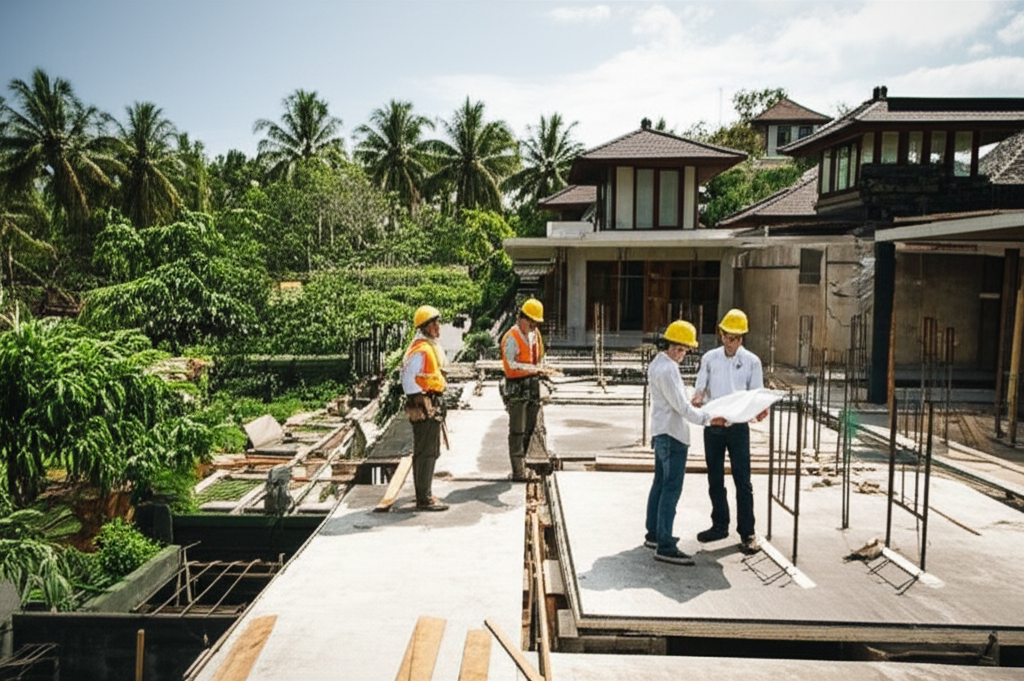
Throughout this structural and roofing phase, rigorous quality control and professional supervision are indispensable. This involves regular inspections of material quality, adherence to architectural drawings and engineering specifications, and proper execution of construction techniques. From correct rebar placement and concrete curing to verifying roof truss integrity and waterproofing, every detail contributes to the long-term stability and resilience of your *Bali villa*. Engaging a dedicated project manager and construction quality control in Bali services is vital to ensure every aspect of the core build meets the highest standards, laying a robust groundwork for the stunning finishes that will follow.
Crafting Interiors – Finishes, Fixtures, and Aesthetic Integration in Your Bali Villa
After the solid foundation and robust structure of your Bali villa are in place, the exciting phase of crafting the interiors begins, transforming the bare framework into a luxurious and intimately functional living space. This is where the essence of your dream villa construction in Bali truly comes to life, focusing on finishes, fixtures, and aesthetic integration that resonate with both modern comfort and tropical allure.
Selecting the right flooring is paramount for both durability and ambiance in Bali’s unique climate. Natural stone, such as local volcanic stone or marble, offers a cool, elegant surface, ideal for the tropics, and is highly resilient. Polished concrete, with its contemporary edge, provides a sleek, low-maintenance option that can be incredibly versatile. For warmth and a traditional feel, engineered timber or local hardwoods are excellent choices, though careful consideration must be given to their treatment and installation to withstand humidity. Wall finishes often lean towards natural plasters, smooth painted surfaces for a clean look, or feature walls clad in natural stone or intricate carved wood panels, adding texture and local character. Ceilings, beyond their structural role, contribute significantly to the aesthetic; high ceilings create a sense of spaciousness and aid air circulation, often enhanced with exposed timber beams or decorative paneling that complements the overall design.
The selection and installation of fixtures demand meticulous attention to detail, ensuring they are not only aesthetically pleasing but also perfectly suited for a tropical environment. Lighting design is crucial for setting the mood, with a mix of ambient, task, and accent lighting creating versatile spaces. Energy-efficient LED lighting is highly recommended, integrated into architectural features. Plumbing fixtures, from stylish faucets to high-pressure shower systems, need to be robust and corrosion-resistant. Air conditioning units are a necessity for comfort in many areas of a Bali villa, requiring careful sizing and placement for optimal cooling efficiency without compromising the aesthetic. Expert plumbing contractors in Bali ensure these vital systems are installed to the highest standards.
A hallmark of a truly unique Bali villa is the seamless integration of local Balinese craftsmanship and indigenous materials. This artistic touch goes beyond mere decoration; it weaves the island’s rich cultural tapestry into the very fabric of your home. Think exquisitely carved wood panels adorning doorways or feature walls, locally sourced stone used in decorative accents or water features, and the vibrant textures of hand-woven textiles like ikat or endek employed in upholstery, cushions, or wall hangings. These elements not only create a distinctive aesthetic but also support local artisans, ensuring your villa possesses an authentic Balinese soul. This careful curation is often overseen by the best interior design contractors in Bali, who have a deep understanding of local resources and traditions.
Kitchen and bathroom design are pivotal in any luxury villa, merging functionality with sophisticated aesthetics. In the kitchen, a balance between ample counter space, integrated modern appliances, and clever storage solutions is key. Materials like natural stone for countertops, durable hardwoods for cabinetry, and high-quality stainless steel or ceramic for sinks are popular choices, often designed to open up to outdoor areas for a seamless indoor-outdoor living experience. For bathrooms, the focus is on creating a serene, spa-like sanctuary. Freestanding tubs, rain showers, dual vanities, and thoughtful lighting contribute to this luxurious feel. Integrating natural ventilation and views of lush gardens enhances the tropical bathroom experience. Modern amenities such as instant hot water systems and efficient ventilation are standard in a high-end Bali villa. Throughout this phase, the expertise of high-end general contractors in Bali ensures that every detail, from the smallest fixture to the grandest finish, meets uncompromising standards of quality and design, transforming your vision into a tangible, breathtaking reality.
The Final Touch – Landscaping, Pool Installation & Handover of Your Bali Villa
The final stages of your Bali villa construction journey are where the vision truly culminates, transforming a magnificent structure into a living, breathing paradise. This phase is dedicated to perfecting the exterior, integrating it seamlessly with Bali’s lush environment, and finally, handing over the keys to your dream home.
Landscaping your Bali villa is far more than just planting a few trees; it’s about crafting an immersive tropical experience that extends your living space into nature. Expert design focuses on creating harmonious transitions from indoors to outdoors, using local flora like frangipani, bougainvillea, heliconia, and a variety of palms and ferns. Tiered planting arrangements add depth and visual interest, while strategically placed water features – from serene koi ponds to gentle cascading waterfalls – enhance tranquility and help cool the surroundings. Outdoor living spaces are carefully integrated, featuring traditional Balinese bales for relaxation, al fresco dining areas, and comfortable lounge zones, all constructed with durable local materials such as teak wood, bamboo, and natural stone. The landscaping is designed to complement the villa’s architecture, softening its lines and ensuring that every view from within frames a picture of tropical beauty. For more insights into comprehensive building practices, visit construction in Bali.
Integral to the Balinese villa experience is the swimming pool, often the heart of the outdoor living area. The design and construction of your pool are critical, whether you envision a dramatic infinity edge pool that seemingly merges with the horizon, an intimate plunge pool for personal reflection, or a practical lap pool for exercise. The process begins with meticulous excavation and structural reinforcement, followed by robust plumbing and advanced waterproofing. Material selection is key, with popular choices including natural stones like local Andesite or Palimanan, or imported tiles for a specific aesthetic. Modern filtration systems, incorporating sand or cartridge filters, are essential for maintaining pristine water quality, often augmented with UV sterilizers or ozone generators to reduce chemical usage. Safety standards are paramount, including non-slip surrounds and appropriate depth markers, ensuring both beauty and peace of mind.
As the physical construction concludes, attention shifts to the critical handover process. This involves a comprehensive series of final quality checks against all architectural plans and specifications. Our team meticulously compiles a snagging list, detailing any minor imperfections or incomplete items that require rectification, ensuring every detail meets the highest standards. The official handover includes signing all necessary completion documents, transferring keys, and a thorough demonstration of all systems, from air conditioning to water heaters. You’ll receive comprehensive warranties covering structural elements and installed fixtures, along with detailed maintenance guidelines for your new villa, including advice on pool care, garden upkeep, and general property maintenance. Settling into your completed Balinese paradise means embracing a lifestyle, and we provide valuable advice on connecting with trusted local service providers for ongoing care. This commitment to quality and client satisfaction is central to our approach in villa construction Bali, ensuring your investment is well-protected. We strive for construction quality control in Bali in every project. Our goal is to make your transition seamless, providing you with everything you need to enjoy your stunning new home. For a deeper understanding of the entire villa construction process, consider our essential guide to Bali villa construction. Trust in a partner that manages every detail, from the initial construction project planning in Bali to the final glorious touches.
Conclusions
Building a villa in Bali is a rewarding journey, combining meticulous planning with the island’s unique charm. By understanding the local regulations, embracing sustainable practices, and working with expert teams, your dream Bali villa construction can truly flourish. The key lies in informed decisions and a commitment to quality, ensuring your completed villa is not just a structure, but a sanctuary perfectly integrated into the serene Balinese landscape.