
Table of Contents
- The Bali Dream Unveiled
- Navigating the Legal Landscape for Foreigners
- Strategic Site Selection and Design Principles
- Permitting and Regulatory Compliance
- Building with Integrity Selecting Your Construction Team and Sustainable Practices
- From Foundation to Finish The Construction Journey
- Realizing and Enjoying Your Bali Villa Dream Handover and Beyond
- Conclusions
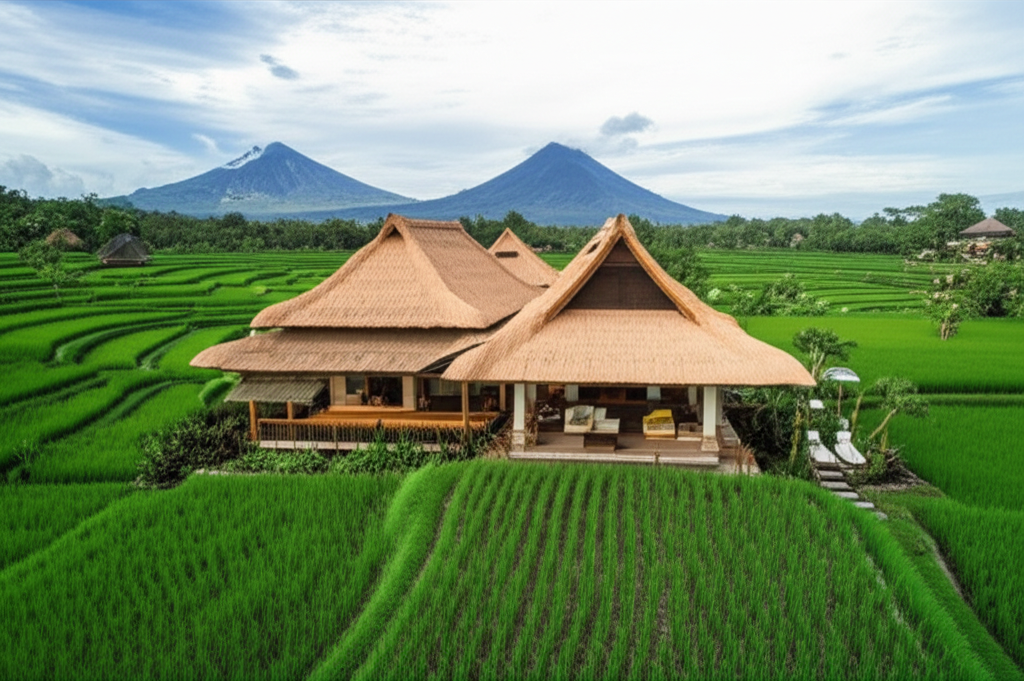
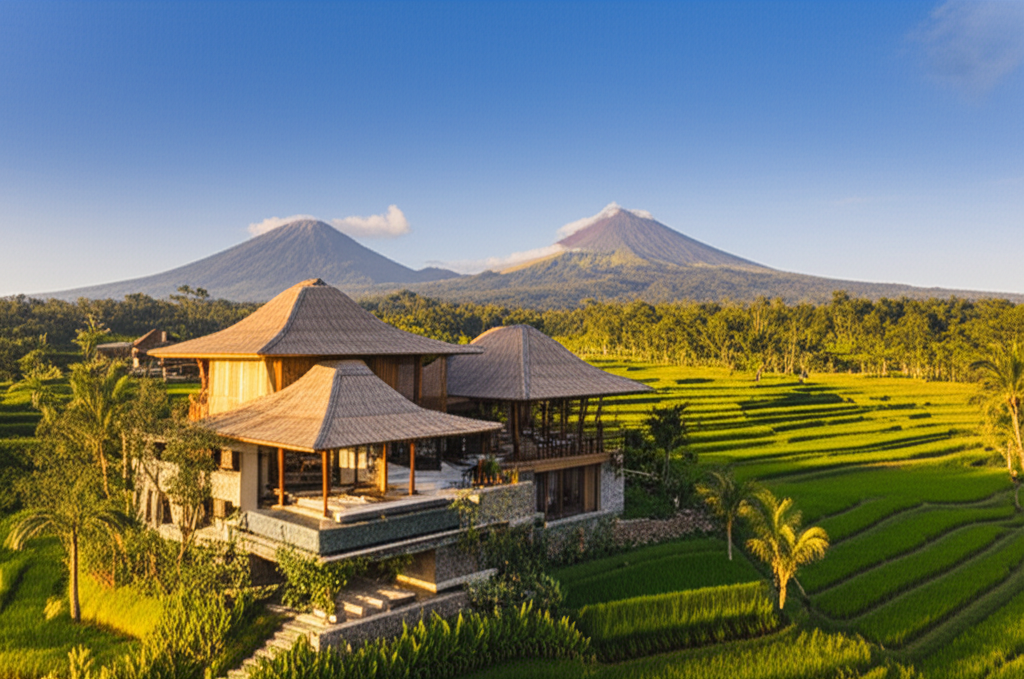
Dreaming of a serene escape in paradise? Your Bali villa awaits, offering a unique blend of luxury and natural beauty. This comprehensive guide will walk you through the intricate process of expert construction from start to finish, transforming your vision into reality. Discover essential insights for successful villa construction in Bali, ensuring your investment blossoms into a stunning tropical sanctuary.
The Bali Dream Unveiled
For those envisioning their personal sanctuary amidst the rice paddies and vibrant culture, understanding the legal framework surrounding land ownership and property rights is paramount for villa construction in Bali. As a foreigner, direct freehold ownership of land in Indonesia is generally not permitted. However, robust and secure avenues exist to ensure your investment is protected and your Bali villa dream can become a tangible reality. The primary options for land acquisition by foreigners involve Hak Guna Bangunan (HGB) and Hak Sewa (Leasehold).
The Hak Guna Bangunan, or Right to Build, is a land title that grants the holder the right to construct and possess buildings on state-owned land or land owned by another party. While foreigners cannot hold HGB directly, it can be held by an Indonesian-owned company (PMA company) established by the foreign investor. This structure effectively allows foreign entities to control and develop land for specific periods. The HGB title is typically granted for an initial period of 30 years, extendable for an additional 20 years, and then renewable for another 30 years, offering a substantial tenure for long-term investment. This framework is often favored for larger commercial developments or for investors seeking a more robust legal structure for their Bali villa.
Alternatively, Hak Sewa, or Leasehold, is a direct and widely utilized method for foreigners to secure land for their villa projects. Under a leasehold agreement, a foreigner leases land from an Indonesian landowner for a specified period. These agreements commonly range from 25 to 30 years, with options for extensions often stipulated within the initial contract. The key advantage of leasehold is its simplicity and directness, allowing individuals to enter into agreements without the complexities of establishing an Indonesian company. It’s crucial to understand that while you own the *building* constructed on the land, the land itself reverts to the original owner upon the lease’s expiration, unless extended. Therefore, clearly defined extension clauses and competitive renewal rates are vital considerations.
Regardless of the chosen land title, the indispensable role of engaging experienced local legal counsel cannot be overstated. Before any financial commitments are made, comprehensive due diligence is absolutely critical. This involves verifying the authenticity of the land title, checking for any encumbrances or disputes, and ensuring the seller has the legal right to transfer or lease the property. Your legal team will also be instrumental in structuring agreements that thoroughly protect your interests, meticulously drafting contracts to cover all eventualities, from lease renewals and dispute resolution to adherence to local Bali building regulations. Navigating the Indonesian property market requires diligence to mitigate potential pitfalls such as fraudulent claims or unclear ownership histories. With expert guidance, you can lay a secure legal foundation for your Bali villa awaits expert construction from start to finish, transforming your vision into a legally sound reality. This crucial initial phase sets the stage for a smooth and confident construction journey with your general contractor in Bali.
Navigating the Legal Landscape for Foreigners
Navigating the legal landscape for foreigners undertaking villa construction in Bali requires a clear understanding of the Indonesian property laws, which can be complex and differ significantly from those in many Western countries. Foreigners cannot directly own freehold land (Hak Milik) in Indonesia. Instead, the legal framework provides alternative structures that allow for secure investment and the realization of villa construction Bali.
The most common land titles available to foreigners are Hak Guna Bangunan (HGB) and Hak Sewa (Leasehold). Hak Guna Bangunan, often translated as the Right to Build, grants the holder the right to construct and own buildings on a piece of land for a specific period. While foreigners cannot directly hold HGB, it can be obtained through an Indonesian legal entity, most commonly a PT PMA (Perseroan Terbatas Penanaman Modal Asing), which is a foreign investment company established in Indonesia. An HGB title typically has an initial duration of 30 years, with the possibility of extension for another 20 years, and then a further renewal for 30 years, totaling up to 80 years. This structure provides a relatively robust and secure pathway for long-term investment in Bali villa ownership and construction. The implications involve setting up and maintaining a legal entity, which adds administrative layers but offers significant legal protection.
Alternatively, Hak Sewa, or Leasehold, is a popular option where foreigners lease land directly from an Indonesian landowner for a predetermined period. This period is typically 25 to 30 years, with options for extensions that are usually agreed upon at the outset of the lease. Unlike HGB, there is no requirement to establish an Indonesian company, making it a simpler and often quicker process. However, the security and terms of a leasehold depend entirely on the meticulously drafted lease agreement. It is crucial that the agreement clearly outlines the duration, renewal processes, and any specific conditions or rights the lessee has, especially regarding building and owning the structures on the leased land. Renewals should be negotiated well in advance to avoid last-minute complications or loss of the property. For a deeper dive into these options, see our guide on Freehold vs. Leasehold for foreigners.
Engaging local legal counsel is not merely advisable but absolutely critical. A reputable lawyer specializing in Indonesian property law will conduct thorough due diligence, meticulously verifying the authenticity of land titles, checking for any existing encumbrances, disputes, or zoning restrictions. This process ensures that the land is legitimate and suitable for your building project. Furthermore, legal counsel is instrumental in structuring agreements that unequivocally protect the investor’s interests, clarifying terms, conditions, and potential exit strategies. They can guide you away from potential pitfalls such as unofficial “nominee agreements,” which carry significant risks and are not legally recognized. The Indonesian property market, while vibrant, can present challenges like opaque land ownership records or fraudulent claims. Proactive legal engagement mitigates these risks, ensuring a secure and transparent foundation for your Bali villa project, from initial acquisition to the final stages of construction.
Strategic Site Selection and Design Principles
Strategic Site Selection and Design Principles
The journey to your dream Bali villa truly begins with the strategic selection of the ideal plot of land. This decision underpins every aspect of your future home, from its daily liveability to its long-term value. Beyond the allure of stunning vistas, a pragmatic evaluation of several key factors is essential. Consider the location carefully: its proximity to essential amenities like international schools, medical facilities, vibrant dining scenes, and daily markets. Areas like Canggu or Seminyak offer a lively atmosphere and easy access, while Ubud provides a serene, culturally rich escape. Privacy is another significant consideration; some prefer secluded havens amidst rice paddies, while others seek the community of established villa neighborhoods. Accessibility is also paramount, ensuring that the chosen plot has adequate road access for construction materials and future convenience. Understanding local zoning regulations is critical. Bali has designated zones for agriculture, residential use, and tourism, each with specific limitations on building density and height. Selecting a plot within the appropriate zone is a foundational step, avoiding potential complications later.
Once a location is identified, a thorough assessment of site-specific conditions is indispensable. Soil stability is a primary concern, particularly in a seismic region like Bali. A geotechnical survey will reveal the ground’s composition, load-bearing capacity, and any necessary foundation reinforcement. Access to reliable water sources, whether from a well or municipal supply, and consistent electricity are vital utilities that need early consideration. Environmental factors, such as potential flood zones, proximity to rivers, or areas prone to erosion, must also be evaluated to ensure the long-term integrity and safety of your investment. This meticulous site assessment forms the bedrock for sound villa construction Bali.
Delving into Balinese design philosophies elevates a mere structure to a home deeply connected to its environment and culture. The core principle is Tri Hita Karana, advocating harmony among humans, God, and nature. This philosophy translates into designs that respect and integrate with the natural surroundings, often incorporating water features, natural ventilation, and maximizing views while minimizing environmental impact. Tri Mandala, the principle of spatial zoning, guides the layout of a property into three distinct areas: the outermost and more public Nista Mandala (service areas, entrance), the transitional Madya Mandala (living spaces, bedrooms), and the sacred innermost Utama Mandala (family shrines, spiritual areas). This creates a thoughtful progression of privacy and function. Furthermore, Sanga Mandala dictates directional orientation, aligning structures with cosmic and spiritual directions, such as orienting towards the sacred Mount Agung. Integrating these principles ensures your villa is not only aesthetically pleasing but also spiritually resonant and inherently Balinese, contributing to a truly harmonious living experience. The invaluable role of local architects who possess an intrinsic understanding of these cultural nuances, traditional materials, and Bali’s tropical climate cannot be overstated. They are experts in translating these philosophies into a modern, functional, and climate-appropriate designing your perfect island home, ensuring optimal airflow, natural light, and a seamless indoor-outdoor lifestyle. This expertise is crucial for a successful and authentic The art of Bali building.
Permitting and Regulatory Compliance
Navigating the intricate landscape of permits and regulatory compliance is a fundamental pillar of successful expert construction for your Bali villa. While the allure of paradise often overshadows the bureaucratic realities, a diligent approach to legal requirements is paramount to ensuring a smooth and compliant villa construction Bali project. The primary and most critical permit you will encounter is the *Persetujuan Bangunan Gedung (PBG)*, which has largely replaced the former *Izin Mendirikan Bangunan (IMB)*. The PBG serves as the official approval from local government bodies, certifying that your proposed building plans adhere to all prevailing spatial plans, building codes, and safety standards. Without this approval, any construction undertaken is illegal and can lead to severe penalties, including demolition.
The application process for a PBG requires meticulous preparation and a thorough understanding of local regulations. Key documentation typically includes:
* Valid land certificates (Hak Milik, Hak Guna Bangunan, or Hak Pakai).
* Identity documents of the applicant (KTP/passport) and the legal entity (if applicable).
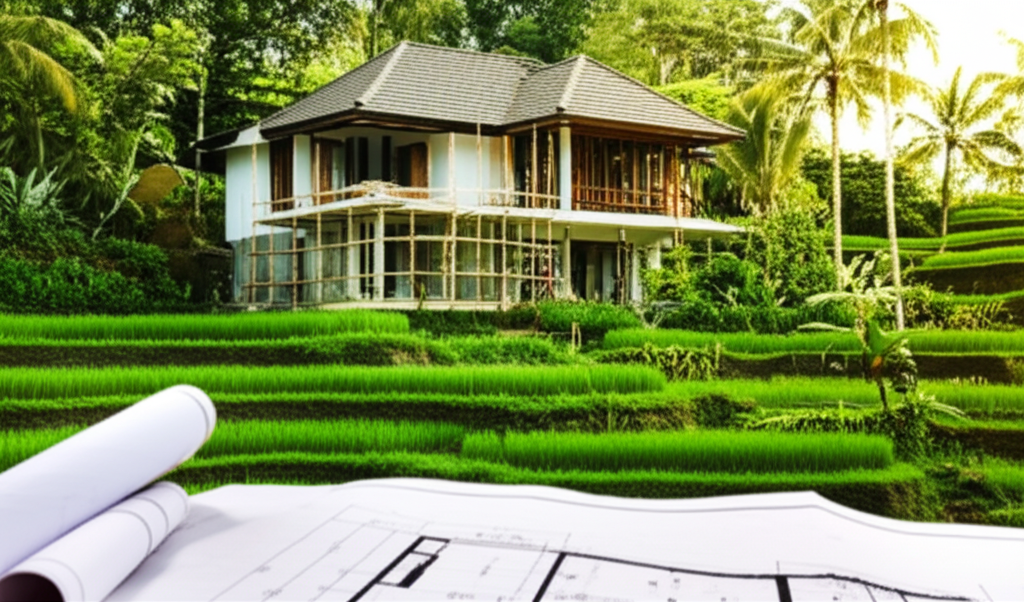
* Detailed architectural drawings and structural calculations, often prepared by a local, licensed architect and structural engineer, ensuring compliance with Balinese design principles and local building codes.
* Site plans indicating boundaries, existing structures, and proposed development.
* Statements of adherence to environmental standards and local community agreements.
* Proof of tax payment for the land and property.
The application is now primarily facilitated through the Online Single Submission (OSS) system, aimed at streamlining bureaucratic processes. However, navigating this system still benefits immensely from local expertise. The typical timeline for PBG approval can vary significantly, ranging from a few months to over six months, depending on the complexity of the project, the completeness of documentation, and the efficiency of the local administrative office. Patience and persistence, coupled with professional assistance, are key.
Beyond the PBG, other crucial permits and assessments must be considered. For larger developments or projects in sensitive environmental areas, an Environmental Impact Assessment (*AMDAL*) or an Environmental Management Effort and Environmental Monitoring Effort (*UKL-UPL*) may be required. These ensure that your villa construction Bali project minimizes its ecological footprint. Furthermore, securing utility connections – electricity from PLN, water supply, and often internet services – requires separate applications and coordination with respective providers. These connections are typically processed after the main building permit is granted and construction is underway.
Strict adherence to local building codes, safety standards, and regional development plans is non-negotiable. Bali’s unique cultural landscape and seismic activity necessitate specific construction practices and material considerations. Working closely with a premier general contractor in Bali who possesses in-depth knowledge of these nuances is vital. They can ensure that structural integrity, fire safety, and aesthetic guidelines are met, preventing future complications.
Practical advice for navigating this often-complex bureaucratic process includes engaging a reputable local permit expeditor or legal counsel early in your project. These professionals are well-versed in local regulations, have established relationships with relevant government departments, and can significantly accelerate the application process while mitigating potential pitfalls. Transparent communication and a respectful approach when interacting with local authorities are also crucial. Investing in this preparatory stage, although seemingly time-consuming, lays an unshakeable legal foundation for your expert construction, safeguarding your investment and ensuring a truly stress-free journey toward your dream home in paradise. For more insights on financial aspects, explore navigating construction taxes in Bali.
Building with Integrity Selecting Your Construction Team and Sustainable Practices
Building your Bali villa with integrity begins with assembling a skilled and trustworthy construction team. This crucial step directly influences the quality, efficiency, and ultimate success of your dream home in paradise. Beyond just a general contractor, your team should ideally include an experienced project manager and specialized tradespeople who possess a deep understanding of local building nuances. When evaluating potential partners, their track record is paramount. Look for firms with a demonstrable portfolio of successful villa construction Bali projects, and always request references from previous clients. Engage with these references to gauge their experience regarding the builder’s ability to deliver on promises.
Transparency in all dealings, especially financial, is non-negotiable. A reputable team will provide clear, itemized contracts, detailed cost breakdowns, and open communication regarding any potential variations or unexpected expenses. This ensures that you have a comprehensive understanding of where your investment is going and helps prevent hidden costs. Effective communication skills are equally vital; your team should be responsive, proactive in addressing concerns, and capable of providing regular, understandable updates on project progress. Adherence to agreed-upon timelines and budgets is a hallmark of professionalism. A skilled project manager, for instance, will meticulously plan and monitor every stage, anticipating potential delays or cost overruns and implementing strategies to mitigate them, ensuring your Bali villa awaits completion as planned. Understanding local regulations and having established relationships with local suppliers and authorities also signifies a well-integrated and effective team.
Beyond the fundamental aspects of team selection, embracing sustainable building practices is becoming increasingly important for any new construction in Bali. This not only benefits the environment but also significantly enhances the long-term value and operational efficiency of your property. Incorporating eco-friendly materials is a key starting point. Consider the abundant and versatile bamboo, a rapidly renewable resource that offers both structural integrity and a distinctive aesthetic. Reclaimed wood, salvaged from old structures, reduces demand for new timber and adds character to your villa. Local stone, such as paras or river stone, blends seamlessly with the natural landscape, reduces transportation carbon footprints, and provides excellent thermal mass.
Energy-efficient designs are critical for a comfortable and cost-effective tropical home. Passive cooling techniques are invaluable; strategic placement of large windows and doors encourages cross-ventilation, while high ceilings and generous roof overhangs minimize direct sun exposure and allow hot air to rise and escape. The installation of solar panels can dramatically reduce reliance on grid electricity, significantly cutting utility bills and contributing to a greener footprint. For water conservation, consider implementing rainwater harvesting systems to collect and store water for irrigation or other non-potable uses. Greywater recycling systems can further optimize water usage by treating water from showers and sinks for landscaping. Responsible waste management practices during construction, including minimizing debris, recycling materials, and proper disposal of non-recyclable waste, further underscore a commitment to sustainability. The benefits of such sustainable villa construction Bali are manifold: a reduced environmental impact, lower running costs for your property, increased market appeal, and a more comfortable, healthier living environment that truly harmonizes with its natural surroundings. Ultimately, building with integrity extends to how you respect the environment and wisely manage resources, securing a valuable asset for years to come.
From Foundation to Finish The Construction Journey
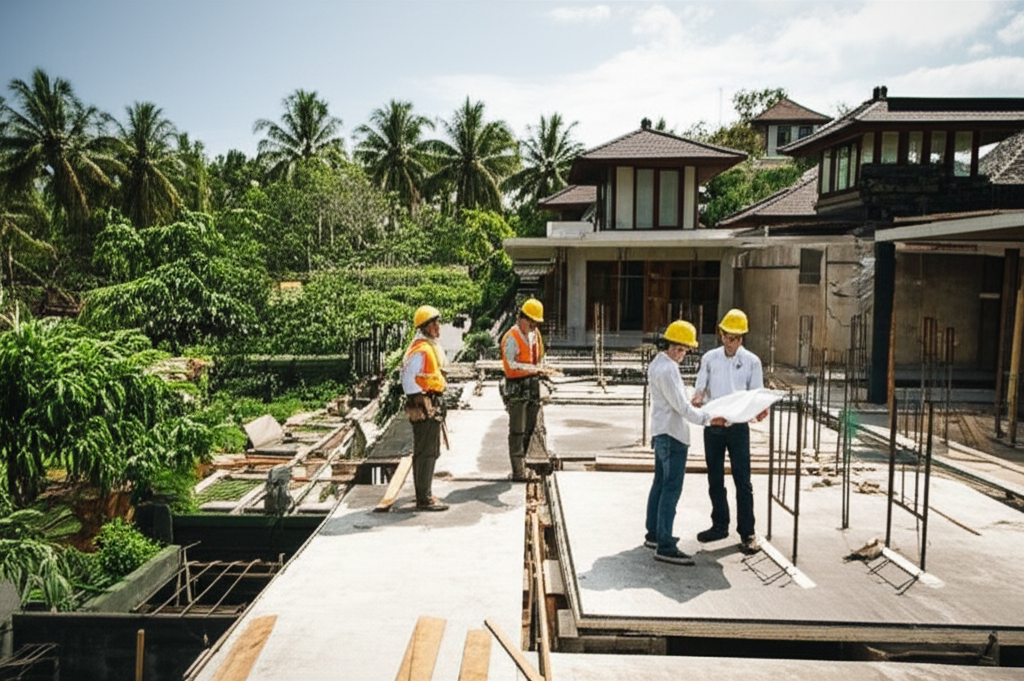
The meticulous construction of your Bali villa commences with site preparation and foundation work, a phase paramount for stability. This involves comprehensive geological surveys and soil testing, followed by precise clearing, leveling, and excavation. Given Bali’s varying soil conditions and seismic considerations, selecting robust foundations—be it pile or raft—is critical for enduring structural integrity. Proactive termite prevention measures are also integral. Rigorous quality control at this stage, ensuring adherence to engineering plans, optimal compaction, and correct concrete mix, lays an unwavering base for your villa.
Next, the villa’s skeleton emerges during structural erection, with the precise construction of reinforced concrete columns, beams, and slabs. This phase demands meticulous rebar placement, careful concrete pouring, and adequate curing, all under vigilant supervision to guarantee the building’s core strength and resilience against tropical elements. Regular checks for dimensions, plumbness, and levelness are non-negotiable for maintaining superior quality standards.
Following the structure, roofing installation begins, offering essential protection and aesthetic appeal. Materials such as terracotta tiles, durable ironwood shingles, or traditional alang-alang thatch are chosen for Bali’s climate. Proper waterproofing, effective insulation against heat, and thoughtful design for natural ventilation are key. Simultaneously, the mechanical, electrical, and plumbing (MEP) rough-ins are expertly integrated. This critical step involves strategically laying conduits, wiring, water supply pipes, drainage systems, and air conditioning lines within the structure before walls are sealed. The involvement of professional MEP engineers and licensed technicians is indispensable for functionality, safety, and future maintenance, with pressure testing and electrical checks ensuring compliance.
With the hidden systems in place, wall construction and finishes proceed, giving the villa its internal and external character. Walls, often built with local bricks or concrete blocks, are plastered, rendered, and prepared for painting, bringing architectural details to life. This is followed by flooring installation, offering choices from natural stone and timber to ceramic tiles. Meticulous leveling, grouting, and sealing are crucial for both durability and visual harmony. Finally, exterior landscaping integrates the villa with its natural surroundings, encompassing hardscaping like pathways and pool decks, efficient drainage, irrigation systems, and the careful selection of resilient tropical flora.
Throughout these stages, unwavering quality control, consistent site inspections, and clear communication among you, your project manager, and the construction team are paramount. Common challenges in Bali villa construction include unpredictable weather, material logistics, and unforeseen site conditions. Proactive strategies like building schedule buffers, establishing robust local supplier networks, and maintaining flexible yet firm project management are essential for keeping your project on track and within budget, ultimately delivering your dream home in paradise.
Realizing and Enjoying Your Bali Villa Dream Handover and Beyond
With the structural integrity confirmed and the core systems in place, the journey of your Bali villa construction culminates in the exciting phase of handover and beyond, transforming a expertly built structure into your personal paradise. The handover process is a meticulous undertaking, starting with thorough final inspections. This crucial step involves you, our project manager, and the construction team meticulously examining every aspect of the completed villa, from the quality of the finishes to the functionality of all installations. A comprehensive “punch list” will be generated, detailing any minor adjustments or rectifications required to ensure everything meets the highest standards and your exact specifications. This is our commitment to perfection.
Simultaneously, securing all essential utility connections is paramount for immediate occupancy. This includes the seamless integration of electricity, ensuring consistent power for your home, reliable water supply for daily needs, and robust internet connectivity, vital for both leisure and potential remote work. Furthermore, obtaining all necessary occupancy permits from the local Balinese authorities is a critical legal step, formally acknowledging that your new villa adheres to all building codes and regulations. This legal assurance allows you to fully and legally inhabit and enjoy your new home.
Once the keys are in hand, the transformation from a newly built shell to a warm, inviting dream home truly begins. Interior design for your Bali villa is an opportunity to blend personal style with the island’s unique aesthetic.
Consider incorporating natural materials such as local timbers, rattan, and stone, which not only provide an authentic Balinese feel but also stand up beautifully to the tropical climate. Embrace open-plan living and strategically placed windows and doors to maximize natural light and airflow, inviting the lush outdoor environment in. Furniture procurement can be an exciting adventure, whether you commission bespoke pieces from skilled local artisans or source from reputable international and local suppliers. Beyond the interior, the final touches of landscaping – from vibrant tropical gardens featuring indigenous flora to serene water features and elegant outdoor lighting – will complete the ambiance, crafting an oasis that reflects your vision. For a cohesive aesthetic and functional design, consider engaging integrated contractor interior design in Bali services.
For owners who may not reside in Bali permanently, robust ongoing property management and maintenance are indispensable. A professional property management service can oversee everything from routine cleaning and garden maintenance to pool care, security, and prompt repairs, ensuring your villa remains in pristine condition, preserving its value and allure. This proactive approach is vital for the longevity of your investment and offers complete peace of mind, knowing your property is well-cared for in your absence.
Finally, your Bali villa offers significant potential for rental income, making it not just a personal retreat but also a shrewd investment. Bali’s booming tourism industry ensures a consistent demand for high-quality villa rentals. To maximize your return on investment, consider factors such as your villa’s unique design, premium amenities like private pools or concierge services, and strategic marketing. Partnering with experienced rental agencies can streamline bookings, guest relations, and property turnovers, ensuring a consistent stream of income. By understanding the comprehensive guide to investing in Bali villas and exploring insights into the average return on investment for a villa in Bali, you can ensure your property delivers both unparalleled personal enjoyment and substantial financial benefits. From the initial expert construction from start to finish to its transformation into a thriving asset, your Bali villa truly awaits.
Conclusions
Building your dream villa in Bali requires careful planning, cultural integration, and expert execution. Understanding the legal landscape, embracing Balinese design, and partnering with experienced professionals ensures success. Your commitment to quality culminates in a breathtaking sanctuary. This guide empowers you in villa construction Bali, transforming your vision into an enjoyable, valuable asset in paradise.